
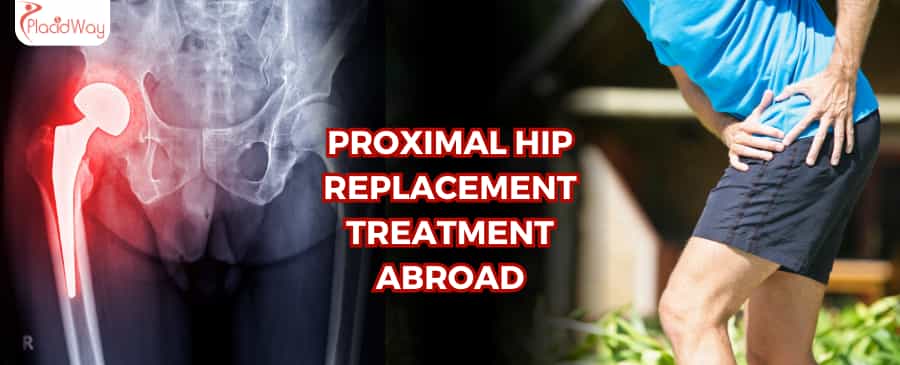
Regain Your Stride: Understanding Proximal Hip Replacement for Lasting Relief
Living with chronic hip pain can be debilitating, turning simple movements into agonizing tasks. If you're struggling with stiffness, limited mobility, and pain that disrupts your daily life, you're not alone. Many individuals worldwide seek effective solutions to reclaim their freedom of movement. Proximal hip replacement, often synonymous with total hip arthroplasty, is a highly successful surgical procedure designed to alleviate severe hip pain and restore function by replacing the damaged parts of your hip joint.
This procedure specifically targets the "proximal" or upper part of your thigh bone (femur) where the ball of the hip joint is located, along with the hip socket (acetabulum). It's a transformative option for those whose hip joint has been severely compromised by conditions such as osteoarthritis, rheumatoid arthritis, post-traumatic arthritis, or avascular necrosis. If conservative treatments like medication, physical therapy, or injections no longer provide adequate relief, exploring a proximal hip replacement could be your next step towards a pain-free life.
For many, the journey to a new hip doesn't just mean finding a skilled surgeon; it also involves navigating costs, wait times, and quality of care. This is where medical tourism becomes a compelling option. Esteemed medical facilities around the globe offer state-of-the-art proximal hip replacement surgeries, often at a fraction of the cost found in Western countries, without compromising on quality or expertise. This guide will walk you through everything you need to know about proximal hip replacement, from understanding its symptoms and causes to exploring recovery expectations and the benefits of considering treatment abroad, helping you make an informed decision for your health and future mobility.
What are the Symptoms Indicating You Might Need a Hip Replacement?
Understanding when your hip pain warrants considering a surgical solution like a proximal hip replacement is crucial. It’s not just about pain; it’s about how that pain affects your life. Patients often search for "What are the first signs of needing a hip replacement?" or "When is it time for hip replacement surgery?" The symptoms typically progress over time and significantly impact your quality of life.
- Persistent or Chronic Hip/Groin Pain: This is the most common symptom. The pain may be deep in the joint, in the groin, outer thigh, or even radiating down to the knee.
- Pain Worsening with Activity: Your pain might intensify after walking, standing, or engaging in physical activities, and might not subside with rest.
- Stiffness: You might experience stiffness in the hip, making it difficult to lift your leg, bend, or rotate your hip. This is often worse in the morning or after periods of inactivity.
- Limping or Altered Gait: To compensate for the pain and stiffness, you might unconsciously alter your walking pattern, leading to a noticeable limp.
- Pain Interfering with Sleep: Nighttime pain can be a strong indicator of severe joint damage, preventing restful sleep and impacting overall well-being.
- Difficulty with Daily Activities: Simple tasks like putting on socks, getting in and out of a car, climbing stairs, or even tying your shoes become challenging or impossible.
- Loss of Motion: A noticeable reduction in your hip's range of motion, making it hard to move your leg freely.
If you experience several of these symptoms, especially if they are severe and non-surgical treatments have failed, it’s advisable to consult with an orthopedic specialist. They will use physical examination and imaging (like X-rays) to determine the extent of your hip joint damage.
What Causes Hip Joint Damage and Who is at Risk?
Understanding the root causes of hip joint damage helps in recognizing the need for a proximal hip replacement. Patients often ask, "What causes hip osteoarthritis?" or "Can you prevent hip replacement?" While not always preventable, knowing the risk factors can inform lifestyle choices.
Primary Causes:
- Osteoarthritis (OA): This is the most common cause. Often called "wear-and-tear arthritis," OA occurs when the cartilage cushioning the ends of your bones wears away over time, leading to bones rubbing directly against each other.
- Rheumatoid Arthritis (RA): An autoimmune disease where the body's immune system attacks the joint lining, leading to inflammation, pain, and eventually cartilage and bone erosion.
- Post-traumatic Arthritis: Can develop years after a severe hip injury, such as a fracture or dislocation. The damage to the cartilage from the initial trauma can lead to premature arthritis.
- Avascular Necrosis (AVN) / Osteonecrosis: Occurs when blood supply to the femoral head (the ball of the hip joint) is disrupted. Without adequate blood, the bone tissue dies and collapses, leading to arthritis. Causes can include chronic steroid use, excessive alcohol intake, certain medical conditions, or trauma.
- Childhood Hip Diseases: Conditions like Legg-Calvé-Perthes disease or developmental dysplasia of the hip, if not adequately treated, can lead to early-onset arthritis in adulthood.
Risk Factors:
- Age: The risk of osteoarthritis increases with age, as cartilage naturally degrades over time.
- Obesity: Excess body weight puts increased stress on the hip joints, accelerating cartilage wear.
- Genetics: A family history of arthritis or hip problems can increase your susceptibility.
- Prior Hip Injury or Surgery: Previous damage to the hip joint, even if treated, can predispose you to arthritis.
- Certain Occupations or Sports: Activities involving repetitive high-impact stress on the hips can contribute to early wear and tear.
While some factors like genetics are beyond your control, managing your weight, staying active within safe limits, and treating hip injuries promptly can help maintain hip health.
Exploring the Types of Proximal Hip Replacement Procedures
When considering hip replacement surgery, it’s helpful to understand the different approaches and components involved. Patients often search for "What are the different types of hip replacement surgery?" or "What is the newest hip replacement technology?" The goal of a proximal hip replacement is to relieve pain and restore function by replacing damaged bone and cartilage with artificial implants (prostheses).
Total Hip Arthroplasty (THA) / Total Hip Replacement:
This is the most common type of hip replacement and typically what is referred to as "proximal hip replacement." It involves replacing both the femoral head (the "ball" at the top of the femur, the proximal part) and the acetabulum (the "socket" in the pelvis). The new components usually consist of:
- Femoral Component: A metal stem is inserted into the hollow center of the femur, topped with a ceramic or metal ball.
- Acetabular Component: A metal shell is inserted into the pelvis's socket, often lined with plastic (polyethylene), ceramic, or metal.
Surgical approaches for THA include:
- Posterior Approach: A traditional incision made on the back of the hip. It offers excellent visualization but has a slightly higher dislocation risk if precautions aren't followed.
- Anterior Approach: A minimally invasive incision made on the front of the hip. It involves less muscle cutting, potentially leading to a faster initial recovery and fewer hip precautions post-surgery, though it requires specialized surgical expertise.
- Lateral Approach: An incision made on the side of the hip, often favored for revision surgeries.
Hip Hemiarthroplasty:
This procedure involves replacing only the femoral head (the proximal part of the femur) with a prosthetic ball, while the natural acetabulum (socket) is left intact. It's most commonly performed for certain types of hip fractures (especially in older patients) where the socket is healthy and not arthritic. It is less common for elective arthritis treatment than a total hip replacement.
Implant Materials:
Modern hip implants are designed for durability and longevity, using various material combinations:
- Metal-on-Polyethylene: A metal ball articulates with a polyethylene liner in a metal socket. This is a very common and successful combination.
- Ceramic-on-Polyethylene: A ceramic ball articulates with a polyethylene liner. Offers excellent wear properties.
- Ceramic-on-Ceramic: Both the ball and the liner are ceramic. Known for very low wear rates but can be brittle and may produce a "squeaking" sound in some patients.
- Metal-on-Metal: Historically used, but less common now due to concerns about metal ion release and associated complications in some patients.
Your surgeon will discuss the most appropriate procedure and implant materials based on your age, activity level, bone quality, and overall health.
Am I a Candidate for Proximal Hip Replacement? Eligibility Criteria
Deciding whether proximal hip replacement is right for you involves a thorough evaluation by an orthopedic surgeon. Patients often inquire, "Who is a good candidate for hip replacement surgery?" or "Is there an age limit for hip replacement?" The decision is highly individualized, focusing on your specific condition and overall health.
Key Eligibility Criteria:
- Failed Conservative Treatments: You’ve likely tried non-surgical methods such as pain medication (NSAIDs), physical therapy, corticosteroid injections, and lifestyle modifications (e.g., weight loss, activity modification), but they no longer provide significant relief.
- Severe Pain and Functional Limitation: Your hip pain is chronic, debilitating, and significantly interferes with daily activities like walking, sleeping, standing, or working, and dramatically impacts your quality of life.
- Radiographic Evidence of Joint Damage: X-rays, MRI, or CT scans clearly show significant damage to the hip joint, such as severe arthritis, avascular necrosis, or a non-healing fracture. This provides objective proof of the need for intervention.
- Overall Good Health: You should be healthy enough to undergo a major surgical procedure and anesthesia. This means having any chronic conditions (like diabetes or heart disease) well-managed. A comprehensive medical evaluation will be performed to assess your surgical risk.
- Willingness to Participate in Rehabilitation: A successful outcome heavily depends on your commitment to post-operative physical therapy and following your surgeon's instructions.
- Realistic Expectations: Understanding what the surgery can achieve – significant pain relief and improved mobility, but not necessarily a return to high-impact sports – is important.
Age and Weight Considerations:
There is no strict age limit for hip replacement. While traditionally associated with older adults, younger, more active individuals are increasingly undergoing the procedure due to advanced implant technology. The decision is based more on your health status and functional need than on chronological age. Similarly, while extreme obesity can increase surgical risks, it is not an absolute contraindication if managed properly, though weight loss may be recommended prior to surgery.
Ultimately, a detailed consultation with an orthopedic surgeon is essential to determine if you are a suitable candidate, considering your medical history, physical condition, and personal goals.
What is the Recovery Time and What Can I Expect After Surgery?
Recovery after proximal hip replacement is a journey, not a sprint. Patients frequently ask, "How long does it take to recover from hip replacement surgery?" and "What can you not do after hip replacement?" While individual recovery varies, a general timeline and expectations can help you prepare.
Immediate Post-Op (Hospital Stay: 2-5 Days):
- Pain Management: You will receive medication to manage post-surgical pain.
- Early Mobilization: Physical therapy usually begins on the day of surgery or the next day. You'll learn how to get in and out of bed, sit, and walk with the help of a walker or crutches.
- Hip Precautions: You will be taught specific movements to avoid (e.g., extreme hip flexion, crossing your legs) to prevent dislocation, especially with a posterior approach.
Early Recovery (Weeks 1-6):
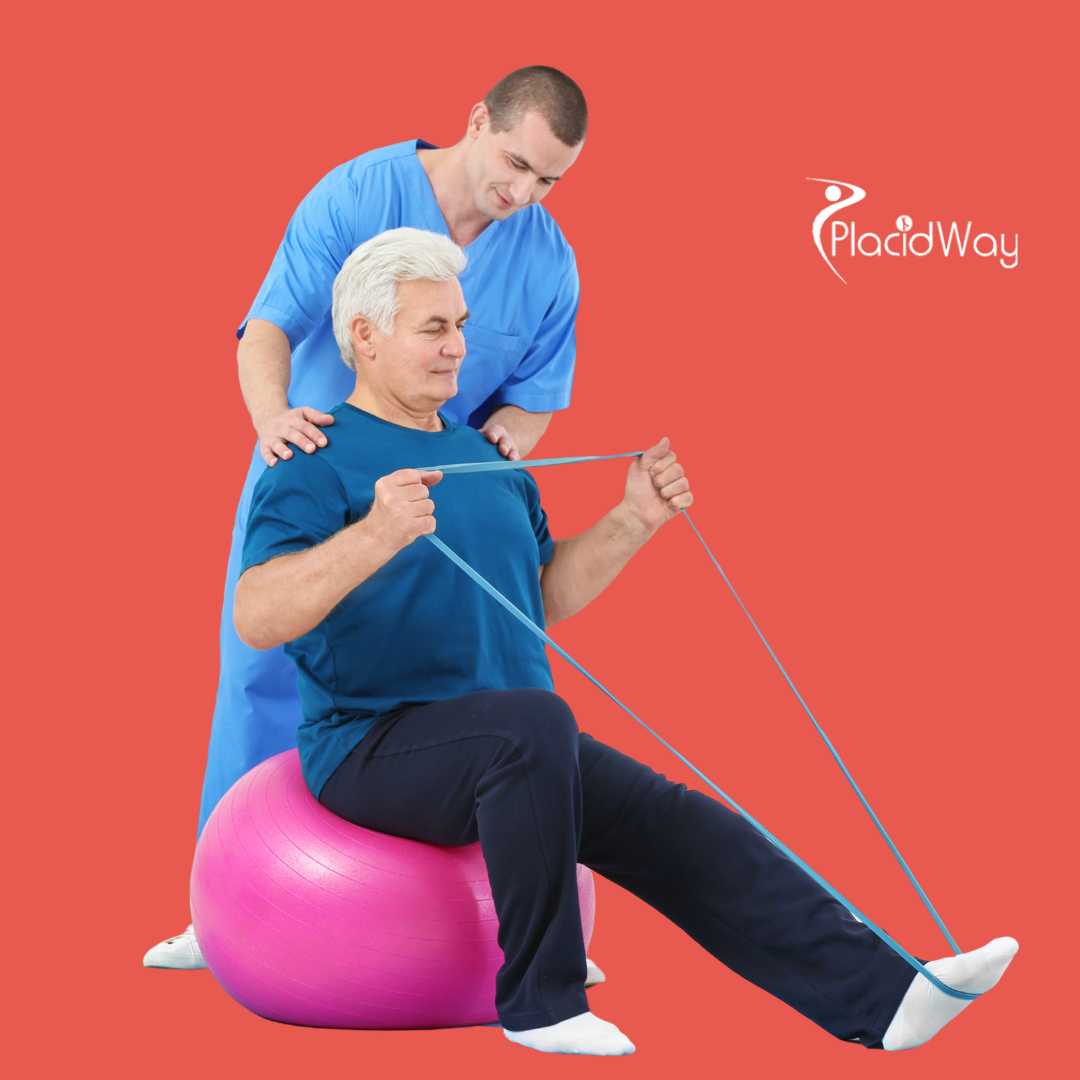
- Physical Therapy (PT): This is critical. You'll either continue with outpatient PT or have a therapist visit you at home. Exercises focus on strengthening the hip muscles and improving range of motion.
- Pain and Swelling: Expect some pain and swelling, which will gradually decrease. Follow your medication schedule.
- Mobility: You'll slowly transition from a walker to crutches, then possibly a cane. Most people can walk independently with a cane within 4-6 weeks, though this varies.
- Driving: Typically, you can resume driving around 4-6 weeks, provided you are no longer taking strong pain medication and can react quickly.
Long-Term Recovery (Months 3-6+):
- Return to Activities: Most individuals can return to light activities like swimming, cycling, and walking without support. High-impact sports are generally discouraged.
- Full Recovery: While significant improvements are seen in the first few months, full recovery and strength can take up to a year. Your new hip will continue to feel more natural over time.
- Expectations: Expect a dramatic reduction in pain and a significant improvement in your ability to perform daily activities. You'll need to continue with home exercises and follow your surgeon's long-term advice to protect your new joint.
It's important to remember that consistency with physical therapy and adherence to your surgeon's instructions are key to a successful recovery and maximizing the longevity of your new hip.
What are the Risks and Potential Side Effects of Hip Replacement Surgery?
While proximal hip replacement is a highly successful procedure, like any major surgery, it carries potential risks and side effects. Patients often search for "What are the serious risks of hip replacement surgery?" or "How often does hip replacement fail?" It's important to be informed about these possibilities, even though serious complications are rare.
Potential Risks and Side Effects:
- Infection: Can occur at the surgical site or deep around the prosthesis. It may require antibiotics or, in severe cases, further surgery to remove and replace the implant.
- Blood Clots (Deep Vein Thrombosis - DVT): Clots can form in the leg veins. If a clot breaks loose and travels to the lungs (pulmonary embolism), it can be life-threatening. Medications and compression devices are used to prevent this.
- Dislocation: The new ball of the hip joint can come out of the socket, especially in the early post-operative period if hip precautions are not followed. It may require repositioning or, rarely, revision surgery.
- Leg Length Discrepancy: Sometimes, one leg may feel or appear slightly longer or shorter after surgery. While surgeons strive for equal length, minor differences can occur.
- Nerve Damage: Nerves around the hip can be stretched or injured during surgery, leading to numbness, weakness, or even paralysis (rarely) in part of the leg.
- Implant Loosening or Wear: Over time, the prosthetic components can loosen from the bone or the bearing surfaces can wear out, potentially requiring revision surgery. Modern implants are designed for longevity, typically lasting 15-20 years or more.
- Fracture: Rarely, the femur or pelvis can fracture during surgery or during recovery.
- Persistent Pain: While the goal is pain relief, a small percentage of patients may experience ongoing pain after surgery.
- Allergic Reaction: Rarely, patients may have an allergic reaction to the metals or materials used in the implants.
Your surgical team will take extensive measures to minimize these risks, including pre-operative assessments, careful surgical technique, and post-operative monitoring and care. Discussing any concerns you have with your surgeon is vital to ensure you feel confident and prepared for the procedure.
Worldwide Cost Comparison: Proximal Hip Replacement Abroad
The cost of proximal hip replacement can be a significant barrier for many, especially in countries with high healthcare expenses. Patients often search for "How much does a hip replacement cost without insurance?" or "Which country has the cheapest hip replacement?" Medical tourism offers a compelling solution, providing high-quality care at a fraction of the price. The total cost typically includes hospital fees, surgeon's fees, anesthesia, implant costs, and sometimes initial physical therapy and accommodation.
Here’s a general comparison of proximal hip replacement costs around the world:
| Country | Estimated Cost Range (USD) | Notes |
|---|---|---|
| USA | $30,000 - $70,000+ | Highly variable, often higher without insurance. |
| UK (Private) | $15,000 - $25,000 | Private healthcare, often long NHS wait lists. |
| Canada (Private) | $20,000 - $35,000 | Limited private options, long public wait lists. |
| Mexico | $12,000 - $20,000 | High-quality, JCI-accredited facilities, close to USA. |
| India | $8,000 - $15,000 | Renowned for advanced medical care, English-speaking staff. |
| Thailand | $10,000 - $18,000 | Excellent patient care, modern hospitals, tourism hub. |
| Turkey | $10,000 - $17,000 | Strategic location, advanced facilities, experienced surgeons. |
| Costa Rica | $13,000 - $22,000 | Close to North America, beautiful recovery environment. |
| Spain | $15,000 - $25,000 | High European standards, attractive for recovery. |
These figures are estimates and can vary based on the specific hospital, surgeon's experience, type of implant, length of stay, and inclusion of pre/post-operative care and rehabilitation. Always obtain a detailed, all-inclusive quote for an accurate comparison.
Why Consider Proximal Hip Replacement Abroad?
The decision to seek medical treatment in another country, often phrased as "Is it safe to have surgery abroad?" or "Benefits of medical tourism," is becoming increasingly common for major procedures like hip replacement. For many, the advantages are compelling.
- Significant Cost Savings: This is often the primary driver. As seen in the cost comparison, the same high-quality procedure can be thousands, even tens of thousands, of dollars cheaper abroad compared to Western nations. This can make life-changing surgery accessible to those without adequate insurance or facing prohibitive costs.
- Reduced Wait Times: In many countries, particularly those with universal healthcare systems, patients face long waiting lists for elective surgeries like hip replacement. Traveling abroad can mean receiving timely treatment, preventing further pain and deterioration of the joint.
- Access to Advanced Facilities and Specialists: Many international hospitals are JCI (Joint Commission International) accredited, equipped with cutting-edge technology, and staffed by internationally trained, board-certified surgeons with extensive experience in orthopedic procedures.
- Personalized Care and Attention: Medical tourism often emphasizes a patient-centric approach, with dedicated international patient departments providing comprehensive support, from initial consultation to post-operative care.
- Combining Treatment with Tourism: For some, the opportunity to recover in a serene, often beautiful, environment offers an added benefit, turning a medical necessity into a unique travel experience.
Considering treatment abroad means expanding your options beyond geographical borders, focusing on value, expertise, and personalized care that aligns with your specific needs and budget.
Which Countries Offer the Best Value for Hip Replacement Surgery?
When searching for "Best countries for medical tourism for orthopedic surgery," several nations consistently stand out for offering exceptional value for proximal hip replacement. These countries combine affordability with high standards of medical care and robust infrastructure for international patients.
- Mexico: Renowned for its proximity to the U.S., Mexico offers JCI-accredited hospitals, U.S.-trained surgeons, and significant cost savings. Cities like Tijuana, Cancun, and Guadalajara are popular medical tourism hubs.
- India: A global leader in medical tourism, India boasts world-class hospitals, highly experienced orthopedic surgeons, and advanced technology. English is widely spoken in medical facilities, ensuring ease of communication.
- Thailand: Known for its warm hospitality, luxurious private hospitals, and excellent post-operative care, Thailand is a top destination. Bangkok and Phuket offer state-of-the-art facilities and a recovering vacation environment.
- Turkey: Positioned at the crossroads of Europe and Asia, Turkey has invested heavily in its healthcare infrastructure. It provides modern facilities, highly qualified surgeons, and competitive pricing, particularly in Istanbul and Ankara.
- Costa Rica: For North American patients seeking treatment closer to home, Costa Rica offers a beautiful environment for recovery, JCI-accredited hospitals, and U.S.-trained medical staff.
- Spain: Within Europe, Spain offers high-quality medical care at more competitive prices than some Western European counterparts. Its pleasant climate and excellent recovery facilities make it an attractive option.
These countries are popular due to their commitment to international patient standards, often evidenced by international accreditations, and their ability to provide comprehensive care packages that cover the entire treatment journey.
What to Expect When Traveling for Proximal Hip Replacement?
Embarking on a medical journey abroad might seem daunting, but medical tourism facilitators like PlacidWay streamline the process. Patients often search for "How to prepare for surgery abroad" or "Medical tourism logistics." Here’s a general overview of what to expect:
- Initial Consultation & Planning:
- Virtual Consultation: Share your medical records (X-rays, reports) with your chosen clinic/surgeon abroad via a medical tourism facilitator. You'll receive a preliminary diagnosis and treatment plan.
- Quote & Itinerary: Get a detailed cost estimate and a proposed treatment schedule.
- Travel & Accommodation: Your facilitator can help with flight bookings, airport transfers, and arranging accommodation (hospital guest houses, hotels) for you and your companion.
- Pre-Operative Stage Abroad:
- Arrival & Settling In: Arrive a few days before your surgery to rest and acclimate.
- In-Person Consultations & Tests: You'll meet your surgical team, undergo a thorough physical examination, and complete necessary pre-operative tests (blood tests, ECG, further imaging).
- Pre-Op Education: You'll receive detailed instructions on what to expect during and after surgery.
- The Surgery and Hospital Stay:
- Proximal Hip Replacement: The procedure itself will be performed by your chosen surgeon.
- Post-Op Recovery in Hospital: You'll typically stay in the hospital for 2-5 days, receiving pain management and starting early mobilization with physical therapy.
- Post-Operative Care & Rehabilitation:
- Extended Stay: Many patients opt for an extended stay (1-3 weeks post-discharge) in a nearby hotel or rehabilitation facility to continue physical therapy before returning home.
- Follow-Up Appointments: You'll have follow-up appointments with your surgeon and physical therapist.
- Return Home:
- Medical Report: You'll receive comprehensive medical reports for your local doctors.
- Continued Rehabilitation: You'll continue physical therapy and follow-up with your local orthopedic specialist.
A reputable medical tourism facilitator will guide you through each step, ensuring a smooth and stress-free experience.
How to Ensure Safety and Quality for Your Hip Replacement Abroad?
Safety and quality are paramount when considering any medical procedure, especially abroad. Patients often ask, "Questions to ask medical tourism providers" or "Accreditation for hospitals abroad." With careful planning and research, you can ensure a safe and successful outcome.
- Choose Internationally Accredited Facilities:
- Look for hospitals accredited by organizations like JCI (Joint Commission International) or ISO (International Organization for Standardization). These accreditations signify adherence to global standards of patient care and safety.
- Verify Surgeon Credentials and Experience:
- Research your surgeon's qualifications: Where did they train? Are they board-certified? How many hip replacement procedures have they performed? Do they specialize in the type of hip replacement you need (e.g., anterior approach)?
- Ask for their professional affiliations and memberships in international orthopedic societies.
- Read Patient Reviews and Testimonials:
- Seek out reviews and success stories from previous international patients. Websites like PlacidWay often feature verified patient experiences.
- Understand the Package Inclusions:
- Ensure your quote is comprehensive and clearly states what is included (e.g., hospital stay, surgeon's fees, anesthesia, implant costs, pre-op tests, initial PT, transfers, accommodation). Be wary of unexpectedly low prices that might omit crucial components.
- Communicate Clearly:
- Ensure there are no language barriers. Many international hospitals have English-speaking staff or dedicated interpreters.
- Ask all your questions before you travel and ensure you receive clear, written answers.
- Plan for Post-Operative Care:
- Discuss the post-operative physical therapy plan, both abroad and for when you return home.
- Ensure you will receive complete medical records to share with your local doctor.
- Consider Medical Travel Insurance:
- This specialized insurance can cover unforeseen circumstances like medical complications, extended stays, or emergency evacuations, providing peace of mind.
By conducting thorough research and utilizing reputable medical tourism providers, you can confidently pursue high-quality and safe hip replacement surgery abroad.
Real Stories: Patient Success After Proximal Hip Replacement Abroad
The true measure of a medical procedure's success lies in the improved lives of patients. When researching "Testimonials for hip replacement abroad" or "Success rates of hip replacement," countless stories emerge of individuals who found lasting relief and regained their independence through international care. These aren't just statistics; they're personal journeys of triumph over debilitating pain.
Imagine:
- John from Canada, who after years on a waiting list and increasing pain, traveled to Mexico for his proximal hip replacement. "I was walking with a cane for years, couldn't play with my grandkids," he recounted. "The surgery was flawless, the care was exceptional, and I'm now back to enjoying my walks and even light golfing. The cost was a third of what I expected at home."
- Maria from the UK, who sought treatment in Thailand for her severe osteoarthritis. "The level of personalized care was beyond anything I'd experienced," she shared. "From the moment I arrived, I felt like their top priority. My pain is gone, and I'm rediscovering my love for gardening and dancing."
- David from the USA, suffering from avascular necrosis, found an expert surgeon in India. "My quality of life was severely impacted. I was hesitant about traveling, but the team walked me through every step. Not only was the surgery successful, but I also received excellent physical therapy, and I'm now able to hike again, something I thought was impossible."
These stories highlight a common thread: profound relief from chronic pain, restored mobility, and a significant improvement in overall quality of life. Patients often praise not only the surgical expertise but also the comprehensive, compassionate care and the efficiency of the international medical systems. They return home not just with a new hip, but with a renewed sense of purpose and the ability to engage in activities they once loved, thanks to their decision to pursue proximal hip replacement abroad.
Take the Next Step with PlacidWay
Ready to explore treatment options abroad? Discover top clinics, compare prices, and get a free quote tailored to your needs with PlacidWay.
Orthopedic Surgery Abroad, Knee Sugery Abroad








.png)









Share this listing