
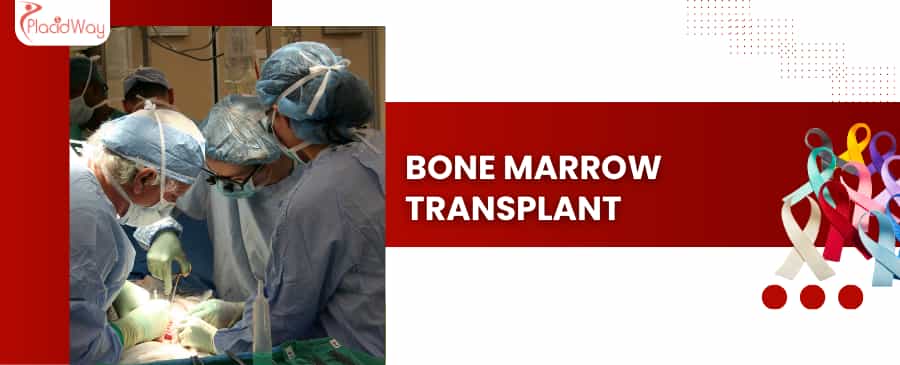
Hope Restored: Navigating Bone Marrow Transplant Options Globally
Facing a diagnosis that requires a Bone Marrow Transplant (BMT), also known as a stem cell transplant, can be overwhelming. It's a journey filled with questions, hopes, and the need for the best possible care. A Bone Marrow Transplant is a powerful medical procedure designed to replace diseased or damaged bone marrow with healthy blood-forming stem cells. This treatment is often a last resort, but a highly effective one, for individuals battling life-threatening conditions such as certain cancers, severe blood disorders, and immune system deficiencies.
For many, the quest for optimal treatment extends beyond their local borders. Medical tourism for bone marrow transplants is a growing trend, driven by the search for specialized expertise, reduced costs, shorter waiting times, or access to advanced therapies not readily available at home. Patients search for "bone marrow transplant abroad," "BMT cost overseas," "best hospitals for leukemia treatment," or "stem cell transplant medical tourism" to find answers and explore their options.
This comprehensive guide aims to demystify the Bone Marrow Transplant process, addressing common concerns from symptoms and causes to recovery and worldwide cost comparisons. We'll also delve into why and how thousands of patients successfully pursue BMT treatments in top medical destinations around the globe, ensuring you have the information needed to make informed decisions about your health journey.
What Are the Conditions That Lead to a Bone Marrow Transplant?
Patients typically require a BMT when their body's ability to produce healthy blood cells is severely compromised or when aggressive chemotherapy/radiation therapy for cancer has destroyed their existing bone marrow. The conditions most commonly treated include:
- Leukemia: Cancers of the blood and bone marrow, like Acute Myeloid Leukemia (AML) and Acute Lymphoblastic Leukemia (ALL), where abnormal white blood cells accumulate. Symptoms often include fatigue, easy bruising, frequent infections, and bone pain.
- Lymphoma: Cancers that start in the lymphatic system, such as Hodgkin lymphoma and non-Hodgkin lymphoma. Symptoms might be swollen lymph nodes, fever, night sweats, and unexplained weight loss.
- Multiple Myeloma: A cancer of plasma cells in the bone marrow, leading to bone pain, kidney problems, and fatigue.
- Myelodysplastic Syndromes (MDS): A group of disorders where the bone marrow doesn't produce enough healthy blood cells. Symptoms mirror those of anemia, infection, or bleeding issues.
- Aplastic Anemia: A rare, serious condition where the bone marrow stops producing enough new blood cells. Patients experience fatigue, frequent infections, and uncontrollable bleeding.
- Sickle Cell Anemia: An inherited red blood cell disorder. While often managed, a BMT can offer a cure for suitable candidates, reducing pain crises, fatigue, and organ damage.
- Thalassemia: Another inherited blood disorder affecting hemoglobin production. Severe forms can benefit from BMT.
- Immune Deficiency Disorders: Conditions where the immune system is severely compromised, making patients highly susceptible to infections.
- Genetic Predisposition: Inherited conditions like sickle cell anemia, thalassemia, and certain immune deficiencies directly affect the production or function of blood cells. A BMT replaces these faulty stem cells with healthy ones.
- Cancers: Blood cancers (leukemia, lymphoma, multiple myeloma) and some solid tumors can be treated with very high doses of chemotherapy and/or radiation. While effective at killing cancer cells, these treatments also destroy the patient's healthy bone marrow. A BMT is then performed to "rescue" the patient by replacing the destroyed marrow.
- Bone Marrow Failure Syndromes: Conditions like aplastic anemia or myelodysplastic syndromes occur when the bone marrow fails to produce enough healthy blood cells on its own, for reasons that might be autoimmune, viral, or unknown.
- Autoimmune Diseases: In rare cases, severe autoimmune diseases that haven't responded to other treatments may be treated with a BMT to "reset" the immune system.
-
Autologous Transplant: Often referred to as a "self-transplant."
- Process: The patient's own healthy stem cells are collected and stored before they undergo high-dose chemotherapy or radiation to destroy cancer cells. After treatment, their own stored stem cells are returned to their body.
- Purpose: Primarily used for certain lymphomas, multiple myeloma, and some solid tumors. It allows for higher doses of anti-cancer treatment.
- Advantage: No risk of graft-versus-host disease (GVHD), as the cells are the patient's own.
- Disadvantage: If cancer cells are already present in the collected stem cells, there's a risk of transplanting them back.
-
Allogeneic Transplant: Involves using stem cells from a donor.
- Process: The patient receives stem cells from a genetically matched donor. The donor can be a sibling (related allogeneic), an unrelated volunteer (unrelated allogeneic), or sometimes a parent (haploidentical). The patient first undergoes conditioning therapy to destroy their diseased marrow.
- Purpose: Used for leukemias, aplastic anemia, sickle cell disease, and other conditions where the patient's own bone marrow is inherently diseased or dysfunctional.
- Advantage: The donor cells can provide a "graft-versus-tumor" (GVT) effect, where the new immune system recognizes and kills remaining cancer cells.
- Disadvantage: Risk of graft-versus-host disease (GVHD), where the donor's immune cells attack the recipient's tissues. Requires strict donor matching.
- Diagnosis and Disease Status: The patient must have a condition that is known to respond to BMT, and often the disease needs to be in remission or controlled before the transplant.
- Overall Health and Organ Function: Patients must be healthy enough to endure the intense conditioning regimens (chemotherapy/radiation) and the recovery period. This includes healthy heart, lung, liver, and kidney function. Extensive pre-transplant testing is performed.
- Age: While there isn't a strict age cutoff, younger patients generally tolerate the procedure better. However, advancements mean that older adults (into their 70s) are increasingly considered if they are otherwise healthy.
- Availability of a Donor (for Allogeneic): A suitable donor match, ideally a sibling or an unrelated donor from a registry, is essential for allogeneic transplants.
- Psychological and Social Support: Patients need strong emotional support and a reliable caregiver during the long recovery period.
-
Hospital Stay (3-6 weeks):
- After receiving the stem cells, patients are closely monitored in isolation to prevent infection.
- During this phase, the new stem cells "engraft," meaning they settle in the bone marrow and start producing new blood cells. This is a critical period.
- Patients may experience side effects from the conditioning therapy, such as nausea, mucositis (mouth sores), fatigue, and low blood counts.
-
Early Outpatient Recovery (3-6 months post-discharge):
- Patients remain close to the transplant center for frequent check-ups, blood tests, and medication adjustments.
- The immune system is still very weak, requiring strict precautions against infection.
- Gradual return of energy and appetite. Managing potential complications like GVHD (for allogeneic transplants) is crucial.
-
Long-Term Recovery (up to 1-2 years or more):
- The immune system continues to mature and strengthen.
- Regular follow-up appointments become less frequent.
- Patients gradually return to normal activities, work, and school.
- Ongoing monitoring for late complications or relapse.
- Infection: The most common and serious risk. Patients have severely weakened immune systems due to conditioning therapy and are highly susceptible to bacterial, viral, and fungal infections.
- Bleeding and Anemia: Low blood counts (platelets, red blood cells) caused by marrow suppression can lead to bleeding problems and severe fatigue requiring transfusions.
- Graft-versus-Host Disease (GVHD): (Specific to Allogeneic BMT) This occurs when the donor's immune cells recognize the recipient's body as foreign and attack it. GVHD can affect the skin, liver, gut, and other organs, ranging from mild to severe, and can be acute or chronic.
- Organ Damage: High-dose chemotherapy and radiation can damage organs such as the liver, kidneys, lungs, and heart.
- Mucositis: Painful inflammation and sores in the mouth and digestive tract.
- Nausea, Vomiting, Diarrhea: Common side effects of conditioning therapy.
- Fatigue: Persistent and profound fatigue is typical during and after treatment.
- Relapse: The original disease can return, even after a successful transplant.
- Infertility: Conditioning regimens often cause permanent infertility.
- Cataracts and Secondary Cancers: Long-term risks can include developing cataracts or a new cancer years later.
- Significant Cost Savings: As seen in the table above, the cost difference can be substantial, often 50-70% lower than in Western countries, even including travel and accommodation. This makes life-saving treatment accessible to those without comprehensive insurance or facing prohibitive out-of-pocket expenses.
- Shorter Waiting Times: In some healthcare systems, long waiting lists for BMT can delay crucial treatment. Traveling abroad can mean faster access to care, which can be vital for progressive diseases.
- Access to Advanced Therapies and Expertise: Certain international hospitals are at the forefront of BMT research and offer cutting-edge techniques or clinical trials that might not be available domestically. They also house highly specialized transplant teams with extensive experience.
- High Quality of Care: Many countries investing heavily in medical tourism boast world-class facilities, state-of-the-art equipment, and internationally trained medical professionals, often with accreditations from bodies like JCI (Joint Commission International).
- Privacy and Anonymity: Some patients prefer to undergo such an intense personal journey away from their local community.
- India: Renowned for its highly skilled medical professionals, advanced infrastructure, and significantly lower costs. Major cities like Delhi, Mumbai, and Chennai host numerous JCI-accredited hospitals with dedicated BMT units.
- Turkey: Offers a strategic location between Europe and Asia, state-of-the-art hospitals, and English-speaking medical staff. Istanbul and Ankara are home to many world-class transplant centers known for their advanced facilities and competitive pricing.
- South Korea: Known for its cutting-edge technology, highly advanced medical research, and exceptional success rates in complex procedures. While slightly higher in cost than India or Turkey, it remains more affordable than Western counterparts with top-tier quality.
- Thailand: A popular destination for medical tourists, offering excellent hospitality, modern facilities, and experienced medical teams, particularly in Bangkok. The cost-effectiveness combined with a pleasant recovery environment makes it attractive.
- Mexico: Convenient for North American patients, Mexico provides high-quality care at a fraction of the cost, especially in border cities and major hubs like Mexico City and Guadalajara.
-
Pre-Trip Planning:
- Medical Records: Compile all existing medical records, translated into English (or the local language if required).
- Consultation: Engage with medical tourism facilitators (like PlacidWay) to get initial consultations with international specialists, discuss treatment plans, and receive cost estimates.
- Visa and Travel Documents: Secure medical visas for the patient and accompanying caregiver. Ensure passports are valid for the extended stay.
- Accommodation: Plan for long-term accommodation near the hospital, as the entire process (evaluation, transplant, and initial recovery) can take 3-6 months or even longer.
-
Arrival and Initial Phase:
- Upon arrival, you'll undergo comprehensive pre-transplant evaluations to confirm suitability and create a precise treatment plan.
- This includes extensive blood tests, imaging, and consultations with the transplant team.
-
Treatment and Hospital Stay:
- The conditioning regimen (chemotherapy/radiation) is administered, followed by the actual stem cell infusion.
- A hospital stay of several weeks (3-6 typically) in a sterile environment is standard for monitoring engraftment and managing immediate side effects.
-
Post-Transplant Recovery:
- After discharge, patients must remain in the host country, living near the hospital for frequent outpatient follow-ups.
- This crucial period involves managing medications, monitoring for complications like infection or GVHD, and slowly regaining strength.
- A dedicated caregiver is essential throughout this entire period.
- Accreditation: Look for international accreditation, particularly from organizations like the Joint Commission International (JCI). JCI accreditation signifies that a hospital meets stringent global healthcare quality and patient safety standards. Other relevant accreditations include FACT (Foundation for the Accreditation of Cellular Therapy) for BMT programs.
- Hospital and Transplant Center Experience: Inquire about the volume of BMTs performed annually, the specific type of transplant you need, and the center's success rates for similar cases. Experience often correlates with better outcomes.
- Doctor Credentials and Team Expertise: Research the qualifications, certifications, and experience of the lead transplant physician and the medical team. Many top international specialists have trained in Western countries.
- Technology and Infrastructure: Ensure the facility has state-of-the-art equipment, sterile environments (like HEPA-filtered rooms), and comprehensive supportive care units necessary for BMT.
- Language and Communication: Confirm that there are adequate English-speaking staff or interpreters to facilitate clear communication throughout your treatment.
- Patient Reviews and Testimonials: Seek out genuine patient reviews and success stories. Reputable medical tourism platforms often provide these.
- Reputable Facilitators: Work with established medical tourism companies like PlacidWay. They have vetted networks of hospitals, can provide unbiased information, assist with logistics, and act as an advocate for your care.
- Sarah, from the UK, with Acute Myeloid Leukemia: Facing a long waiting list and high costs in her home country, Sarah opted for an allogeneic BMT in India. After thorough pre-treatment and a successful transplant, she achieved complete remission and returned home to her family, having saved a significant amount on treatment while receiving world-class care. "It was daunting at first, but the team in Chennai was incredible, and I'm now cancer-free," she shared.
- Omar, from Nigeria, battling Aplastic Anemia: Omar's family struggled to find an affordable and suitable BMT option locally. They chose a specialized center in Turkey, known for its expertise in blood disorders. Omar's transplant was successful, and he regained his health, now living a full life. His parents frequently praise the compassionate and expert care they received, which was also financially manageable.
- David, from Canada, with Multiple Myeloma: Seeking a more immediate and cost-effective treatment for his autologous BMT, David traveled to South Korea. He appreciated the advanced technology and the highly efficient, patient-focused approach of the Korean medical team. His recovery was smooth, allowing him to return to work sooner than expected.
Recognizing symptoms like persistent fatigue, unusual bruising, recurrent infections, unexplained fevers, or bone pain can be early indicators of underlying issues that may eventually lead to a BMT recommendation.
What Causes the Need for a Bone Marrow Transplant?
The primary causes leading to a Bone Marrow Transplant can be broadly categorized:
Risk factors for developing these conditions vary. For genetic disorders, family history is key. For cancers, factors like exposure to certain chemicals (e.g., benzene), radiation, viral infections (e.g., EBV for lymphoma), and even some previous cancer treatments can increase risk. However, many cases arise without clear identifiable risk factors.
Understanding Bone Marrow Transplant Types: Autologous vs. Allogeneic
The type of bone marrow transplant depends on the patient's condition and the availability of a suitable donor:
Finding a suitable donor for an allogeneic transplant is a critical step, often involving extensive searches in national and international registries (like the National Marrow Donor Program/Be The Match).
Who Is Eligible for a Bone Marrow Transplant?
The decision for a Bone Marrow Transplant is complex and involves a multidisciplinary team of specialists. Several factors are considered:
A comprehensive evaluation will determine if the potential benefits of a BMT outweigh the significant risks, and if the patient has the physical and emotional resilience for the journey ahead.
What Does Bone Marrow Transplant Recovery Look Like?
The recovery process after a Bone Marrow Transplant is often described as a marathon, not a sprint. It typically occurs in several phases:
It's vital for patients and caregivers to understand that recovery is highly individual. Patience, adherence to medical advice, and a strong support system are paramount throughout this demanding but ultimately hopeful journey.
What Are the Potential Risks and Side Effects of BMT?
While life-saving, a Bone Marrow Transplant is a major medical procedure with significant potential risks and side effects. These can range from mild to life-threatening:
Modern transplant centers employ extensive supportive care, including antibiotics, antivirals, antifungals, blood transfusions, and specialized medications to prevent and manage these complications, significantly improving safety outcomes.
Bone Marrow Transplant Cost: A Worldwide Comparison
The cost of a Bone Marrow Transplant is a major consideration for many patients. It's an expensive procedure, encompassing pre-transplant evaluation, donor search (if applicable), conditioning therapy, the transplant itself, hospital stay, medications, and extensive follow-up care. Prices can fluctuate dramatically based on the country, facility, type of transplant (autologous or allogeneic), and any complications.
Here's a general cost comparison (estimates in USD, subject to change):
| Country | Autologous BMT (Estimated Range) | Allogeneic BMT (Estimated Range) |
|---|---|---|
| United States | $300,000 - $500,000+ | $500,000 - $800,000+ |
| United Kingdom | $250,000 - $450,000+ | $400,000 - $700,000+ |
| India | $40,000 - $70,000 | $60,000 - $120,000 |
| Turkey | $50,000 - $90,000 | $70,000 - $150,000 |
| Mexico | $80,000 - $120,000 | $100,000 - $200,000 |
| South Korea | $100,000 - $180,000 | $150,000 - $250,000 |
| Thailand | $70,000 - $110,000 | $90,000 - $180,000 |
*These are estimated ranges and can vary significantly based on specific case, hospital, and currency exchange rates. They typically include the procedure, hospital stay, and initial post-transplant care but might not cover donor search fees, extensive rehabilitation, or long-term medication.
Why Consider a Bone Marrow Transplant Abroad?
For a procedure as complex and costly as a Bone Marrow Transplant, looking beyond national borders can offer compelling advantages:
The decision to travel abroad is deeply personal, but for many, it represents a viable and often superior pathway to receiving critical care.
Which Countries Offer the Best Value and Expertise for BMT?
When selecting a destination for a Bone Marrow Transplant abroad, patients typically look for a combination of affordability, high medical standards, and specialized experience. Several countries have established themselves as leaders in medical tourism for BMT:
These countries often have robust international patient departments, making the logistics of travel and treatment smoother for global patients.
What to Expect When Traveling for a Bone Marrow Transplant Overseas?
Embarking on a Bone Marrow Transplant journey overseas requires meticulous planning and a clear understanding of the logistics involved:
Communication with the transplant team, often facilitated by international patient coordinators, is key to navigating this complex process smoothly.
How Can You Ensure Safety and Quality for BMT Abroad?
Ensuring safety and high-quality care is paramount when seeking a Bone Marrow Transplant abroad. Here's how to conduct your due diligence:
Don't hesitate to ask detailed questions and request comprehensive information before committing to a hospital or treatment plan.
Real Patient Stories: Bone Marrow Transplant Success Abroad
The decision to travel for a Bone Marrow Transplant is often cemented by hearing about others who have walked a similar path and achieved successful outcomes. These stories highlight the hope and efficacy of international medical care:
These are just a few examples of the countless individuals who have benefited from the blend of accessibility, affordability, and expertise offered by international BMT centers. Their journeys underscore the profound impact that medical tourism can have on restoring health and hope.
Take the Next Step with PlacidWay
Ready to explore treatment options abroad? Discover top clinics, compare prices, and get a free quote tailored to your needs with PlacidWay.
Cancer Treatment Abroad, Breast Cancer, Lung Cancer




.png)
.png)
.png)
.png)





.png)

.png)










Share this listing