
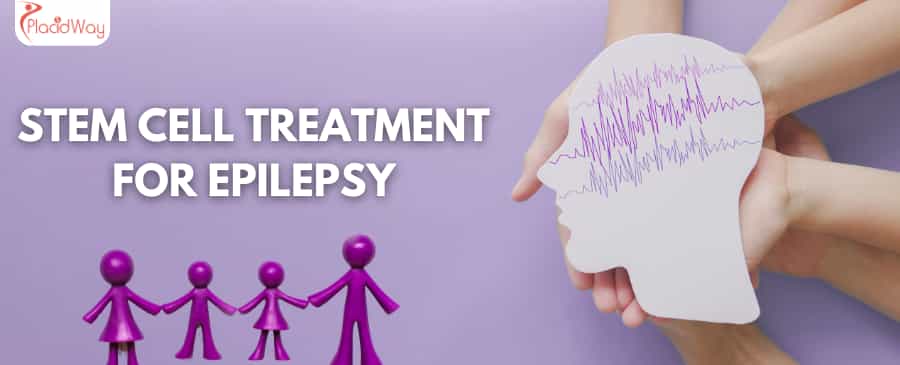
Finding New Hope: Exploring Stem Cell Treatment for Epilepsy
Living with epilepsy can be a challenging journey, marked by unpredictable seizures that impact daily life, work, and personal freedom. For many, conventional medications offer effective control. However, a significant number of individuals – roughly one-third of all epilepsy patients – experience what’s known as drug-resistant or refractory epilepsy. This means their seizures persist despite trying multiple anti-epileptic drugs, leaving them searching for alternative solutions and new possibilities.
If you or a loved one are among those exploring options beyond traditional treatments, you've likely come across the exciting, albeit experimental, field of stem cell treatment for epilepsy. This innovative approach holds the promise of not just managing symptoms, but potentially addressing the underlying neurological damage that contributes to seizures. It represents a frontier in neurological medicine, offering a glimmer of hope for a life with fewer, or even no, seizures.
For patients considering this advanced therapy, especially those looking for high-quality care combined with affordability, medical tourism presents a viable pathway. Countries around the world are becoming centers for specialized stem cell research and treatment, making it possible to access cutting-edge procedures that might not be readily available or affordable at home. This guide will walk you through everything you need to know about stem cell treatment for epilepsy, from understanding the condition to navigating your options abroad.
What are the Common Symptoms of Epilepsy and Seizures?
Epilepsy isn't just one condition; it's a spectrum of neurological disorders characterized by recurrent, unprovoked seizures. The symptoms you experience depend heavily on which part of the brain is affected and how widely the abnormal electrical activity spreads. Many people search for "epilepsy symptoms" or "what do seizures look like" to understand this complex condition.
Common signs can include:
- Temporary Confusion: A brief moment of disorientation, often after a seizure.
- A Staring Spell (Absence Seizure): Particularly common in children, where an individual may stare blankly into space for a few seconds.
- Uncontrollable Jerking Movements of the Arms and Legs: This is a classic sign of a tonic-clonic (grand mal) seizure.
- Loss of Consciousness or Awareness: The person may collapse, fall, and be unresponsive during a seizure.
- Psychic Symptoms: Feelings of fear, anxiety, or déjà vu can sometimes precede a seizure or occur during a focal seizure.
- Sensory Disturbances: Experiencing strange smells, tastes, or tingling sensations.
These symptoms can be subtle or dramatic, and their impact on daily life can be profound, prompting the search for more effective therapies.
What Causes Epilepsy and Who is at Risk?
Understanding "what causes epilepsy" or "why do people get seizures" is crucial. While in about half of all cases, the cause of epilepsy remains unknown (idiopathic epilepsy), several factors can lead to the condition:
- Genetic Predisposition: Some types of epilepsy run in families, suggesting a genetic link.
- Brain Injury or Trauma: Head injuries, particularly severe ones, can damage brain tissue and lead to epilepsy years later.
- Stroke and Other Vascular Diseases: These are a leading cause of epilepsy in adults over age 35.
- Brain Tumors: Both benign and malignant tumors can disrupt normal brain activity.
- Infections: Conditions like meningitis, encephalitis, AIDS, and viral encephalitis can cause epilepsy.
- Prenatal Injuries: Before birth, babies can be susceptible to brain damage from factors like poor nutrition, oxygen deficiency, or infection, which can lead to epilepsy.
- Developmental Disorders: Conditions like autism and neurofibromatosis can be associated with epilepsy.
Risk factors for developing epilepsy include age (most common in young children and older adults), a family history of epilepsy, brain infections or injuries, and a history of stroke. For those whose epilepsy is rooted in specific brain damage, stem cell therapy offers a targeted approach to repair and regeneration.
How Does Stem Cell Treatment for Epilepsy Work?
The concept behind "how do stem cells help epilepsy" is rooted in their remarkable ability to self-renew and differentiate into various cell types, as well as their potent regenerative and immunomodulatory properties. For epilepsy, particularly drug-resistant forms, the goal is often to address the underlying causes of neuronal hyperexcitability and network dysfunction.
Stem cells, often mesenchymal stem cells (MSCs) or neural stem cells, are typically administered via intravenous infusion or, in some cases, directly into the brain (intracerebral injection). Once introduced, they are believed to act in several ways:
- Neuroprotection: They release growth factors and cytokines that protect existing neurons from damage, especially in areas affected by seizures.
- Neurogenesis & Synaptogenesis: They can differentiate into new neurons and glial cells, helping to repair or replace damaged brain tissue and form new, healthier neural connections.
- Immunomodulation & Anti-inflammation: They reduce chronic inflammation in the brain, which can contribute to seizure activity and neuronal damage.
- Angiogenesis: They can promote the formation of new blood vessels, improving blood flow and oxygen supply to affected brain regions.
By targeting these fundamental processes, stem cell therapy seeks to rebalance the brain's electrical activity, reduce seizure frequency and severity, and improve overall neurological function. It's like sending a highly versatile repair crew into the brain to fix the faulty wiring and dampen the sparks causing the seizures.
What Types of Stem Cells Are Used for Epilepsy?
When patients ask, "What types of stem cells are used for epilepsy?" they're seeking to understand the specific biological tools employed in this advanced treatment. The most commonly utilized types in clinical studies and therapies for neurological conditions, including epilepsy, are:
- Mesenchymal Stem Cells (MSCs): These are non-blood adult stem cells that can be isolated from various tissues, most commonly bone marrow (BM-MSCs) or adipose (fat) tissue (AD-MSCs), and umbilical cord blood/tissue (UC-MSCs). MSCs are favored for their:
- Immunomodulatory properties: They can suppress inflammation, which is often implicated in epilepsy.
- Neurotrophic factor secretion: They release substances that promote the survival and growth of nerve cells.
- Differentiation potential: While they may not directly become neurons in large numbers, they can support endogenous neural repair mechanisms and create a more favorable environment for brain healing.
- Neural Stem Cells (NSCs): These cells are found in the brain and spinal cord and have the potential to differentiate into neurons, astrocytes, and oligodendrocytes (the main cell types of the nervous system). While highly relevant, their use in clinical settings is more challenging due to ethical considerations (if embryonic) or difficulty in harvesting from adults without invasiveness. Research is ongoing in this area.
The choice of stem cell type often depends on the specific clinic, the patient's condition, and the legal framework of the country where the treatment is administered.
Am I a Candidate for Stem Cell Therapy for Epilepsy? (Eligibility Criteria)
A crucial question for many considering this therapy is, "Who is a candidate for stem cell therapy for epilepsy?" Since this is still an emerging treatment, eligibility criteria are often stringent and vary by clinic and research protocol. However, common factors generally include:
- Diagnosis of Drug-Resistant Epilepsy: This is often the primary criterion. Patients must have failed to achieve adequate seizure control despite trials of at least two appropriate anti-epileptic drugs.
- Identifiable Lesion or Damage: While not always mandatory, having a clear area of brain damage or structural abnormality (e.g., from an injury, stroke, or mesial temporal sclerosis) that correlates with seizure origin can make a patient a better candidate, as stem cells can target these areas.
- Good Overall Health: Patients should generally be free from other severe systemic diseases, active infections, or uncontrolled medical conditions that could complicate the procedure or recovery.
- Age Considerations: While some clinics treat younger patients, most focus on adults. Specific age limits can vary.
- Comprehensive Medical Evaluation: This involves detailed neurological examinations, MRI scans, EEG monitoring, and sometimes neuropsychological assessments to fully understand the epilepsy type and its impact.
- Realistic Expectations: Patients must understand that stem cell therapy for epilepsy is experimental and outcomes can vary.
It's important to consult with specialists who have experience in both epilepsy and stem cell therapies to determine if you meet the specific criteria.
What Can I Expect During and After Stem Cell Treatment for Epilepsy? (Procedure & Recovery)
Understanding "how long does recovery take after stem cell epilepsy treatment?" and the overall process helps manage expectations. While specific protocols differ, here’s a general overview:
The Procedure
- Cell Harvesting (if autologous): If using the patient's own MSCs, a small sample of bone marrow or adipose tissue is harvested. This is a minor surgical procedure, typically under local anesthesia.
- Cell Processing: The harvested cells are processed in a specialized laboratory to isolate, purify, and expand the stem cell population to the required therapeutic dose.
- Administration:
- Intravenous (IV) Infusion: The most common method, similar to a regular blood transfusion. Stem cells are injected directly into the bloodstream. This is less invasive and cells are thought to home in on damaged areas.
- Intrathecal Injection: Cells are injected into the spinal fluid, allowing them closer access to the central nervous system.
- Intracerebral (Direct Brain) Injection: A more invasive neurosurgical procedure where cells are injected directly into specific brain regions identified as seizure foci. This is less common outside of highly controlled research settings.
Recovery and Expectations
- Immediate Post-Procedure: Patients usually have a short hospital stay (a few days to a week) for monitoring, especially after direct brain injections. For IV infusions, it might be an outpatient procedure or a brief overnight stay.
- Initial Recovery: Most patients can resume light activities within a few days or a week. Side effects, if any, are usually mild and temporary, such as headache, fever, or fatigue.
- Long-term Monitoring: The effects of stem cell therapy are not instantaneous. It can take several weeks to months to observe potential improvements in seizure frequency or severity as the cells integrate and exert their regenerative effects. Regular follow-up with neurologists and EEG monitoring are essential.
- Continued Medication: Patients are typically advised to continue their anti-epileptic medications initially, with potential adjustments made by their neurologist over time based on seizure control.
Patients should plan for ongoing medical supervision and understand that the journey to recovery and improvement can be a gradual process, much like a garden slowly coming back to life after being nourished.
What are the Potential Risks and Side Effects of Stem Cell Treatment for Epilepsy?
As with any medical procedure, it’s important to ask, "Is stem cell treatment for epilepsy safe?" and understand the potential "side effects of stem cell therapy for epilepsy." While generally considered safe, especially when using autologous (patient's own) mesenchymal stem cells, potential risks and side effects exist:
- Infection: Any invasive procedure carries a risk of infection at the injection site or systemically.
- Allergic Reaction: Though rare, an allergic reaction to the stem cells or components of the culture medium is possible.
- Tumor Formation (Teratoma): This is a highly publicized but very rare risk, primarily associated with embryonic or induced pluripotent stem cells (iPSCs) that have not been adequately differentiated. The risk with adult MSCs, commonly used for epilepsy, is considered very low.
- Complications from Administration:
- Intravenous: Minimal risks, similar to any IV infusion (e.g., bruising, minor discomfort).
- Intrathecal: Headache, back pain, or, rarely, nerve damage.
- Intracerebral: As a neurosurgical procedure, risks include bleeding, infection, brain swelling, and neurological deficits.
- Immune Rejection: If allogeneic (donor) stem cells are used, there's a theoretical risk of immune rejection, though MSCs have immunomodulatory properties that mitigate this.
- Exacerbation of Seizures: In very rare cases, any brain intervention could potentially trigger or worsen seizure activity temporarily.
Most reported side effects are mild and temporary, such as headache, fever, fatigue, or localized pain at the donor site (for autologous procedures). Patients should thoroughly discuss these risks with their medical team and ensure the clinic follows rigorous safety protocols.
Why Consider Stem Cell Treatment for Epilepsy Abroad? (Medical Tourism Benefits)
For many, the idea of "medical tourism" for a condition like epilepsy might seem daunting, but it offers compelling advantages:
- Access to Innovative Therapies: Stem cell research for epilepsy is advancing rapidly, but regulatory approval and widespread availability can be slow in some countries. Abroad, you might find clinics offering cutting-edge treatments that are still in clinical trial stages or not yet approved in your home country.
- Cost-Effectiveness: The cost of stem cell therapy can be prohibitive in Western countries. Many destinations like Mexico, Costa Rica, and certain European and Asian countries offer the same or even higher quality of care at a significantly lower price point, making treatment accessible.
- Reduced Waiting Times: Long waiting lists for specialized procedures can delay crucial treatment. Medical tourism often allows for faster scheduling, meaning you can begin your journey to recovery sooner.
- Privacy and Anonymity: Some patients prefer the discretion that comes with receiving medical treatment away from their local community.
- Specialized Expertise: Certain clinics abroad have dedicated stem cell research and treatment centers with highly specialized neurologists and stem cell experts who have extensive experience with epilepsy.
It's about finding the right balance of innovation, affordability, and expert care, often in a setting that supports healing and well-being.
Which Countries Offer the Best Value for Stem Cell Epilepsy Treatment?
When searching for "where can I get stem cell treatment for epilepsy?" or "best countries for stem cell epilepsy," several destinations consistently emerge as leaders in medical tourism for advanced therapies:
Top Destinations:
- Mexico: Renowned for its state-of-the-art clinics, highly trained specialists, and significantly lower costs compared to the US and Canada. Cities like Tijuana and Cancun are popular medical tourism hubs.
- Costa Rica: Offers a combination of high-quality medical care, personalized service, and a beautiful, serene environment conducive to healing.
- Germany: A leader in medical research and technology, with stringent regulations. German clinics offer advanced stem cell therapies, though at a higher price point than Latin American options, still often less than the US.
- South Korea/Japan: Known for their cutting-edge medical technology and robust research in regenerative medicine. These countries offer highly advanced treatments, but may come with higher travel costs.
- Thailand/India: Emerging as strong contenders, providing affordable, quality care with experienced medical professionals.
Worldwide Cost Comparison for Stem Cell Treatment for Epilepsy (Estimates)
Costs can vary dramatically based on the type of stem cells, number of infusions, clinic reputation, and included services (e.g., diagnostics, follow-up). The table below provides rough estimates:
| Country | Estimated Cost Range (USD) | Notes |
|---|---|---|
| USA/Canada | $25,000 - $75,000+ | Often clinical trials, high out-of-pocket for experimental therapies. |
| Mexico | $8,000 - $25,000 | Popular for accessibility, affordability, and quality. |
| Costa Rica | $10,000 - $28,000 | Reputable clinics, often includes personalized care packages. |
| Germany | $15,000 - $40,000 | High standards, rigorous regulations, excellent technology. |
| South Korea | $18,000 - $50,000 | Cutting-edge research, advanced facilities. |
| India/Thailand | $7,000 - $20,000 | Emerging markets with competitive pricing and growing expertise. |
These figures are illustrative. Always get a detailed, personalized quote from clinics.
What to Expect When Traveling Abroad for Stem Cell Epilepsy Therapy?
Navigating international travel for a medical procedure requires careful planning. Here’s a general outline of what to expect:
- Pre-Trip Planning: This involves obtaining your medical records, getting a remote consultation with the chosen clinic, receiving a treatment plan and cost estimate, and arranging flights and accommodation. Don't forget visa requirements for your destination country.
- Arrival and Initial Consultations: Upon arrival, you’ll typically have in-person consultations with the medical team, undergo additional diagnostic tests (e.g., MRI, EEG) to confirm your eligibility and tailor the treatment plan.
- Treatment Days: The stem cell administration itself might take one or more sessions. Depending on the method, it could be a few hours for an IV infusion or several days for monitoring after a more invasive procedure.
- Post-Treatment Monitoring & Recovery: You will likely stay in the destination country for a period after treatment for initial recovery and follow-up checks. This could range from a few days to a couple of weeks, depending on the procedure and individual recovery.
- Follow-up Care Back Home: It’s crucial to have a neurologist or primary care physician back home who is aware of your treatment and willing to manage your ongoing care.
Many medical tourism facilitators, like PlacidWay, assist with these logistics, making the process much smoother, like having a personal guide through a foreign city.
How to Ensure Safety and Quality for Stem Cell Treatment Abroad?
Ensuring safety and quality is paramount when considering any medical treatment, especially an advanced one like stem cell therapy abroad. Here’s what to look for:
- Accreditation: Seek clinics with international accreditations (e.g., JCI - Joint Commission International). This signifies adherence to global standards of patient safety and quality of care.
- Doctor Credentials and Experience: Verify that the neurologists and stem cell specialists are board-certified and have extensive experience specifically in treating epilepsy with stem cells. Inquire about their training and success rates.
- Transparency in Protocols: A reputable clinic will be transparent about the type of stem cells used, the harvesting and processing methods, the administration route, and the dosage. They should be able to explain the scientific rationale behind their approach.
- Ethical Guidelines: Ensure the clinic adheres to international ethical guidelines for stem cell research and therapy. Be wary of clinics promising "cures" or using unproven cell types.
- Patient Testimonials and Reviews: Look for independent reviews and testimonials from previous patients.
- Comprehensive Consultation: The clinic should offer thorough pre-treatment consultations, including a review of your complete medical history and diagnostic imaging, before accepting you for treatment.
- Medical Tourism Facilitators: Reputable facilitators, like PlacidWay, vet clinics and provide comprehensive support, acting as an extra layer of assurance and guidance.
Think of it like choosing a highly skilled artisan for a delicate task; you want to see their credentials, understand their process, and hear from satisfied clients.
What Are Patient Success Stories and Outcomes for Epilepsy Stem Cell Therapy?
While still considered experimental, early "patient success stories" and outcomes from clinical trials and treatments abroad for epilepsy stem cell therapy offer encouraging insights into "what are the success rates of stem cell therapy for epilepsy?"
Reported outcomes often include:
- Reduced Seizure Frequency and Severity: Many patients experience a significant decrease in the number and intensity of their seizures. For some, this has meant transitioning from daily seizures to weekly, monthly, or even longer seizure-free periods.
- Improved Quality of Life: Beyond just seizure reduction, patients often report improvements in related symptoms such as sleep quality, mood, cognitive function (memory, concentration), and overall energy levels. This allows them to engage more fully in daily activities.
- Decreased Medication Reliance: In some cases, with sustained improvement, neurologists may be able to gradually reduce the dosage or number of anti-epileptic medications, reducing side effects from pharmaceuticals.
- Enhanced Brain Function: Some studies suggest that stem cells can help restore some lost neurological function, potentially repairing areas of the brain affected by chronic seizures.
It's crucial to understand that stem cell therapy is not a guaranteed cure, and individual responses vary widely. Success is often measured by a meaningful reduction in seizure burden and a noticeable improvement in the patient's overall well-being and ability to lead a more normal life. These stories, though anecdotal, provide a powerful testament to the potential of this emerging field.
Take the Next Step with PlacidWay
Ready to explore treatment options abroad? Discover top clinics, compare prices, and get a free quote tailored to your needs with PlacidWay.
Stem Cell Therapy Abroad




.jpg)
.jpg)
.jpg)
.jpg)








Share this listing