
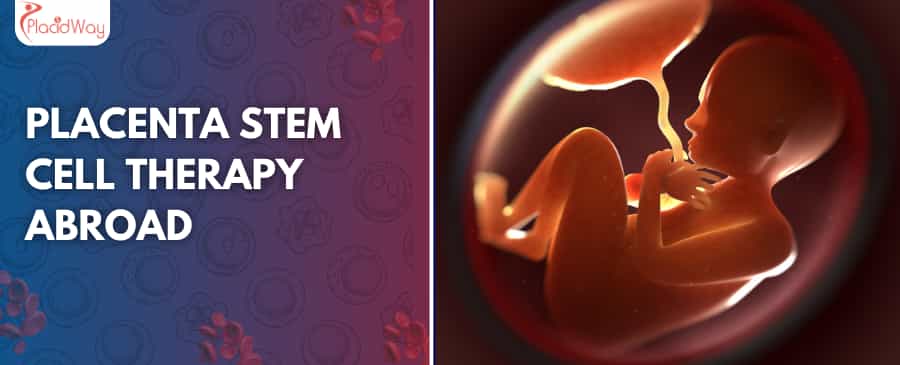
Unlock Healing Potential: Exploring Placenta Stem Cell Therapy Abroad
Are you seeking innovative solutions for chronic pain, autoimmune conditions, or neurological challenges? Many people around the globe are discovering the profound potential of regenerative medicine, and among its most promising frontiers is Placenta Stem Cell Therapy. This cutting-edge treatment leverages the incredible regenerative power of cells derived from the human placenta – a rich, often discarded source of potent stem cells after childbirth.
Imagine a therapy that works with your body's natural ability to repair, renew, and restore. Placenta stem cells are celebrated for their immunomodulatory, anti-inflammatory, and regenerative properties, making them a subject of intense research and clinical application for a wide array of conditions. Unlike embryonic stem cells, placenta-derived stem cells are ethically sourced from full-term healthy deliveries and carry minimal ethical concerns, making them a more widely accepted option.
For those exploring advanced treatment options, particularly when local choices are limited or cost-prohibitive, medical tourism for placenta stem cell therapy has become a viable and attractive path. Patients worldwide are traveling to specialized clinics in countries renowned for their expertise, state-of-the-art facilities, and often more accessible pricing. This guide will delve deep into what placenta stem cell therapy entails, who can benefit, what to expect, and why pursuing it abroad might be your next step towards a healthier, more vibrant life.
What Conditions Can Placenta Stem Cell Therapy Address?
People often search for "what can placenta stem cells treat?" or "placenta stem cell benefits." Placenta stem cells, particularly Mesenchymal Stem Cells (MSCs) derived from the placenta, exhibit properties that make them beneficial for various conditions that involve tissue damage, inflammation, or immune dysregulation. While research is ongoing and results can vary, potential applications often include:
- Orthopedic Conditions: Osteoarthritis, rheumatoid arthritis, tendonitis, ligament injuries, chronic back pain, and joint degeneration. Patients seek relief from stiffness and limited mobility.
- Autoimmune Diseases: Such as multiple sclerosis, lupus, Crohn's disease, and Hashimoto's thyroiditis, where the immune system mistakenly attacks healthy tissues. The immunomodulatory effects of placenta stem cells are a key focus here.
- Neurological Disorders: Conditions like Parkinson's disease, Alzheimer's disease (early stages), cerebral palsy, autism spectrum disorder, and stroke recovery, aiming to support neural repair and reduce inflammation.
- Chronic Pain Syndromes: Including fibromyalgia and neuropathic pain, where traditional treatments have yielded limited success.
- Organ Regeneration: Preliminary studies explore their role in conditions affecting the heart, lungs, and liver, though these applications are generally more experimental.
- Anti-Aging & Wellness: Some individuals also explore placenta stem cell therapy for general rejuvenation and to combat age-related cellular decline.
It's crucial to understand that while promising, not all conditions respond equally, and individualized assessments are vital.
How Do Placenta Stem Cells Work in the Body?
Many wonder, "how does placenta stem cell therapy work?" or "what are the mechanisms?" The placenta is a temporary organ that provides vital support to a developing fetus, acting as a bridge between mother and baby. After a healthy full-term birth, this organ is typically discarded. However, it's a rich source of various types of stem cells, particularly Mesenchymal Stem Cells (MSCs).
When administered, these stem cells don't necessarily replace damaged cells directly by becoming them. Instead, their primary mechanisms of action are often paracrine (cell-to-cell communication) and immunomodulatory:
- Immunomodulation: They can 'calm' an overactive immune system or stimulate an underactive one, helping to reduce harmful inflammation in autoimmune conditions.
- Anti-inflammatory Effects: They release anti-inflammatory molecules, reducing swelling and pain in injured or diseased areas.
- Secretion of Growth Factors: They produce a cocktail of growth factors, cytokines, and exosomes that stimulate the body's own repair mechanisms, encourage cell growth, and promote tissue regeneration.
- Angiogenesis: They can promote the formation of new blood vessels, improving blood flow and nutrient supply to damaged areas.
- Differentiation Potential: While less direct in many therapeutic applications, they retain the ability to differentiate into various cell types (e.g., bone, cartilage, fat, muscle) under specific conditions, contributing to tissue repair.
Essentially, placenta stem cells act as conductors for the body's natural healing orchestra, prompting it to repair and restore itself more effectively.
Types of Placenta Stem Cell Therapies Available
When researching "types of placenta stem cell treatments," you'll find that while the source (placenta) is consistent, the specific cell preparations and administration methods can vary:
- Mesenchymal Stem Cells (MSCs): These are the most commonly used cells from the placenta. They are multipotent stromal cells that can differentiate into a variety of cell types and possess strong immunomodulatory and anti-inflammatory properties.
- Placenta Matrix / Amniotic Fluid Products: Some therapies might utilize products derived from the entire placenta matrix or amniotic fluid, which contain not just stem cells but also a rich blend of growth factors, cytokines, and proteins beneficial for healing.
- Administration Methods:
- Intravenous (IV) Infusion: Often used for systemic conditions (e.g., autoimmune diseases, neurological disorders) or for general wellness and anti-aging, allowing the cells to circulate throughout the body.
- Localized Injections: Directly into joints (e.g., knee for osteoarthritis), muscles, tendons, ligaments, or specific organs to target a particular area of damage or inflammation. This method is common for orthopedic issues.
- Intrathecal Injections: Injected into the spinal canal, primarily for certain neurological conditions.
The specific protocol, including the number of cells, frequency of treatments, and administration route, will be determined by the treating physician based on the patient's condition and individual needs.
Am I a Candidate for Placenta Stem Cell Treatment?
A common patient query is, "who is a good candidate for placenta stem cell therapy?" or "am I eligible for stem cell treatment?" Determining candidacy requires a comprehensive medical evaluation by a qualified physician. General considerations include:
- Diagnosis: Patients typically have a confirmed diagnosis for a condition that is known to potentially benefit from regenerative medicine.
- Overall Health: Candidates should be in relatively stable health. Active infections, uncontrolled chronic diseases (e.g., severe heart conditions, uncontrolled diabetes), or certain types of cancer (especially active or recent ones) are usually contraindications.
- Age: While there isn't a strict age limit, younger patients often respond more robustly to regenerative therapies due to their body's inherent healing capacity. However, many older adults also achieve significant benefits.
- Realistic Expectations: It's crucial for patients to understand that stem cell therapy is not a "miracle cure" but a therapeutic approach aimed at improving symptoms, reducing inflammation, and promoting healing. Results can vary, and full recovery is not always guaranteed.
- Commitment to Post-Treatment Care: Adherence to any post-treatment recommendations (e.g., physical therapy, lifestyle changes) is important for optimizing outcomes.
The first step is always a detailed consultation with a stem cell specialist who can review your medical history, current condition, and determine if this therapy is suitable for you.
What is the Recovery Time and What Can I Expect After Placenta Stem Cell Therapy?
A common concern for patients is "what to expect after placenta stem cell treatment?" and "how long is recovery?" One of the advantages of placenta stem cell therapy is the generally minimal recovery time:
- Immediate Post-Treatment: If administered intravenously, you might feel a bit tired or experience mild flu-like symptoms for 24-48 hours. If localized injections were used, there might be slight soreness, bruising, or swelling at the injection site, similar to any injection.
- Activity Restrictions: For localized injections, physicians might recommend avoiding strenuous activities or heavy lifting for a few days to a week to allow the cells to settle and integrate. For IV infusions, normal activities can usually be resumed quite quickly.
- Timeline of Improvements: Unlike immediate results seen with some conventional treatments, the benefits of stem cell therapy are often gradual. Patients typically begin to notice changes over several weeks to a few months. This is because the cells need time to modulate inflammation, promote healing, and stimulate your body's own regenerative processes.
- Follow-up: Clinics usually schedule follow-up appointments or check-ins to monitor progress and assess outcomes. Keeping a symptom diary can be helpful for tracking improvements.
Patience is key, as the body's healing journey unfolds at its own pace. Many patients report progressive improvements in pain reduction, increased mobility, and enhanced overall well-being over time.
Are There Risks or Side Effects Associated with Placenta Stem Cell Therapy?
Patients often ask, "is placenta stem cell therapy safe?" or "what are the side effects?" Reputable clinics providing placenta stem cell therapy prioritize patient safety. Generally, the risks associated with properly sourced and administered placenta stem cells are low, especially when compared to more invasive surgical procedures.
Potential risks and side effects are usually mild and temporary:
- Injection Site Reactions: For localized injections, patients might experience temporary pain, swelling, bruising, or redness at the injection site. This typically resolves within a few days.
- Mild Flu-like Symptoms: Some patients may report a low-grade fever, fatigue, or headache following IV infusions, which usually subsides within 24-48 hours.
- Allergic Reaction: While rare, an allergic reaction to the cellular product or associated components is possible. Clinics take precautions and monitor patients post-treatment.
- Infection: As with any procedure involving injections, there's a very small risk of infection, which is minimized by strict sterile techniques in accredited facilities.
It's crucial to ensure that the stem cells are sourced from reputable, screened donors and processed in certified laboratories to minimize risks. Unregulated clinics or unverified sources pose higher risks. Always discuss potential concerns with your treating physician.
Placenta Stem Cell Therapy Cost: A Global Comparison
One of the primary drivers for "medical tourism for stem cell therapy" and searches like "placenta stem cell therapy cost abroad" is the significant price difference between countries. The cost of placenta stem cell therapy is highly variable, influenced by several factors:
- Country and Clinic: Developed Western nations often have the highest prices.
- Condition Being Treated: Complex or chronic conditions may require more extensive protocols, increasing cost.
- Number of Cells and Sessions: The quantity of stem cells administered and the number of treatment sessions will directly impact the price.
- Inclusions: Some clinics offer all-inclusive packages (consultations, follow-ups, accommodation), while others charge for each component separately.
Here’s an estimated global cost comparison (prices are indicative and subject to change):
| Country | Estimated Cost Range (USD per treatment cycle) | Notes |
|---|---|---|
| USA / Canada | $10,000 - $30,000+ | Generally highest prices, strict regulations. |
| Mexico | $6,000 - $15,000 | Popular medical tourism destination, competitive pricing. |
| Costa Rica | $7,000 - $18,000 | Known for quality care and natural beauty. |
| Germany | $10,000 - $25,000 | High standards of medical care, rigorous regulations. |
| Thailand | $5,000 - $12,000 | Emerging hub for medical tourism, good value. |
| South Korea | $8,000 - $20,000 | Advanced medical technology, high quality standards. |
These figures are estimates for a single treatment cycle. Comprehensive treatment plans for chronic conditions might involve multiple sessions, affecting the total cost. Always request a detailed quote from clinics.
Why Consider Placenta Stem Cell Therapy Abroad?
The decision to travel for medical treatment, especially for something as advanced as stem cell therapy, is significant. Patients often ask, "why travel for stem cell therapy?" Here are compelling reasons why many choose to pursue placenta stem cell therapy abroad:
- Access to Advanced Treatments: Some countries have more progressive regulatory frameworks, allowing for the development and application of therapies that may still be experimental or unavailable in other regions.
- Cost Savings: As seen in the cost comparison, the price difference can be substantial, making treatment financially feasible for many who couldn't afford it domestically.
- Shorter Waiting Times: In countries with universal healthcare or high demand, waiting lists for specialized treatments can be long. Traveling abroad often means faster access to care.
- Specialized Expertise: Certain clinics or physicians abroad have garnered international recognition for their extensive experience and success rates in specific stem cell applications.
- Privacy and Anonymity: Some patients prefer the discretion and anonymity that traveling for treatment can offer.
- Combine Treatment with Travel: The opportunity to recover in a serene environment or combine medical care with a cultural experience can also be appealing.
Which Countries Offer the Best Value and Quality for Placenta Stem Cell Therapy?
When considering "best countries for stem cell therapy" or "top clinics for placenta stem cells," several nations consistently emerge due to their combination of medical excellence, advanced regulations, and patient-friendly services:
- Mexico: A top destination for North Americans, offering cutting-edge clinics, highly qualified doctors, and significantly lower costs, particularly in cities like Tijuana and Cancun.
- Costa Rica: Known for its beautiful environment and high-quality, personalized medical care, often at more affordable prices than the US or Europe.
- Germany: Renowned for its stringent medical standards, advanced research, and highly regulated stem cell therapies, though typically at a higher price point.
- Thailand: An established medical tourism hub, offering state-of-the-art facilities, English-speaking staff, and competitive prices for a range of treatments, including stem cell therapies.
- South Korea: A leader in biomedical research and technology, offering highly advanced stem cell treatments with excellent patient care, though often at a premium.
- Panama: Has a growing reputation for regenerative medicine, attracting patients seeking specialized treatments in a tropical setting.
The "best" country for you will depend on your specific condition, budget, and priorities regarding travel and clinic preferences.
What to Expect When Traveling for Placenta Stem Cell Therapy?
Preparing for "medical travel for stem cells" can feel daunting, but with proper planning, it can be a smooth experience. Here's a general overview of what to expect:
- Initial Consultation: Most reputable clinics offer virtual consultations to review your medical records, discuss your condition, assess your candidacy, and outline a proposed treatment plan and estimated costs.
- Travel Arrangements: Once you decide on a clinic, you'll arrange flights, accommodation, and potentially local transportation. Many clinics or medical tourism facilitators can assist with these logistics.
- Arrival and In-Person Evaluation: Upon arrival, you'll typically undergo a more thorough in-person medical examination, including diagnostic tests, to finalize your treatment plan.
- Treatment Sessions: The therapy itself might involve one or several sessions, depending on the protocol. This could be IV infusions, localized injections, or a combination.
- Recovery and Follow-up: You'll have a brief recovery period, often allowing you to enjoy the local surroundings. Post-treatment follow-ups might be in person or via telehealth once you return home.
- Communication: Ensure the clinic has English-speaking staff or offers translation services to facilitate clear communication throughout your journey.
How to Ensure Safety and Quality When Choosing a Clinic Abroad?
The question "how to choose a safe stem cell clinic abroad?" is paramount. The unregulated nature of some stem cell therapies can be a concern, so due diligence is critical:
- Accreditation: Look for international accreditations like Joint Commission International (JCI) or reputable local medical board certifications. This signifies adherence to global standards of patient safety and quality.
- Physician Qualifications: Verify that the doctors are board-certified, have extensive experience in regenerative medicine, and specialize in your specific condition.
- Cell Sourcing & Processing: Inquire about where the placenta stem cells are sourced (e.g., from screened, healthy donors) and how they are processed (e.g., in a GMP-certified lab).
- Transparency: A reputable clinic will be transparent about their procedures, expected outcomes, potential risks, and all costs involved. Beware of clinics offering "guaranteed cures."
- Patient Testimonials & Reviews: Seek out genuine patient reviews and testimonials, ideally from third-party platforms or trusted medical tourism facilitators.
- Clear Communication: Ensure the clinic provides clear, understandable information and is responsive to your questions before, during, and after treatment.
- Regulatory Compliance: Confirm that the clinic operates legally and adheres to the stem cell therapy regulations of its respective country.
What Are Patient Success Stories and Testimonials for Placenta Stem Cell Therapy Abroad?
While it's important to approach any treatment with realistic expectations, many individuals who have undergone placenta stem cell therapy abroad share compelling "placenta stem cell success stories" and "patient testimonials." These accounts often highlight significant improvements in various aspects of their health and quality of life:
- Reduced Pain and Inflammation: Patients with chronic joint pain, back pain, or autoimmune-related inflammation often report a noticeable decrease in discomfort, allowing them to reduce reliance on pain medication.
- Improved Mobility and Function: Individuals with orthopedic injuries or degenerative conditions frequently share stories of regaining greater range of motion, strength, and ability to perform daily activities.
- Enhanced Quality of Life: Beyond physical improvements, many testimonials speak to an overall boost in energy, mental clarity, and a renewed sense of hope, impacting their daily lives positively.
- Compassionate Care: Medical tourists often praise the personalized attention, cultural sensitivity, and comprehensive support received from clinics abroad, which can significantly enhance the healing journey.
It’s important to remember that individual results vary based on the specific condition, severity, and the patient's overall health. However, these stories serve as powerful testaments to the potential of placenta stem cell therapy in transforming lives.
Take the Next Step with PlacidWay
Ready to explore treatment options abroad? Discover top clinics, compare prices, and get a free quote tailored to your needs with PlacidWay.
Stem Cell Therapy Abroad







.png)










Share this listing