
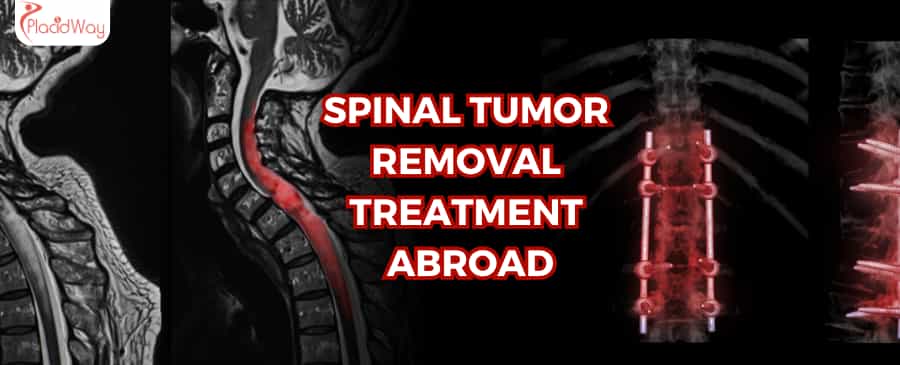
Finding Relief: Your Guide to Spinal Tumor Removal Surgery
A diagnosis of a spinal tumor can be overwhelming, bringing with it concerns about pain, mobility, and the future. Spinal tumors, whether benign or malignant, can cause significant neurological deficits and discomfort by compressing the spinal cord or nerves. While the thought of spinal tumor removal can be daunting, it's often the most effective path to alleviating symptoms, preserving nerve function, and improving quality of life.
This comprehensive guide is designed to empower you with knowledge about spinal tumor treatment. We'll explore the common signs, underlying causes, and various surgical approaches. For many, seeking advanced and affordable care leads them to consider spinal tumor surgery abroad. We'll delve into what makes medical tourism a viable option, including cost comparisons, country recommendations, and essential travel considerations. Our goal is to provide clarity and hope, helping you navigate your treatment journey with confidence.
What are the common symptoms of a spinal tumor?
Recognizing the symptoms of a spinal tumor is crucial for early diagnosis and intervention. While many people experience back pain, the pain associated with a spinal tumor often has distinct characteristics. It might be persistent, localized to the back or neck, and can radiate to other parts of the body, like the arms, legs, or chest, mimicking sciatica.
Other key indicators include:
- Numbness, tingling, or weakness: This can occur in the arms, legs, or chest, often on one side of the body, and may progressively worsen. It might feel like your limb is "falling asleep" but doesn't go away.
- Loss of sensation: Reduced sensitivity to pain, heat, or cold.
- Difficulty walking: Weakness in the legs can lead to stumbling or an unsteady gait.
- Muscle weakness or spasms: Muscles may feel heavy, or you might experience involuntary twitching.
- Bowel or bladder dysfunction: This is a serious symptom that can indicate significant compression of the spinal cord.
- Spinal deformity: In rare cases, especially in children, a tumor might cause scoliosis or other spinal curvature changes.
These symptoms tend to develop gradually and may intensify over time. If you or a loved one experiences a combination of these symptoms, especially if they are new or worsening, it's vital to seek medical evaluation promptly to determine the underlying cause.
What causes spinal tumors, and who is at risk?
Understanding the causes of spinal tumors is complex, as many cases have no clear explanation. However, they generally fall into two main categories:
- Primary Spinal Tumors: These originate directly within the spinal column or spinal cord itself. They are relatively rare and often result from unexplained genetic mutations. Examples include ependymomas, astrocytomas, and meningiomas.
- Metastatic Spinal Tumors: Far more common, these tumors develop when cancer from another part of the body spreads to the spine. Common primary cancers that metastasize to the spine include lung, breast, prostate, kidney, and thyroid cancers.
While the exact causes of tumors in the spine are often unknown, certain risk factors can increase an individual's susceptibility:
- Previous Cancer History: This is the most significant risk factor for metastatic spinal tumors.
- Genetic Syndromes: Certain inherited conditions, such as Neurofibromatosis 2 (NF2) and von Hippel-Lindau disease, increase the risk of developing benign spinal tumors.
- Exposure to Radiation: Though rare, previous radiation therapy, particularly at a young age, has been linked to an increased risk of certain tumor types.
It's important to remember that having a risk factor doesn't guarantee you'll develop a spinal tumor, and many people who develop them have no identifiable risk factors. Regular check-ups and prompt attention to new or persistent symptoms are always advisable.
What types of spinal tumor removal procedures are available?
The approach to spinal cord tumor surgery is highly individualized, depending on factors like tumor type, size, location, and the patient's overall health. The primary goal is often maximal safe resection – removing as much of the tumor as possible while preserving neurological function. Key spinal tumor removal techniques include:
- Laminectomy: This is a traditional open surgery where a section of the vertebral bone (lamina) is removed to access the tumor. It provides a wide view for the surgeon.
- Minimally Invasive Spinal Surgery (MISS): Utilizing small incisions, specialized instruments, and microscopic or endoscopic visualization, MISS can reduce blood loss, muscle damage, and recovery time. It's suitable for certain types and locations of tumors.
- Stereotactic Radiosurgery (SRS): Not a surgical removal, but an advanced form of radiation therapy that delivers highly focused radiation beams to destroy tumor cells while minimizing damage to surrounding healthy tissue. It's often used for tumors that are difficult to access surgically or for recurrent tumors.
- Embolization: A procedure to block the blood supply to the tumor, often performed before surgery to reduce bleeding, or sometimes as a standalone treatment for specific tumor types.
- Spinal Stabilization: In cases where tumor removal compromises spinal stability, fusion surgery or instrumentation (rods, screws) may be necessary to support the spine.
Often, spinal tumor removal is part of a multidisciplinary treatment plan that may include chemotherapy, external beam radiation therapy, or targeted therapies, particularly for malignant tumors or those that cannot be fully removed surgically.
Who is a good candidate for spinal tumor surgery?
The decision for spinal tumor surgery is carefully considered by a team of specialists, including neurosurgeons, oncologists, and radiation oncologists. While surgery is often the preferred option for many, it's not always the first or only line of treatment. Key factors determining if someone is a good candidate include:
- Neurological Deficits: Patients experiencing progressive weakness, numbness, loss of bowel/bladder control, or severe pain due to tumor compression are strong candidates. Surgery aims to relieve this pressure.
- Tumor Characteristics: The tumor's size, type (benign vs. malignant), location, and growth rate play a significant role. Benign tumors that are surgically accessible are often removed to prevent future problems.
- Overall Health: Patients need to be healthy enough to tolerate a major surgical procedure, including anesthesia. Pre-existing conditions are thoroughly evaluated.
- Quality of Life: If the tumor significantly impacts a patient's daily life and conservative treatments have failed, surgery may be recommended to improve functionality and reduce discomfort.
- Prognosis: For malignant tumors, surgery might be performed to debulk the tumor, stabilize the spine, or obtain a biopsy, even if a complete cure isn't possible, as part of a palliative approach.
Sometimes, non-surgical options like radiation therapy or close monitoring (for small, asymptomatic benign tumors) may be preferred. An in-depth consultation with a specialist is essential to determine the best course of action for each unique situation, ensuring the patient understands the potential benefits and risks.
What is the typical recovery process after spinal tumor removal?
The recovery after spinal surgery varies significantly depending on the complexity of the procedure, the tumor's location, the patient's age, and overall health. Generally, patients can expect:
- Immediate Post-Op (Hospital Stay): Typically, a hospital stay of 3 days to 2 weeks. Pain management will be a priority, often involving intravenous pain medication. Nurses will monitor vital signs, neurological function, and incision site. Early mobilization (sitting up, walking short distances) is encouraged under supervision.
- Rehabilitation: Physical therapy (PT) and sometimes occupational therapy (OT) usually begin in the hospital and continue after discharge. This is crucial for regaining strength, flexibility, balance, and learning proper body mechanics.
- At-Home Recovery: Once discharged, patients will continue their prescribed pain medication and PT exercises. Activities will be gradually increased, with restrictions on lifting, twisting, and strenuous activities for several weeks or months.
- Full Recovery: How long does it take to recover from spinal tumor surgery? It can range from several weeks to several months, or even up to a year for complete neurological recovery. Many patients report significant improvement in symptoms, though some residual weakness or numbness may persist. Follow-up appointments with the surgeon and ongoing rehabilitation are vital for optimal outcomes.
Patience and adherence to medical advice are key during this period. The recovery journey is a marathon, not a sprint, and gradual progress is the norm.
What are the potential risks and side effects of spinal tumor surgery?
While spinal tumor surgery offers significant benefits, it's important to be aware of the potential risks of spinal tumor surgery and side effects. An experienced surgical team will discuss these thoroughly before the procedure, as their occurrence varies based on individual factors and tumor characteristics.
Common risks include:
- Infection: At the incision site or within the spine, though antibiotics are used to prevent this.
- Bleeding: As with any surgery, there's a risk of excessive bleeding, which might require a blood transfusion.
- Nerve Damage: The most significant concern, potentially leading to increased weakness, numbness, paralysis, or loss of bowel/bladder control. Modern surgical techniques, including intraoperative neuromonitoring, aim to minimize this risk.
- Cerebrospinal Fluid (CSF) Leak: The dura mater (membrane surrounding the spinal cord) can be accidentally punctured, leading to a CSF leak, which usually heals but can sometimes cause headaches or require further intervention.
- Spinal Instability: Removal of bone or tissue might compromise spinal stability, potentially requiring additional stabilization procedures (e.g., fusion with rods and screws).
- Anesthesia Risks: Reactions to anesthesia, including respiratory or cardiac issues.
- Tumor Recurrence: Especially with malignant tumors, there's always a risk of the tumor growing back, even after successful removal.
While these risks exist, the benefits of relieving spinal cord compression often outweigh them, particularly when the tumor is causing severe symptoms or neurological compromise. Your surgeon will carefully weigh these factors to ensure the safest possible outcome.
How much does spinal tumor removal surgery cost worldwide?
The cost of spinal tumor surgery is a major factor for many patients, with prices varying dramatically across the globe. These costs typically include surgeon's fees, anesthesia, hospital stay, and basic post-operative care, but can exclude extensive rehabilitation or long-term medication.
Here's a general comparison of estimated costs for spinal tumor removal:
| Country | Estimated Cost Range (USD) | Notes |
|---|---|---|
| United States | $70,000 - $150,000+ | Highest costs, advanced technology, leading surgeons. |
| Western Europe (e.g., UK, Germany) | $40,000 - $100,000+ | High quality, but significant wait times in public systems. |
| Turkey | $20,000 - $45,000 | Modern facilities, experienced surgeons, competitive pricing. |
| India | $15,000 - $35,000 | Very affordable, internationally accredited hospitals, skilled doctors. |
| Mexico | $18,000 - $40,000 | Proximity for North Americans, quality facilities, often bilingual staff. |
| Thailand | $20,000 - $40,000 | Renowned for medical tourism, excellent patient care, modern hospitals. |
*Please note: These are estimated ranges and can fluctuate based on individual case complexity, hospital choice, and included services. Always request a personalized quote.
Why should I consider spinal tumor surgery abroad?
For many patients facing a spinal tumor diagnosis, exploring options abroad offers compelling advantages, making medical tourism for spine surgery a viable and attractive choice. Beyond the financial aspect, there are several reasons why individuals why travel for spinal surgery to international destinations:
- Significant Cost Savings: As highlighted in the cost comparison, the most common motivator is the potential for savings of 30% to 70% or more compared to prices in countries like the USA, Canada, or Western Europe, often without compromising on quality.
- Access to Specialized Expertise: Some countries boast world-renowned neurosurgeons who specialize in complex spinal tumor cases, offering an opportunity to be treated by leading experts.
- Reduced Wait Times: In many public healthcare systems, waiting lists for specialized surgeries can be long, causing delays that could worsen a patient's condition. Traveling abroad often allows for quicker access to treatment.
- Advanced Technology and Facilities: Many international hospitals catering to medical tourists are equipped with state-of-the-art diagnostic and surgical technology, often comparable to or exceeding those found in Western countries.
- Personalized Care and Experience: Medical tourism providers often offer comprehensive packages that include accommodation, transport, and dedicated patient facilitators, ensuring a smoother and less stressful experience.
The decision to seek spinal surgery abroad is a personal one, but the blend of affordability, expertise, and efficiency makes it an increasingly popular choice for those needing specialized care.
Which countries offer high-quality, affordable spinal tumor treatment?
When considering spinal tumor removal abroad, certain countries have established themselves as leaders in medical tourism, offering a compelling combination of quality, affordability, and patient support. These destinations are home to many of the best hospitals for spinal tumors:
- India: Renowned for its highly skilled neurosurgeons, JCI-accredited hospitals, and significantly lower costs. India offers cutting-edge medical technology and comprehensive care packages.
- Mexico: A popular choice for North American patients due to its proximity. Mexico boasts modern hospitals, often with U.S.-trained, English-speaking doctors, and competitive pricing.
- Turkey: Known for its investment in healthcare infrastructure, Turkey provides excellent medical services, particularly in Istanbul and Ankara. Hospitals are well-equipped, and surgeons are highly experienced, especially in complex neurosurgery.
- Thailand: A long-standing medical tourism hub, Thailand offers world-class facilities, exceptional hospitality, and high-quality medical care, often at a fraction of Western costs.
- South Korea: While potentially slightly pricier than other Asian options, South Korea is a leader in medical innovation and advanced surgical techniques, particularly in spine and neurological care. Their hospitals are state-of-the-art and highly efficient.
When choosing a country and facility, it's essential to look for international accreditations (like JCI), read patient testimonials, and confirm the surgeon's qualifications and experience in spinal tumor removal.
What should I know before traveling for spinal tumor removal surgery?
Embarking on a medical journey for spinal tumor treatment abroad requires careful planning and preparation to ensure a safe and successful experience. Here are key considerations:
- Thorough Research and Vetting: Your first step should be to how to choose a spinal surgeon abroad and facility. Look for hospitals with international accreditations (like JCI), read patient reviews, and verify the surgeon's credentials, experience in spinal tumor removal, and success rates.
- Pre-trip Consultations: Utilize virtual consultations with your chosen surgeon or medical team to discuss your diagnosis, treatment plan, expected outcomes, and address any concerns. Ensure all your medical records are accurately translated and shared.
- Logistics and Travel Planning:
- Visa and Passport: Confirm visa requirements for medical travel and ensure your passport is valid.
- Accommodation: Plan for appropriate accommodation that can cater to post-operative recovery needs, potentially for several weeks.
- Local Transport: Arrange for airport transfers and transportation to and from the hospital, especially after surgery.
- Travel Insurance: Invest in comprehensive medical travel insurance that covers emergency evacuation and medical complications abroad.
- Communication: Confirm that the medical staff and support team provide language support (e.g., English-speaking coordinators) to ensure clear communication.
- Aftercare and Rehabilitation: Understand the post-operative care plan and how rehabilitation will be managed both abroad and upon your return home. Discuss follow-up appointments and potential challenges.
- Financial Planning: Clarify all costs involved, including pre-operative tests, surgery, hospital stay, medications, and potential rehabilitation, to avoid hidden fees.
By meticulously planning these aspects, you can significantly enhance your safety, comfort, and the overall success of your spinal tumor surgery abroad journey. Organizations like PlacidWay can assist in coordinating many of these details, connecting you with reputable providers and ensuring a streamlined process.
Take the Next Step with PlacidWay
Ready to explore treatment options abroad? Discover top clinics, compare prices, and get a free quote tailored to your needs with PlacidWay.
Affordable Spine Surgery | Best Spine Surgery Abroad




.jpg)

.jpg)


Share this listing