
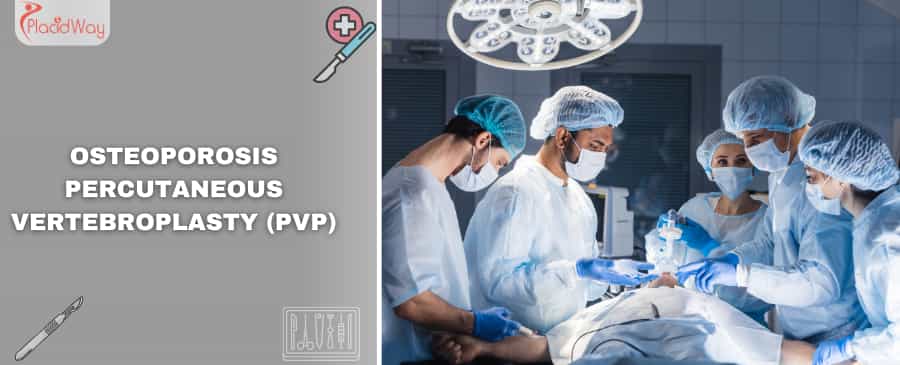
Reclaim Your Life: Understanding Percutaneous Vertebroplasty (PVP) for Osteoporosis Back Pain
Living with chronic back pain due to osteoporosis can be debilitating, stealing your independence and quality of life. If you've been diagnosed with a vertebral compression fracture (VCF) caused by weakened bones, you know the constant discomfort, the difficulty with everyday movements, and the frustration of not finding lasting relief. For many, traditional treatments may not be enough, leading to a search for more effective solutions.
This is where Percutaneous Vertebroplasty (PVP)comes in. PVP is a targeted, minimally invasive procedure designed to stabilize painful vertebral compression fractures, often providing rapid and significant pain relief. It's an option for individuals suffering from osteoporosis-related VCFs who haven't found solace through conservative management.
Imagine reducing your severe back pain, regaining your ability to stand, walk, and participate in daily activities without constant agony. This guide will walk you through everything you need to know about vertebroplasty for osteoporosis, from its causes and symptoms to the procedure itself, recovery, and even how medical tourism can open doors to high-quality, affordable treatment options globally. If you're searching for "vertebral fracture treatment," "osteoporosis back pain relief," or "spinal cement procedure," you've come to the right place to find comprehensive answers and empower your health journey.
What are the common symptoms of an osteoporotic vertebral compression fracture?
Vertebral compression fractures (VCFs) often manifest with distinct and distressing symptoms that significantly impact a patient's life. Recognizing these signs early is crucial for timely intervention:
- Sudden, Severe Back Pain: This is the most common symptom. The pain often begins abruptly and is localized to the area of the fracture, typically in the mid or lower back. It can be sharp, aching, or throbbing.
- Pain Worsens with Movement: Activities like standing, walking, bending, or twisting can intensify the pain, while lying down might provide some relief.
- Loss of Height: Multiple compression fractures can cause a gradual loss of height over time as the vertebrae collapse.
- Development of a Hunched Posture (Kyphosis): Often referred to as a "dowager's hump," this rounded upper back posture can result from several collapsed vertebrae.
- Reduced Spinal Mobility: Patients may find it difficult to bend or twist their back, and general flexibility can decrease.
- Neurological Symptoms (Rare): While less common, severe compression can sometimes lead to nerve irritation or compression, resulting in numbness, tingling, or weakness in the legs.
- Difficulty with Daily Activities: Basic tasks like dressing, reaching for objects, or even breathing deeply can become challenging and painful.
If you experience any of these symptoms, especially if you have osteoporosis, it's vital to consult a doctor for proper diagnosis and to explore effective "osteoporosis back pain treatment" options.
What causes vertebral compression fractures and who is at risk?
The primary cause of vertebral compression fractures, especially those treated with PVP, is osteoporosis. This condition leads to significantly reduced bone density, making bones fragile and susceptible to fractures even from minor stress that wouldn't affect healthy bones. Here's a closer look at the causes and risk factors:
Primary Cause: Osteoporosis
Osteoporosis literally means "porous bone." It's a disease where the body loses too much bone, makes too little bone, or both. As bones become less dense, they become weaker and more likely to break. In the spine, this means the vertebrae can collapse under normal spinal load, leading to a compression fracture. These fractures can occur from simple actions like coughing, sneezing, bending over, or lifting light objects, often without significant trauma.
Key Risk Factors:
- Age: Bone density naturally decreases with age, making older adults more vulnerable.
- Gender: Women, especially after menopause due to estrogen decline, are at higher risk than men.
- Genetics: A family history of osteoporosis or fractures increases your risk.
- Low Bone Mineral Density (BMD): A T-score of -2.5 or lower on a DEXA scan indicates osteoporosis.
- Medical Conditions: Certain conditions like rheumatoid arthritis, celiac disease, inflammatory bowel disease, kidney disease, or hyperparathyroidism can weaken bones.
- Medications: Long-term use of corticosteroids (e.g., prednisone), some anti-seizure drugs, proton pump inhibitors, and certain cancer treatments can contribute to bone loss.
- Lifestyle Factors:
- Smoking: Nicotine can hinder bone formation.
- Excessive Alcohol Consumption: Can interfere with calcium absorption and bone health.
- Sedentary Lifestyle: Lack of weight-bearing exercise weakens bones.
- Nutritional Deficiencies: Insufficient calcium and Vitamin D intake.
- Previous Fractures: Having one osteoporotic fracture significantly increases the risk of future fractures.
Understanding these factors is critical for prevention and for identifying individuals who may benefit from "osteoporosis fracture treatment" like vertebroplasty.
How does Percutaneous Vertebroplasty (PVP) work to relieve back pain?
Percutaneous Vertebroplasty is a minimally invasive procedure specifically designed to address the pain caused by vertebral compression fractures. Here’s a step-by-step breakdown of how it works:
The "Internal Cast" for Your Spine
Think of PVP as applying an "internal cast" to your fractured vertebra. Just as a cast stabilizes a broken arm, the bone cement stabilizes the fractured bone in your spine.
- Preparation: You'll typically lie on your stomach. Local anesthesia is applied to numb the skin, and sometimes mild sedation is given to help you relax.
- Precision Guidance: Using advanced imaging techniques like fluoroscopy (a real-time X-ray), the doctor carefully guides a hollow needle through a small incision (just a few millimeters) in your back, directly into the fractured vertebra.
- Cement Injection: A special medical-grade bone cement (polymethylmethacrylate, or PMMA) is slowly injected through the needle into the collapsed vertebral body. This cement is initially a thick liquid.
- Stabilization: The cement quickly hardens, typically within minutes. As it hardens, it fills the cracks and voids within the fractured bone, effectively stabilizing the vertebra and preventing further collapse.
- Pain Relief: The stabilization of the fracture is the key to pain relief. By immobilizing the painful fracture fragments, the constant irritation and micro-motion that cause severe pain are eliminated. Many patients report significant pain reduction almost immediately or within a few days after the procedure.
The entire "spinal cement injection" procedure usually takes about an hour per vertebra. Unlike kyphoplasty, which uses balloons to create a cavity before cement injection, vertebroplasty directly injects the cement into the fractured bone, making it a simpler, quicker procedure for appropriate cases. It's an effective "vertebral fracture stabilization" technique.
Who is an ideal candidate for Percutaneous Vertebroplasty?
While PVP offers substantial relief, it's not suitable for everyone. A thorough evaluation by a spine specialist is essential to determine if you are an appropriate candidate for this "vertebral fracture repair" procedure. Generally, ideal candidates meet the following criteria:
- Diagnosis of Osteoporosis-Related Vertebral Compression Fracture: The primary condition for which PVP is indicated.
- Persistent, Severe Back Pain: The pain must be directly attributable to the compression fracture and not caused by other spinal issues (e.g., disc herniation, spinal stenosis).
- Recent Fracture: PVP is most effective for fractures that are relatively new, typically less than 6 months old. Chronic, old fractures that have already healed or stabilized are less likely to benefit from cement injection.
- Failure of Conservative Treatment: Patients should have tried and failed to get adequate pain relief from non-surgical methods such as bed rest, pain medications, physical therapy, and bracing for several weeks.
- No Neurological Deficits: PVP is primarily for pain relief and stabilization, not for treating nerve compression or spinal cord injury. If there are signs of neurological compromise (e.g., severe weakness, numbness), other surgical interventions might be more appropriate.
- Good General Health: Patients should be healthy enough to undergo a minimally invasive procedure, with no severe bleeding disorders or active infections.
- Imaging Confirmation: MRI or CT scans must clearly show a fresh vertebral compression fracture. Bone scans can also help confirm the age of the fracture.
Contraindications might include uncorrectable bleeding disorders, active infection, or significant neurological deficits. Discussing your specific situation and medical history with your doctor is paramount to assess your eligibility for this "spinal fracture treatment."
What are the expected recovery time and post-procedure care for Vertebroplasty?
One of the significant advantages of Percutaneous Vertebroplasty is its relatively quick recovery period compared to traditional open spine surgery. Here’s what you can generally expect:
- Immediate Post-Procedure:
- You'll typically be monitored for a few hours in a recovery room.
- Most patients can go home the same day.
- Some immediate pain relief is common due to the stabilization of the fracture.
- First Few Days (0-3 days):
- You might experience some mild soreness at the injection site, easily managed with over-the-counter pain relievers.
- Significant reduction in the original fracture pain is often reported within 24-48 hours.
- You'll be encouraged to gradually increase your activity levels, avoiding heavy lifting or strenuous activities.
- Weeks 1-2:
- Most patients can resume light daily activities and return to work (if non-strenuous).
- Continue to avoid heavy lifting and vigorous exercise.
- Your doctor may recommend gentle physical therapy to strengthen core muscles and improve posture.
- Long-Term (Beyond 2 weeks):
- Many patients achieve substantial pain relief and improved mobility.
- The focus shifts to managing the underlying osteoporosis to prevent future fractures. This includes diet, exercise, and possibly medication.
- Regular follow-ups with your doctor are important to monitor your bone health.
Remember, while the "vertebroplasty recovery" is generally quick, it's crucial to follow your doctor's specific instructions for a smooth and effective outcome. This minimally invasive "spinal fracture healing" approach significantly improves quality of life.
What are the potential risks and side effects of Vertebroplasty?
Like any medical procedure, Percutaneous Vertebroplasty carries potential risks, though serious complications are rare. It's important to discuss these thoroughly with your healthcare provider before undergoing the "vertebroplasty procedure."
Common and Minor Risks:
- Temporary Increase in Pain: Some patients may experience a temporary increase in back pain at the injection site, usually resolving within a few days.
- Cement Leakage: This is the most common complication, but it's usually asymptomatic. Small amounts of cement may leak outside the vertebral body into surrounding soft tissues or veins. Rarely, if the leakage is significant or into critical areas, it can cause problems.
- Bleeding or Bruising: At the needle insertion site.
Rare but More Serious Risks:
- Infection: As with any invasive procedure, there's a small risk of infection at the injection site or within the vertebra.
- Nerve Root or Spinal Cord Compression: If cement leaks into the spinal canal or if the needle accidentally damages a nerve, it can cause pain, numbness, weakness, or even paralysis (extremely rare).
- Pulmonary Embolism: If cement leaks into a vein and travels to the lungs (very rare, potentially serious).
- Rib Fracture: Very rarely, a rib might be fractured during needle placement.
- Allergic Reaction: To anesthetic, cement components, or contrast dye.
- Fracture of an Adjacent Vertebra: Some studies suggest a slight increase in the risk of new fractures in vertebrae adjacent to the treated one, though this is debated and often linked to the progression of underlying osteoporosis.
Your doctor will carefully weigh these "vertebroplasty risks and complications" against the potential benefits of pain relief and improved quality of life. The experience of the interventional radiologist or neurosurgeon performing the procedure is a key factor in minimizing these risks.
How does the cost of Vertebroplasty vary across different countries?
The cost of Percutaneous Vertebroplasty can be a significant factor for many patients, especially those facing high deductibles or limited insurance coverage in their home countries. Medical tourism offers a compelling alternative due to vast price discrepancies globally. Here's a general comparison:
Average Cost Comparison Table for Vertebroplasty (USD)
| Country | Estimated Cost Range (USD) | Notes |
|---|---|---|
| United States | $8,000 - $15,000+ | Highly variable based on facility, location, and insurance. |
| Canada | $7,000 - $12,000+ | Primarily covered by public healthcare, but private options exist. |
| United Kingdom | $6,000 - $10,000+ | NHS covers most, but private treatment is an option. |
| Mexico | $2,500 - $5,000 | Popular for US patients due to proximity and cost. |
| India | $2,000 - $4,500 | Known for high-quality, accredited hospitals and skilled doctors. |
| Thailand | $3,000 - $6,000 | Combines advanced medical care with a pleasant recovery environment. |
| Turkey | $3,500 - $7,000 | Emerging medical tourism hub with modern facilities. |
*Prices are estimates and can vary based on the clinic, doctor's fees, number of vertebrae treated, specific materials used, and inclusion of pre/post-op care or accommodation. Always request a detailed quote.
These figures highlight why "affordable vertebroplasty overseas" is a growing trend, allowing patients to access necessary "vertebral fracture treatment cost" at a fraction of Western prices.
Why should I consider medical tourism for Osteoporosis Vertebroplasty?
For many patients suffering from painful osteoporotic vertebral compression fractures, the decision to seek treatment abroad through medical tourism is driven by a combination of compelling factors:
- Significant Cost Savings: As seen in the table above, the primary driver for "medical tourism for vertebroplasty" is often the substantial cost reduction compared to Western countries. This makes life-changing procedures accessible to those with inadequate insurance or high out-of-pocket expenses.
- Access to High-Quality Care: Many medical tourism destinations boast state-of-the-art hospitals, accredited by international bodies like the Joint Commission International (JCI), equipped with advanced technology and staffed by internationally trained, highly experienced spine specialists.
- Reduced Wait Times: In countries with universal healthcare systems, patients can often face long waiting lists for non-emergency procedures. Traveling abroad can provide immediate access to necessary treatment, preventing prolonged pain and disability.
- Expert Specialists: International medical centers often attract world-renowned surgeons and interventional radiologists who specialize in "minimally invasive spine procedures" like vertebroplasty, offering a high level of expertise.
- Privacy and Discretion: Some patients prefer to recover away from home, combining their treatment with a private recuperation period in a different environment.
- Comprehensive Packages: Many clinics abroad offer all-inclusive packages that cover the procedure, hospital stay, local transportation, and sometimes even accommodation, simplifying the planning process for international patients.
Considering "overseas vertebroplasty" can transform a debilitating condition into a manageable one, providing not just pain relief but also financial relief and a chance to regain your independence.
What can I expect when planning to travel abroad for Vertebroplasty treatment?
Embarking on a medical journey abroad can seem daunting, but with proper planning, it can be a smooth and rewarding experience. Here's a breakdown of what to expect:
Before You Travel:
- Initial Consultation & Medical Records Review: You'll typically send your medical history, imaging (X-rays, MRI, CT scans), and reports to the international clinic for review. Many clinics offer virtual consultations with their specialists.
- Treatment Plan & Quote: Based on the review, the clinic will provide a personalized treatment plan, including the recommended procedure (PVP), estimated costs, duration of stay, and pre/post-operative care instructions.
- Travel Logistics:
- Visa: Check if you need a visa for your chosen destination and apply well in advance.
- Flights: Book round-trip tickets, considering your recovery period.
- Accommodation: Many clinics assist with booking hotels or serviced apartments, often close to the hospital.
- Local Transportation: Inquire about airport pick-up and transportation to/from the clinic.
- Financial Planning: Ensure all payment arrangements are clear, and have a contingency fund for unexpected expenses.
- Companion: Consider traveling with a companion for support during your "international medical travel for spine" procedure.
During Your Stay:
- Arrival and Transfers: You'll likely be met at the airport and transferred to your accommodation or the clinic.
- Pre-Procedure Tests: On arrival, you'll undergo any necessary blood tests, physical examinations, and final consultations with your surgeon.
- The Procedure: Percutaneous Vertebroplasty is typically an outpatient or overnight stay procedure.
- Recovery and Follow-up: You'll have post-operative check-ups. Given the minimal invasiveness of PVP, the hospital stay is short, and recovery is relatively fast. You'll receive clear instructions for wound care and activity levels.
- Tourism/Leisure (Optional): If your recovery allows, you might enjoy some local culture or sights before returning home.
Returning Home:
- Medical Reports: You'll receive detailed medical reports to share with your local doctor.
- Follow-up Care: Discuss ongoing care with your local physician and the overseas clinic.
Many reputable medical tourism facilitators, like PlacidWay, can assist with all these arrangements, making your "vertebroplasty journey abroad" seamless and stress-free.
How do I choose the best international destination and clinic for Vertebroplasty?
Selecting the right destination and clinic is crucial for a successful medical tourism experience. Here's how to navigate the choices and ensure you receive top-tier care for your "osteoporosis spine treatment abroad":
Key Factors for Destination and Clinic Selection:
- Accreditation and Certification:
- Look for international accreditations such as Joint Commission International (JCI) or similar reputable bodies. This signifies that the hospital meets stringent global standards for patient safety and quality of care.
- Verify that the medical professionals (interventional radiologists or neurosurgeons) are board-certified and have extensive experience specifically with Percutaneous Vertebroplasty.
- Specialization and Experience:
- Choose clinics or hospitals that have a dedicated spine center or a strong track record in performing high volumes of vertebroplasty procedures for osteoporosis.
- Inquire about the surgeon's specific experience and success rates with PVP.
- Technology and Facilities:
- Ensure the clinic uses modern imaging technology (fluoroscopy, C-arm) for precise needle placement and has state-of-the-art operating theaters.
- Check for comprehensive pre-operative assessment and post-operative care facilities.
- Transparent Pricing and Inclusions:
- Request a detailed, all-inclusive quote that clearly outlines what is covered (procedure fees, hospital stay, surgeon's fees, anesthesia, medications, follow-up).
- Be wary of exceptionally low prices that might hide additional costs.
- Patient Testimonials and Reviews:
- Seek out "vertebroplasty patient reviews" and success stories from previous international patients. Online forums, trusted medical tourism platforms, and clinic websites can be good sources.
- PlacidWay, for instance, provides access to verified patient testimonials and comparisons.
- Language and Communication:
- Ensure the medical staff, especially your primary surgeon and nurses, can communicate effectively in English or your preferred language. Many international hospitals have dedicated patient coordinators fluent in multiple languages.
- Support Services:
- A good clinic or facilitator will offer comprehensive support, including assistance with medical records, travel arrangements, accommodation, visa applications, and local transfers.
- Destination Safety and Appeal:
- Consider the political stability, safety, and general comfort of the country you're traveling to. Some patients prefer destinations that also offer opportunities for cultural exploration or a relaxing recovery environment.
By carefully evaluating these factors, you can make an informed decision and confidently pursue effective "spine pain relief abroad" for your osteoporotic vertebral compression fracture.
Take the Next Step with PlacidWay
Ready to explore treatment options abroad? Discover top clinics, compare prices, and get a free quote tailored to your needs with PlacidWay.
Affordable Spine Surgery | Best Spine Surgery Abroad

.jpg)

.jpg)


Share this listing