
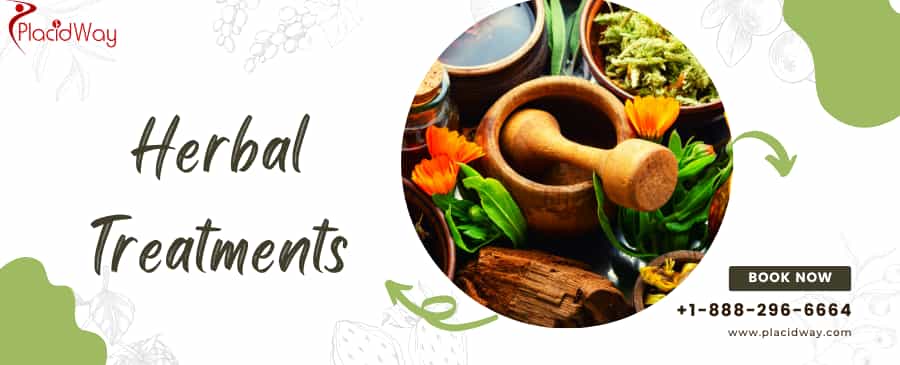
Natural Healing: Discover Herbal Treatments Abroad
In a world increasingly seeking natural and holistic approaches to health, herbal treatments stand out as a time-honored path to wellness. These therapies, rooted in ancient traditions and modern research, harness the power of plants to support the body's healing processes. From soothing stress to addressing chronic conditions, herbal medicine offers a gentle yet profound way to restore balance.
But what if the best herbal remedies or expert practitioners aren't readily available or affordable in your home country? This is where the exciting world of medical tourism steps in, opening doors to a global tapestry of healing. Imagine combining a rejuvenating journey with access to world-renowned herbalists and unique natural healing environments.
Herbal treatments involve using botanicals for medicinal purposes, often drawing from systems like Traditional Chinese Medicine (TCM), Ayurveda, or indigenous practices. They work by providing the body with natural compounds that can influence physiological processes, reduce inflammation, boost immunity, and support overall well-being. This guide will explore the fascinating realm of herbal treatments, how they work, their benefits, and why medical tourism is an increasingly popular choice for those seeking these natural therapies.
What are Herbal Treatments and How Do They Work?
Herbal treatments, also known as botanical medicine or phytomedicine, refer to the practice of using plants and plant extracts for their medicinal value. This ancient healing art is the foundation of traditional medical systems across the globe, including Traditional Chinese Medicine (TCM), Ayurveda from India, and various indigenous healing practices. Unlike conventional pharmaceutical drugs that often isolate and synthesize a single active compound, herbal medicine typically uses whole plant extracts or combinations, believing that the synergy of multiple compounds provides a more balanced and effective therapeutic effect.
The mechanisms by which herbal treatments work are diverse and complex. Plants contain a vast array of bioactive compounds, such as alkaloids, flavonoids, terpenes, saponins, and glycosides, each with unique properties. These compounds can interact with the body's systems in various ways: by acting as anti-inflammatories (e.g., turmeric), antioxidants (e.g., green tea), antimicrobials (e.g., garlic), adaptogens (e.g., ginseng), or even by influencing hormone production and neurotransmitter activity. For example, ginger is widely used for its anti-nausea and anti-inflammatory properties, while chamomile is known for its calming effects, attributed to compounds like apigenin.
A consultation with a trained herbalist typically involves a holistic assessment, considering not just physical symptoms but also lifestyle, diet, and emotional well-being. Based on this, a personalized herbal formula might be prescribed, often in the form of teas, tinctures, capsules, poultices, or essential oils. The goal is to address the root cause of an imbalance rather than merely suppressing symptoms, promoting the body's innate ability to heal and maintain health.
What Conditions Can Herbal Medicine Help Treat?
Herbal medicine is applied to a broad spectrum of health concerns, reflecting its holistic nature. It's often sought for chronic conditions where conventional medicine might offer symptom management but not a complete resolution, or for those preferring a more natural approach. Common conditions treated include:
- Digestive Issues: Irritable bowel syndrome (IBS), indigestion, constipation, and bloating (e.g., peppermint, fennel, slippery elm).
- Stress, Anxiety, and Insomnia: Promoting relaxation and better sleep (e.g., valerian, passionflower, chamomile, lavender).
- Inflammatory Conditions: Arthritis, joint pain, and muscle soreness (e.g., turmeric, ginger, Boswellia).
- Immune Support: Boosting the body's defenses against colds, flu, and infections (e.g., echinacea, elderberry, astragalus).
- Skin Conditions: Eczema, acne, and psoriasis (e.g., calendula, tea tree oil, aloe vera).
- Women's Health: Menstrual irregularities, menopausal symptoms, and fertility support (e.g., chaste tree berry, black cohosh).
- Cardiovascular Health: Supporting heart function and blood pressure regulation (e.g., hawthorn, garlic).
For example, someone struggling with chronic stress might be prescribed an adaptogenic blend containing Ashwagandha, an herb known to help the body adapt to stress and promote mental calm. A patient with recurring digestive discomfort might receive a combination of carminative herbs like peppermint and anti-inflammatory botanicals to soothe the gut lining. The key is the individualized approach, where a practitioner tailors the treatment to the specific needs and constitutional type of the patient.
Are Herbal Treatments Safe and Effective?
The safety and efficacy of herbal treatments are subjects of ongoing research and vary widely depending on the herb, the condition, and the individual. Historically, millions have relied on herbal medicine for millennia, attesting to its perceived effectiveness. Modern scientific studies are increasingly validating the therapeutic properties of many traditional herbs, identifying active compounds and understanding their biological pathways. For instance, the anti-inflammatory properties of curcumin (from turmeric) are well-documented, and St. John's Wort has shown efficacy for mild to moderate depression in some studies.
However, "natural" does not always equate to "safe." Potential risks include:
- Interactions: Herbs can interact with prescription medications, potentially enhancing or diminishing their effects. For example, St. John's Wort can reduce the effectiveness of birth control and anticoagulants.
- Adverse Effects: Some herbs can cause side effects, especially at high doses or in sensitive individuals (e.g., liver toxicity with kava if not prepared correctly or abused).
- Quality Control: The purity, potency, and contamination of herbal products can vary significantly due to lack of stringent regulation in some areas. Adulteration with conventional drugs or toxic substances is a serious concern.
- Misdiagnosis/Delay in Treatment: Relying solely on herbal treatments for serious conditions without proper medical diagnosis can delay effective conventional care.
To ensure safety and maximize efficacy, it is crucial to consult with a qualified and experienced herbal practitioner, especially if you are pregnant, breastfeeding, or taking other medications. Reputable practitioners will source high-quality herbs, provide clear dosage instructions, and monitor your progress. It's also vital to inform your conventional medical doctor about any herbal treatments you are undergoing to avoid potential interactions.
What Are the Different Types of Herbal Treatments Available?
Herbal treatments are delivered in numerous forms, each designed to optimize the absorption and application of the plant's medicinal properties. The type of treatment often depends on the specific herb, the condition being treated, and the tradition it originates from. Here are some common types:
- Herbal Teas (Infusions/Decoctions): One of the simplest and most traditional forms. Infusions are made by steeping delicate plant parts (leaves, flowers) in hot water, while decoctions involve simmering harder parts (roots, bark) to extract their compounds. Examples include chamomile tea for relaxation or ginger tea for digestion.
- Tinctures: Concentrated liquid extracts made by soaking herbs in alcohol or apple cider vinegar. Tinctures are potent and easily absorbed, usually taken by the drop. Valerian tincture for sleep is a classic example.
- Capsules/Tablets: Dried, powdered herbs or concentrated extracts encased in a capsule or pressed into a tablet. This form offers convenience and precise dosing, popular for supplements like turmeric or Ashwagandha.
- Extracts (Liquid/Solid): Highly concentrated forms of herbal compounds, often standardized to contain a specific amount of an active ingredient. These can be more potent than raw herbs.
- Essential Oils: Volatile aromatic compounds extracted from plants, used in aromatherapy, diffused, or diluted and applied topically. Lavender essential oil for relaxation or tea tree oil for antiseptic properties are common.
- Poultices and Compresses: External applications where crushed herbs (poultice) or cloths soaked in herbal infusions (compress) are applied directly to the skin to treat wounds, inflammation, or muscle aches. Aloe vera gel for burns is a common example.
- Balms, Salves, and Ointments: Herbal extracts infused into a fatty base (like beeswax or oil) for topical application, providing localized relief for skin conditions, muscle pain, or minor injuries (e.g., arnica balm).
Beyond these physical forms, the "type" of herbal treatment can also refer to the medical system it adheres to. For instance, Ayurvedic practitioners might prescribe specific herbal powders (churna) or medicated oils (taila) based on dosha imbalances, while TCM might involve complex formulas of multiple herbs brewed into a decoction (tang) to restore qi flow and organ balance. Each system has a unique diagnostic approach and a vast materia medica of herbs.
Who is a Good Candidate for Herbal Medicine?
Herbal medicine appeals to a wide range of individuals, but certain characteristics make someone a particularly good candidate. Generally, it suits those who are:
- Seeking Holistic Care: Individuals who prefer to address the root causes of their health issues rather than just managing symptoms, and who value an approach that considers their mind, body, and spirit.
- Experiencing Chronic Conditions: Many turn to herbal medicine for ongoing conditions like digestive disorders, chronic pain, anxiety, or skin issues, where conventional treatments may have limitations or undesirable side effects.
- Interested in Preventive Wellness: Those who want to strengthen their immune system, improve vitality, or maintain overall health through natural means.
- Open to Lifestyle Changes: Herbal treatments often come with recommendations for dietary adjustments, stress management, and other lifestyle modifications, which good candidates are willing to embrace.
- Sensitive to Conventional Medications: People who experience significant side effects from pharmaceutical drugs may find gentler alternatives in herbal remedies.
- Seeking Adjunctive Therapy: Individuals looking to complement their conventional medical treatments, under the guidance of both their doctor and an herbalist, to enhance healing or mitigate side effects.
However, herbal medicine may not be suitable for everyone. Individuals with acute, severe, or life-threatening conditions may require immediate conventional medical intervention. Pregnant or breastfeeding women, young children, and individuals with complex medical histories or those on multiple prescription medications should always seek expert advice from both their physician and a qualified herbalist to avoid risks and ensure safe integration of treatments.
Why Choose Medical Tourism for Herbal Treatments?
Choosing medical tourism for herbal treatments is becoming increasingly popular for several compelling reasons, particularly for those in countries where traditional herbal medicine is less integrated into mainstream healthcare or is prohibitively expensive. It offers a unique blend of health benefits and travel advantages.
One primary draw is access to specialized expertise and authentic traditional practices. Countries like India (Ayurveda), China (TCM), Thailand, and certain regions in South America boast centuries-old traditions of herbal medicine, with highly experienced practitioners who have often inherited knowledge through generations. Patients can access renowned clinics and hospitals dedicated to these ancient healing arts, receiving treatments that may not be available or as comprehensive in their home country. For example, a specialized Ayurvedic retreat in Kerala, India, might offer a deep detoxification and rejuvenation program (Panchakarma) that is impossible to replicate elsewhere.
Secondly, cost savings are a significant factor. The price of consultations, herbal remedies, and treatment packages can be considerably lower abroad compared to Western nations. This affordability often allows patients to undergo more extensive or prolonged courses of treatment than they could otherwise afford. Beyond cost, medical tourism for herbal treatments often provides a holistic wellness experience, combining therapies with a relaxing environment, healthy food, and cultural immersion, turning a medical trip into a genuine healing journey.
How Can Medical Tourism Make Herbal Treatments More Accessible?
Medical tourism significantly broadens the accessibility of herbal treatments in several ways, making them a viable option for a wider global audience. Beyond the direct financial savings, it addresses various barriers that might prevent individuals from pursuing these therapies in their home countries.
For many, particularly in Western nations, integrated herbal medicine practices are not covered by health insurance, making them an out-of-pocket expense. When these costs are combined with high consultation fees and expensive herbal preparations, they can quickly become prohibitive. Medical tourism offers a solution by providing competitive pricing for high-quality treatments in countries where traditional medicine is more integrated and thus more affordable. This cost-effectiveness means that patients can afford not only the initial consultation but also follow-up treatments, specialized tests, and a wider range of herbal formulations.
Furthermore, medical tourism provides access to a diversity of treatment approaches. If a patient is specifically looking for, say, Amazonian plant medicine or a specific branch of Tibetan herbalism, these might only be authentically available in certain regions. Travel allows patients to seek out these niche areas of expertise. It also helps bypass potential long wait times that can occur for popular alternative therapies in some domestic healthcare systems. By traveling, patients can often schedule appointments and begin their treatment much more quickly, leading to faster relief and recovery.
What Should I Consider When Choosing an Overseas Clinic for Herbal Therapy?
Selecting the right overseas clinic for herbal therapy is crucial for a successful medical tourism journey. Careful consideration of several factors will help ensure you receive safe, effective, and ethical care:
- Practitioner Qualifications and Experience: Verify the credentials of the herbalists. Are they licensed? What traditional medical system do they practice (e.g., Ayurvedic Vaidya, TCM Doctor)? How many years of experience do they have? Are they reputable within their field?
- Clinic Accreditation and Standards: Look for clinics that are accredited by recognized national or international bodies for traditional medicine. This indicates adherence to quality and safety standards. Check for hygiene practices and proper handling of herbal products.
- Patient Reviews and Testimonials: Seek out reviews from previous international patients. Websites like PlacidWay often provide verified testimonials that offer insight into patient experiences regarding treatment efficacy, staff professionalism, and overall satisfaction.
- Communication and Language Support: Ensure there will be no language barrier. Does the clinic offer English-speaking staff or translation services? Clear communication is essential for accurate diagnosis and understanding treatment plans.
- Cost Transparency and Inclusions: Get a detailed breakdown of costs, including consultations, herbal remedies, follow-up care, accommodation, and any additional services. Understand what is and isn't included in package deals.
- Integration with Conventional Medicine: If you are also receiving conventional treatment, inquire if the clinic's practitioners are willing to coordinate with your doctors back home or if they have medical doctors on staff.
- Logistical Support: Evaluate if the clinic or a medical tourism facilitator (like PlacidWay) offers assistance with travel arrangements, visas, airport transfers, and local accommodation, which can greatly ease your journey.
For example, if you're seeking Ayurvedic treatment, you might look for clinics in Kerala, India, known for their authentic Panchakarma therapies. You'd check if their Vaidyas (Ayurvedic doctors) have recognized degrees, and if the facility follows traditional preparation methods for its oils and herbal remedies, ensuring the authenticity and potency of your treatment.
What is the Cost of Herbal Treatments Worldwide?
The cost of herbal treatments can vary dramatically based on the country, the complexity of the condition, the type of herbal system, and the duration of treatment. While it's difficult to provide exact figures due to personalization, here's a general overview and a comparative table:
In Western countries, a single consultation with a qualified herbalist might range from $100-$300, with herbal formulations costing an additional $50-$150 per month. Comprehensive treatment plans or retreats can easily run into several thousands of dollars, often not covered by insurance. In contrast, countries with rich traditions of herbal medicine typically offer treatments at a fraction of these prices, making extensive and prolonged care much more accessible.
For instance, an Ayurvedic consultation in India might cost $20-$50, with herbal medicines for a month costing $30-$80. A two-week Panchakarma (detoxification) program, including accommodation, food, daily treatments, and consultations, could range from $1,500-$4,000, which would be significantly higher in Europe or North America. Similarly, Traditional Chinese Medicine (TCM) in China might offer consultations for $15-$40, with herbal prescriptions costing $20-$70 per week. These lower costs do not necessarily reflect lower quality but rather differences in economic structures, labor costs, and governmental support for traditional medicine.
| Treatment Type (Example) | Country (High Cost) | Estimated Cost Range (USD) | Country (Low Cost) | Estimated Cost Range (USD) |
|---|---|---|---|---|
| Herbalist Consultation (Initial) | USA, UK, Australia | $100 - $300 | India, China, Thailand | $20 - $70 |
| Monthly Herbal Prescription | USA, UK, Australia | $50 - $150 | India, China, Thailand | $30 - $100 |
| 7-Day Comprehensive Ayurvedic Retreat (e.g., Panchakarma) | Europe, USA | $4,000 - $10,000+ | India, Sri Lanka | $1,000 - $3,500 |
| TCM Acupuncture + Herbal Formula (per session) | USA, Canada | $120 - $250 | China, Vietnam | $40 - $100 |
*Costs are estimates and can vary based on clinic reputation, specific treatment duration, and individual needs. Travel and accommodation costs are separate.
How to Prepare for Your Herbal Treatment Journey Abroad?
Embarking on a medical tourism journey for herbal treatments requires thoughtful preparation to ensure a smooth and beneficial experience. Here are key steps:
- Thorough Research: Beyond just choosing a country, deep-dive into specific clinics and practitioners. Read reviews, check their websites, and understand their philosophy and approach to herbal medicine. Partnering with a medical tourism facilitator like PlacidWay can streamline this process, providing vetted options.
- Medical Consultation and Records: Before you leave, consult your local doctor. Inform them of your plans and ask if they foresee any issues with herbal treatments or interactions with your current medications. Gather copies of your medical records, test results, and a list of all current medications (prescription and over-the-counter).
- Travel Documents and Logistics: Ensure your passport is valid and apply for any necessary visas well in advance. Book flights and accommodation. Consider travel insurance that covers medical emergencies and trip cancellations. Arrange for airport transfers to and from the clinic.
- Budgeting: Beyond treatment costs, factor in airfare, accommodation, food, local transportation, travel insurance, and incidental expenses. Have a clear understanding of payment methods accepted by the clinic.
- Cultural Awareness: Research the local culture, customs, and etiquette of your destination. Learning a few basic phrases in the local language can also be very helpful and appreciated.
- Packing Essentials: Pack comfortable clothing suitable for the climate and any treatments (e.g., loose clothing for massages). Include any personal hygiene items and a small first-aid kit. Bring a journal to document your journey and reflections.
- Mental and Emotional Preparation: Approach the journey with an open mind and realistic expectations. Herbal treatments often require patience and commitment, and the healing process can be deeply transformative. Be prepared for a different cultural experience and a potentially slower pace of life.
Can Herbal Treatments Be Combined with Conventional Medicine Abroad?
The integration of herbal treatments with conventional medicine is a growing trend, both at home and abroad. Many patients seek a "best of both worlds" approach, leveraging the diagnostic capabilities and acute care of modern medicine alongside the holistic and balancing effects of herbal therapies. In the context of medical tourism, this is definitely possible, and even encouraged in many progressive clinics, particularly in countries with strong traditions in both medical systems.
Many overseas hospitals and wellness centers now offer integrative medicine programs, where conventional doctors and traditional herbalists work collaboratively. For example, a cancer patient might undergo chemotherapy in a modern hospital and simultaneously receive supportive herbal treatments in an affiliated traditional medicine department to manage side effects, boost immunity, and improve quality of life. In India, some Ayurvedic hospitals have conventional doctors on staff to provide a more comprehensive approach.
However, successful integration hinges on open communication and careful management. It is absolutely essential to:
- Inform All Practitioners: Disclose all medications (prescription, over-the-counter) and herbal supplements you are taking to both your conventional doctor at home and your herbalist abroad.
- Watch for Interactions: Be aware that some herbs can interact with pharmaceutical drugs. For instance, ginseng can affect blood sugar levels and blood thinners, while St. John's Wort can impact antidepressant efficacy. Your herbalist should be knowledgeable about these interactions.
- Choose Integrative Clinics: Opt for clinics that explicitly promote and practice an integrative approach, where practitioners are accustomed to working in tandem and have protocols for safe combination therapies.
When managed correctly, combining these two forms of medicine can lead to enhanced therapeutic benefits, reduced side effects from conventional drugs, and a more comprehensive healing journey. It empowers patients to achieve optimal health outcomes by utilizing the strengths of different medical paradigms.
What are the Benefits of Holistic Healing Through Medical Travel?
Holistic healing, by its very definition, addresses the entire person—mind, body, and spirit—rather than just isolated symptoms. When combined with medical travel, this approach offers a unique and profoundly beneficial experience that extends far beyond the typical medical appointment:
- Comprehensive Wellness Approach: Medical tourism destinations often specialize in holistic wellness, combining herbal treatments with other therapies like yoga, meditation, dietary changes, and traditional spa treatments. This multi-faceted approach fosters a deeper healing process.
- Stress Reduction and Relaxation: Traveling to a new, often serene environment, away from the daily stressors of home, can significantly reduce stress levels. Many overseas clinics and retreats are located in tranquil settings (e.g., by the ocean, in the mountains) that naturally promote relaxation and mental clarity, which are vital for healing.
- Cultural Immersion and Spiritual Growth: Engaging with a new culture and traditional healing practices can be a transformative experience. Learning about ancient wisdom, participating in local customs, and connecting with nature can provide a spiritual uplift that contributes to overall well-being.
- Personalized Attention: Many holistic centers abroad pride themselves on offering highly personalized care, often involving longer consultation times and dedicated practitioners who focus on your unique needs and journey.
- Rejuvenation and Reconnection: The entire experience—from travel to treatment and recovery in a new place—can be an opportunity for deep personal rejuvenation. It allows individuals to disconnect from routines, reconnect with themselves, and return home not only physically healthier but also mentally refreshed and spiritually enriched.
- Affordability: As discussed, the lower costs of comprehensive holistic programs abroad make these extensive, integrated healing experiences accessible to more people, offering greater value for their investment in health.
For example, a person seeking relief from chronic fatigue might visit an Ayurvedic center in Sri Lanka. Their journey would involve not just herbal remedies but also specialized massages (abhyanga), therapeutic enemas (Panchakarma), a strict detoxifying diet, daily yoga, and meditation sessions, all within a tranquil, natural environment. This integrated experience addresses the fatigue on multiple levels, fostering a more complete and lasting recovery.
Take the Next Step with PlacidWay
Ready to explore the ancient wisdom of herbal treatments and embark on a holistic healing journey? Your path to natural wellness is just a click away. Explore top-rated international clinics specializing in herbal medicine, compare prices, and get a free, personalized quote for your natural health treatment with PlacidWay. Let us help you plan a seamless and rejuvenating medical travel experience. Start your transformation today!
Ayurvedic Treatment Abroad, Alternative and Complementary Medicine


.png)







.png)
-(5).png)
.png)
.jpg)









Share this listing