
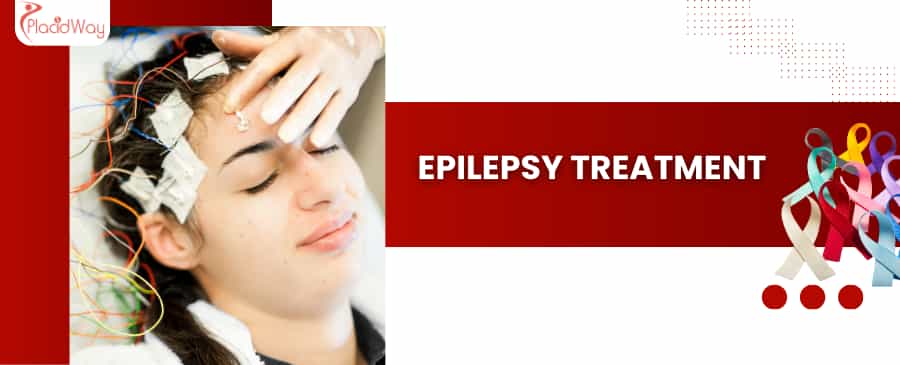
Finding Hope: Advanced Epilepsy Treatment Options Abroad
Living with epilepsy can be a challenging journey, marked by unpredictable seizures and a constant search for effective control. For many, conventional treatments offer relief, but for others, especially those with drug-resistant epilepsy, the path to a seizure-free life often requires exploring more advanced or specialized options. This is where the world of medical tourism opens a new door, offering access to leading neurosurgeons, state-of-the-art technology, and innovative therapies that might not be readily available or affordable at home.
Epilepsy is a chronic neurological disorder characterized by recurrent, unprovoked seizures, which are sudden surges of electrical activity in the brain. These seizures can manifest in various ways, from brief staring spells to severe convulsions, impacting every aspect of a person's life. While medication is the first line of defense, a significant portion of patients—around one-third—do not achieve adequate seizure control with drugs alone. For them, procedures like epilepsy surgery, vagus nerve stimulation (VNS), responsive neurostimulation (RNS), or deep brain stimulation (DBS) become critical considerations.
This guide aims to provide a comprehensive overview of epilepsy treatment, focusing on the specialized care available internationally. We’ll delve into understanding the condition, exploring advanced treatment options, and navigating the practicalities of seeking care abroad, helping you make an informed decision on your journey towards better health and a life with fewer seizures.
What are the common symptoms of epilepsy?
Recognizing the symptoms of epilepsy is the first step towards diagnosis and treatment. While most people associate seizures with violent shaking and loss of consciousness (tonic-clonic seizures), epilepsy can manifest in many different ways. The type of seizure depends on which part of the brain is affected and how the electrical disturbance spreads. Common symptoms people search for and experience include:
- Temporary confusion: Feeling disoriented or "foggy" after an event.
- A staring spell: Often seen in absence seizures, where a person might simply stare blankly into space for a few seconds.
- Uncontrollable jerking movements of the arms and legs: The classic sign of tonic-clonic (grand mal) seizures.
- Loss of consciousness or awareness: The person may collapse or simply appear unresponsive.
- Psychic symptoms: Experiencing fear, anxiety, or déjà vu before or during a seizure.
- Sensory disturbances: Smelling, seeing, or hearing things that aren't there (auras).
- Muscle rigidity or limpness: Depending on the seizure type.
It's important to remember that a single seizure does not necessarily mean a person has epilepsy. A diagnosis of epilepsy requires at least two unprovoked seizures occurring more than 24 hours apart, or one unprovoked seizure with a high risk of more.
What causes epilepsy and who is at risk?
For about half of people with epilepsy, the cause is unknown (idiopathic epilepsy). For the other half, epilepsy can be traced to various factors that affect the brain. Understanding these causes helps in tailoring the right treatment approach. Common causes and risk factors include:
- Genetic influence: Some types of epilepsy run in families, suggesting a genetic predisposition.
- Head trauma: A severe head injury can lead to epilepsy.
- Brain conditions: Brain tumors, strokes (a leading cause of epilepsy in adults over 35), and other vascular diseases can damage brain tissue, leading to seizures.
- Infectious diseases: Meningitis, encephalitis, viral encephalitis, and AIDS can all cause epilepsy.
- Prenatal injuries: Before birth, babies are vulnerable to brain damage from infections, poor nutrition, or oxygen deficiencies, which can lead to epilepsy later.
- Developmental disorders: Conditions like autism and neurofibromatosis can be linked to epilepsy.
Risk factors include age (epilepsy is most common in young children and older adults), a family history of epilepsy, prior head injuries, stroke or other vascular diseases, and certain brain infections.
What types of epilepsy treatments and procedures are available?
When medications aren't enough, several advanced procedures can offer hope for seizure control:
-
Anti-seizure Medications (ASMs): The first line of treatment. There are many different types, and finding the right one or combination often takes time and adjustment. ASMs work by reducing the excitability of brain cells.
-
Epilepsy Surgery: This is often considered for drug-resistant epilepsy where seizures originate from a specific, identifiable area of the brain that can be safely removed or disconnected without causing significant functional deficit. Types include:
- Resective Surgery: Removal of the part of the brain causing seizures (e.g., temporal lobe resection for mesial temporal lobe epilepsy).
- Lesionectomy: Removal of a specific lesion (tumor, malformation) causing seizures.
- Hemispherectomy: Removal or disconnection of an entire half of the brain, usually for severe cases in children.
- Corpus Callosotomy: Cutting the connection between the two hemispheres of the brain to stop seizures from spreading, often for severe atonic (drop) seizures.
-
Device Therapies (Neuromodulation): These involve implanting devices to modulate brain activity:
- Vagus Nerve Stimulation (VNS): A device implanted under the skin in the chest sends electrical impulses to the brain via the vagus nerve in the neck, helping to prevent seizures.
- Responsive Neurostimulation (RNS): A device implanted directly in the brain monitors brain activity and delivers small electrical pulses when it detects abnormal activity, preventing a seizure from starting.
- Deep Brain Stimulation (DBS): Electrodes are implanted deep within specific brain areas, connected to a pulse generator in the chest, to regulate abnormal brain activity.
-
Dietary Therapies: Especially for children, ketogenic diets, modified Atkins diets, or low glycemic index diets can sometimes help control seizures, often used in conjunction with other treatments.
The choice of treatment depends heavily on the individual's seizure type, location of seizure origin, overall health, and response to previous therapies. A thorough evaluation by an epileptologist and neurosurgeon is crucial.
Who is eligible for epilepsy surgery or advanced treatments?
Not everyone with epilepsy is a candidate for surgery or advanced device therapies. These options are generally reserved for individuals with:
- Drug-resistant epilepsy: Also known as refractory epilepsy, where seizures persist despite adequate trials of at least two appropriate anti-seizure medications. This is a key criterion for "finding a cure for drug-resistant epilepsy."
- Identifiable seizure focus: For resective surgery, tests like MRI, EEG (electroencephalogram), video-EEG monitoring, MEG (magnetoencephalography), and PET scans must precisely locate the area of the brain where seizures originate. This area must also be safely removable.
- Significant impact on quality of life: When seizures are frequent, severe, and significantly impair daily activities, safety, and overall well-being.
- No severe underlying medical conditions: Patients must be healthy enough to undergo complex surgery and anesthesia.
- Realistic expectations: While surgery can be highly effective, it doesn't guarantee a 100% cure for everyone, and patients need to understand potential risks and outcomes.
A comprehensive pre-surgical evaluation by a multidisciplinary team (epileptologists, neurosurgeons, neuropsychologists, radiologists) is essential to determine eligibility and predict outcomes.
What is the typical recovery time and what can I expect after epilepsy treatment?
The recovery process after epilepsy treatment depends heavily on the type of procedure:
-
After Device Implantation (VNS, RNS, DBS):
- Hospital Stay: Usually 1-2 days.
- Initial Recovery: Most patients feel well enough to return to light activities within a few days to a week. There might be some soreness or swelling at the incision sites.
- Activation & Programming: The device is typically activated and programmed a few weeks after surgery by the neurologist. Adjustments are made over several months to optimize seizure control.
- Long-term: Device batteries need replacement every 5-10 years, depending on usage.
-
After Brain Surgery (Resective, Lesionectomy):
- Hospital Stay: Typically 3-7 days, possibly longer depending on complexity and recovery.
- Initial Recovery: Patients will experience pain, swelling, and fatigue. Gradual return to light activities.
- Full Recovery: It can take several weeks to a few months for full physical recovery. Cognitive and emotional adjustments may take longer.
- Rehabilitation: Physical therapy, occupational therapy, and speech therapy may be recommended to help regain any lost function.
- Medication: Anti-seizure medications are usually continued post-surgery, with the potential for gradual reduction over time if seizures are controlled.
It's crucial to follow all post-operative instructions, attend follow-up appointments, and communicate any concerns with the medical team. Patience is key, as seizure control may not be immediate and adjustments to medication or device settings are often necessary.
What are the potential risks and side effects of epilepsy procedures?
While modern epilepsy procedures are generally safe, understanding the potential risks and side effects is vital for informed decision-making:
-
General Surgical Risks: Applicable to all surgeries, these include:
- Infection at the surgical site.
- Bleeding (hematoma).
- Adverse reactions to anesthesia.
- Blood clots.
-
Risks Specific to Brain Surgery:
- Cognitive changes: Temporary or permanent problems with memory, language, or executive functions, depending on the brain area involved. For example, temporal lobe surgery can sometimes affect verbal memory.
- Weakness or numbness: Depending on the affected motor or sensory cortex.
- Vision changes: If pathways related to vision are affected.
- Mood disturbances: Depression or anxiety can sometimes occur post-surgery.
- Incomplete seizure control: Not all surgeries result in complete seizure freedom, and some patients may still require medication.
- Stroke: A rare but serious complication.
-
Risks Specific to Device Therapies (VNS, RNS, DBS):
- Device malfunction or lead breakage.
- Infection at the implant site.
- Stimulation-related side effects: For VNS, this can include hoarseness, cough, throat pain, or shortness of breath. For RNS and DBS, side effects depend on stimulation parameters and brain location, potentially including tingling, muscle contraction, or mood changes.
- Headache or pain at the implant site.
Your medical team will discuss these risks in detail, using pre-operative mapping to minimize potential deficits as much as possible.
How does the cost of epilepsy treatment compare worldwide?
One of the primary drivers for medical tourism in epilepsy treatment is the significant cost difference. The cost of advanced epilepsy procedures can be prohibitive in Western countries like the U.S. or UK, leading many to seek high-quality, more affordable options elsewhere. The prices below are estimates and can vary based on the specific type of surgery, hospital, surgeon's fees, and length of stay.
Estimated Cost Comparison for Epilepsy Treatment (Surgery/Device Implantation)
| Procedure Type | USA (USD) | UK (GBP) | India (USD) | Turkey (USD) | Mexico (USD) |
|---|---|---|---|---|---|
| Epilepsy Resective Surgery | $70,000 - $150,000+ | £40,000 - £70,000+ | $10,000 - $25,000 | $15,000 - $35,000 | $20,000 - $40,000 |
| Vagus Nerve Stimulation (VNS) | $30,000 - $50,000+ | £15,000 - £25,000+ | $7,000 - $15,000 | $10,000 - $20,000 | $12,000 - $22,000 |
| Responsive Neurostimulation (RNS) | $80,000 - $150,000+ | £50,000 - £90,000+ | $20,000 - $40,000 | $25,000 - $50,000 | $30,000 - $55,000 |
| Deep Brain Stimulation (DBS) | $60,000 - $100,000+ | £40,000 - £70,000+ | $15,000 - $30,000 | $20,000 - $45,000 | $25,000 - $50,000 |
*Costs are estimates and do not include travel, accommodation, or extensive pre-operative evaluations or post-operative rehabilitation. Actual prices may vary.
Why should I consider seeking epilepsy treatment abroad?
The decision to travel for medical care, especially for a complex condition like epilepsy, is a significant one. However, it offers compelling advantages for many patients:
- Cost Savings: As seen in the table above, the cost difference can be substantial, making life-changing procedures accessible to those who couldn't afford them domestically.
- Access to Advanced Technology and Expertise: Many international hospitals have invested heavily in cutting-edge diagnostic tools (like advanced MRI, MEG) and surgical technologies (e.g., robotic-assisted surgery, laser interstitial thermal therapy - LITT) and boast highly experienced neurosurgeons specializing in epilepsy.
- Reduced Wait Times: In some countries, patients face long waiting lists for specialist consultations or surgery. Traveling abroad can provide quicker access to necessary treatment.
- Second Opinions and Specialized Programs: International centers often offer fresh perspectives or specialized epilepsy programs that might be a better fit for complex cases.
- Privacy and Anonymity: Some patients prefer the discretion that comes with receiving medical treatment away from their local community.
For example, a patient struggling with drug-resistant epilepsy in a country with limited surgical options or astronomical costs might find a path to seizure freedom in a world-renowned clinic in Turkey or India that offers equivalent or superior care at a fraction of the price.
Which countries offer the best value for epilepsy treatment and surgery?
Several countries have emerged as leaders in medical tourism for neurological conditions like epilepsy, offering a blend of high-quality care, advanced facilities, and cost-effectiveness:
-
Turkey: Known for its modern hospitals, skilled neurosurgeons, and significant cost savings. Istanbul and Ankara have several JCI-accredited hospitals offering comprehensive epilepsy programs.
-
India: A long-standing medical tourism hub, India offers world-class epilepsy care at highly competitive prices. Major cities like Delhi, Mumbai, and Chennai have dedicated epilepsy centers with state-of-the-art technology.
-
Mexico: Popular for North American patients due to its proximity and excellent medical facilities, particularly in cities like Guadalajara and Mexico City. Offers advanced treatments and personalized care.
-
Germany: While often higher priced than Asian or Latin American options, Germany is renowned for its cutting-edge medical technology, rigorous standards, and leading academic medical centers in epilepsy research and treatment.
-
Thailand: A growing destination known for its luxurious private hospitals, English-speaking staff, and high standard of care, combined with attractive tourism opportunities.
When researching, look for hospitals with international accreditations (like JCI - Joint Commission International), dedicated epileptology departments, and neurosurgeons with specific expertise in epilepsy surgery.
How can I ensure safety and quality when choosing an overseas epilepsy clinic?
Ensuring safety and quality is paramount when considering treatment abroad. Here's how to navigate your choices:
-
Accreditation: Look for international accreditations like Joint Commission International (JCI) or ISO certifications. These signify that the facility meets stringent international standards for patient care and safety.
-
Surgeon's Credentials and Experience: Research the neurosurgeon's qualifications, board certifications, number of epilepsy surgeries performed, and specialization. Don't hesitate to ask for their CV or patient testimonials.
-
Specialized Epilepsy Centers: Opt for hospitals that have dedicated epilepsy centers or units, indicating a comprehensive and multidisciplinary approach to care.
-
Technology and Facilities: Inquire about the diagnostic equipment (e.g., 3T MRI, MEG, intraoperative monitoring) and surgical technologies (e.g., neuro-navigation, robotic assistance) available.
-
Pre- and Post-operative Care: Understand the full treatment plan, including pre-operative evaluations, the procedure itself, hospital stay, and critical post-operative follow-up care, including remote consultations or plans for managing medication adjustments upon return home.
-
Transparency: Ensure the clinic or hospital provides clear, comprehensive information about costs, risks, success rates, and what to expect at every stage.
-
Medical Tourism Facilitators: Companies like PlacidWay specialize in connecting patients with vetted international medical providers. They can help with hospital selection, travel logistics, and ensuring quality standards.
A good analogy is buying a car – you wouldn't buy it without checking its safety ratings and looking at reviews. The same due diligence applies to choosing a medical provider abroad.
What are patient success stories from epilepsy treatment abroad?
While individual outcomes vary, numerous patient success stories illustrate the transformative impact of seeking epilepsy treatment abroad:
-
"Sarah's Journey to Freedom": Sarah, a 35-year-old from Canada, had temporal lobe epilepsy that resisted multiple medications. Facing a two-year wait for surgery and high costs at home, she chose a specialized epilepsy center in Turkey. After a successful temporal lobe resection, she has been seizure-free for over three years, regained her driving license, and returned to work, crediting the affordable, high-quality care she received abroad.
-
"Mark's New Lease on Life": Mark, a 48-year-old from the UK, suffered from debilitating drop attacks due to generalized epilepsy. His neurologist recommended a VNS implant, but the cost and wait were prohibitive. He traveled to India, where he received the VNS device and implantation at a third of the cost. Within six months, his seizure frequency dropped by 70%, significantly improving his safety and independence.
-
"A Child's Hope Restored": A family from Australia sought a second opinion for their 7-year-old daughter, Emily, who had refractory epilepsy from a focal cortical dysplasia. They found an expert pediatric neurosurgeon in Germany who performed a precise lesionectomy. Emily is now thriving, with vastly reduced seizures and an improved developmental trajectory, a result the family believes wouldn't have been possible without exploring international options.
These stories underscore the potential for medical tourism to provide access to life-changing treatments, offering hope and improved quality of life for individuals struggling with epilepsy worldwide. Connecting with a reliable medical tourism facilitator can help you explore similar possibilities.
Take the Next Step with PlacidWay
Ready to explore treatment options abroad? Discover top clinics, compare prices, and get a free quote tailored to your needs with PlacidWay.
Best Neurology Treatment Center | Cheap Neurology Treatment Packages







.png)









Share this listing