
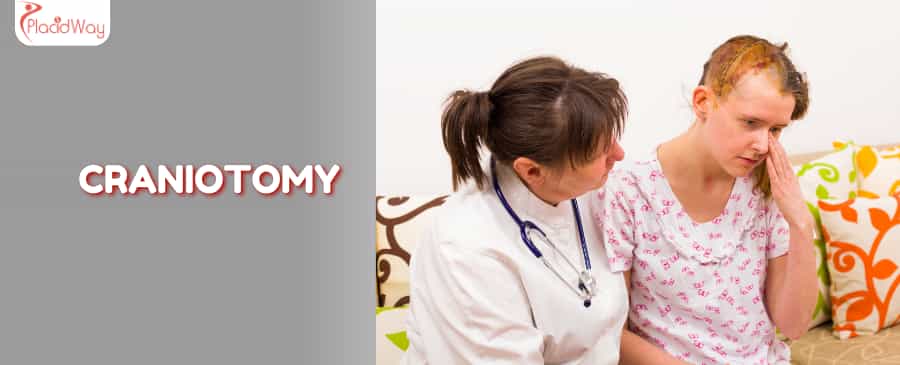
Navigating Your Craniotomy Journey: Expert Brain Surgery & Global Care Options
Facing the prospect of a craniotomy – a surgical procedure involving the temporary removal of a part of the skull to access the brain – can be overwhelming. It's a significant medical intervention often required to treat life-altering conditions such as brain tumors, aneurysms, traumatic brain injuries, or epilepsy. The decision to undergo such a procedure is profound, bringing with it questions about diagnosis, treatment, recovery, and financial considerations.
This comprehensive guide is designed to empower you with essential information about craniotomy, from understanding the underlying conditions and symptoms that necessitate it, to exploring the different types of procedures and what to expect during recovery. We recognize that for many, finding high-quality, affordable care is paramount, which is why we also delve into the growing trend of medical tourism for brain surgery. Discover how patients worldwide are accessing advanced craniotomy procedures in leading international hospitals, benefiting from expert neurosurgeons and significant cost savings.
Whether you're researching "what is a craniotomy," "craniotomy recovery time," or "craniotomy cost abroad," we aim to provide clarity and compassionate insights. Our goal is to help you navigate this complex journey, offering a roadmap to understanding your options and making informed decisions about your health, potentially with the global support of a medical tourism facilitator like PlacidWay.
What Symptoms Might Indicate a Craniotomy is Needed?
The brain is a complex organ, and when something goes wrong, the symptoms can manifest in various ways, often subtly at first. Recognizing these signs early is crucial for timely diagnosis and intervention. A craniotomy is typically considered when non-invasive treatments are insufficient, or when a life-threatening condition requires direct access to the brain. Here are some common symptoms that might indicate the need for such a procedure:
- Persistent or Severe Headaches: Especially those that worsen over time, are accompanied by nausea or vomiting, or are not relieved by standard pain medication. This can be a sign of increased pressure within the skull due to a tumor or bleeding. Many people search for "headaches and brain tumor symptoms."
- Seizures: New onset seizures in adults, regardless of type (generalized, focal, absence), are a significant red flag for neurological issues that might require surgical intervention, such as epilepsy resistant to medication or brain lesions.
- Weakness or Numbness: Developing weakness or numbness on one side of the body (face, arm, leg), or problems with coordination and balance, can indicate a problem affecting motor control areas of the brain.
- Vision Problems: Double vision, blurred vision, loss of peripheral vision, or sudden blindness can be symptoms of pressure on optic nerves or visual processing centers in the brain. Patients often search for "vision changes brain issues."
- Cognitive and Behavioral Changes: Difficulties with memory, concentration, language (aphasia), personality shifts, or unexplained mood swings might point to a brain mass or injury impacting cognitive function.
- Nausea and Vomiting: Unexplained, persistent nausea and vomiting, particularly in the morning, can be a sign of increased intracranial pressure.
- Dizziness and Balance Issues: Vertigo, unsteadiness, or difficulty walking can indicate problems in the cerebellum or brainstem.
If you or a loved one are experiencing any of these "brain tumor symptoms" or other concerning neurological changes, it is vital to seek immediate medical attention for proper diagnosis.
What Causes Conditions That Require a Craniotomy?
A craniotomy is performed to address a range of serious conditions affecting the brain. Understanding the underlying causes helps in comprehending the necessity and complexity of the procedure:
- Brain Tumors: Both benign (non-cancerous) and malignant (cancerous) brain tumors can grow and put pressure on surrounding brain tissue, leading to symptoms and requiring removal. This is a primary reason for "brain tumor surgery."
- Brain Aneurysms: Aneurysms are weak spots in blood vessel walls that balloon out. If they rupture, they cause a hemorrhagic stroke, which is life-threatening. Craniotomy is used for "aneurysm clipping" to prevent rupture or to seal a ruptured one.
- Arteriovenous Malformations (AVMs): These are abnormal tangles of blood vessels that bypass normal brain tissue, posing a risk of bleeding. Surgical removal is often the definitive treatment.
- Traumatic Brain Injury (TBI): Severe head injuries can lead to blood clots (hematomas) or swelling within the brain, increasing intracranial pressure. A craniotomy may be performed to drain blood or relieve pressure, often searched as "hematoma removal brain surgery."
- Infections (Abscesses): Pockets of infection within the brain tissue can form abscesses. If medications are ineffective, surgical drainage may be necessary.
- Hydrocephalus: This condition involves an accumulation of cerebrospinal fluid (CSF) in the brain's ventricles, causing pressure. While shunts are common, some complex cases or revisions might involve craniotomy.
- Epilepsy: For certain types of "epilepsy resistant to medication," a craniotomy might be performed to remove the specific brain region causing the seizures (resective surgery) or to implant devices.
- Skull Fractures: Depressed skull fractures, where bone fragments press into the brain, may require surgical elevation or removal of the fragments.
These conditions highlight the critical need for direct brain access, making craniotomy a vital, often life-saving, surgical option.
What are the Different Types of Craniotomy Procedures?
While the core concept of a craniotomy involves opening the skull, modern neurosurgery has developed several specialized approaches, each designed to optimize access and minimize impact based on the patient's specific condition:
- Standard (Open) Craniotomy: This is the most common type, involving a larger incision behind the hairline and removal of a significant bone flap to provide broad access. It's often used for large "brain tumor removal," complex aneurysm clipping, or extensive hematoma evacuation.
- Keyhole Craniotomy: A minimally invasive approach using a smaller incision and bone opening. It's suitable for deep-seated tumors or aneurysms that can be reached via a narrow corridor, reducing recovery time and scarring.
- Supraorbital (Eyebrow) Craniotomy: An aesthetic approach where the incision is hidden within the eyebrow. It's often used for tumors located at the front of the brain, near the eye, or for pituitary tumors.
- Endoscopic Craniotomy: Utilizes an endoscope (a thin, lighted tube with a camera) inserted through a small opening. This is often employed for pituitary tumors or certain cysts, offering a less invasive way to visualize and operate.
- Awake Craniotomy: In certain cases, particularly when removing tumors located near critical brain areas (e.g., speech or motor cortex), the patient is woken up during part of the surgery. This allows the surgeon to monitor neurological function in real-time by asking the patient to speak or move, ensuring maximum tumor removal with minimal damage to essential functions. People often search for "awake brain surgery benefits."
- Stereotactic Craniotomy: Uses advanced imaging (MRI, CT) and a 3D localization system to precisely target a specific area within the brain, often for biopsies or small, deep lesions.
The choice of craniotomy type depends on factors like the size, location, and nature of the brain condition, as well as the neurosurgeon's expertise.
Who is Eligible for a Craniotomy Procedure?
Deciding if a patient is a suitable candidate for a craniotomy is a meticulous process, involving extensive evaluation by a multidisciplinary medical team, usually led by a neurosurgeon. The primary goal is to determine if the potential benefits of the surgery outweigh the significant risks. Key factors considered include:
- Diagnosis and Severity: The patient must have a confirmed neurological condition (e.g., brain tumor, aneurysm, significant hematoma, intractable epilepsy) that requires direct surgical intervention and cannot be effectively treated by less invasive methods. The severity of symptoms and the threat to life or quality of life are crucial.
- Overall Health: Patients must be in sufficiently good general health to withstand a major surgical procedure and anesthesia. This includes assessing cardiovascular, respiratory, renal, and liver function. Co-existing conditions (comorbidities) like heart disease, diabetes, or severe lung disease can increase surgical risks.
- Age: While age itself isn't an absolute contraindication, very young children and elderly patients may face higher risks due to their physiological reserves and potential for complications. However, individual health status is more critical than chronological age.
- Neurological Status: The patient's current neurological function is assessed. In some cases, severely compromised neurological status might make surgery too risky, while in others, it might be the only option.
- Prognosis: The neurosurgeon will evaluate the expected outcome of the surgery, considering the likelihood of successful treatment, improvement in symptoms, and the potential for long-term recovery and quality of life.
- Patient and Family Wishes: Informed consent is paramount. The patient and their family must understand the nature of the procedure, its potential benefits, risks, and alternatives.
A comprehensive workup, including advanced imaging (MRI, CT, angiography), neurological examinations, and possibly biopsies, is conducted to ensure the patient is the "right candidate for brain surgery."
How Long Does it Take to Recover After a Craniotomy?
Understanding the "craniotomy recovery timeline" is vital for patients and their families. Recovery is a multi-stage process, highly individualized, and depends on the reason for the surgery, the patient's overall health, and whether complications arise. Here's a general overview:
- Immediate Post-Operative (Hospital Stay: 3-7 days, sometimes longer):
- ICU/Post-Anesthesia Care Unit: Patients typically spend the first 24-48 hours in the Intensive Care Unit (ICU) for close monitoring of vital signs, neurological status, and intracranial pressure.
- General Ward: Once stable, patients are transferred to a neurosurgical ward. Pain management, wound care, and early mobilization (sitting up, short walks) begin.
- Common Post-Op Symptoms: Headache, nausea, fatigue, swelling around the incision, and sometimes temporary neurological deficits (e.g., speech difficulties, weakness).
- Early Home Recovery (Weeks 1-6):
- Rest and Restricted Activities: Patients are advised to rest, avoid heavy lifting, strenuous activities, driving, and bending. Fatigue is very common and can persist for weeks.
- Rehabilitation: Many patients require physical therapy, occupational therapy, or speech therapy, especially if they experienced neurological deficits. This is crucial for regaining function.
- Wound Care: Incision care continues, and staples/sutures are typically removed within 7-14 days.
- Follow-up Appointments: Regular check-ups with the neurosurgeon are scheduled to monitor recovery and adjust medications.
- Long-Term Recovery (Months 2-12+):
- Gradual Return to Activities: Patients gradually increase activity levels and may return to work or school, depending on their recovery and the nature of their job.
- Continued Rehabilitation: For some, therapy may continue for months to optimize recovery.
- Managing Residual Symptoms: Some patients may experience long-term fatigue, mild cognitive changes, or require ongoing medication for pain or seizure prevention.
Many patients wonder "can you live a normal life after craniotomy?" The answer is often yes, but it requires patience, dedication to rehabilitation, and ongoing medical follow-up. Success stories highlight the importance of a strong support system.
What are the Risks and Side Effects of Craniotomy?
Like any major surgery, a craniotomy carries inherent risks and potential side effects, which neurosurgeons carefully explain during the informed consent process. While every effort is made to minimize these, it's important for patients to be aware of them. Patients often search for "craniotomy complications."
General Surgical Risks:
- Infection: Of the surgical site or within the brain.
- Bleeding (Hemorrhage): During or after surgery, which may require further intervention.
- Anesthesia Risks: Reactions to medication, respiratory problems, or cardiovascular issues.
- Blood Clots: Deep vein thrombosis (DVT) in the legs, which can lead to pulmonary embolism.
Specific Craniotomy Risks and Side Effects:
- Brain Swelling (Edema): Post-surgical swelling is common and usually managed with medication, but severe swelling can cause significant problems.
- Neurological Deficits: The most concerning risk is damage to healthy brain tissue, leading to new or worsened neurological problems. These can include:
- Weakness or paralysis on one side of the body.
- Speech difficulties (aphasia).
- Vision problems.
- Cognitive impairments (memory, concentration, personality changes).
- Balance and coordination issues.
- Seizures: Brain surgery can increase the risk of seizures, both in the immediate post-operative period and long-term. Medication is often prescribed to prevent them.
- Cerebrospinal Fluid (CSF) Leak: Leakage of the fluid surrounding the brain and spinal cord, which can increase the risk of infection.
- Stroke: Although rare, a stroke can occur if blood flow to a part of the brain is interrupted during surgery.
- Meningitis: Inflammation of the membranes surrounding the brain and spinal cord, often due to infection.
- Pain and Discomfort: Headaches and incisional pain are common after surgery.
- Fatigue: Profound fatigue can be a long-lasting side effect, often referred to as "brain fog."
- Cosmetic Issues: Hair loss around the incision, scalp numbness, or a visible scar.
Your surgical team will discuss your individual risk profile based on your condition and overall health. They will also provide strategies to mitigate these risks and manage "brain surgery side effects."
How Much Does Craniotomy Cost Worldwide?
The "craniotomy cost" is a significant concern for many patients, especially those without comprehensive insurance coverage or facing high deductibles. The price of this complex procedure can vary dramatically based on location, the complexity of the case, the surgeon's fees, hospital stay duration, and post-operative care. This variation is a major driver for patients exploring medical tourism.
Here’s a general cost comparison for a craniotomy across different regions, illustrating why many seek "affordable brain surgery abroad":
| Country | Estimated Craniotomy Cost (USD) | Notes on Cost Factors |
|---|---|---|
| USA | $70,000 - $150,000+ | Highest costs due to insurance structures, high administrative overhead, and advanced technology. |
| UK (Private) | $40,000 - $80,000+ | Costs for private care; NHS care is publicly funded. |
| Germany | $35,000 - $70,000+ | High quality, advanced facilities; costs vary by hospital and specific procedure. |
| India | $15,000 - $30,000 | Significant cost savings, world-class hospitals, highly experienced neurosurgeons. |
| Turkey | $20,000 - $40,000 | Modern facilities, skilled medical staff, good value for money, often includes accommodation packages. |
| Mexico | $20,000 - $35,000 | Proximity for North American patients, growing medical tourism infrastructure. |
| Thailand | $18,000 - $35,000 | Renowned for patient-centric care, excellent hospital standards, and exotic recovery environment. |
These figures are estimates and can fluctuate. It's crucial to obtain a personalized quote that includes all associated costs, such as pre-operative tests, surgeon's fees, anesthesia, hospital stay, medications, and follow-up care.
Why Consider a Craniotomy Procedure Abroad?
The decision to travel abroad for a critical procedure like a craniotomy is a deeply personal one, driven by various factors. For many, it's not just about affordability, but access to specialized care that may not be readily available in their home country. Here are the compelling reasons patients worldwide are choosing "medical tourism for brain surgery":
- Significant Cost Savings: This is arguably the primary driver. As seen in the cost comparison, procedures can be 50-70% less expensive abroad, even when factoring in travel and accommodation. For those without adequate insurance or facing prohibitively high costs at home, this makes life-saving surgery accessible.
- Access to World-Class Expertise: Many international hospitals boast highly qualified, internationally trained neurosurgeons who have performed thousands of complex craniotomies. These specialists often work in state-of-the-art facilities equipped with advanced technology comparable to, or exceeding, those in Western nations.
- Reduced Waiting Times: In countries with universal healthcare systems or overburdened medical infrastructure, patients often face long waiting lists for critical surgeries. Traveling abroad can offer immediate access to treatment, which is crucial for progressive conditions.
- Advanced Technology and Techniques: Medical tourism destinations often invest heavily in cutting-edge medical technology and embrace innovative surgical techniques to attract international patients. This can include advanced neuro-navigation systems, intraoperative MRI, or robotic assistance.
- Privacy and Discretion: For some, undergoing a major surgery away from their home environment offers a degree of privacy and discretion they may prefer.
- Personalized Care and Patient Experience: Many international hospitals catering to medical tourists offer a highly personalized experience, with dedicated international patient coordinators, luxurious recovery suites, and comprehensive support services, including language interpretation.
- Integrated Rehabilitation and Recovery: Some packages include extensive post-operative care and rehabilitation, which can be a vital component of successful craniotomy recovery.
Choosing to undergo a "craniotomy abroad" requires careful planning and research, but for many, the benefits far outweigh the logistical challenges.
Which Countries Offer the Best Value and What to Expect When Traveling?
Several countries have emerged as leaders in medical tourism for complex procedures like craniotomy, offering a blend of high-quality care and competitive pricing. When considering "best countries for craniotomy," destinations known for their advanced medical infrastructure and patient services include:
- India: Renowned for its JCI-accredited hospitals, highly skilled neurosurgeons, and significant cost savings. India offers comprehensive packages that often include accommodation and local transport.
- Turkey: With its strategic location, modern hospitals, and a growing number of English-speaking doctors, Turkey provides excellent value, often bundling treatment with recovery stays in tourist-friendly cities.
- Mexico: A popular choice for North American patients due to proximity. Mexico offers state-of-the-art facilities and experienced neurosurgeons, particularly in border cities and major medical hubs.
- Thailand: Known for its exceptional hospitality, luxurious hospital environments, and highly advanced medical technology. Thailand excels in providing a comfortable and aesthetically pleasing recovery experience.
- South Korea: A leader in medical innovation and technology, offering cutting-edge neurological treatments with highly disciplined and efficient healthcare systems, though costs might be slightly higher than other Asian destinations.
What to Expect When Traveling for a Craniotomy Abroad:
Planning and Preparation:
- Initial Consultation: Most medical tourism facilitators, like PlacidWay, will help you gather your medical records, imaging (MRI, CT scans), and reports to send to international specialists for a remote consultation and treatment plan. This often includes a preliminary cost estimate.
- Visa and Travel Arrangements: Research visa requirements for both the patient and any accompanying family members. Book flights and accommodation. Many hospitals or facilitators offer assistance with these logistics.
- Medical Travel Insurance: Consider purchasing specialized medical travel insurance that covers potential complications or extended stays.
- Language and Cultural Considerations: While many international hospitals have English-speaking staff, learning a few basic phrases or having a translation app can be helpful.
During Your Stay:
- Arrival and Pre-Op Assessments: Upon arrival, you'll undergo thorough in-person medical evaluations, including blood tests, imaging, and consultations with the neurosurgeon and anesthesiologist.
- The Procedure and Hospital Stay: The craniotomy procedure itself will be performed, followed by the typical hospital recovery period (ICU, then general ward).
- Post-Operative Care and Rehabilitation: Depending on the package, you may receive rehabilitation services at the hospital or at a designated facility before returning home.
- Follow-up: The medical team will provide detailed instructions for post-operative care and a plan for follow-up upon your return home.
Traveling for a "craniotomy abroad" can be a smooth process with proper planning and the support of an experienced medical tourism provider.
How Can You Ensure Safety, Quality, and What are Patient Success Stories Abroad?
Ensuring the safety and quality of a craniotomy abroad is paramount. While cost savings are appealing, never compromise on patient well-being. Here’s how to ensure you're making a safe and informed choice:
- Choose Internationally Accredited Hospitals: Look for hospitals with international accreditations, such as Joint Commission International (JCI). JCI accreditation signifies that a hospital meets stringent international standards for patient safety and quality of care. Many "safe brain surgery abroad" options are JCI-accredited.
- Verify Surgeon Credentials and Experience: Research the neurosurgeon's qualifications, board certifications, experience with craniotomy (especially for your specific condition), and affiliations with professional societies. Many top neurosurgeons in medical tourism destinations have trained in Western countries.
- Review Patient Testimonials and Success Rates: Seek out "craniotomy patient reviews" and testimonials from previous international patients. While individual results vary, positive feedback and documented success stories can provide reassurance.
- Utilize Reputable Medical Tourism Facilitators: Companies like PlacidWay specialize in connecting patients with accredited hospitals and experienced specialists worldwide. They can help with vetting providers, coordinating logistics, language support, and providing transparent information about costs and procedures.
- Comprehensive Pre-Travel Consultation: Ensure you have a thorough pre-travel consultation with the international medical team, where all your questions are answered, and a detailed treatment plan is provided.
- Understand Follow-up Care: Discuss how post-operative follow-up and any necessary rehabilitation will be managed upon your return home.
Patient Success Stories from Abroad:
While specific patient details are confidential, countless individuals have found life-changing solutions through medical tourism for craniotomy. Imagine Sarah, a 45-year-old from the UK, who faced a long waiting list for critical brain tumor removal. Through a medical tourism facilitator, she traveled to a JCI-accredited hospital in Turkey. Not only did she receive immediate, expert care from a neurosurgeon trained in Germany, but the all-inclusive cost was less than half of what a private clinic in the UK quoted. Sarah's recovery was excellent, and she returned home within weeks, grateful for the accessible, high-quality care that saved her life.
Another example is David, a 60-year-old American who needed aneurysm clipping. Facing astronomical costs in the US, he opted for treatment in India. He was impressed by the advanced technology, the attentive nursing staff, and the highly skilled surgical team. David's recovery was smooth, and he now advocates for exploring global healthcare options, emphasizing that "quality brain surgery doesn't have to break the bank."
These stories underscore the potential for high-quality outcomes when patients carefully research and partner with trusted facilitators for their craniotomy abroad.
Take the Next Step with PlacidWay
Ready to explore treatment options abroad? Discover top clinics, compare prices, and get a free quote tailored to your needs with PlacidWay.
Best Neurology Treatment Center | Cheap Neurology Treatment Packages



.png)
.png)







-1.png)












Share this listing