
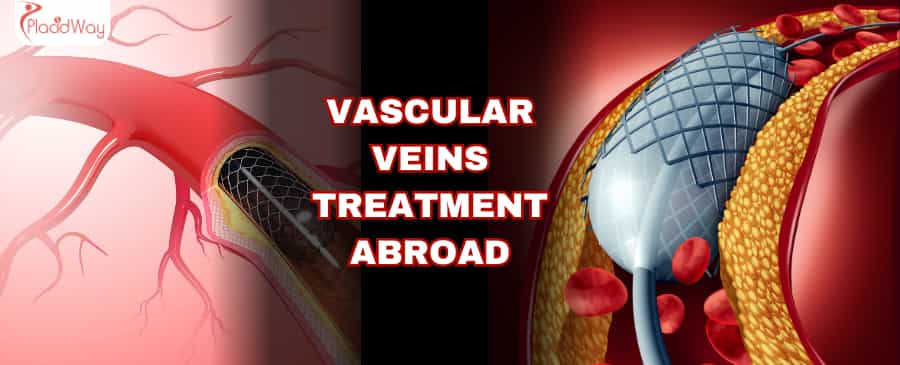
Reclaim Comfort and Confidence: Your Guide to Varicose Vein Treatment Abroad
Do you often feel an aching heaviness in your legs, especially after a long day? Are you self-conscious about visible, twisted veins that bulge beneath your skin? You're not alone. Varicose veins affect millions worldwide, bringing discomfort and impacting self-confidence. But there's good news: highly effective and safe treatments are available, and increasingly, people are exploring options abroad for both quality and affordability.
This comprehensive guide will help you understand "what are varicose veins," explore modern treatment options, and navigate the exciting possibilities of medical tourism for your relief. From understanding the underlying "causes of leg veins" to comparing "varicose vein surgery cost" across different countries, we're here to empower you with the knowledge needed to make an informed decision. Discover how you can find lasting comfort and improve your leg's appearance, often at a fraction of the cost you might find at home, with the support of PlacidWay.
What are the common symptoms of varicose veins?
Many people search for "symptoms of varicose veins" because they recognize something isn't quite right with their legs. The signs can range from mildly annoying to significantly disruptive. Common symptoms include:
- Aching and Heaviness: A persistent, dull ache or a feeling of extreme heaviness in the legs, especially after prolonged standing or sitting.
- Throbbing and Burning: Sensations of throbbing, burning, or cramping in the lower legs.
- Swelling: Noticeable swelling in the ankles and feet, particularly by the end of the day.
- Itching: Irritation and itching around the affected veins.
- Skin Changes: In more advanced cases, the skin over the varicose vein may become discolored (brown or bluish), dry, or even develop ulcers, especially near the ankles.
- Leg Fatigue: A general feeling of tiredness in the legs that doesn't improve with rest.
- Restless Legs: Some individuals experience restless leg syndrome-like symptoms.
Many ask, "when should I worry about varicose veins?" While often considered a cosmetic issue, if you experience persistent pain, swelling, skin changes, or notice the veins are hard, tender, or warm to the touch, it's crucial to seek medical advice to rule out more serious complications like blood clots.
What causes varicose veins and who is most at risk?
Understanding "what causes varicose veins in legs?" is key to both prevention and treatment. Varicose veins occur when the small one-way valves inside your veins weaken or become damaged. These valves are designed to prevent blood from flowing backward as it travels up to the heart. When they fail, blood pools in the veins, causing them to enlarge, twist, and become visible.
Several factors increase your risk:
- Genetics: If your parents had varicose veins, you're more likely to develop them.
- Age: Veins naturally lose elasticity as we age, and valves can weaken over time.
- Gender: Women are more prone, partly due to hormonal changes during pregnancy, pre-menstruation, or menopause.
- Pregnancy: Increased blood volume and pressure from the uterus on pelvic veins can lead to varicose veins.
- Obesity: Excess weight puts added pressure on your veins.
- Prolonged Standing or Sitting: Occupations that require long periods of standing (e.g., nurses, teachers) or sitting can impair blood flow.
- History of DVT: Past deep vein thrombosis (DVT) can damage vein valves.
What types of effective treatments are available for varicose veins?
When searching for "how to treat varicose veins" or "varicose vein removal options," you'll find a range of modern, minimally invasive procedures designed to close off or remove the damaged veins. The goal is to redirect blood flow to healthier veins, improving both symptoms and appearance.
- Endovenous Laser Ablation (EVLA): A thin fiber is inserted into the vein, delivering laser energy to heat and close it. This is a very common and effective "best treatment for spider veins and varicose veins."
- Radiofrequency Ablation (RFA): Similar to EVLA, but uses radiofrequency energy to heat and seal the vein.
- Sclerotherapy: A chemical solution is injected into the vein, causing it to scar and close. This is often used for smaller varicose veins and spider veins.
- Ambulatory Phlebectomy: Small incisions are made to remove visible varicose veins directly. This is an outpatient procedure.
- Vein Stripping and Ligation: A more invasive surgical procedure where the affected vein is tied off and removed. Less common today due to minimally invasive alternatives.
Who is a suitable candidate for varicose vein treatment?
If you're wondering "do varicose veins go away?" on their own, the answer is usually no. Treatment is often necessary for relief. Generally, you may be a candidate for varicose vein treatment if you:
- Experience persistent symptoms like pain, swelling, cramping, or fatigue.
- Have visible, bulging veins that cause cosmetic distress.
- Do not have certain contraindications like severe arterial disease, active skin infections, or are pregnant/breastfeeding (though treatment can often be postponed).
A thorough consultation with a vein specialist, including a physical examination and an ultrasound mapping of your veins, is crucial to determine the most appropriate treatment plan for your specific condition.
How long is the typical recovery after varicose vein procedures?
"Recovery after vein removal" is typically swift, especially with modern, minimally invasive techniques. Many patients ask, "is varicose vein treatment painful?" While some discomfort is normal, severe pain is rare and manageable with medication.
- Immediately After: You'll likely be encouraged to walk soon after the procedure to promote circulation. Compression stockings are usually worn for several days to weeks to aid healing and reduce swelling.
- First Few Days: Most people can return to light activities and work within 1-2 days. Strenuous exercise should be avoided for a week or two.
- Full Recovery: Bruising and swelling are common but typically subside within 2-4 weeks. The treated vein will gradually fade over several weeks to months. Your doctor will provide specific instructions tailored to your procedure.
For those considering "how long does varicose vein surgery take?", most modern procedures are completed within an hour or two, making them very convenient outpatient options.
What are the potential risks and side effects of varicose vein treatment?
It's natural to wonder, "what are the risks of varicose vein surgery?" While varicose vein treatments are generally safe and effective, like any medical procedure, they carry some potential risks and side effects. These are typically minor and temporary:
- Bruising and Swelling: Common after most procedures, usually resolves within a few weeks.
- Temporary Numbness: Can occur if small nerves near the vein are affected, usually resolves over time.
- Skin Discoloration: Sometimes the skin over the treated vein can temporarily darken.
- Allergic Reaction: To anesthetic or injected solutions (rare).
- Infection: A rare complication at the incision site.
- Blood Clots: While very rare, deep vein thrombosis (DVT) is a serious but unlikely complication. Modern techniques aim to minimize this risk.
Choosing an experienced and reputable clinic significantly reduces these risks. Discussing any concerns with your doctor is always recommended.
How much does varicose vein treatment cost worldwide?
The "varicose vein surgery cost" can be a major factor in deciding where to seek treatment. Costs vary dramatically based on the country, clinic, specific procedure, and complexity of your case. For many, finding "affordable varicose vein surgery" without compromising on quality is a primary motivation for exploring options abroad.
Here's a general comparison of estimated costs for a typical varicose vein treatment (e.g., EVLA) per leg:
| Country | Estimated Cost Per Leg (USD) | Notes |
|---|---|---|
| USA | $3,000 - $7,000+ | High costs, often covered by insurance for medical necessity |
| UK | $2,500 - $6,000+ | Similar to USA, private healthcare can be expensive |
| Mexico | $1,500 - $3,000 | Popular for quality and affordability, proximity to US |
| Turkey | $1,200 - $2,800 | High-standard clinics, accredited facilities, modern tech |
| India | $1,000 - $2,500 | Excellent medical infrastructure, experienced doctors, very competitive |
| Thailand | $1,300 - $2,900 | Renowned for medical tourism, combines treatment with vacation |
| Poland | $1,000 - $2,200 | Growing medical tourism destination, good value in Eastern Europe |
Note: These are estimated costs and can vary based on clinic, surgeon's fees, specific procedure, and additional services. Always request a detailed quote.
Why should I consider traveling abroad for varicose vein treatment?
Many patients are exploring "travel for vein treatment" for compelling reasons:
- Significant Cost Savings: As shown above, the same high-quality procedures can be significantly more affordable in medical tourism destinations.
- Access to Advanced Technology: Many international clinics boast state-of-the-art equipment and highly trained specialists.
- Reduced Waiting Times: Avoid long waiting lists often found in public healthcare systems.
- Combined Treatment and Vacation: Recover in a beautiful, relaxing environment, transforming a medical necessity into a rejuvenating experience.
- High Standards of Care: Reputable clinics abroad often have international accreditations and English-speaking staff, ensuring a safe and comfortable experience.
PlacidWay helps ensure safety and quality abroad by partnering with internationally accredited clinics and experienced, board-certified specialists. Many patients report high satisfaction with both the medical outcomes and the overall experience when choosing this path.
Which countries are best for affordable and quality varicose vein treatment?
When searching for the "best countries for varicose vein treatment," several destinations consistently emerge as leaders in medical tourism, balancing cost-effectiveness with excellent standards of care:
- Mexico: Easily accessible for North Americans, with numerous modern clinics in cities like Tijuana, Cancun, and Guadalajara offering competitive prices.
- Turkey: Istanbul and Antalya are home to world-class hospitals with advanced technology and highly skilled vascular surgeons.
- India: Renowned for its comprehensive healthcare infrastructure, India offers highly affordable treatments performed by experienced doctors.
- Thailand: A long-standing medical tourism hub, Thailand combines high-quality medical care with luxurious recovery options.
- Poland/Eastern Europe: Countries like Poland, Hungary, and the Czech Republic are gaining recognition for providing excellent medical services at a fraction of Western European or North American costs.
When choosing a destination, it's crucial to look for clinics with international accreditations (like JCI), transparent pricing, and robust patient testimonials. PlacidWay can guide you through this selection process, connecting you with verified providers.
What is the patient journey like for varicose vein treatment abroad?
Embarking on a medical journey abroad can seem daunting, but with the right support, it's a seamless and rewarding experience. Here's a typical patient journey for varicose vein treatment abroad:
- Initial Consultation & Planning: You'll start with a virtual consultation with a specialist abroad. Provide your medical history and imaging (if available). PlacidWay helps coordinate this and provides transparent quotes.
- Travel Arrangements: Once you decide, PlacidWay assists with travel logistics – flights, accommodation, and local transportation to and from the clinic.
- Arrival & Pre-Procedure: Upon arrival, you'll have an in-person consultation, physical exam, and any necessary pre-op tests (e.g., ultrasound).
- The Procedure: The varicose vein treatment is performed, typically lasting 1-2 hours for minimally invasive options.
- Recovery & Follow-up: You'll have a short recovery period, often 1-3 days, before you're cleared to travel home. The clinic will provide detailed post-operative care instructions, including how to wear compression stockings and when to resume activities. Follow-up can be done remotely with your local doctor or with the treating clinic.
Many patients who travel for treatment report high satisfaction, not just with the cost savings but also with the dedicated care and the opportunity to experience a new culture during their recovery.
Take the Next Step with PlacidWay
Ready to explore treatment options abroad? Discover top clinics, compare prices, and get a free quote tailored to your needs with PlacidWay.
Vascular Surgery Abroad | Best Vascular Treatment Center






.png)









Share this listing