
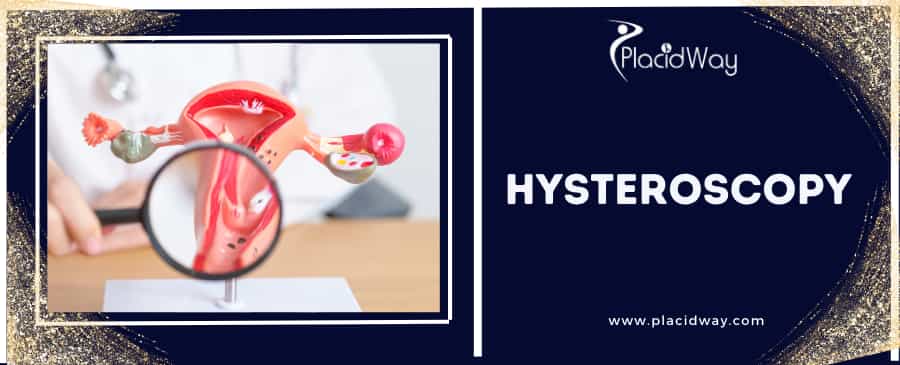
Understanding Hysteroscopy: Your Path to Uterine Health and Fertility
Navigating concerns about your reproductive health can be daunting, especially when facing symptoms like abnormal bleeding, pelvic pain, or challenges with fertility. You might be searching for answers, trying to understand what's happening inside your body. If your doctor has mentioned a procedure called a Hysteroscopy, you're likely looking for clear, reliable information on what it involves, why it's recommended, and what your options are – especially if you're considering treatment abroad.
A hysteroscopy is a common and highly effective gynecological procedure that allows doctors to get a direct look inside your uterus. Think of it like a tiny, specialized camera that can reveal the causes of various uterine issues. This procedure is invaluable for both diagnosing conditions and, in many cases, treating them during the same visit. Whether you're dealing with unexplained heavy periods, suspect you have uterine fibroids or polyps, or are exploring reasons for infertility or recurrent miscarriages, a hysteroscopy can provide crucial insights and solutions.
For many, particularly those seeking high-quality, affordable care or facing long waiting lists, considering a hysteroscopy abroad has become a viable and attractive option. Countries renowned for medical tourism offer state-of-the-art facilities, experienced specialists, and significant cost savings, making advanced uterine care more accessible than ever. This guide will walk you through everything you need to know about hysteroscopy, from understanding its purpose and benefits to exploring global treatment options and what to expect when choosing care internationally.
What symptoms might indicate a need for hysteroscopy?
If you're experiencing unusual changes in your menstrual cycle or pelvic health, it's natural to feel concerned and search for answers. A hysteroscopy is frequently recommended when specific symptoms point to potential issues within the uterus. These can include:
- Abnormal Uterine Bleeding: This is one of the most common reasons. It might manifest as very heavy or prolonged periods (menorrhagia), bleeding between periods, irregular periods, or bleeding after menopause. These symptoms can be distressing and significantly impact your quality of life.
- Persistent Pelvic Pain: While many conditions can cause pelvic pain, discomfort that doesn't resolve or is particularly bothersome might be linked to uterine abnormalities that a hysteroscopy can identify.
- Infertility Concerns: If you've been trying to conceive without success, a hysteroscopy can help identify structural problems within the uterus, such as polyps, fibroids, or adhesions, that might be preventing pregnancy. Patients searching for "hysteroscopy for infertility" often find answers here.
- Recurrent Miscarriages: For those who have experienced multiple miscarriages, a hysteroscopy can investigate potential uterine causes like a uterine septum or Asherman's syndrome (scar tissue).
- Unexplained Spotting or Discharge: Any unusual vaginal discharge or spotting, especially if it's new or persistent, warrants investigation.
These symptoms are your body's way of telling you something might be amiss. A hysteroscopy offers a direct, clear view to help diagnose the underlying cause and guide appropriate treatment.
What causes and risk factors are associated with conditions treated by hysteroscopy?
The conditions addressed by hysteroscopy often stem from various factors, some hormonal, some genetic, and others related to past medical events. Understanding these can help explain why a hysteroscopy might be necessary:
- Uterine Fibroids: These are non-cancerous growths of the uterus, very common in women of reproductive age. While many are asymptomatic, submucosal fibroids (those growing into the uterine cavity) can cause heavy bleeding, pain, and infertility. Genetic predisposition and hormonal influences (estrogen and progesterone) are key risk factors. Patients often search "hysteroscopy for fibroids."
- Endometrial Polyps: These are overgrowths of the uterine lining (endometrium), also typically non-cancerous. They can cause irregular bleeding and difficulty conceiving. Hormonal factors, particularly estrogen dominance, are often implicated. "Hysteroscopy polyps removal" is a common search term.
- Uterine Adhesions (Asherman's Syndrome): This involves scar tissue forming inside the uterus, often due to previous uterine surgery (like D&C after miscarriage or childbirth), infection, or severe endometriosis. Adhesions can lead to light or absent periods, pelvic pain, infertility, and recurrent miscarriages.
- Uterine Septum: This is a congenital (present from birth) abnormality where a wall of tissue divides the uterus. It's a common cause of recurrent miscarriages and can be corrected with hysteroscopic septoplasty.
- Retained Placental Fragments: After childbirth or a miscarriage, sometimes small pieces of placental tissue remain in the uterus, causing persistent bleeding and infection. A hysteroscopy can identify and remove these.
- Endometrial Hyperplasia: This is a thickening of the uterine lining due to excess estrogen, which can sometimes be a precursor to uterine cancer. A hysteroscopy can allow for targeted biopsies.
While some risk factors like genetics are beyond our control, understanding the causes helps pinpoint the right diagnostic and treatment approach.
What types of hysteroscopy procedures are available?
Hysteroscopy isn't a one-size-fits-all procedure; it's tailored to your specific needs. There are two main types:
-
Diagnostic Hysteroscopy:
This type is purely for examination. A thin hysteroscope is inserted to visualize the uterine cavity and identify any abnormalities such as polyps, fibroids, scar tissue, or congenital malformations (like a uterine septum). It's often performed in a doctor's office with minimal or no anesthesia. It’s used to investigate symptoms, confirm findings from other imaging tests (like ultrasound), or take biopsies.
-
Operative Hysteroscopy:
If an abnormality is found during a diagnostic hysteroscopy, or if one is already suspected, an operative hysteroscopy can be performed. This procedure uses slightly wider hysteroscopes equipped with small instruments that can be passed through to treat the issue directly. This means you might get a diagnosis and treatment in one go. Examples of operative procedures include:
- Polypectomy: Removal of endometrial polyps.
- Myomectomy: Removal of submucosal fibroids.
- Adhesiolysis: Cutting and removing uterine scar tissue (Asherman's syndrome).
- Septoplasty: Resecting a uterine septum to improve fertility outcomes.
- Endometrial Ablation: A procedure to remove or destroy the uterine lining to reduce very heavy menstrual bleeding (often performed after other issues are ruled out).
- Retrieval of Lost IUD or Retained Tissue: Removing misplaced intrauterine devices or placental fragments.
Understanding the difference helps you prepare for what to expect, whether it's a simple look or a therapeutic intervention. Many patients search for "diagnostic hysteroscopy vs operative hysteroscopy" to understand these distinctions.
Who is an ideal candidate for hysteroscopy?
Hysteroscopy is a versatile procedure, making it suitable for a wide range of patients. You might be an ideal candidate if you:
- Experience Abnormal Uterine Bleeding: This includes unusually heavy, prolonged, or irregular periods, or any bleeding after menopause. This is a primary indication, as hysteroscopy can identify polyps, fibroids, or other causes.
- Are Investigating Infertility: If you're struggling to conceive, and other tests haven't revealed the cause, a hysteroscopy can provide crucial information about the uterine cavity's receptivity to pregnancy. Many women seek "hysteroscopy for infertility diagnosis."
- Have a History of Recurrent Miscarriages: Structural issues within the uterus, such as a uterine septum or adhesions, can contribute to miscarriage. Hysteroscopy can diagnose and often correct these.
- Have Suspected Uterine Abnormalities: If an ultrasound or other imaging test suggests the presence of fibroids, polyps, or scar tissue inside the uterus, a hysteroscopy can confirm the diagnosis and facilitate removal.
- Need a Biopsy of the Uterine Lining: For evaluating endometrial hyperplasia or other suspicious areas, a hysteroscopy allows for targeted biopsy sampling.
- Require Removal of a Lost IUD or Foreign Body: If an intrauterine device (IUD) has migrated or needs to be removed, hysteroscopy can be used to locate and extract it.
Generally, you should be in good overall health. Your doctor will assess your medical history and specific symptoms to determine if hysteroscopy is the right choice for you.
What can I expect during hysteroscopy recovery?
One of the advantages of hysteroscopy is its minimally invasive nature, leading to a relatively quick and straightforward recovery for most patients. However, knowing what to expect can help you prepare:
- Immediate Post-Procedure: You might feel some mild cramping, similar to menstrual cramps, and experience light vaginal bleeding or spotting. This is normal and typically subsides within a few days to a week. Some clinics provide a pad for you to wear.
- Pain Management: Over-the-counter pain relievers like ibuprofen can usually manage any discomfort. Your doctor might prescribe stronger medication if an operative hysteroscopy was performed.
- Resuming Activities: Most women can return to their normal daily activities, including work, within 1 to 2 days after the procedure. It's often advised to avoid strenuous exercise, heavy lifting, and sexual intercourse for about a week or as advised by your doctor, to minimize infection risk and allow for healing.
- Gas or Bloating: If gas or fluid was used to distend the uterus, you might experience some temporary bloating or shoulder pain (due to diaphragm irritation), but this usually resolves quickly.
- Follow-up: Your doctor will typically schedule a follow-up appointment to discuss the findings, pathology results (if biopsies were taken), and any further treatment plans.
Always follow your doctor's specific post-operative instructions for the best recovery. Patients often search for "hysteroscopy recovery time" to gauge their return to daily life.
What are the potential risks and side effects of hysteroscopy?
While hysteroscopy is considered a very safe procedure, like any medical intervention, it carries a small risk of complications. It's important to be aware of these, though serious issues are rare:
- Mild Discomfort and Bleeding: The most common side effects are mild to moderate cramping and light bleeding, as discussed in the recovery section. This is usually temporary and manageable.
- Infection: There's a small risk of infection, similar to any invasive procedure. Symptoms might include fever, severe pain, or foul-smelling discharge. Antibiotics can usually treat this effectively.
- Excessive Bleeding (Hemorrhage): Although rare, significant bleeding can occur, especially during operative hysteroscopy. Your medical team is prepared to manage this immediately.
- Uterine Perforation: This is a very rare but serious complication where the hysteroscope or instruments accidentally puncture the uterine wall. It might require further surgical intervention to repair.
- Fluid Overload: During the procedure, a fluid solution is used to expand the uterus for better visualization. In very rare cases, too much fluid can be absorbed into the bloodstream, leading to fluid overload. This is carefully monitored by the medical team.
- Anesthesia Risks: If general anesthesia is used, there are standard risks associated with it, which your anesthesiologist will discuss with you.
Your medical team will take every precaution to minimize these risks and will discuss them with you in detail before the procedure. Always communicate any concerns or unusual symptoms you experience after the hysteroscopy.
How does the cost of hysteroscopy compare worldwide?
The cost of a hysteroscopy can be a major factor in decision-making, particularly without adequate insurance coverage. Prices differ dramatically based on geographical location, the complexity of the procedure (diagnostic vs. operative, e.g., "hysteroscopy polyps removal cost"), the clinic's reputation, and what's included in the package (anesthesia, facility fees, surgeon's fees, follow-up). Here's a general comparison:
| Country | Estimated Hysteroscopy Cost (USD) | Notes |
|---|---|---|
| USA | $3,000 - $8,000+ | High costs; depends heavily on insurance, location, and facility. |
| Canada | $2,500 - $6,000+ | Public healthcare covers residents; costs apply to non-residents or private clinics. |
| UK (Private) | £2,000 - £5,000 (~$2,500 - $6,300) | Private care for immediate access; NHS for residents with waiting lists. |
| Mexico | $1,500 - $3,500 | Significant savings, high-quality private clinics, close to USA. |
| Turkey | $1,800 - $4,000 | Modern facilities, experienced doctors, popular medical tourism destination. |
| India | $1,200 - $3,000 | Very cost-effective, world-class hospitals and specialists. |
| Thailand | $1,500 - $3,800 | Excellent healthcare infrastructure, popular for combining treatment with travel. |
These figures are estimates and can vary. The clear trend shows that seeking a hysteroscopy abroad can offer substantial savings, often without compromising on quality.
Why should I consider having my hysteroscopy abroad?
For many patients, the decision to undergo a medical procedure abroad, including hysteroscopy, is driven by compelling advantages:
- Significant Cost Savings: As seen in the table above, the cost difference can be substantial, often 50-70% less than in Western countries. This makes essential procedures like "hysteroscopy for fibroids" or "hysteroscopy for infertility" more accessible.
- Immediate Access to Care: Long waiting lists in public healthcare systems can delay diagnosis and treatment, potentially worsening conditions. Medical tourism offers timely appointments, allowing for quicker resolution of symptoms.
- Access to Specialized Expertise and Advanced Technology: Many international clinics are equipped with cutting-edge technology and employ highly skilled, internationally trained specialists. They often perform these procedures routinely, offering a high level of expertise.
- Privacy and Discretion: Some individuals prefer the anonymity and privacy that comes with receiving medical care away from their home country.
- Combining Treatment with Travel: For many, the idea of recovering in a pleasant, new environment or even combining their treatment trip with a short vacation is an appealing benefit.
- Comprehensive Packages: Many medical tourism providers offer all-inclusive packages that cover the procedure, accommodation, local transportation, and even interpreter services, simplifying the travel and treatment process.
Choosing to go abroad can transform a potentially stressful medical journey into a more manageable and even empowering experience.
Which countries offer the best value for hysteroscopy medical tourism?
When seeking the "best countries for hysteroscopy," patients often look for a balance of quality, affordability, and a positive overall experience. Several destinations consistently rank high:
- Mexico: Easily accessible for North American patients, Mexico boasts numerous internationally accredited hospitals, particularly in cities like Tijuana, Cancun, and Guadalajara. English-speaking staff and affordable prices for procedures like "hysteroscopy polyps removal" are major draws.
- Turkey: With its strategic location, state-of-the-art hospitals, and skilled medical professionals, Turkey has become a powerhouse in medical tourism. Istanbul and Ankara offer world-class gynecological care at a fraction of Western costs.
- India: A global leader in medical tourism, India provides extremely competitive pricing without compromising on quality. Major cities like Delhi, Mumbai, and Chennai have hospitals with advanced technology and highly experienced gynecologists.
- Thailand: Known for its exceptional hospitality and modern private hospitals, Thailand offers excellent medical care, especially in Bangkok and Phuket. It's an appealing option for those who wish to combine recovery with a relaxing vacation.
- Costa Rica: For those in the Americas, Costa Rica offers high-quality, affordable medical care in a beautiful, natural setting.
When selecting a country, research the specific clinics, look for international accreditations (like JCI), read patient reviews, and verify the qualifications of the gynecologists. PlacidWay can help connect you with reputable providers in these top destinations.
What should I expect when traveling abroad for this procedure?
Embarking on a medical journey abroad might seem complex, but with proper planning, it can be a smooth experience. Here's a general overview of what to expect:
- Initial Consultation & Research: Your journey typically begins with online research, including platforms like PlacidWay, to identify potential clinics and doctors. You'll likely have virtual consultations (telehealth) with your chosen specialist to discuss your case, review medical records, and confirm eligibility.
- Travel Arrangements: Once you've chosen a clinic, you'll arrange flights, accommodation, and local transportation. Many clinics or medical tourism facilitators offer assistance with these logistics. Ensure your passport is valid and check visa requirements for your destination country.
- Pre-Procedure Arrival: You'll usually arrive in the destination country a few days before your hysteroscopy. This allows time to settle in, have in-person pre-operative consultations, and undergo any necessary pre-op tests.
- The Procedure Day: On the day of your hysteroscopy, the process will be similar to what you'd experience at home, with highly trained staff guiding you through each step.
- Recovery Period: Post-procedure, you'll need a brief recovery period in the destination. While hysteroscopy recovery is generally quick, your doctor will advise on how long you should stay before traveling back. This is crucial for follow-up and to ensure you're fit for travel.
- Follow-up and Aftercare: You'll receive clear instructions for post-operative care and follow-up. Many clinics offer virtual follow-up options once you return home.
- Language and Support: Most medical tourism hubs have English-speaking staff, and interpreters are often available if needed. Companies like PlacidWay can provide comprehensive support, including communication facilitation, throughout your journey.
Preparation is key, and having a reliable medical tourism partner can greatly simplify the entire process, ensuring a focus on your health and well-being.
Take the Next Step with PlacidWay
Ready to explore treatment options abroad? Discover top clinics, compare prices, and get a free quote tailored to your needs with PlacidWay.
Cheap Gyn Surgical Procedures Packages



















Share this listing