
Find Lasting Relief from Ingrown Toenails: Your Guide to Treatment Abroad
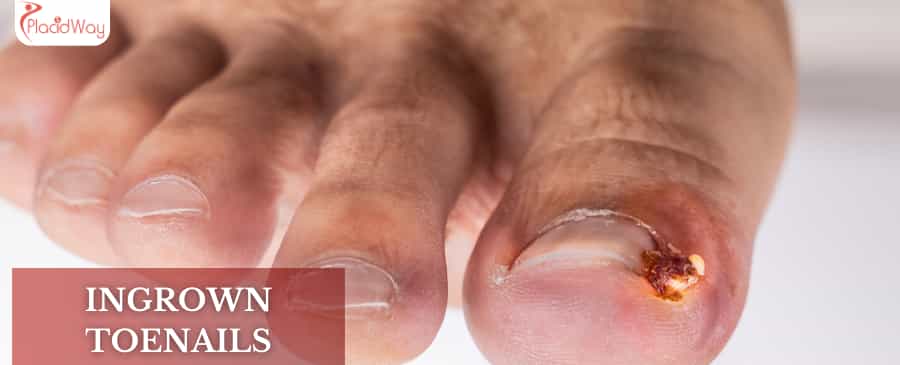
That throbbing pain in your toe could be more than just a minor annoyance – it might be an ingrown toenail. For many, this common condition, medically known as onychocryptosis, can significantly impact daily life, turning simple walks into painful ordeals. An ingrown toenail occurs when the corner or side of your toenail, most often the big toe, grows into the soft flesh surrounding it. This can lead to discomfort, redness, swelling, and if left untreated, a painful infection.
When conservative measures like proper foot hygiene and careful nail trimming aren't enough, professional treatment becomes essential. This guide will walk you through everything you need to know about ingrown toenail treatment, from understanding its causes and symptoms to exploring your options for effective relief, including why many people choose to seek treatment abroad for affordability and quality. If you're searching for "ingrown toenail pain relief" or "what is an ingrown toenail treatment," you're in the right place to find comprehensive answers and take the first step towards comfort.
What are the common symptoms of an ingrown toenail?
Recognizing the symptoms of an ingrown toenail early can prevent further complications and lead to quicker relief. Patients often search for "how do I know if my toenail is ingrown?" and the signs are usually quite clear:
- Pain and Tenderness: The most common symptom, often felt when pressure is applied to the toe, such as by wearing shoes or walking.
- Redness and Swelling: The skin around the affected nail becomes red and swollen, indicating inflammation.
- Warmth: The inflamed area may feel warmer than the surrounding skin.
- Pus or Drainage: If the ingrown toenail becomes infected, you might notice pus, clear fluid, or a foul odor emanating from the site.
- Overgrowth of Skin: In chronic cases, the skin may grow over the ingrown part of the nail, forming what’s called hypergranulation tissue.
These symptoms can range from mild discomfort to severe, debilitating pain that impacts your ability to wear shoes or perform daily activities. Don't ignore these signs; early intervention is key.
What causes ingrown toenails and who is at risk?
Understanding "why do I keep getting ingrown toenails?" is crucial for prevention. Several factors contribute to their development:
- Improper Nail Trimming: The most common cause. Cutting nails too short or rounding the corners instead of trimming straight across encourages the nail to grow into the skin.
- Tight or Ill-Fitting Footwear: Shoes that are too tight, narrow, or short can press the nail into the surrounding skin, especially during activities like running.
- Toe Trauma: Stubbing your toe, dropping something on it, or engaging in activities that repeatedly put pressure on the toes (like kicking a soccer ball) can cause damage that leads to an ingrown nail.
- Genetics: Some people inherit nails that naturally curve, making them more prone to growing inward.
- Excessive Sweating (Hyperhidrosis): Moist feet can soften the skin around the nails, making it easier for the nail to penetrate.
- Fungal Infections: These can thicken and widen the toenail, increasing the likelihood of it growing into the skin.
- Foot Deformities: Bunions or hammer toes can alter the pressure distribution on the feet, contributing to ingrown toenails.
Risk factors include age (common in teens and young adults), gender (men more frequently affected), and participation in sports. Anyone can develop an ingrown toenail, but awareness of these causes can help in prevention.
What are the different treatments for ingrown toenails?
If you're looking for "ingrown toenail removal options," you'll find there are several approaches, depending on the severity of your condition:
Conservative Treatments (often for mild cases):
- Soaking: Soaking your foot in warm, soapy water for 15-20 minutes, several times a day, can reduce swelling and tenderness.
- Lifting the Nail: For very mild cases, a doctor might gently lift the ingrowing edge of the nail and place cotton, dental floss, or a splint underneath to help it grow out over the skin.
- Topical Antibiotics: If there's a minor infection, an antibiotic cream might be prescribed.
Surgical Treatments (for persistent pain, infection, or recurrence):
When home remedies aren't enough, or the condition is severe, "surgical removal of ingrown toenail" is often the most effective solution. These are typically minor, in-office procedures performed under local anesthetic:
- Partial Nail Avulsion (PNA) or Wedge Resection: This is the most common surgical treatment. A podiatrist or surgeon removes only the ingrown portion of the nail along with a small amount of the underlying nail bed (matrix) to prevent that part of the nail from growing back. Often, a chemical (like phenol) is applied to the matrix to permanently destroy the nail-producing cells in that specific area. This is known as a chemical matrixectomy.
- Total Nail Avulsion (TNA): In rare, severe, or recurrent cases affecting the entire nail, the entire toenail might be removed. The nail may or may not grow back, or may grow back deformed. This is less common for simple ingrown toenails.
- Surgical Matrixectomy: In some cases, the nail matrix is surgically cut and removed. This is more invasive than chemical matrixectomy but can be very effective in preventing recurrence.
The choice of treatment depends on the severity, presence of infection, and recurrence rate. Your doctor will recommend the best approach for you.
Am I a good candidate for ingrown toenail surgery?
Many patients wonder, "when should I see a doctor for ingrown toenail?" or "do I need surgery for ingrown toenail?" You might be a good candidate for surgical intervention if:
- Conservative Treatments Have Failed: If soaking, proper trimming, and other home remedies haven't alleviated your symptoms.
- Recurrent Ingrown Toenails: If you frequently experience ingrown toenails, a permanent solution like a partial nail avulsion with matrixectomy can prevent future occurrences.
- Persistent Pain: When the pain significantly impacts your daily activities, walking, or wearing shoes.
- Signs of Infection: If there's redness, swelling, pus, or fever, indicating a bacterial infection that requires more aggressive treatment.
- Diabetes or Poor Circulation: Patients with these conditions are at higher risk for serious complications from foot infections. Early and effective treatment is crucial to prevent ulcers or other severe issues.
A consultation with a podiatrist or foot specialist is the best way to determine if surgery is appropriate for your specific condition.
What is the typical recovery time after ingrown toenail removal?
Understanding "ingrown toenail surgery recovery" is essential for planning. While the procedure itself is quick, the healing process takes a bit longer:
- Immediately After Procedure: You'll have a dressing on your toe. Pain is usually minimal, controlled with over-the-counter pain relievers. You can typically walk immediately but should limit activity.
- First Few Days (2-3 days): Keep your foot elevated as much as possible to reduce swelling. Avoid strenuous activities. You'll need to change dressings regularly as instructed by your doctor, usually after 24-48 hours.
- First Week: The toe will continue to heal. You might experience some mild soreness. Most people can return to work or school within 1-3 days, provided their job doesn't involve heavy foot traffic or standing for long periods. Avoid tight shoes.
- 1-2 Weeks: The surgical site typically heals within this timeframe. The wound should be clean and dry. You can gradually resume normal activities, including light exercise.
- Long-term: If a matrixectomy was performed, that part of the nail won't grow back. The rest of your nail will continue to grow normally.
Following post-operative instructions carefully, including keeping the wound clean and dry, avoiding tight footwear, and monitoring for signs of infection, is crucial for optimal healing. Patients often ask, "how long does it take to heal after ingrown toenail removal?" – with proper care, it's a relatively quick process.
What are the risks and side effects of ingrown toenail treatment?
Like any medical procedure, even minor ingrown toenail removal carries potential risks and side effects, though they are generally minimal. Patients often ask, "is ingrown toenail removal painful?" or "risks of toenail surgery?". Here's what to be aware of:
- Infection: Despite sterile conditions, there's always a small risk of infection at the surgical site. This is usually managed with antibiotics.
- Recurrence: While surgical removal with matrixectomy significantly reduces recurrence, there's a small chance the ingrown nail could return, especially if not all of the nail matrix was destroyed.
- Pain and Swelling: Some discomfort, pain, and swelling are normal after surgery, but usually subside within a few days and are manageable with pain relievers.
- Numbness: Temporary numbness around the toe is possible due to nerve irritation or the local anesthetic.
- Nail Deformity: In rare cases, especially with total nail avulsion or extensive matrixectomy, the nail may grow back misshapen or not at all.
- Allergic Reaction: To the local anesthetic or post-operative dressings.
- Granuloma Formation: Sometimes, excessive tissue can grow around the healing wound.
Choosing an experienced surgeon and following all post-operative instructions diligently minimizes these risks. Discuss any concerns you have with your healthcare provider.
How much does ingrown toenail treatment cost worldwide?
For those considering "ingrown toenail surgery cost" or "affordable ingrown toenail removal," the price can be a significant factor. Costs fluctuate dramatically based on geographic location, the complexity of the procedure (e.g., simple removal vs. matrixectomy), and whether it's performed in a clinic or hospital setting. Medical tourism offers a compelling option for significant savings without compromising on quality.
| Country | Estimated Cost Range (USD) for Surgical Removal | Notes |
|---|---|---|
| United States | $500 - $1,500+ | Costs vary by insurance, deductibles, and facility fees. |
| United Kingdom | $400 - $800+ (Private) | NHS may cover, but private options are available for faster access. |
| Canada | $300 - $700+ (Private) | Often covered by provincial health plans, but private options exist. |
| Mexico | $150 - $400 | Popular for US patients seeking affordable, quality care. |
| India | $100 - $300 | Known for highly skilled doctors and very competitive pricing. |
| Thailand | $150 - $450 | Combines excellent medical facilities with tourism opportunities. |
| Turkey | $200 - $500 | Emerging medical tourism hub with modern clinics. |
Note: These are estimated costs and can vary based on the specific clinic, doctor's fees, type of anesthesia, and any additional services or post-operative care. It's crucial to get a personalized quote.
Why should I consider having my ingrown toenail treated abroad?
The decision to seek "medical tourism for foot surgery" or any procedure abroad is often driven by several compelling factors:
- Cost-Effectiveness: This is often the primary motivator. As seen in the cost comparison, procedures can be significantly more affordable in many countries, even when factoring in travel expenses.
- Immediate Access to Care: In some countries, wait times for non-emergency procedures can be lengthy. Traveling abroad often means you can schedule your procedure much sooner.
- High-Quality Standards: Many international clinics and hospitals are accredited by reputable organizations (e.g., JCI) and boast state-of-the-art technology and highly trained specialists, matching or exceeding home country standards.
- Privacy and Anonymity: For some, undergoing treatment away from their local community offers a sense of privacy.
- Opportunity for a "Medication": Combining your treatment with a vacation or recovery in a pleasant, relaxing environment can enhance the overall experience and aid in recovery.
- Specialized Expertise: Some regions or clinics specialize in specific foot conditions, offering highly focused expertise.
For a relatively simple procedure like ingrown toenail removal, the benefits of cost savings and efficiency can be particularly appealing.
Which countries offer the best value for ingrown toenail treatment?
When searching for "best countries for ingrown toenail surgery" or "affordable toenail surgery abroad," certain destinations consistently stand out for their blend of quality, affordability, and patient-friendly services:
- Mexico: Highly popular for North American patients due to its proximity. Cities like Tijuana, Cancun, and Guadalajara have numerous clinics offering excellent care at a fraction of US costs.
- India: Renowned for its highly skilled medical professionals and world-class hospitals. India offers some of the most competitive prices globally without sacrificing quality, making it an excellent choice for a variety of procedures.
- Thailand: A long-established medical tourism destination, Thailand offers modern facilities, English-speaking staff, and a reputation for excellent patient care, often combined with a beautiful recovery environment.
- Turkey: An emerging leader in medical tourism, Turkey boasts JCI-accredited hospitals, experienced surgeons, and attractive pricing, particularly in cities like Istanbul and Antalya.
- Malaysia, Costa Rica, and South Korea: These countries also offer high-quality medical services and are increasingly recognized for medical tourism, providing competitive options for various treatments.
The "best" country for you will depend on factors like your budget, desired travel experience, and specific medical needs. Researching clinics and patient reviews within these countries is highly recommended.
What to expect when traveling for this procedure abroad?
Traveling for medical care, even for a minor procedure, requires careful planning. Here's what you can generally expect when you "travel abroad for ingrown toenail" treatment:
- Initial Consultation: This usually happens virtually. You'll share your medical history, symptoms, and photos with the international clinic/doctor. They'll determine if you're a candidate and discuss the recommended treatment plan.
- Logistics Planning: Many medical tourism facilitators (like PlacidWay) or clinics offer assistance with travel arrangements, accommodation, and local transportation, making the process smooth.
- Arrival and Pre-Procedure Appointments: Upon arrival, you'll have an in-person consultation, physical examination, and possibly some pre-operative tests (though unlikely for a simple ingrown toenail).
- The Procedure: Ingrown toenail removal is typically an outpatient procedure. It’s quick, often taking less than an hour, performed under local anesthetic.
- Short Recovery Abroad: You'll usually need to stay in the destination country for a few days post-procedure to allow for initial healing and a follow-up check-up before flying home. This is important to monitor for immediate complications.
- Post-Operative Care and Follow-up: You'll receive clear instructions for wound care, medication, and activity restrictions for when you return home. Remote follow-up (video calls, email) is often provided.
Planning ahead, communicating clearly with your chosen clinic or facilitator, and understanding the entire process will ensure a smooth and stress-free medical journey.
How can I ensure safety and quality when seeking ingrown toenail treatment abroad?
Patient safety and treatment quality are paramount, especially when traveling for medical care. If you're looking for "safe ingrown toenail removal overseas" or "medical tourism tips," here's how to ensure you make the right choice:
- Check for International Accreditation: Look for hospitals and clinics accredited by reputable international organizations like Joint Commission International (JCI). This signifies adherence to global standards of patient care and safety.
- Verify Surgeon Credentials and Experience: Research the treating physician's qualifications, board certifications, and experience with ingrown toenail procedures. Many clinics will provide bios and success rates.
- Read Patient Reviews and Testimonials: Look for independent reviews on platforms like Google, medical tourism forums, or directly on the clinic's website. Positive experiences from previous international patients are a good indicator.
- Ask About Facility Standards: Inquire about hygiene protocols, equipment, and post-operative care facilities.
- Utilize Reputable Medical Tourism Facilitators: Companies like PlacidWay specialize in vetting clinics and doctors, assisting with logistics, and providing support throughout your medical journey. They can connect you with trusted providers and offer unbiased advice.
- Clear Communication: Ensure there are no language barriers. Many international clinics have English-speaking staff or offer translation services.
- Understand the Full Cost: Get a detailed quote that includes all potential costs (procedure, anesthesia, facility fees, follow-up care) to avoid surprises.
- Have a Contingency Plan: Understand what happens in case of complications or if you need extended recovery time.
By taking these steps, you can confidently pursue quality and safe ingrown toenail treatment abroad.
Take the Next Step with PlacidWay
Ready to explore treatment options abroad? Discover top clinics, compare prices, and get a free quote tailored to your needs with PlacidWay.
Laser Surgery Abroad




.png)
.png)
.png)
.png)




.png)
.png)













Share this listing