
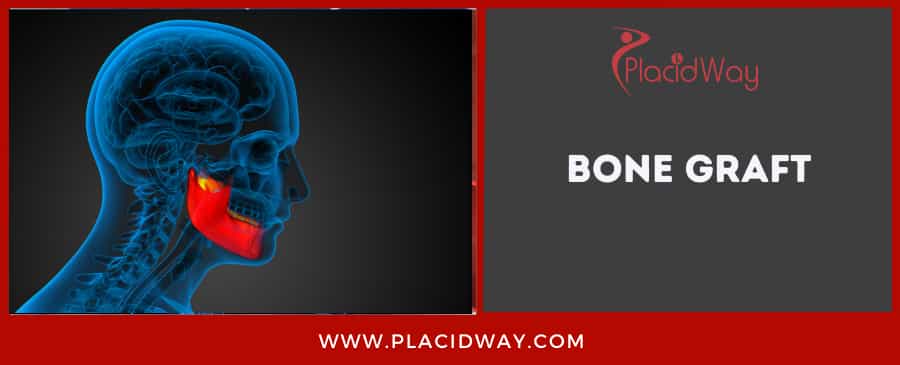
Considering a Bone Graft? Restore Your Jawbone for a Healthy Smile and Future
Facing bone loss in your jaw can feel daunting, impacting not just your smile but also your ability to chew, speak, and even your facial structure. Many people search for "why do I need a bone graft" or "bone graft for dental implants" after hearing their dentist recommend it. A bone graft procedure offers a vital solution, allowing you to restore the necessary bone volume, whether it's for supporting dental implants, addressing issues from gum disease, or repairing damage from trauma.
Imagine being told you can't get the dental implants you dreamed of because there isn't enough bone. Or perhaps you've noticed your face changing shape after years of missing teeth, or your dentures no longer fit comfortably. These are common scenarios where a bone graft can be a life-changing intervention. The procedure involves transplanting bone tissue—either from your own body, a donor, animal source, or synthetic materials—to the area where bone density is lacking.
While the idea of a bone graft might sound complex, its purpose is simple: to create a strong, healthy foundation. For those exploring options, especially when searching for "affordable bone graft" or "dental bone graft cost abroad," medical tourism presents a compelling opportunity. Countries renowned for dental care offer high-quality procedures at significantly lower prices, making essential treatments more accessible. This guide will walk you through everything you need to know about bone grafts, from symptoms and causes of bone loss to recovery, costs, and why going abroad might be your best option for a renewed smile and improved oral health.
What are the Signs You Might Need a Bone Graft?
Recognizing the symptoms of jawbone loss is the first step toward seeking treatment. Many people initially search for "signs of bone loss in jaw" or "symptoms of bone graft needed" when they notice subtle changes. These indicators can vary, but often point to a reduction in bone density that compromises oral health and function:
- Loose or Shifting Teeth: A common sign, as teeth lose their stable anchorage.
- Receding Gums: The gum line may pull away from the teeth, exposing roots.
- Facial Structural Changes: A "sunken" or aged appearance, particularly around the mouth and jaw, especially after tooth loss. This can lead to a less defined jawline.
- Difficulty with Dentures: If dentures that once fit snugly become loose and uncomfortable, it could be due to a shrinking jawbone.
- Pain or Discomfort: While not always present, some individuals experience pain or tenderness in the jaw.
- Inability to Receive Dental Implants: Often discovered during a dental consultation, when X-rays reveal insufficient bone to support an implant.
- Difficulty Chewing or Speaking: Compromised bone structure can affect the stability of teeth or dentures, making these basic functions challenging.
What Causes Jawbone Loss and Why a Bone Graft Becomes Necessary?
Understanding the root causes of jawbone degeneration is crucial for prevention and effective treatment. Patients often ask, "why do dentists recommend bone graft?" The primary reasons for bone loss include:
- Tooth Extractions: When a tooth is removed, the bone that once supported it no longer receives stimulation and can begin to resorb (deteriorate) over time. This is a very common reason for "socket preservation bone graft."
- Periodontal (Gum) Disease: Chronic gum disease can lead to the destruction of the bone supporting the teeth. As the infection progresses, it literally eats away at the jawbone.
- Trauma or Injury: Accidents, sports injuries, or other forms of trauma can cause direct bone damage, requiring reconstruction.
- Long-Term Denture Use: Traditional dentures rest on the gums and don't stimulate the jawbone. Over years, this lack of stimulation can lead to significant bone loss, often making new dentures ill-fitting.
- Infections: Untreated infections in the jaw can lead to bone destruction.
- Congenital Defects: Some individuals are born with conditions that affect bone development.
- Osteoporosis: While not a direct cause of jawbone loss, generalized bone weakening can exacerbate oral bone loss issues.
A bone graft becomes necessary to reverse this process, providing the necessary foundation for future dental work or simply to restore the structural integrity of the jaw.
Exploring Different Types of Bone Graft Procedures
When considering a bone graft, it's helpful to understand the "types of bone grafts" available, as the choice depends on the specific needs of the patient and the extent of bone loss. The primary distinction lies in the source of the bone material:
- Autograft: Bone is taken from the patient's own body (e.g., hip, tibia, or jaw). This is often considered the "gold standard" because it's living bone, reduces rejection risk, and promotes faster healing. However, it requires a second surgical site.
- Allograft: Bone comes from a human donor (cadaver) and is processed to ensure safety and sterility. It eliminates the need for a second surgical site for the patient.
- Xenograft: Bone is sourced from an animal, typically bovine (cow). Like allografts, it's processed extensively for safety.
- Alloplast: Synthetic bone-like material, often made from calcium phosphate or hydroxyapatite. It's fully biocompatible and provides a scaffold for the body's natural bone to grow into.
Beyond the material, specific types of bone graft procedures address different areas of the jaw:
- Sinus Lift (Sinus Augmentation): Performed when the upper jawbone is insufficient for implants, typically due to the maxillary sinuses being too close to the upper jaw. It involves lifting the sinus membrane and placing bone graft material.
- Ridge Augmentation: Addresses bone loss in height or width of the jawbone ridge. This is common after tooth loss and helps prepare the area for implants or improve denture fit.
- Socket Preservation (Alveolar Ridge Preservation): A graft placed into the socket immediately after a tooth extraction to prevent bone collapse and maintain the bone's dimensions for future implant placement.
- Periodontal Bone Grafts: Used to regenerate bone lost due to gum disease, stabilizing existing teeth.
Am I a Candidate for a Bone Graft? Eligibility Criteria
Many patients search for "who needs a bone graft" or "am I suitable for dental bone graft" to understand if this procedure is right for them. While only a dental professional can give a definitive answer, general eligibility criteria include:
- Good General Health: Patients should be in overall good health, without uncontrolled systemic diseases that could impair healing (e.g., uncontrolled diabetes, severe heart conditions).
- Sufficient Bone for Graft Placement: There must be some existing bone structure to support the graft and allow for integration.
- Good Oral Hygiene: A commitment to excellent oral hygiene is essential to prevent infection and ensure graft success.
- No Active Infections: Any existing oral infections (like untreated gum disease or abscesses) must be resolved before a bone graft can be performed.
- Non-Smoker: Smoking significantly impairs blood flow and healing, making bone graft success less likely. Many surgeons will require patients to quit smoking several weeks before and after the procedure.
- Realistic Expectations: Understanding the healing time and potential outcomes is important.
A thorough examination, including X-rays and possibly a 3D CBCT scan, will be conducted by your dentist or oral surgeon to determine your specific needs and suitability.
What to Expect During Bone Graft Recovery?
The "bone graft recovery timeline" and "how long does bone graft take to heal" are common questions. Recovery is a multi-stage process:
- Immediate Post-Op (First Few Days):
- Swelling and Discomfort: Expect some swelling, bruising, and mild to moderate pain. This can be managed with prescribed pain medication and cold compresses.
- Bleeding: Slight oozing or bleeding is normal.
- Diet: A soft food diet is essential to avoid disturbing the graft site.
- Activity: Avoid strenuous physical activity.
- Weeks 1-2:
- Swelling and discomfort should subside significantly.
- Continue with a soft diet and maintain meticulous oral hygiene, often involving special rinses.
- Long-Term Healing (3-9 Months):
- This is when the new bone integrates with the graft material, a process called osseointegration. It's largely internal and you won't feel significant changes day-to-day.
- The exact time frame depends on the graft type, location, and individual healing capabilities. For dental implants, this period is crucial before the implant can be placed.
Adhering strictly to your surgeon's post-operative instructions is vital for successful healing and to prevent complications.
What are the Risks and Potential Side Effects of a Bone Graft?
While bone grafts are generally safe and successful, it's important to be aware of the "bone graft complications" and "is bone graft painful" concerns. Potential risks and side effects include:
- Infection: The most common risk, potentially requiring antibiotics or removal of the graft material.
- Pain and Swelling: Expected initially, but persistent or severe pain could indicate a problem.
- Bleeding: Some bleeding is normal; excessive bleeding is a concern.
- Nerve Damage: Rare, but can occur, leading to numbness or altered sensation in the lip, chin, or tongue. Often temporary, but can be permanent in very rare cases.
- Graft Failure: The body may not accept or integrate the graft material, leading to a need for re-grafting or alternative solutions.
- Sinus Perforation: A risk specifically with sinus lifts, where the sinus membrane can be torn. Usually repaired during the procedure.
- Allergic Reaction: Very rare, but possible with certain graft materials.
Choosing an experienced surgeon and meticulously following post-operative care instructions significantly reduces these risks.
Worldwide Bone Graft Cost Comparison: Is Medical Tourism Worth It?
The "bone graft cost abroad" and "dental bone graft prices" are major driving factors for medical tourism. The cost of a bone graft procedure can vary dramatically based on the type of graft, the extent of bone loss, the materials used, and most significantly, the geographic location. Here's a general comparison:
| Country | Average Cost Range (USD) | Notes |
|---|---|---|
| USA / Canada | $800 - $3,500+ per site | High cost of living and healthcare infrastructure. May not include related procedures (e.g., extraction). |
| UK / Western Europe | $700 - $3,000+ per site | Similar high costs to North America, though some variations exist. |
| Mexico | $300 - $1,200 per site | Popular for US patients, high quality, close proximity. |
| Turkey | $250 - $1,000 per site | Growing hub for European patients, modern facilities, competitive prices. |
| Colombia | $300 - $1,100 per site | Rising medical tourism destination with skilled dentists. |
| Costa Rica | $400 - $1,500 per site | Known for high-quality dental care and a pleasant vacation experience. |
| India | $200 - $900 per site | Very affordable, good infrastructure, experienced specialists. |
As you can see, the savings can be substantial, often 50-70% less than in Western countries. This makes medical tourism an attractive option for those seeking high-quality dental work without breaking the bank.
Why Consider a Bone Graft Procedure Abroad?
The reasons for "benefits of medical tourism for bone graft" are compelling:
- Significant Cost Savings: As shown in the table above, the most obvious benefit is the dramatic reduction in cost, making necessary procedures affordable without compromising on quality.
- Access to High-Quality Care and Expertise: Many international clinics are equipped with state-of-the-art technology and employ highly trained, board-certified dental surgeons experienced in bone grafting. They often serve a global clientele, honing their skills on diverse cases.
- Reduced Waiting Times: In some countries, patients face long waiting lists for specialist procedures. Traveling abroad can offer immediate access to treatment.
- Combine Treatment with a Vacation: Many patients appreciate the opportunity to recover in a beautiful, relaxing environment, transforming a medical necessity into a restorative experience.
- Privacy: Some prefer the anonymity of receiving treatment away from their home country.
For example, "Sarah from Canada, who needed extensive bone grafting before her dental implants, found that the total cost for her procedure and a two-week stay in Costa Rica was still less than just the bone graft alone would have been back home."
Which Countries Offer the Best Value for Bone Graft Procedures?
When searching for "best countries for dental bone graft" or "affordable bone graft destinations," several countries consistently emerge as top choices for medical tourists seeking dental procedures:
- Mexico: Particularly popular for patients from the U.S. and Canada due to proximity, excellent clinics in border towns and major cities, and highly competitive pricing.
- Turkey: A rising star in medical tourism, offering modern clinics, skilled dentists, and attractive packages, especially for European patients. Cities like Istanbul and Antalya are well-known.
- Costa Rica: Renowned for its high-quality dental care, English-speaking staff, and a pleasant environment, making it a favorite for combining treatment with ecotourism.
- Colombia: Growing in popularity, offering advanced dental facilities, expert surgeons, and cost-effective treatments, particularly in cities like Medellin and Bogota.
- Hungary: Long-established as a dental tourism hub in Europe, especially for patients from the UK, Germany, and Austria, known for high standards at affordable prices.
- India: Offers some of the lowest prices globally with a growing number of JCI-accredited hospitals and highly qualified dental professionals.
These countries have invested significantly in their healthcare infrastructure and cater specifically to international patients, often providing comprehensive packages that include accommodation and transfers.
What to Expect When Traveling for a Bone Graft Procedure?
"Planning dental tourism" and "medical travel for dental procedures" involves several steps:
- Initial Consultation and Planning: Most reputable clinics abroad offer virtual consultations. You'll send your X-rays and dental records for assessment, receive a treatment plan, and a detailed quote.
- Travel Logistics: Book flights and accommodation. Many clinics or facilitators like PlacidWay can assist with these arrangements, sometimes offering discounted rates or package deals.
- Arrival and Pre-Procedure Appointments: Upon arrival, you'll have an in-person consultation, further diagnostics (e.g., 3D scans), and a final discussion of your treatment plan.
- The Procedure: The bone graft surgery itself.
- Post-Operative Care and Recovery: You'll likely stay for a few days to a week for initial follow-ups and to ensure stable recovery before flying home. The clinic will provide detailed instructions for at-home care.
- Follow-Up: Remote follow-ups or coordinating with your local dentist for long-term care will be part of the plan.
It's important to build in buffer days for travel and recovery. "John from the UK planned his bone graft in Turkey with two extra days for sightseeing before his surgery and a week to recover comfortably in his hotel, making the experience less stressful."
How to Ensure Safety and Quality for a Bone Graft Abroad?
Ensuring "safe dental treatment abroad" and "choosing a reputable clinic overseas" are paramount. Here's how to do it:
- Check for International Accreditations: Look for clinics accredited by organizations like the Joint Commission International (JCI) or ISO. These signify adherence to stringent international standards of patient care and safety.
- Verify Dentist Credentials: Research the surgeon's qualifications, experience, and specialization. Many international dentists have Western training and affiliations.
- Read Patient Reviews and Testimonials: Look for genuine feedback on independent platforms. PlacidWay often features patient stories and verified reviews.
- Ask for Transparent Pricing: Ensure the quote is all-inclusive, with no hidden fees for diagnostics, medication, or follow-ups.
- Language Support: Confirm the clinic has English-speaking staff or offers translation services to avoid miscommunication.
- Consult a Medical Tourism Facilitator: Companies like PlacidWay specialize in vetting clinics, coordinating travel, and providing support, significantly reducing risks and complexities. They can connect you with trusted providers.
- Initial Video Consultations: Use these to assess the clinic's professionalism and your comfort level with the dental team.
Real Patient Success Stories: Bone Grafts Abroad
The best way to illustrate the benefits of medical tourism for bone grafts is through real-world examples, providing answers to "bone graft abroad reviews" and "medical tourism dental success stories":
- Maria from the USA: "I needed a sinus lift and two bone grafts before getting multiple dental implants, a procedure that was quoted at over $15,000 in my local city. Through PlacidWay, I found a top-tier clinic in Cancun, Mexico. The entire treatment, including a week's stay, cost me less than $6,000. My bone healed perfectly, and now I have strong, beautiful implants. It was truly life-changing!"
- David from Germany: "After years of gum disease, I had significant bone loss. My dentist in Germany recommended grafting, but the waitlist was long and expensive. I chose a clinic in Budapest, Hungary, known for its dental excellence. The staff were amazing, spoke fluent English, and the surgery went flawlessly. I saved thousands and even enjoyed the city during my recovery."
- Priya from Canada: "My jawbone had deteriorated after several old extractions, making me ineligible for implants. I decided to explore options in India for a ridge augmentation. I was impressed by the modern clinic and the surgeon's expertise. The cost was incredibly affordable, and I'm now on my way to getting the implants I thought were out of reach."
These stories underscore the global availability of high-quality, affordable bone graft procedures, offering hope and solutions to patients worldwide.
Take the Next Step with PlacidWay
Ready to explore treatment options abroad? Discover top clinics, compare prices, and get a free quote tailored to your needs with PlacidWay.
Dental Tourism | Cosmetic Dentistry | Implants | Root Canals | Dentures | Bridges | Orthodontics | Dental Holidays Abroad




.png)
.png)
.png)



.png)
.png)











Share this listing