
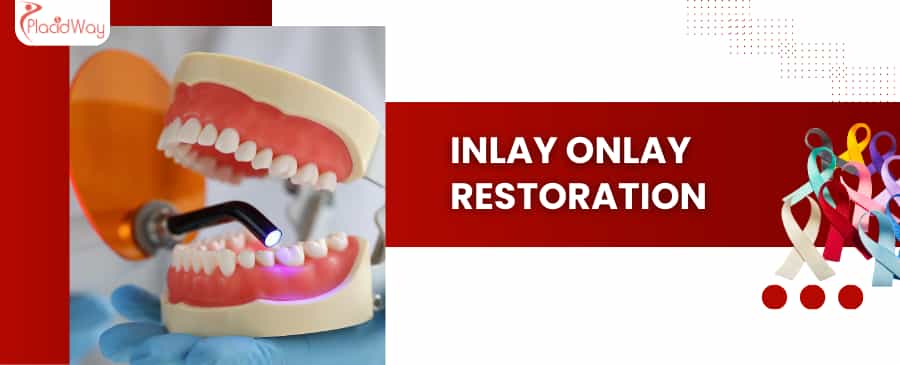
Restore Your Smile: A Guide to Inlay Onlay Restorations Abroad
Are you experiencing tooth sensitivity, discomfort while chewing, or have you noticed a visible crack or large filling in one of your back teeth? For many, these signs can be unsettling, leading to concerns about lasting dental damage. When a tooth is too damaged for a simple filling but not so compromised that it needs a full crown, an Inlay or Onlay restoration can be the perfect solution.
Often referred to as "partial crowns," Inlays and Onlays are meticulously crafted dental restorations designed to fit precisely within the cusps of a tooth (inlay) or extend over one or more cusps (onlay). They offer superior strength, durability, and a more precise fit compared to traditional fillings, making them an excellent choice for preserving natural tooth structure and enhancing long-term oral health.
For patients searching for "durable dental fillings," "alternatives to dental crowns," or "how to fix a cracked tooth without a crown," Inlays and Onlays frequently emerge as ideal options. These restorations not only restore the tooth's function and appearance but also protect it from further damage. If you're considering this advanced dental solution, especially if you're exploring high-quality yet affordable options abroad, this comprehensive guide will walk you through everything you need to know.
What Are the Symptoms of Damaged Teeth Needing Inlays/Onlays?
Recognizing the signs of a tooth that could benefit from an Inlay or Onlay is crucial for timely treatment and preventing further complications. Many people search for "tooth pain when chewing" or "sensitive tooth crack" when experiencing these issues. Common symptoms include:
- Persistent Sensitivity: Especially to hot or cold temperatures, or sweet foods, which can indicate exposed dentin or nerve irritation.
- Pain While Chewing: Discomfort or sharp pain when biting down, often a sign of a cracked tooth or a failing restoration.
- Visible Cracks or Chips: Small fractures that are not severe enough for a full crown but too extensive for a simple filling.
- Dark Spots or Holes: Signs of significant decay that has created a cavity larger than what a traditional filling can effectively address.
- Large, Old Fillings: If you have an existing large amalgam (silver) filling that is showing signs of wear, leakage, or has fractured, it might be weakening the tooth structure. Patients often search for "signs of a failing dental filling" in this context.
- Rough Edges: A feeling of a rough or uneven surface on your tooth, which could indicate a compromised filling or a small fracture.
These symptoms suggest that the tooth's integrity is compromised and a more robust restoration than a simple filling is needed to prevent further deterioration.
What Are the Causes and Risk Factors for Tooth Damage?
Understanding what leads to tooth damage can help prevent future issues. People frequently search for "causes of tooth decay" or "why do teeth crack." The main culprits include:
- Extensive Tooth Decay (Cavities): Poor oral hygiene, frequent snacking, and a diet high in sugary or acidic foods can lead to bacteria producing acids that erode tooth enamel, creating cavities. If decay is too widespread for a conventional filling, an Inlay/Onlay is often recommended.
- Cracked or Fractured Teeth: This can result from biting down on hard objects, teeth grinding (bruxism), or trauma to the mouth. Temperature extremes can also cause teeth to expand and contract, leading to hairline fractures over time.
- Failed or Worn-Out Fillings: Large, old amalgam fillings, particularly those that have been in place for many years, can weaken the surrounding tooth structure over time. They may also begin to leak, allowing bacteria to enter and cause secondary decay. Many inquire about "failing silver fillings" or "when to replace old fillings."
- Trauma or Injury: Accidents, sports injuries, or falls can lead to chips or fractures in teeth, requiring restoration.
- Acid Erosion: Consistent exposure to acidic foods and drinks (like sodas, citrus, or certain medications) can erode tooth enamel, making teeth more susceptible to damage.
What are Inlay Onlay Restorations? (Types Explained)
Inlays and Onlays are types of indirect restorations, meaning they are custom-made in a dental laboratory before being bonded to your tooth. They are more conservative than crowns, preserving more healthy tooth structure. Patients often search for "inlay vs onlay differences" or "porcelain inlay."
- Inlays: These restorations are used to repair decay or damage confined within the chewing surface of the tooth, specifically *between* the cusps (the raised points on the tooth). Think of an Inlay as fitting neatly into the grooves of the tooth, like a puzzle piece.
- Onlays: An Onlay is a more extensive restoration than an Inlay. It covers not only the area between the cusps but also extends *over* one or more of the tooth's cusps. Onlays are often chosen when the damage or decay involves the cusps, providing protection and reinforcement to the weakened tooth structure. They are sometimes called "partial crowns" because they cover a larger surface than an Inlay but not the entire tooth like a full crown.


Both Inlays and Onlays can be made from various materials:
- Porcelain (Ceramic): Very aesthetic, matching natural tooth color. Durable and biocompatible. Many prefer "porcelain inlay" for aesthetic reasons.
- Composite Resin: Tooth-colored, but generally less durable and stain-resistant than porcelain.
- Gold: Extremely durable and strong, often used for back teeth where chewing forces are highest. "Gold onlay" is a classic, robust choice.
Who is Eligible for Inlay Onlay Restorations?
Not everyone is a candidate for Inlays or Onlays. Dentists evaluate several factors to determine if this is the best treatment. Patients often search for "when is an inlay needed" or "alternatives to dental crowns." You might be eligible if:
- You have a moderate amount of tooth decay that requires removal, but enough healthy tooth structure remains to support the Inlay/Onlay.
- Your tooth has a fracture or crack that is not extensive enough to require a full crown.
- An old, large filling is failing or has weakened the tooth, but the damage isn't so severe that a crown is mandatory.
- You seek a more durable and long-lasting restoration than a traditional filling.
- You are in generally good oral health, free from active gum disease or other severe dental infections that would need to be treated first.
Inlays and Onlays are not suitable for minor cavities (where a simple filling suffices) or severely compromised teeth (which would require a full crown or even extraction).
The Inlay Onlay Procedure: Step-by-Step
The Inlay/Onlay procedure typically involves two dental visits, similar to getting a crown. People often search for "inlay dental procedure steps" or "how are onlays made."
- First Visit (Preparation and Impression):
- Anesthesia: The dentist will numb the tooth and surrounding area.
- Decay Removal: Any decayed or damaged tooth structure, along with old fillings, will be precisely removed.
- Tooth Shaping: The remaining healthy tooth structure is carefully shaped to create a stable foundation for the Inlay or Onlay.
- Impression Taking: A precise impression (mold) of your prepared tooth is taken. This impression is sent to a dental lab where your custom Inlay or Onlay will be fabricated.
- Temporary Restoration: A temporary filling or restoration is placed over the prepared tooth to protect it while your permanent Inlay or Onlay is being made.
- Second Visit (Bonding):
- Temporary Removal: The temporary restoration is carefully removed.
- Fitting and Adjustment: Your custom-made Inlay or Onlay is placed on your tooth to check for proper fit, bite, and aesthetics. Any necessary adjustments are made.
- Bonding: Once perfectly fitted, the Inlay or Onlay is permanently bonded to your tooth using a strong dental adhesive.
- Polishing: The final restoration is polished to ensure a smooth surface and comfortable bite.
The process ensures a restoration that precisely matches your tooth's contours and your bite, offering superior function and aesthetics.
Recovery Time and Expectations After Treatment
One of the advantages of Inlays and Onlays is the relatively straightforward recovery process. Patients often inquire about "inlay onlay recovery time" or "sensitive after onlay."
- Immediate Post-Procedure: You may experience some mild sensitivity to hot and cold or pressure, particularly in the first few days or weeks after the procedure. This is normal as the tooth adjusts to the new restoration.
- Pain Management: Over-the-counter pain relievers can usually manage any discomfort.
- Eating and Drinking: You can typically resume normal eating habits soon after the permanent bonding, but it's wise to avoid very hard or sticky foods initially.
- Oral Hygiene: Maintain excellent oral hygiene, including regular brushing and flossing around the restoration, just as you would with natural teeth.
- Long-Term Expectations: With proper care, Inlays and Onlays are highly durable and can last for many years, often 10-30 years, significantly longer than traditional fillings. Many search for "how long do inlays last."
Your dentist will provide specific aftercare instructions tailored to your situation.
Procedure Risks and Side Effects of Inlay Onlay Restorations
While Inlays and Onlays are generally safe and effective, as with any dental procedure, there are potential risks and side effects. Patients considering this often search for "inlay onlay complications" or "pain after onlay."
- Temporary Sensitivity: The most common side effect is temporary sensitivity to temperature or pressure, which usually subsides within a few weeks.
- Fracture: Although durable, Inlays or Onlays can fracture, especially if made from composite resin or if subjected to excessive biting forces (e.g., from teeth grinding). The underlying tooth structure can also fracture if it was already weakened.
- Marginal Gaps/Leakage: If the restoration doesn't fit perfectly or the bond weakens over time, a microscopic gap can form between the Inlay/Onlay and the tooth, allowing bacteria to enter and cause secondary decay.
- Nerve Irritation: In rare cases, the tooth's nerve may become irritated during or after the procedure, potentially leading to the need for a root canal.
- Dislodgement: While uncommon with proper bonding, an Inlay or Onlay could potentially come loose or "fall out" if the adhesive fails or the tooth structure supporting it is compromised.
Choosing an experienced dentist and following aftercare instructions can significantly minimize these risks.
Worldwide Cost Comparison for Inlay Onlay Restorations
The cost of Inlay Onlay restorations can be a major factor for patients, leading many to search for "inlay onlay cost abroad" or "dental inlay price comparison." Prices vary widely depending on the country, clinic, material used (porcelain, composite, gold), and the complexity of the case. Medical tourism offers a compelling option for significant savings without compromising on quality.
| Country | Estimated Cost Per Tooth (USD) | Notes on Value |
|---|---|---|
| USA | $800 - $2,000+ | High quality, but often no insurance coverage for this type of restoration, leading to high out-of-pocket costs. |
| Canada | $700 - $1,800+ | Similar to US, high standards with significant costs without extensive private insurance. |
| UK | £600 - £1,500+ (~$750 - $1,900) | Private dental care is expensive; NHS options are limited for cosmetic/advanced restorations. |
| Mexico | $300 - $800 | Excellent value, especially popular for US patients due to proximity. High-quality materials and experienced dentists. |
| Costa Rica | $400 - $900 | Renowned for advanced dentistry and patient care, attracting North American patients. |
| Turkey | $250 - $700 | Extremely competitive pricing, often including accommodation/transfers. High volume of international patients. |
| Hungary | $350 - $850 | A long-established dental tourism hub in Europe, known for skilled dentists and modern facilities. |
| Thailand | $300 - $800 | Combines high-quality dental care with popular tourist destinations, offering excellent overall experience. |
*Prices are estimates and can vary based on clinic, dentist's experience, materials, and specific case complexity. They generally reflect the cost of the restoration itself, not including travel or accommodation.
Why Consider Inlay Onlay Restorations Abroad?
The decision to travel for dental work, often termed "dental tourism for inlays," is driven by several compelling benefits:
- Significant Cost Savings: As seen in the table above, the primary driver is the potential to save 50% or more on treatment costs compared to Western countries. For multiple restorations, these savings can be substantial.
- Access to High-Quality Care: Many international clinics, particularly those catering to medical tourists, boast state-of-the-art technology, modern facilities, and highly qualified dentists, often trained internationally.
- Reduced Wait Times: In some countries, getting an appointment for advanced dental procedures can involve long waiting lists. Abroad, appointments are often readily available, allowing for faster treatment.
- Combine Treatment with a Vacation: For many, dental tourism offers the unique opportunity to receive necessary dental work while exploring a new culture and enjoying a holiday. This can significantly reduce stress and make the experience more pleasant.
- Comprehensive Packages: Many clinics abroad offer all-inclusive packages that cover treatment, accommodation, and airport transfers, simplifying the travel process.
For individuals without comprehensive dental insurance or facing high out-of-pocket costs at home, seeking "cheap dental onlays" abroad can make essential dental care more accessible.
Which Countries Offer the Best Value for Dental Inlays/Onlays?
When searching for the "best country for dental inlays," several nations consistently rank high due to their combination of quality, affordability, and tourist appeal:
- Mexico: Especially popular for North Americans, offering convenience and significant savings. Border towns like Tijuana and Los Algodones, as well as cities like Cancun and Guadalajara, are well-known dental hubs.
- Costa Rica: Known for its beautiful scenery and high standards in medical and dental care, attracting many patients from the US and Canada.
- Turkey: An emerging giant in medical tourism, offering extremely competitive prices in cities like Istanbul and Antalya, often bundled with luxurious travel packages. Many search for "dental work in Turkey reviews."
- Hungary: A long-standing leader in European dental tourism, particularly Budapest, known for its highly skilled dentists and excellent, affordable care.
- Thailand: Combining world-class medical facilities with vibrant culture and stunning beaches, cities like Bangkok and Phuket are popular choices for a "dental vacation."
These countries have established reputations for providing excellent dental work, including Inlays and Onlays, to international patients.
What to Expect When Traveling for Inlay Onlay Restoration Abroad?
Traveling for dental work requires planning, but many medical tourism facilitators and clinics simplify the process. Those searching for "traveling for dental work tips" or "medical tourism dental process" will find this helpful:
- Research and Selection: Begin by researching potential clinics and dentists. Look for reviews, accreditations, and dentist qualifications.
- Initial Consultation: Many clinics offer virtual consultations where you can discuss your needs, send X-rays, and receive a preliminary treatment plan and quote.
- Travel Logistics: Book flights and accommodation. Many clinics offer assistance with these arrangements or provide package deals.
- First Dental Visit: Upon arrival, you'll have your first in-person consultation, preparation of the tooth, and impressions taken. This typically takes one to two hours.
- Waiting Period: There will be a waiting period (a few days to a week) while your custom Inlay/Onlay is fabricated in the lab. This is your opportunity to explore the local area.
- Second Dental Visit: Your temporary restoration will be removed, and the permanent Inlay/Onlay will be bonded. This is usually a shorter appointment.
- Post-Treatment Care: Your dentist will provide aftercare instructions and potentially schedule a follow-up if you are staying longer.
Clear communication with your chosen clinic before and during your trip is key to a smooth experience.
How to Ensure Safety and Quality for Dental Work Abroad?
Ensuring you receive safe and high-quality care is paramount when seeking "safe dental tourism" or "how to choose a dental clinic abroad."
- Check Accreditations: Look for international accreditations such as Joint Commission International (JCI) or local equivalents that signify adherence to high standards of care and patient safety. Many ask for "accredited dental clinics overseas."
- Verify Dentist's Credentials: Ensure your dentist is licensed, experienced in Inlay/Onlay procedures, and ideally has specialized training. Ask about their educational background and years of practice.
- Read Patient Reviews and Testimonials: Genuine reviews offer insight into other patients' experiences regarding the quality of care, professionalism, and results.
- Ask for a Detailed Treatment Plan: Before committing, ensure you receive a comprehensive plan outlining the exact procedures, materials, timeline, and all associated costs.
- Understand Warranties: Inquire if the clinic offers any warranty on their dental work, which can provide peace of mind.
- Clear Communication: Ensure there are no language barriers. Many clinics have English-speaking staff or interpreters.
- Hygiene and Sterilization: Pay attention to the clinic's cleanliness and sterilization protocols during your visit.
Take the Next Step with PlacidWay
Ready to explore treatment options abroad? Discover top clinics, compare prices, and get a free quote tailored to your needs with PlacidWay.
Dental Tourism | Cosmetic Dentistry | Implants | Root Canals | Dentures | Bridges | Orthodontics | Dental Holidays Abroad






.jpg)
.jpg)
.jpg)
.jpg)








Share this listing