
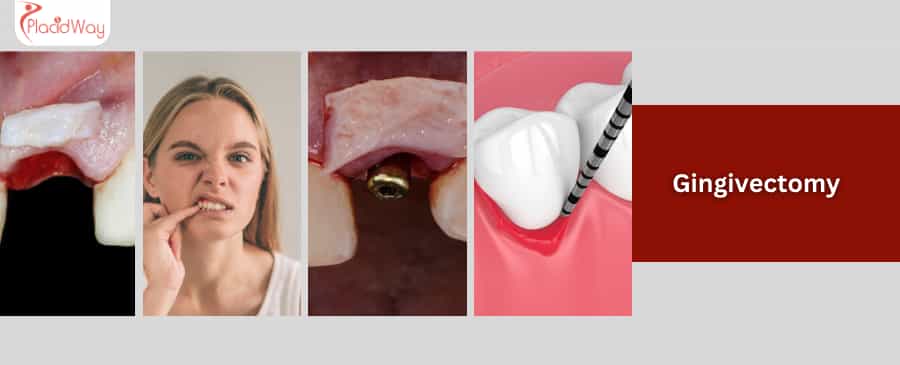
Reclaim Your Smile: A Comprehensive Guide to Gingivectomy for Healthier Gums
Are you struggling with gums that feel swollen, bleed easily, or cover too much of your teeth, making your smile appear "gummy"? Perhaps you've been told you have periodontal disease and need a solution to restore your oral health. Many people search for "gum reshaping," "excess gum removal," or "treatment for swollen gums," looking for answers and effective procedures like gingivectomy. This common dental procedure offers both therapeutic and aesthetic benefits, helping millions worldwide achieve healthier mouths and more confident smiles.
A gingivectomy, at its core, is the careful removal of a portion of the gum (gingiva) tissue. It's often recommended when gums are inflamed, overgrown, or have receded to a point where they no longer protect the teeth effectively. Beyond just health, it's also a popular choice for cosmetic dental patients seeking a more balanced and aesthetically pleasing smile. If you're exploring options for "gum contouring" or "gummy smile correction," understanding gingivectomy is your first step. For those considering affordable, high-quality care, looking into "gingivectomy abroad" has become an increasingly popular and viable option.
What Exactly is a Gingivectomy and Why is it Performed?
A gingivectomy, pronounced jin-jih-VECK-tuh-mee, is a minor surgical procedure performed by a dentist or periodontist (a gum specialist) to remove excess gum tissue. Think of it as carefully sculpting the gums. The primary goal is often therapeutic: to eliminate gum pockets that have formed due to periodontal disease. These pockets trap food particles and bacteria, making them impossible to clean with regular brushing and flossing, leading to further infection and bone loss. By removing the excess tissue, the dentist can reduce pocket depth, making it easier to maintain oral hygiene and halt the progression of gum disease.
Beyond health reasons, gingivectomy is also widely performed for cosmetic purposes. If you have what's often called a "gummy smile" – where your gums cover a significant portion of your teeth, making them look short – a gingivectomy can reshape the gum line to expose more of your natural tooth structure, creating a more proportionate and attractive smile. This procedure is also sometimes used to prepare the mouth for other dental treatments, such as crowns or veneers, ensuring a proper fit and a natural appearance.
What Symptoms and Conditions Suggest You Might Need a Gingivectomy?
Recognizing the signs that you might benefit from a gingivectomy is crucial for early intervention and better outcomes. Many people search for "why are my gums swollen?" or "what to do for bleeding gums." Here are common symptoms and conditions that often lead to a gingivectomy recommendation:
- Chronically Swollen, Red, or Inflamed Gums: Healthy gums are typically pink and firm. If your gums are consistently puffy, deep red, or tender to the touch, it could be a sign of gingivitis or periodontitis.
- Bleeding Gums: While occasional bleeding during aggressive brushing can happen, consistent bleeding, especially during routine brushing or flossing, is a strong indicator of gum inflammation or disease.
- Deep Gum Pockets: As gum disease progresses, the gums pull away from the teeth, creating "pockets." These pockets deepen, trapping bacteria and making professional cleaning essential. A gingivectomy helps reduce these pocket depths.
- Difficulty Cleaning Teeth: Overgrown or uneven gum tissue can make it challenging to effectively brush and floss, leading to plaque buildup and further oral health issues.
- "Gummy Smile" (Excess Gum Display): When your gums cover a disproportionate amount of your teeth, making your smile appear less balanced, a gingivectomy can reshape the gum line for a more aesthetically pleasing look. This is a common concern for those looking into "cosmetic gum surgery."
- Receding Gums with Pockets: While gingivectomy primarily removes tissue, sometimes in cases of severe periodontitis, inflamed tissue might need removal even if recession is present, to allow for better cleaning and healing.
If you experience any of these symptoms, it's important to consult with a dental professional for an accurate diagnosis and treatment plan.
What are the Common Causes of Excess Gum Tissue and Periodontal Issues?
Understanding the root causes behind overgrown gums or periodontal disease can help in prevention and effective treatment. Many people ask, "why do my gums grow over my teeth?" or "what causes gum disease?" Here are the main culprits:
- Poor Oral Hygiene: This is the most common cause. Inadequate brushing and flossing allow plaque (a sticky film of bacteria) to build up on teeth and gums. If not removed, plaque hardens into tartar, irritating the gums and leading to inflammation (gingivitis) and eventually more severe gum disease (periodontitis).
- Genetics: Some individuals are genetically predisposed to developing gum disease or having naturally thicker, more prominent gum tissue, contributing to a "gummy smile."
- Certain Medications: A variety of prescription drugs can cause gum overgrowth as a side effect. These include:
- Phenytoin: Used to treat seizures.
- Cyclosporine: An immunosuppressant often given to organ transplant recipients.
- Calcium Channel Blockers: Used for high blood pressure and heart conditions (e.g., Nifedipine, Amlodipine).
- Hormonal Changes: Fluctuations in hormones, such as during pregnancy, puberty, or menopause, can make gums more sensitive and prone to inflammation and swelling.
- Underlying Health Conditions: Systemic diseases like diabetes, leukemia, and AIDS can impact gum health, making individuals more susceptible to gum disease and delayed healing.
- Smoking and Tobacco Use: Tobacco significantly impairs the immune system's ability to fight off bacterial infections in the gums, making gum disease more severe and harder to treat.
- Malocclusion (Misaligned Teeth): Crooked teeth can create areas that are difficult to clean, promoting plaque buildup and gum inflammation.
What Types of Gingivectomy Procedures Are Available?
While the goal of removing excess gum tissue remains consistent, the methods used to perform a gingivectomy have evolved. The choice of technique often depends on the dentist's expertise, the extent of the tissue removal needed, and patient preference. When researching "gum contouring methods," you'll likely encounter these:
- Traditional Scalpel Gingivectomy: This is the classic method where the dentist uses a surgical scalpel to carefully cut away and reshape the excess gum tissue. It's a highly precise technique, especially useful for significant tissue removal and creating very specific contours. While effective, it typically involves some bleeding and requires sutures in some cases, with a slightly longer healing period compared to other methods.
- Laser Gingivectomy: Modern dentistry increasingly utilizes lasers for gum procedures. A dental laser precisely vaporizes the excess gum tissue, sealing blood vessels as it goes. This means significantly less bleeding, reduced swelling, and often a quicker, more comfortable recovery. The laser also sterilizes the area, reducing the risk of infection. Patients often prefer "laser gum surgery" for its minimally invasive nature and faster healing.
- Electrosurgery (Electrocautery): This method uses a high-frequency electrical current to remove and reshape gum tissue. Similar to laser, it cauterizes as it cuts, leading to minimal bleeding. Electrosurgery is very effective for precise contouring and can be a good option for certain aesthetic cases.
Your dentist will discuss the best option for your specific case, considering your oral health, aesthetic goals, and comfort level.
Who is an Ideal Candidate for Gingivectomy Treatment?
Not everyone with gum issues is a candidate for gingivectomy. Eligibility depends on the specific cause of the gum problem and the patient's overall health. If you're asking "am I suitable for gum surgery?" or "who needs gum contouring?", here’s what dentists typically look for:
- Patients with Periodontal Pockets: If you have moderate to severe gum disease that has created deep pockets around your teeth that cannot be effectively cleaned by non-surgical methods, a gingivectomy can remove the diseased tissue and reduce pocket depth.
- Individuals with Drug-Induced Gum Overgrowth: As mentioned, certain medications can cause gums to overgrow. If these medications cannot be changed, a gingivectomy can alleviate the overgrowth.
- Those with a "Gummy Smile": If aesthetics are your primary concern and your gums cover too much of your teeth, making them appear short or uneven, you might be an excellent candidate for a cosmetic gingivectomy to reshape your gum line.
- Patients Requiring Crown Lengthening: Sometimes, when a tooth needs a crown, there isn't enough natural tooth structure above the gum line. A gingivectomy (often part of a crown lengthening procedure) can expose more tooth for better crown placement.
- Good Overall Health: Patients should generally be in good health and free from uncontrolled systemic diseases that could impair healing (e.g., uncontrolled diabetes).
- No Active Oral Infections: Any active infections or severe inflammation must be treated before undergoing a gingivectomy.
A thorough dental examination, including X-rays and a review of your medical history, will determine if gingivectomy is the right treatment for you.
What is the Recovery Time and Post-Procedure Care for Gingivectomy?
Understanding the recovery process is vital for proper healing and optimal results. Patients often ask, "how long does it take to recover from gum surgery?" or "what can I eat after gingivectomy?"
Immediate Post-Procedure:
- Discomfort: You might experience mild to moderate discomfort, which can usually be managed with over-the-counter pain relievers or prescription medication if needed.
- Swelling and Bleeding: Some swelling and minor bleeding are normal immediately after the procedure. Your dentist may place a periodontal dressing (a protective bandage) over the treated area.
- Diet: Stick to soft foods and liquids for the first few days to avoid irritating the healing gums. Avoid hot, spicy, or crunchy foods.
First Few Days to a Week:
- Oral Hygiene: Your dentist will provide specific instructions for brushing and flossing around the treated area. You'll likely need to be very gentle and might use a prescribed antiseptic mouthwash.
- Activity: Avoid strenuous physical activity for 24-48 hours to prevent increased bleeding or swelling.
- Pain: Discomfort should subside significantly within a few days.
- Dressing Removal: If a periodontal dressing was placed, it's usually removed within 7-10 days.
Longer-Term Healing (Several Weeks):
- The gums will continue to heal and remodel over several weeks, gradually achieving their final contoured shape.
- Follow-up appointments with your dentist are crucial to monitor healing and ensure proper oral hygiene.
Full recovery can vary but generally, the initial healing phase where you might feel discomfort and need to adjust your diet lasts about a week. Complete tissue maturation can take a few months.
What Are the Potential Risks and Side Effects of Gingivectomy?
Like any surgical procedure, gingivectomy carries some potential risks and side effects, though it is generally considered safe when performed by an experienced professional. Patients often ask, "is gum surgery dangerous?" or "what are the side effects of gum reshaping?"
Common and Temporary Side Effects:
- Pain and Discomfort: Mild to moderate pain is normal for a few days post-procedure.
- Swelling and Bruising: Some localized swelling and minor bruising in the gum area can occur.
- Bleeding: Slight oozing or bleeding from the surgical site is expected initially.
- Tooth Sensitivity: After excess gum tissue is removed, more of the tooth root may be exposed, leading to temporary sensitivity to hot, cold, or sweet foods. This usually diminishes over time.
- Changes in Gum Appearance: While the goal is improved aesthetics, the gums will look different after removal. In rare cases, the final contour might not be perfectly even, requiring minor adjustments.
Less Common but More Serious Risks:
- Infection: Though rare, an infection can develop at the surgical site. This risk is minimized by following post-operative care instructions, including any prescribed antibiotics or antiseptic rinses.
- Excessive Bleeding: While some bleeding is normal, persistent heavy bleeding is a rare complication that requires immediate attention.
- Adverse Reaction to Anesthesia: As with any procedure involving anesthesia, there's a minimal risk of adverse reactions.
- Nerve Damage: Extremely rare, but possible, leading to temporary or permanent numbness in the treated area.
Choosing a qualified and experienced periodontist or dentist significantly reduces these risks. Discuss all your concerns with your dental professional before the procedure.
How Much Does a Gingivectomy Cost and Why Consider Treatment Abroad?
The cost of a gingivectomy can fluctuate significantly based on several factors, including the extent of the procedure (how many teeth/areas are treated), the technique used (scalpel vs. laser), the dentist's or periodontist's fees, and the geographic location of the clinic. In Western countries, a gingivectomy can be quite expensive, especially if multiple teeth are involved or if it's for cosmetic reasons not covered by insurance. This is why many people search for "affordable gum surgery" or "gingivectomy cost abroad."
Worldwide Cost Comparison for Gingivectomy (Estimated per quadrant or 1-4 teeth):
| Country | Estimated Cost (USD) | Notes on Value |
|---|---|---|
| USA / Canada | $300 - $1,500+ per tooth/quadrant | High quality, but often not covered by insurance for cosmetic reasons, leading to high out-of-pocket expenses. |
| UK / Western Europe | £250 - £1,000+ per tooth/quadrant (approx. $300 - $1,200+) | Similar high costs to North America, especially in private clinics. |
| Mexico | $150 - $400 per tooth/quadrant | Significant savings, close proximity for North Americans, high-quality clinics catering to international patients. |
| Thailand | $100 - $350 per tooth/quadrant | Excellent reputation for medical tourism, state-of-the-art facilities, combined with travel opportunities. |
| Turkey | $100 - $300 per tooth/quadrant | Growing dental tourism hub, competitive pricing, experienced dentists, often part of a wider "smile makeover." |
| India | $80 - $250 per tooth/quadrant | Among the most affordable, highly qualified dentists, modern clinics, but travel time can be longer. |
*Prices are estimates and can vary based on clinic, location within the country, and complexity of the case.
Why Consider Treatment Abroad?
For many, the significant cost difference is the primary driver for "dental tourism" or "medical travel for gum surgery." However, the benefits extend beyond just affordability:
- Cost Savings: Often 50-80% less expensive than in Western countries, even when factoring in travel and accommodation.
- High-Quality Care: Many international clinics, especially those catering to medical tourists, boast modern equipment, internationally trained dentists, and adherence to high clinical standards.
- Accessibility and Shorter Wait Times: In some countries, getting an appointment for specialized dental procedures can involve long waits. Abroad, immediate availability is common.
- Opportunity to Travel: Combine your dental treatment with a relaxing vacation, exploring new cultures and destinations.
Which International Destinations Offer High-Quality and Affordable Gingivectomy?
When considering "where to get gum contouring abroad" or "best countries for dental tourism," a few countries consistently stand out for gingivectomy and other dental procedures:
- Mexico: Especially popular for patients from the United States and Canada due to its close proximity. Cities like Tijuana, Cancun, and Los Algodones (dubbed "Molar City") have a high concentration of modern dental clinics specifically designed for medical tourists. The quality of care is often excellent, with many dentists trained in the US.
- Thailand: A global leader in medical tourism, Thailand offers world-class dental facilities in cities like Bangkok and Phuket. Patients can expect advanced technology, highly skilled practitioners, and luxurious clinics, all at a fraction of Western prices. The added bonus of a beautiful vacation destination makes it very appealing.
- Turkey: Growing rapidly as a dental tourism hotspot, particularly for patients from Europe and the UK. Istanbul and Antalya boast numerous clinics offering comprehensive dental services, including gingivectomy, with competitive pricing and experienced dental teams. It's often chosen for combined "smile makeovers."
- India: Known for its highly educated medical professionals and rapidly advancing healthcare infrastructure. Major cities like Delhi, Mumbai, and Bangalore offer excellent dental clinics with internationally recognized standards at some of the lowest prices globally. English is widely spoken in the medical community.
- Hungary & Poland: Popular choices within Europe for dental treatments, offering high standards of care and affordability for EU citizens.
Each destination offers a unique blend of quality, cost, and travel experience. It's crucial to research clinics and dentists thoroughly within your chosen country.
How Can You Ensure a Safe and Successful Gingivectomy Experience Overseas?
While the allure of affordable, high-quality treatment abroad is strong, ensuring a safe and successful experience requires careful planning and due diligence. Many patients ask, "how to find good dentists abroad?" or "is it safe to get dental work overseas?"
- Research and Verify Clinic Accreditation: Look for clinics that are internationally accredited (e.g., JCI - Joint Commission International) or recognized by reputable national dental associations in their own country. This indicates adherence to high standards of patient care and safety.
- Verify Dentist Credentials and Experience: Ensure your periodontist or dentist is highly qualified, has specialized training in gingivectomy, and has a strong track record. Ask about their experience, certifications, and before-and-after photos of previous patients. Many international dentists have Western training.
- Read Patient Reviews and Testimonials: Look for independent reviews on platforms like Google, forums, and medical tourism facilitator websites. Pay attention to both positive and negative feedback, especially regarding communication, hygiene, and post-op care.
- Utilize Medical Tourism Facilitators: Companies like PlacidWay specialize in connecting patients with reputable international clinics, assisting with travel logistics, appointments, and answering critical questions, acting as a valuable layer of support and vetting.
- Request a Virtual Consultation: Before you travel, have a video consultation with the dentist. This allows you to discuss your case, ask questions, understand the treatment plan, and assess their communication style. Ask for a detailed quote.
- Communicate Clearly: Ensure there are no language barriers. Many international clinics cater to English speakers, but having clear communication channels is vital for your comfort and safety.
- Plan for Recovery Time: Do not book your return flight immediately after the procedure. Allow adequate time for initial healing (at least 3-7 days, depending on the complexity) before traveling, to manage any discomfort or minor complications that might arise.
- Understand the Follow-Up Process: Discuss how follow-up care will be handled once you return home. Can your local dentist take over, or will the international clinic provide virtual support?
By taking these proactive steps, you can significantly enhance the safety and success of your gingivectomy journey abroad, ensuring you receive excellent care and achieve the smile you desire.
Take the Next Step with PlacidWay
Ready to explore treatment options abroad? Discover top clinics, compare prices, and get a free quote tailored to your needs with PlacidWay.
Dental Tourism | Cosmetic Dentistry | Implants | Root Canals | Dentures | Bridges | Orthodontics | Dental Holidays Abroad




.png)
.png)




.png)
.png)
.png)
.png)











Share this listing