
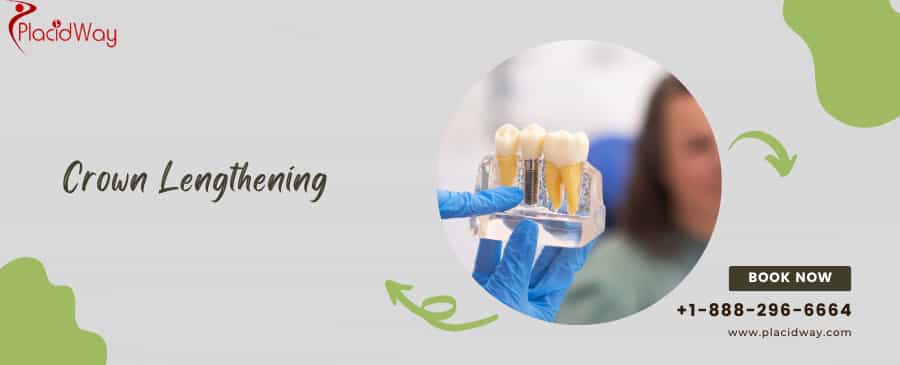
Uncover Your True Smile: Understanding Dental Crown Lengthening
Do you ever feel self-conscious about your smile, perhaps because you show too much gum when you laugh, or your teeth appear unusually short? Many people struggle with what’s often called a "gummy smile" or simply feel their teeth lack the ideal length. If this sounds familiar, dental crown lengthening might be the transformative solution you've been looking for.
Crown lengthening is a common dental procedure designed to reshape the gum line and, if necessary, the underlying bone, to expose more of the natural tooth structure. It’s a versatile treatment, serving both cosmetic purposes—like correcting a "gummy smile" to reveal a more balanced and appealing tooth-to-gum ratio—and functional ones, by making enough tooth surface available for a restorative procedure like a dental crown or filling.
Imagine looking in the mirror and seeing a smile that truly reflects your confidence. Patients often search for "how to fix a gummy smile," "make my teeth look longer," or "dental procedures for excess gum." Crown lengthening directly addresses these concerns, offering a path to a more aesthetic and often healthier smile. It's a precise and effective way to adjust the balance between your teeth and gums, creating a harmonious look. Whether you're seeking to enhance your smile's aesthetics or facilitate essential dental restorations, understanding crown lengthening is the first step towards achieving your dental goals.
What are the common signs you might need crown lengthening?
Identifying the need for crown lengthening often starts with observations about your smile and oral health. Here are the primary indicators:
- A "Gummy Smile" (Excessive Gingival Display): This is perhaps the most common reason people seek crown lengthening for cosmetic purposes. If a significant portion of your gum tissue is visible above your upper teeth when you smile, making your teeth appear short or disproportionate, you likely have a "gummy smile." This can lead to self-consciousness and a desire for a more balanced aesthetic. Patients often search for "gummy smile correction" or "fix too much gum showing."
- Short Teeth Appearance: Sometimes, your teeth might be of normal length, but they are covered by too much gum tissue, making them look stubby or short. Crown lengthening effectively "uncovers" more of the natural tooth, giving the appearance of longer, more proportionate teeth.
- Need for Restorative Dentistry: Beyond aesthetics, crown lengthening is frequently required for functional reasons. If a tooth has fractured or decayed below the gum line, or if an existing filling or crown needs replacement but there isn't enough tooth structure exposed to hold a new restoration, your dentist may recommend crown lengthening. This procedure exposes healthy tooth structure, allowing for proper placement and sealing of a new crown or filling, improving its longevity and fit. This is often described as "exposing more tooth for crown" or "dental repair below gum line."
- Difficulty Cleaning Teeth: In some cases, excess gum tissue can make it harder to effectively brush and floss, potentially increasing the risk of gum disease. By reducing excess gum, crown lengthening can improve access for better oral hygiene.
What causes excessive gum tissue or a "gummy smile"?
A "gummy smile" (clinically known as excessive gingival display) isn't just about the gums; it can stem from several underlying factors, alone or in combination:
- Altered Passive Eruption (APE): This is a very common cause. During normal tooth development, as permanent teeth emerge, the gum tissue recedes to reveal the full crown of the tooth. In APE, the gum tissue (and sometimes bone) fails to recede properly, leaving too much gum covering the teeth, making them appear short. This is largely genetic.
- Vertical Maxillary Excess: In some cases, the upper jaw bone (maxilla) itself is too long, causing the gums to protrude more prominently and leading to a "gummy smile." This is a skeletal issue that might require orthodontic treatment or orthognathic surgery in severe cases, though crown lengthening can still play a role in aesthetic refinement.
- Hyperactive Upper Lip: If your upper lip lifts too high when you smile, it can expose more gum tissue, even if the gum line itself is normal. While not directly fixed by crown lengthening, it can contribute to the overall gummy smile appearance. Botox injections are sometimes used for this specifically.
- Enlarged Gums (Gingival Hypertrophy/Hyperplasia): Certain medications (e.g., some anti-seizure drugs, immunosuppressants, calcium channel blockers for high blood pressure) can cause the gum tissue to overgrow. Poor oral hygiene and inflammation can also contribute to swollen, enlarged gums.
- Genetics: Just like many other physical traits, the way your gums develop and the length of your teeth and jaw can be inherited from your parents.
Understanding the root cause is crucial for your dentist to recommend the most effective treatment plan, which often involves crown lengthening.
What types of crown lengthening procedures are available?
Crown lengthening is typically categorized by its primary goal: aesthetic enhancement or functional restoration. The techniques used can vary based on the amount of gum and bone reduction required.
1. Aesthetic Crown Lengthening (for Gummy Smiles):
- Goal: To improve the appearance of a "gummy smile" by exposing more natural tooth structure and creating a more balanced, harmonious gum line. Patients often ask about "gummy smile surgery" or "cosmetic gum reshaping."
- Procedure: This usually involves removing excess gum tissue (a procedure called a gingivectomy) to reveal the full crown of the tooth. In some cases, if the bone is too close to the tooth surface (a biological width violation), a small amount of bone may also need to be reshaped (osseous recontouring) to create a healthy space between the tooth, gum, and bone.
- Result: Teeth appear longer and more proportionate, leading to a more appealing smile.
2. Functional Crown Lengthening (for Restorative Purposes):
- Goal: To expose sufficient healthy tooth structure above the gum line so that a dental crown, filling, or other restoration can be properly placed and effectively sealed. This is crucial when decay, fracture, or wear extends below the gum line. Patients search for "expose tooth for crown" or "get more tooth for filling."
- Procedure: This type almost always involves both reshaping gum tissue and removing a small amount of bone around the affected tooth. This creates the necessary "biological width"—a crucial space needed for healthy gum tissue attachment, ensuring the new restoration doesn't impinge on the gum's natural healing and attachment.
- Result: Allows for stable, long-lasting dental restorations by providing a clean, dry, and accessible tooth surface for the dentist to work with.
Both types of procedures are performed under local anesthesia. The dentist or periodontist uses specialized instruments, sometimes including lasers, to carefully remove or reshape tissue. The approach chosen will depend on your specific needs, the amount of tissue to be removed, and the underlying bone structure.
Am I a good candidate for dental crown lengthening?
Determining if you're a suitable candidate for crown lengthening requires a comprehensive evaluation by a qualified dentist or periodontist. Generally, good candidates meet the following criteria:
- Good Overall Oral Health: You should have healthy gums free from active periodontal disease (gum disease). Any existing gum infections or significant inflammation will need to be treated before crown lengthening can be performed.
- Sufficient Tooth Structure: For functional crown lengthening, there must be enough healthy tooth structure remaining to allow for the placement of a successful restoration after the procedure.
- Stable Bone Support: The bone surrounding your teeth should be healthy and provide adequate support. Significant bone loss due to advanced periodontal disease might complicate the procedure or make it unsuitable.
- Specific Aesthetic or Functional Needs: You are a candidate if you have a "gummy smile" that makes your teeth appear short and desire an aesthetic improvement, or if you need to expose more tooth for a restorative procedure like a crown or filling due to decay or fracture below the gum line.
- Realistic Expectations: It's important to understand the procedure, potential outcomes, and recovery process. Your dentist will discuss what results are achievable for your specific case.
- Commitment to Oral Hygiene: Maintaining excellent oral hygiene after the procedure is crucial for long-term success and to prevent future gum issues.
During your consultation, your dentist will examine your teeth, gums, and bone structure, take X-rays, and discuss your medical history to ensure crown lengthening is the right and safest option for you.
What is the typical recovery time after a crown lengthening procedure?
The recovery process after a crown lengthening procedure generally involves several stages, with initial healing being relatively quick and complete tissue remodeling taking longer. Here's what you can typically expect:
- Immediate Post-Procedure (First 24-72 hours):
- Discomfort: You may experience mild to moderate discomfort, which can usually be managed with over-the-counter pain relievers or prescribed medication.
- Swelling: Some swelling in the treated area is normal. Applying an ice pack intermittently can help reduce this.
- Bleeding: Slight oozing or bleeding is common immediately after the procedure.
- Diet: Stick to soft foods and liquids to avoid irritating the surgical site.
- Oral Hygiene: Your dentist will provide specific instructions for cleaning around the treated area, often involving gentle rinsing with an antibacterial mouthwash and avoiding direct brushing initially.
- First Week (Days 3-7):
- Stitches/Dressing: If stitches were used, they are usually dissolvable or will be removed by your dentist at a follow-up appointment, typically around 7-10 days. A protective dressing (perio-pack) might be placed over the gums, which will also be removed at this time.
- Reduced Discomfort: Pain and swelling should significantly subside.
- Gradual Return to Normal Diet: You can slowly reintroduce more solid foods as comfort allows, but still avoid very hard, crunchy, or spicy items.
- Full Gum Healing (2-4 Weeks):
- The gum tissue will typically be fully healed on the surface within 2-4 weeks. At this point, you can generally resume normal eating and oral hygiene practices, as advised by your dentist.
- Bone Remodeling (3-6 Months):
- If bone was recontoured during the procedure, the underlying bone will take longer to fully heal and remodel, typically 3 to 6 months. This longer healing period is particularly relevant if you are having a crown placed afterwards, as your dentist will likely wait for this bone remodeling to stabilize before taking final impressions for the crown.
Following your dentist's post-operative instructions meticulously is key to a smooth and successful recovery. This includes taking prescribed medications, maintaining good oral hygiene, and attending follow-up appointments.
What are the potential risks and side effects of crown lengthening surgery?
Like any surgical procedure, crown lengthening carries some potential risks and side effects. While it is generally considered safe and effective, it's important to be aware of these possibilities:
- Tooth Sensitivity: After the procedure, the exposed tooth root may be more sensitive to hot, cold, or sweet stimuli. This sensitivity is often temporary, lasting a few weeks to several months, but can occasionally be permanent. Desensitizing toothpastes or treatments can help.
- Bleeding: Some minor bleeding is normal immediately after surgery. Persistent or excessive bleeding is rare but should be reported to your dentist.
- Infection: Though rare, infection at the surgical site is a possibility. Your dentist may prescribe antibiotics to prevent this.
- Gum Recession: While the goal of the procedure is controlled gum recession to expose more tooth, sometimes the gums may recede more than initially planned, exposing more root surface than desired.
- Uneven Gum Line: In some cases, especially if not performed by an experienced periodontist or dentist, the gum line might not heal perfectly evenly, requiring minor corrections.
- Root Caries (Cavities): When more root surface is exposed, it can be slightly more susceptible to decay than enamel, making diligent oral hygiene even more important.
- Nerve Damage (Rare): In very rare instances, the nerves supplying the teeth or gums could be affected, leading to temporary or permanent numbness. This is extremely uncommon in crown lengthening.
- Relapse: In some cases, gum tissue may grow back slightly, diminishing the effect of the procedure. This is less common when bone reshaping is also performed to establish adequate biological width.
Your dental professional will discuss these risks with you in detail during your consultation and will take all necessary precautions to minimize them. Choosing an experienced and qualified practitioner is key to a successful outcome.
How much does crown lengthening cost worldwide? (Cost Comparison Table)
The cost of crown lengthening can vary widely depending on several factors, including the number of teeth involved, whether bone recontouring is needed, the dentist's or periodontist's fees, the complexity of the case, and most significantly, the geographical location. Patients often search for "crown lengthening cost USA," "how much for gummy smile surgery," or "affordable dental crown lengthening."
Here's a general cost comparison to give you an idea of price differences globally (prices are estimates per tooth and can vary significantly):
| Country/Region | Estimated Cost Per Tooth (USD) | Notes |
|---|---|---|
| USA / Canada / UK / Western Europe | $500 - $4,000+ | Highest costs. Often varies by city and specialist. Insurance coverage is rare for cosmetic cases. |
| Mexico | $150 - $600 | Very popular for US/Canada patients due to proximity and quality. |
| Turkey | $100 - $500 | Growing reputation for high-quality dental care at competitive prices. |
| Costa Rica | $200 - $700 | Known for excellent dental tourism, especially for North Americans. |
| Colombia | $180 - $650 | Emerging dental tourism hub with highly skilled professionals. |
| Thailand | $150 - $600 | Long-standing destination for medical and dental tourism, combining treatment with travel. |
As you can see, the savings in medical tourism destinations can be substantial, often 50-80% lower than in Western countries, even when factoring in travel and accommodation costs. This makes traveling abroad an attractive option for many seeking "affordable crown lengthening" or "dental work overseas."
Why should I consider traveling abroad for my crown lengthening procedure?
The decision to travel abroad for a medical procedure like crown lengthening is becoming increasingly popular, and for good reason. Here are compelling factors that make international dental care an appealing option:
- Significant Cost Savings: This is often the primary driver. As seen in the cost comparison, procedures like crown lengthening can be dramatically more affordable in countries known for medical tourism, often saving patients thousands of dollars compared to prices in their home countries. Patients often search for "cheap crown lengthening abroad" or "dental treatment overseas savings."
- Access to Highly Qualified Specialists: Many international clinics boast world-class dentists and periodontists who are trained in leading global institutions and have extensive experience with advanced dental procedures. They often utilize the latest technology and techniques.
- State-of-the-Art Facilities: Dental clinics in popular medical tourism destinations are often modern, well-equipped, and adhere to international standards of safety and hygiene to attract international patients.
- Reduced Waiting Times: In some countries, lengthy waiting lists for non-urgent dental procedures can be a concern. Traveling abroad often means you can schedule your treatment much sooner, accelerating your path to a healthier smile.
- Opportunity for a "Dental Vacation": Combining your dental treatment with a trip to an exotic destination offers a unique blend of health and leisure. You can recover in a beautiful setting, explore new cultures, and enjoy a memorable experience. Many consider this "dental holidays" or "combining dental work with travel."
- Privacy and Anonymity: For some, the privacy of undergoing a cosmetic procedure away from their immediate social circle is also a benefit.
For many, the blend of affordability, quality, and the unique travel experience makes traveling abroad for crown lengthening a smart and appealing choice.
Which countries offer the best value for crown lengthening and dental care?
When considering crown lengthening abroad, certain countries consistently stand out for offering an excellent balance of quality, affordability, and patient experience. These destinations have well-established medical tourism infrastructures and reputable dental clinics:
- Mexico: Especially popular for patients from the United States and Canada due to its close proximity. Cities like Tijuana, Cancun, and Los Algodones (often called "Molar City") are renowned for their numerous high-quality dental clinics, English-speaking staff, and significantly lower prices. Patients search for "dental work in Mexico" or "gummy smile surgery Mexico."
- Turkey: An increasingly popular choice for European patients and beyond, particularly Istanbul and Antalya. Turkey offers modern dental facilities, highly skilled dentists, and competitive pricing for a wide range of cosmetic and restorative procedures, including crown lengthening. It's also a fantastic tourist destination.
- Costa Rica: Known for its beautiful landscapes and eco-tourism, Costa Rica also has a strong reputation for dental tourism, particularly in San José. Dentists are often U.S.-trained, and clinics maintain high standards, attracting many North American patients seeking "dental crown lengthening Costa Rica."
- Colombia: Cities like Medellín and Bogotá are emerging as prime dental tourism destinations. Colombia boasts highly educated and skilled dentists, advanced technology, and significantly lower costs, making it an attractive option for complex dental work and cosmetic enhancements.
- Thailand: A long-standing leader in medical tourism, Thailand offers world-class dental care in vibrant cities like Bangkok and Phuket. Patients can combine their crown lengthening procedure with a tropical vacation, benefiting from excellent service and highly competitive prices.
When choosing a country, consider factors like the country's regulations, clinic accreditations (e.g., JCI), dentist qualifications, language barriers, and ease of travel. Reputable medical tourism facilitators like PlacidWay can help you navigate these choices and connect you with trusted clinics.
How can I ensure safety and quality when getting crown lengthening abroad?
Ensuring safety and quality is paramount when considering any medical procedure abroad. While many international clinics offer excellent care, due diligence is key. Here’s how you can make an informed and safe choice:
- Thorough Research of Clinics and Dentists:
- Credentials and Experience: Verify the dentist's qualifications, specializations (e.g., periodontist), and years of experience. Look for dentists who have trained internationally or have affiliations with recognized dental associations.
- Clinic Reputation: Research the clinic’s history, cleanliness, and overall patient satisfaction. Search for "best dental clinics abroad for crown lengthening."
- Check for Accreditations and Certifications:
- International Accreditations: Look for clinics accredited by international bodies like the Joint Commission International (JCI). This signifies adherence to stringent quality and safety standards.
- Local Licenses: Ensure the clinic and its practitioners are fully licensed by the relevant local health authorities.
- Read Patient Reviews and Testimonials:
- Look for reviews on independent platforms, social media, and dental tourism forums. Pay attention to feedback regarding the procedure itself, the clinic environment, and the professionalism of the staff.
- Request Before-and-After Photos:
- Seeing examples of previous crown lengthening cases performed by the dentist can give you a clear idea of their aesthetic and functional results.
- Clear Communication and Consultation:
- Virtual Consultations: Many clinics offer virtual consultations. Use these to discuss your specific needs, ask questions about the procedure, recovery, and potential risks, and assess their communication style.
- Language Barrier: Ensure there are English-speaking staff or readily available interpreters to avoid misunderstandings.
- Use a Reputable Medical Tourism Facilitator:
- PlacidWay specializes in connecting patients with accredited and trusted international healthcare providers. We vet clinics, help with travel logistics, and provide transparent information, acting as an extra layer of assurance for your "dental travel" plans.
- Understand the Treatment Plan and Costs:
- Get a detailed written treatment plan and a clear breakdown of all costs, including the procedure, anesthesia, follow-up appointments, and any potential unforeseen expenses.
- Plan for Post-Procedure Care:
- Discuss what follow-up care is needed once you return home and how your local dentist can collaborate with your international provider, if necessary.
By following these steps, you can significantly mitigate risks and increase your chances of a successful and positive experience with crown lengthening abroad.
Take the Next Step with PlacidWay
Ready to explore treatment options abroad? Discover top clinics, compare prices, and get a free quote tailored to your needs with PlacidWay.
Dental Tourism | Cosmetic Dentistry | Implants | Root Canals | Dentures | Bridges | Orthodontics | Dental Holidays Abroad


















Share this listing