
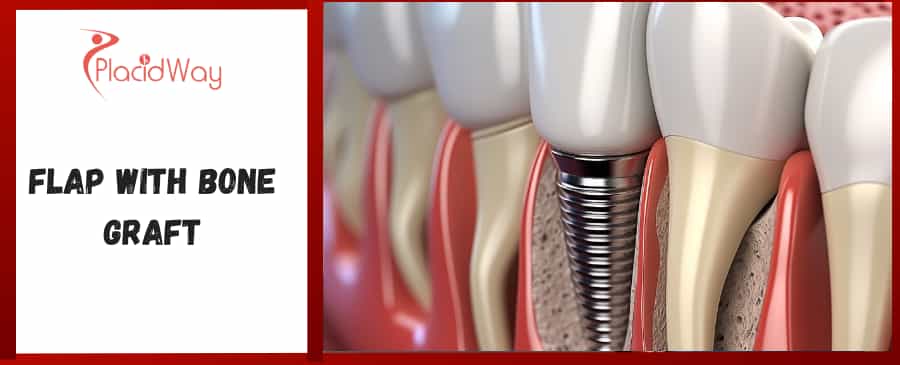
Restore Your Smile: Understanding Flap with Bone Graft Surgery
Facing dental challenges like significant bone loss in your jaw can be daunting. You might be experiencing loose teeth, receding gums, or even difficulties eating comfortably. For many, these are signs that a procedure like a flap with bone graft could be life-changing. This advanced dental surgery is a cornerstone in restoring oral health, providing the foundation needed to save natural teeth or prepare for successful dental implants.
Imagine your jawbone as the sturdy foundation of a house. When this foundation weakens or erodes, the structures it supports – your teeth – become unstable. A flap with bone graft procedure is designed to rebuild and strengthen this crucial foundation. It involves gently lifting the gum tissue (the "flap") to access the underlying bone, allowing for the placement of new bone material (the "bone graft"). This material then encourages your body to regenerate its own bone, creating a stronger, healthier base.
This procedure is not just about aesthetics; it's about function, comfort, and preventing further oral health deterioration. It’s commonly recommended for individuals suffering from advanced periodontal (gum) disease, those who have lost teeth and experienced subsequent jawbone resorption, or patients needing sufficient bone for future dental implant placement.
For many international patients, exploring options for a flap with bone graft abroad has become an attractive solution. Countries renowned for medical tourism offer world-class dental care, cutting-edge technology, and highly skilled specialists, often at a fraction of the cost found in their home countries. If you're searching for "dental bone graft cost abroad," "gum flap surgery for bone loss," or "jawbone regeneration overseas," you're on the right path to discovering how this procedure can transform your oral health and overall well-being.
What is a flap with bone graft, and why is it needed?
A flap with bone graft is a two-part surgical procedure aimed at restoring bone volume in the jaw. First, a "flap" of gum tissue is carefully lifted by the dentist or oral surgeon to expose the underlying jawbone and tooth roots. This provides clear access to the affected area, allowing for thorough cleaning of bacteria and diseased tissue, especially in cases of severe gum disease. Once the area is prepared, a "bone graft" material is placed into the areas where bone has been lost. This material acts as a scaffold, stimulating your body's natural healing process to grow new bone cells around it.
The primary reasons for needing this procedure include:
- Preparing for Dental Implants: Implants require a certain amount of healthy, dense jawbone for stable placement. If bone has atrophied after tooth loss, a graft creates the necessary foundation.
- Treating Advanced Periodontal Disease: When gum disease has progressed to bone loss, the graft can help regenerate the supporting bone around existing teeth, preventing further loosening and potential tooth loss.
- Repairing Bone Defects: Bone loss can occur due to trauma, infection, cysts, or congenital defects. A graft can repair these deficiencies, restoring the jaw's structure and function.
- Preserving Tooth Extraction Sites: Sometimes, a "socket preservation" graft is performed immediately after a tooth extraction to prevent bone collapse and maintain the jawbone's width and height, making future implant placement easier.
How do I know if I need a flap with bone graft? (Symptoms)
Recognizing the signs of bone loss in your jaw is crucial for timely intervention. While some bone loss can be asymptomatic in early stages, several tell-tale signs often prompt patients to seek dental care. If you're experiencing any of the following, it's wise to consult a dentist who can assess your jawbone health:
- Loose or Shifting Teeth: As the bone supporting your teeth diminishes, they can become unstable and even change position.
- Receding Gums: Gums pulling away from the teeth can expose roots and indicate underlying bone issues, often a symptom of "gum flap surgery bone loss."
- Persistent Bad Breath or Taste: Often a sign of advanced gum disease, which directly impacts bone health.
- Pain or Swelling: While not always present, pain or swelling in the gums or jaw can signal infection or inflammation leading to bone deterioration.
- Difficulty Chewing: Weakened tooth support can make biting and chewing certain foods uncomfortable or painful.
- Changes in Facial Structure: After prolonged tooth loss, the jawbone can resorb significantly, leading to a sunken or aged appearance, particularly around the mouth and chin.
- Visible Gaps or Spaces: As teeth shift due to bone loss, new gaps might appear or existing ones might widen.
A definitive diagnosis for bone loss requires professional assessment, including dental X-rays or 3D CT scans, which accurately visualize the amount and density of your jawbone.
What causes jawbone loss that requires a bone graft? (Causes & Risk Factors)
Understanding the root causes of jawbone loss can help in prevention and early treatment. The most common culprits include:
- Periodontal (Gum) Disease: This is the leading cause. Chronic bacterial infection and inflammation of the gums gradually destroy the soft tissues and bone supporting your teeth. As the disease progresses, it creates pockets between teeth and gums where bacteria thrive, further eroding the bone.
- Tooth Loss: When a tooth is extracted or lost, the jawbone in that area no longer receives the stimulation it needs from chewing. Without this stimulation, the bone naturally begins to resorb or shrink. This process can be quite rapid, with significant bone loss occurring within the first year after tooth extraction. This is why "bone graft for dental implants" is so frequently needed.
- Trauma or Injury: Fractures, severe blows, or other injuries to the jaw can directly damage bone tissue, leading to loss or defects that require grafting.
- Infections and Cysts/Tumors: Untreated infections (like severe dental abscesses) or the presence of cysts and tumors in the jaw can destroy surrounding bone tissue.
- Long-term Denture Use: While dentures replace missing teeth, they don't provide the necessary stimulation to the underlying bone. Over time, the jawbone beneath dentures can resorb, leading to ill-fitting prosthetics and further bone loss.
- Certain Medical Conditions and Medications: Conditions like osteoporosis can affect bone density throughout the body, including the jaw. Some medications, particularly bisphosphonates (used for osteoporosis or certain cancers), can also impact jawbone health.
Are there different types of bone grafts and flap surgeries?
The world of dental bone grafting and flap surgery offers several specialized techniques to address varying needs. The choice of procedure depends on the extent of bone loss, its location, and the patient's overall health and preferences.
Types of Bone Graft Materials:
- Autogenous Graft (Autograft): Bone is harvested from the patient's own body (e.g., from the jaw, hip, or shin). This is considered the "gold standard" as it contains living bone cells, minimizing rejection risk and promoting excellent healing.
- Allograft: Bone tissue comes from a deceased human donor, processed to ensure safety and sterility.
- Xenograft: Bone material is derived from an animal source, usually bovine (cow) or porcine (pig), also meticulously sterilized.
- Alloplast: Synthetic bone graft materials, such as hydroxyapatite or tricalcium phosphate, are used to stimulate new bone growth.
Common Bone Graft Procedures:
- Socket Preservation (Ridge Augmentation): Performed immediately after tooth extraction to fill the empty socket, preventing bone collapse and preparing for future implants.
- Sinus Lift: When the upper jawbone is thin due to the proximity of the maxillary sinuses, the sinus membrane is gently lifted, and bone graft material is placed to increase bone height for implants.
- Guided Bone Regeneration (GBR): A membrane is placed over the bone graft to protect it and guide bone growth, preventing soft tissue from growing into the grafted area.
Types of Flap Surgery (often combined with bone grafts):
- Open Flap Debridement: Gums are lifted to thoroughly clean deep pockets of bacteria and diseased tissue, and bone is reshaped if necessary.
- Regenerative Procedures: Using bone grafts, membranes, and tissue-stimulating proteins to encourage the regeneration of lost bone and gum tissue.
Who is a good candidate for a flap with bone graft? (Eligibility)
Determining eligibility for a flap with bone graft involves a thorough assessment of your oral health, general medical history, and lifestyle. While many people can benefit, certain factors ensure the highest chances of success:
You may be a good candidate if you:
- Have Insufficient Jawbone: Your dentist or oral surgeon has identified that you lack adequate bone volume or density to support dental implants or to stabilize existing teeth.
- Suffer from Advanced Periodontal Disease: Your gum disease has led to bone loss around your teeth, threatening their stability.
- Are in Good General Health: You have no uncontrolled systemic diseases (like uncontrolled diabetes or severe heart conditions) that could impair healing.
- Maintain Good Oral Hygiene: You are committed to excellent oral hygiene practices, as this is crucial for the success and longevity of the graft.
- Are a Non-Smoker or Willing to Quit: Smoking significantly compromises healing and increases the risk of graft failure and complications.
- Are Free of Active Oral Infections: Any existing infections must be treated before the bone graft procedure.
Contraindications or factors that might delay treatment:
- Uncontrolled diabetes
- Active oral infections
- Certain medications, particularly long-term bisphosphonate use (requires careful consultation)
- Severe bleeding disorders
- Heavy smoking or alcohol consumption
- Compromised immune system
A comprehensive consultation with an experienced dental professional is essential to determine if this procedure is right for you, taking into account "flap surgery for bone loss considerations."
What is the recovery process like after a bone graft and flap procedure?
The recovery process after a flap with bone graft procedure is a gradual journey, with different stages of healing. While immediate post-operative care focuses on managing discomfort and preventing complications, the long-term goal is successful bone integration.
Immediate Post-Operative (First Few Days):
- Pain and Swelling: It's normal to experience mild to moderate pain and swelling, which can be managed with prescribed pain medication and cold compresses. Swelling usually peaks on day 2-3 and subsides within a week.
- Bleeding: Slight oozing or bleeding is common for the first 24-48 hours.
- Diet: A soft, non-chewy diet is recommended to avoid disturbing the surgical site.
- Oral Hygiene: Gentle rinsing with an antiseptic mouthwash (often prescribed) is advised, while avoiding brushing directly over the surgical area initially.
Short-Term Recovery (1-2 Weeks):
- Suture Removal: If non-dissolvable sutures were used, they are typically removed after 7-10 days.
- Activity: Strenuous exercise should be avoided during this period to prevent increased bleeding or swelling.
- Diet: You can gradually introduce more solid foods as comfort allows, still avoiding hard, crunchy, or sticky items.
- Soft Tissue Healing: The gums and soft tissues usually heal within 1-2 weeks.
Long-Term Healing (3-9 Months):
- Bone Integration: This is the most critical phase, where the bone graft material integrates with your natural bone. This process, called osseointegration, takes several months. Your dentist will monitor progress with X-rays.
- Patience is Key: It's vital not to rush the next steps, such as placing dental implants, until sufficient bone healing has occurred.
Following all "dental bone graft healing time" instructions from your surgeon is paramount for a successful outcome.
What are the potential risks and side effects of this surgery?
Like any surgical procedure, a flap with bone graft carries some potential risks and side effects, though serious complications are relatively rare, especially when performed by an experienced oral surgeon or periodontist. It's important to be aware of these possibilities:
Common Side Effects (usually temporary):
- Swelling and Bruising: Expected around the surgical site and sometimes extending to the face.
- Pain and Discomfort: Managed with prescription or over-the-counter pain relievers.
- Slight Bleeding or Oozing: Normal for the first day or two.
- Numbness: Temporary numbness in the lip, chin, or tongue due to nerve irritation is possible but usually resolves.
Potential Risks and Complications (less common):
- Infection: Though antibiotics are often prescribed, infection can occur at the graft site.
- Graft Failure: The bone graft may not integrate successfully, requiring additional procedures. Factors like smoking or poor oral hygiene increase this risk.
- Nerve Damage: In rare cases, permanent nerve damage can occur, leading to persistent numbness or altered sensation.
- Sinus Perforation: During upper jaw bone grafts (sinus lifts), the sinus membrane can be perforated. This is usually repaired during the surgery, but in some cases, it can lead to sinus issues.
- Rejection of Graft Material: While rare with modern graft materials, the body can sometimes reject the foreign material.
- Scarring: Though minimal and usually hidden, some soft tissue scarring can occur.
Your surgeon will discuss these "bone graft complications" in detail and explain measures to minimize them. Adhering to post-operative instructions is the best way to reduce risks.
How much does a flap with bone graft cost worldwide? (Cost Comparison)
The cost of a flap with bone graft procedure can fluctuate widely depending on several factors, including the type of graft material used, the extent of bone loss, the complexity of the surgery, the surgeon's fees, the clinic's location, and whether it's performed in conjunction with other procedures. For many, seeking treatment internationally offers a significant financial advantage without compromising on quality.
Here's an approximate cost comparison for a single site bone graft with flap, illustrating the potential savings through medical tourism:
| Country | Estimated Cost Range (USD) | Notes |
|---|---|---|
| United States | $1,500 - $5,000+ | High costs, but often covered partly by insurance (if medically necessary). |
| Canada | $1,200 - $4,500+ | Similar to US, often with long wait times. |
| United Kingdom | £1,000 - £3,500 ($1,200 - $4,200)+ | Private clinics; NHS coverage rare for elective procedures. |
| Mexico | $500 - $1,500+ | Very popular for US/Canada patients due to proximity and significant savings. |
| Costa Rica | $600 - $1,800+ | Known for high-quality dental care in a beautiful setting. |
| Turkey | $700 - $2,000+ | Emerging hub for dental tourism, competitive pricing, modern clinics. |
| Thailand | $800 - $2,200+ | Excellent facilities and hospitality, popular for combining treatment with vacation. |
| India | $400 - $1,200+ | Highly affordable with a growing reputation for quality medical services. |
These figures are estimates and can change based on the specific clinic, surgeon's expertise, and the type of bone graft material used. The savings, however, are clear, making "bone graft abroad cost" a significant factor for many patients.
Why should I consider a flap with bone graft in another country? (Medical Tourism)
The decision to travel abroad for medical care, especially for procedures like a flap with bone graft, is becoming increasingly popular. It's not just about a change of scenery; it's about making smart healthcare choices that align with your financial and personal needs. Here’s why medical tourism for dental procedures holds immense appeal:
- Significant Cost Savings: As seen in the cost comparison, the most compelling reason is often the dramatic reduction in price. Patients can save anywhere from 50% to 70% or more compared to costs in Western countries, even after factoring in travel and accommodation.
- Access to High-Quality Care and Advanced Technology: Many international dental clinics cater specifically to medical tourists and boast state-of-the-art facilities, modern equipment, and highly trained specialists, often educated in leading global institutions.
- Reduced Waiting Times: In some countries, long waiting lists for specialized dental procedures can delay treatment. Going abroad can mean quicker access to the care you need, allowing you to begin your healing journey sooner.
- Privacy and Anonymity: Some patients prefer the discretion that comes with receiving medical treatment away from their local community.
- Opportunity for a "Dental Vacation": Combining your treatment with a vacation allows you to recover in a relaxing environment, explore a new culture, and make the most of your travel. Popular destinations like Costa Rica, Mexico, and Thailand are renowned for their beautiful landscapes and tourist attractions.
- Comprehensive Packages: Many clinics and medical tourism facilitators (like PlacidWay) offer all-inclusive packages that cover treatment, accommodation, airport transfers, and sometimes even local excursions, streamlining the entire process.
These benefits contribute to a growing trend of individuals searching for "dental tourism bone graft" and similar terms, indicating a global shift towards accessible and affordable healthcare solutions.
How can I choose a safe and high-quality clinic for bone graft surgery abroad? (Medical Tourism)
Choosing the right clinic and surgeon for your flap with bone graft procedure abroad is paramount. While the cost savings are attractive, quality and safety should always be your top priorities. Here’s a comprehensive guide to help you make an informed decision:
- Accreditation and Certifications: Look for clinics that hold international accreditations, such as those from the Joint Commission International (JCI) or ISO certifications. These indicate adherence to global standards for patient safety and quality of care.
- Surgeon's Qualifications and Experience:
- Verify their educational background, specialized training (e.g., periodontist, oral surgeon), and years of experience performing bone grafts and flap procedures.
- Inquire about their success rates and ask to see before-and-after photos or patient testimonials.
- Ensure they are fluent in English or have reliable translators on staff.
- Facility Standards and Technology:
- Research the clinic's facilities – are they modern, clean, and well-equipped with advanced diagnostic tools (e.g., 3D CT scanners)?
- Confirm they use high-quality, reputable bone graft materials.
- Patient Reviews and Testimonials: Look for genuine reviews on independent platforms. Pay attention to feedback regarding communication, post-operative care, and overall patient experience. Many patients share positive "patient success stories from abroad" for bone grafts.
- Transparency in Pricing: Ensure the clinic provides a detailed, all-inclusive quote, outlining all costs associated with the procedure, anesthesia, follow-ups, and any potential incidentals. Avoid clinics that are vague about pricing.
- Post-Operative Care and Follow-Up: Understand what kind of aftercare and remote follow-up support the clinic offers once you return home.
- Utilize a Medical Tourism Facilitator: Companies like PlacidWay specialize in connecting patients with reputable clinics worldwide. They can assist with vetting facilities, organizing travel logistics, facilitating communication, and providing unbiased information to help you compare options and ensure a safe, high-quality experience. They can be invaluable in navigating "what to expect when traveling for this procedure" and ensuring quality.
By taking these steps, you can confidently select a clinic and surgeon that will provide excellent care for your flap with bone graft procedure, helping you achieve lasting oral health and a beautiful smile.
Take the Next Step with PlacidWay
Ready to explore treatment options abroad? Discover top clinics, compare prices, and get a free quote tailored to your needs with PlacidWay.
Dental Tourism | Cosmetic Dentistry | Implants | Root Canals | Dentures | Bridges | Orthodontics | Dental Holidays Abroad




.png)
.png)




.png)
.png)

.png)












Share this listing