


Explore Minimally Invasive Laparoscopic Surgery Abroad
In the world of modern medicine, advancements are constantly improving patient care and outcomes. One such innovation, Laparoscopic Surgery, has revolutionized how many common procedures are performed. Gone are the days when every surgery required large incisions and lengthy recovery periods. Today, with "keyhole surgery," patients can often experience less pain, shorter hospital stays, and quicker returns to their daily lives.
But what exactly is Laparoscopic Surgery, and why are so many people seeking it out, especially through medical tourism? Simply put, it's a minimally invasive surgical technique that uses small incisions, a tiny camera (laparoscope), and specialized instruments to perform operations inside the abdomen or pelvis. This approach offers significant benefits over traditional open surgery, making it an attractive option for a wide range of conditions.
For those considering vital procedures like gallbladder removal, hernia repair, or even certain gynecological surgeries, Laparoscopic Surgery presents a less daunting path. When combined with the growing trend of medical tourism, it opens up opportunities for high-quality care at a more accessible cost, often in world-class facilities. This guide will help you understand Laparoscopic Surgery, its benefits, and how medical tourism can make your treatment journey smoother and more affordable.
What is Laparoscopic Surgery and How Does it Work?
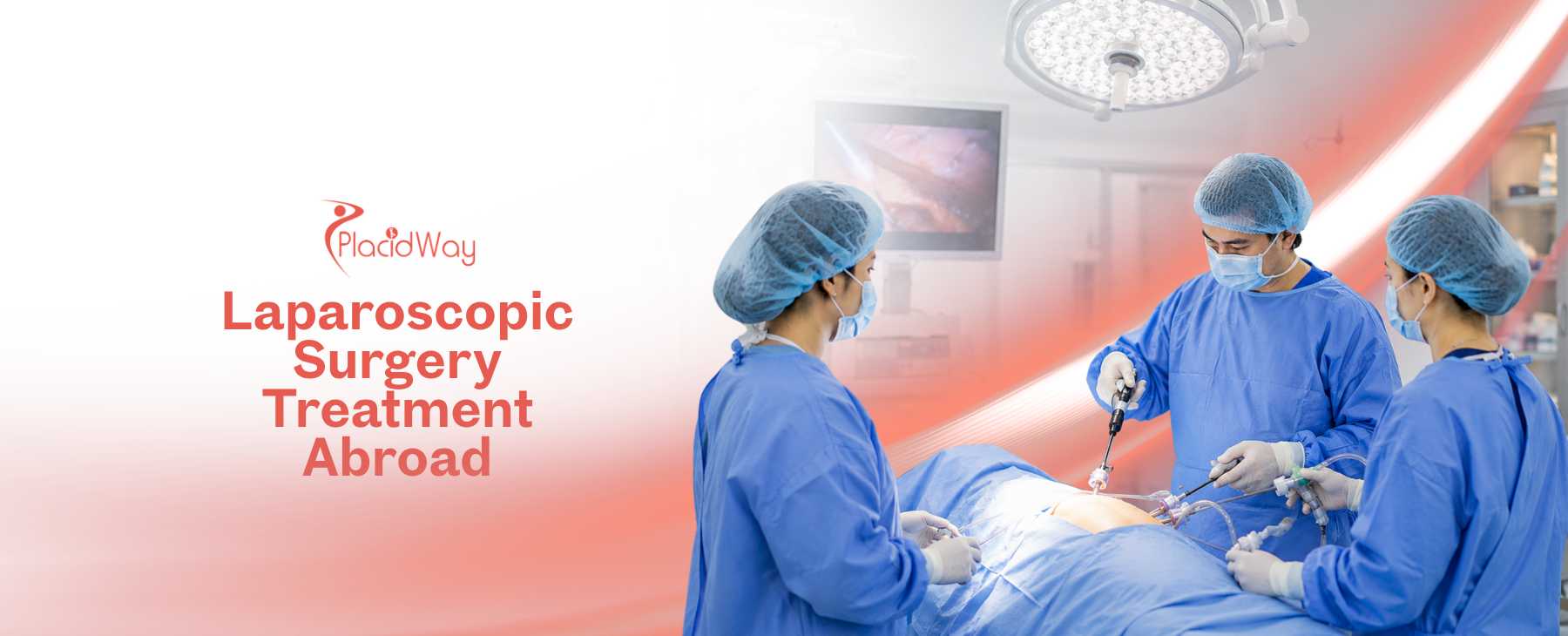
Laparoscopic surgery, often called keyhole surgery or minimally invasive surgery, represents a significant leap forward in surgical techniques. Instead of a single large incision, the surgeon makes several small cuts, usually no larger than half an inch. Through one of these incisions, a laparoscope – a thin tube with a camera and light source – is inserted, sending images to a video monitor in the operating room. This allows the surgical team to see magnified views of the patient's internal organs.
Other small incisions are used to insert specialized surgical instruments, which the surgeon manipulates from outside the body. To create space for the surgeon to work and improve visibility, carbon dioxide gas is gently introduced into the abdomen to inflate it. This technique minimizes trauma to surrounding tissues, leading to less pain, reduced blood loss, and a faster recovery compared to traditional open surgery.
What Conditions Can Be Treated with Laparoscopic Surgery?
The versatility of laparoscopic techniques means they can be applied to a wide array of medical conditions, offering a less invasive option for many patients. This has become the standard approach for numerous common procedures due to its proven benefits. Here are some of the most common types of laparoscopic surgeries:
- Laparoscopic Cholecystectomy (Gallbladder Removal): This is one of the most frequently performed laparoscopic procedures, used to treat gallstones and gallbladder inflammation. Patients typically go home the same day or the next.
- Laparoscopic Hernia Repair: Used to fix various types of hernias, such as inguinal, femoral, or umbilical hernias. It involves pushing the bulging tissue back into place and reinforcing the weakened abdominal wall with a synthetic mesh.
- Laparoscopic Appendectomy: The removal of an inflamed appendix. This is a very common emergency procedure that benefits greatly from the minimally invasive approach, leading to quicker discharge and less post-operative pain.
- Laparoscopic Hysterectomy and Ovarian Cyst Removal: In gynecology, laparoscopic techniques are widely used for removing the uterus (hysterectomy), ovaries, fallopian tubes, or benign ovarian cysts, significantly reducing recovery time for women.
- Laparoscopic Colectomy (Colon Resection): Used for conditions like diverticulitis, colon cancer, or inflammatory bowel disease, where a portion of the colon needs to be removed.
- Laparoscopic Bariatric Surgery: Procedures like gastric bypass or sleeve gastrectomy, crucial for weight loss in morbidly obese patients, are almost exclusively performed laparoscopically, offering a safer and faster recovery for this complex surgery.
- Laparoscopic Fundoplication: A procedure to treat severe gastroesophageal reflux disease (GERD) by wrapping the top part of the stomach around the lower esophagus.
- Diagnostic Laparoscopy: Sometimes, laparoscopic surgery is used purely for diagnostic purposes to examine internal organs, take biopsies, or identify the cause of abdominal pain or infertility when other imaging techniques are inconclusive.
The continuous evolution of surgical instruments and techniques means that the list of conditions treatable with laparoscopy is ever-expanding, offering more patients access to these less invasive benefits.
What Are the Key Benefits of Laparoscopic Surgery?
Compared to traditional open surgery, where a single large incision provides direct access to the surgical site, laparoscopic surgery offers a multitude of advantages that directly impact patient experience and recovery. These benefits are a major reason for its widespread adoption and why patients actively seek this type of procedure.
- Less Pain: Smaller incisions mean less muscle and tissue damage, resulting in significantly reduced post-operative pain and often less need for strong pain medication.
- Shorter Hospital Stay: Patients typically recover faster, leading to shorter stays in the hospital. Many can go home the same day or within 1-2 days, compared to several days for open surgery.
- Quicker Recovery: A faster healing process means patients can return to their normal daily activities, including work and exercise, much sooner.
- Reduced Scarring: The small incisions leave tiny scars that are often barely noticeable once fully healed, a significant cosmetic benefit.
- Lower Risk of Infection: With less exposure of internal organs to the outside environment, the risk of post-surgical infections is considerably reduced.
- Less Blood Loss: The precise nature of laparoscopic surgery generally leads to less bleeding during the procedure.
These combined benefits translate into a more comfortable and efficient recovery journey, allowing patients to regain their health and routine with minimal disruption.
How Long is the Recovery Process After Laparoscopic Surgery?
One of the most appealing aspects of laparoscopic surgery is its expedited recovery timeline. While specific recovery periods vary depending on the complexity of the procedure and the individual's overall health, patients can generally expect a much quicker bounce-back than with traditional surgery. For many routine laparoscopic procedures, such as gallbladder removal or appendectomy, patients are often discharged from the hospital on the same day or the following day.
Within a few days to a week, most individuals feel well enough to resume light daily activities. Full recovery, including strenuous exercise or heavy lifting, typically takes about 2 to 4 weeks. It's important to follow your surgeon's post-operative instructions carefully, which often include advice on wound care, pain management, and gradual reintroduction of physical activity to ensure optimal healing and prevent complications. Any medical travel plans should account for this recovery period to ensure a comfortable journey home.
Am I an Ideal Candidate for Laparoscopic Surgery?
While laparoscopic surgery offers numerous advantages, it's not universally suitable for every patient or every condition. A thorough evaluation by a qualified surgeon is essential to determine if you are an ideal candidate. Generally, good candidates are those who are in relatively good overall health, without severe underlying medical conditions that could increase surgical risks.
Factors that might influence candidacy include: the nature and extent of the condition being treated; a history of multiple previous abdominal surgeries, which can lead to extensive scar tissue and make laparoscopic access difficult; significant obesity; or certain severe heart or lung conditions that could make general anesthesia riskier. Your surgeon will discuss the pros and cons, potential risks, and alternative treatments to help you make an informed decision tailored to your specific situation.
What is the Global Cost of Laparoscopic Surgery and How Much Can I Save?
The cost of Laparoscopic Surgery can vary dramatically depending on the country, the specific procedure, the hospital's reputation, and the surgeon's fees. In countries like the USA, Canada, and Western Europe, these procedures can be quite expensive, often ranging from $10,000 to $30,000 or more, especially if insurance coverage is limited or non-existent.
This wide cost disparity is a primary driver for the growth of medical tourism. Patients can often find equally high-quality care, sometimes even better, in destinations known for medical tourism at a fraction of the price. The savings can be substantial, often 50-80% less than what they would pay in their home country, even when factoring in travel and accommodation costs. This makes life-changing procedures financially feasible for many who might otherwise be unable to afford them.
Laparoscopic Surgery Cost Comparison (Estimated)
| Procedure | USA / Western Europe | Mexico / Costa Rica | India / Thailand / Turkey |
|---|---|---|---|
| Laparoscopic Cholecystectomy (Gallbladder Removal) | $10,000 - $25,000 | $3,000 - $7,000 | $2,500 - $6,000 |
| Laparoscopic Hernia Repair | $8,000 - $20,000 | $2,500 - $6,000 | $2,000 - $5,500 |
| Laparoscopic Appendectomy | $12,000 - $30,000 | $4,000 - $8,000 | $3,500 - $7,500 |
| Laparoscopic Hysterectomy | $15,000 - $40,000 | $6,000 - $12,000 | $5,000 - $10,000 |
Note: These are estimated costs and can vary based on clinic, surgeon experience, and specific patient needs. It is always recommended to get a personalized quote.
Why Choose Medical Tourism for Your Laparoscopic Procedure?
Beyond the compelling cost savings, medical tourism offers several other significant advantages for patients seeking laparoscopic surgery. It's not just about affordability; it's about accessing comprehensive care that might not be readily available or as efficient in one's home country.
- Access to Expertise: Many medical tourism destinations boast highly trained, internationally certified surgeons who specialize in laparoscopic techniques. These doctors often have extensive experience due to the high volume of procedures performed.
- Advanced Facilities: International hospitals catering to medical tourists frequently feature state-of-the-art equipment, modern operating rooms, and excellent patient care infrastructure.
- Shorter Wait Times: In countries with universal healthcare or overburdened systems, patients often face long waiting lists for elective surgeries. Medical tourism can provide immediate access to necessary treatment.
- Privacy and Confidentiality: Some patients prefer to undergo medical procedures away from their local community for privacy reasons.
- Combination of Treatment and Travel: For many, the idea of recovering in a pleasant, scenic environment, or even combining their medical trip with a short vacation, adds an appealing dimension to their healthcare journey.
Which Countries Are Top Destinations for Laparoscopic Medical Tourism?
Several countries have emerged as global leaders in medical tourism for laparoscopic surgery, attracting patients from around the world due to their combination of quality care, affordability, and tourist appeal. These destinations have invested heavily in their healthcare infrastructure and training, ensuring international standards of care.
- Mexico: Particularly popular for US patients due to proximity, offering a wide range of laparoscopic procedures at highly competitive prices, especially in cities like Tijuana, Guadalajara, and Cancun.
- Costa Rica: Known for its beautiful environment and high-quality medical services, attracting patients seeking excellent care in a serene recovery setting.
- India: A powerhouse in medical tourism, India offers highly skilled surgeons, world-class hospitals, and extremely cost-effective treatment across almost all specialties, including complex laparoscopic surgeries.
- Thailand: Renowned for its hospitality and advanced private hospitals, Thailand provides top-tier medical care combined with an attractive tourist experience.
- Turkey: Positioned as a bridge between East and West, Turkey offers state-of-the-art medical facilities, experienced surgeons, and attractive packages for various laparoscopic procedures, particularly in Istanbul and Ankara.
Each destination has unique advantages, and the best choice often depends on the specific procedure, budget, and travel preferences of the patient.
How Do I Select a Reputable Clinic for Laparoscopic Surgery Abroad?
Choosing the right clinic and surgeon for your laparoscopic procedure abroad is paramount to a successful medical tourism experience. It requires thorough research and careful consideration of several key factors to ensure you receive safe, high-quality care.
- Accreditation: Look for international accreditations such as Joint Commission International (JCI), which signifies a commitment to global quality and patient safety standards. Other reputable accreditations like ISO can also be indicators of quality.
- Surgeon's Credentials and Experience: Verify the surgeon's qualifications, board certifications, and experience specifically with laparoscopic procedures. Ask about their success rates and the number of procedures they perform annually.
- Patient Reviews and Testimonials: Seek out genuine patient reviews, testimonials, and before/after photos (if applicable) to gauge other patients' experiences with the clinic and surgeon.
- Technology and Facilities: Ensure the clinic uses modern laparoscopic equipment and has up-to-date facilities. Advanced technology often translates to better outcomes.
- Communication and Support: Assess the clinic's responsiveness and clarity in communication. Do they offer language assistance? Is there a dedicated patient coordinator?
- Post-operative Care: Understand the details of post-operative care, including follow-up appointments, pain management, and what to do in case of complications, both while abroad and after returning home.
What Should I Consider for Safety and Quality of Care Overseas?
While the prospect of affordable, high-quality care abroad is appealing, patient safety and quality of care should always be the top priority. It's crucial to approach medical tourism with a discerning eye and ensure all necessary precautions are taken. Beyond accreditation, delve deeper into the clinic's practices.
- Pre-operative Consultations: Ensure you have comprehensive virtual consultations with your surgeon before traveling to discuss your case, expectations, and any potential risks.
- Anesthesia Safety: Confirm that qualified anesthesiologists are part of the surgical team and that safety protocols for anesthesia administration are rigorously followed.
- Emergency Preparedness: Inquire about the clinic's contingency plans for emergencies or complications, including access to intensive care units and specialized medical support.
- Medical Records Transfer: Plan for seamless transfer of your medical records from your home doctor to the overseas clinic and back, ensuring continuity of care.
- Local Support: Having a reliable local contact or a medical tourism facilitator can be invaluable for navigating logistics and addressing any unexpected issues.
Never hesitate to ask detailed questions and seek clarifications until you feel fully confident and comfortable with your chosen medical provider and the entire treatment plan.
What Preparations Are Needed for Laparoscopic Surgery Abroad?
Preparing for laparoscopic surgery abroad requires more than just booking flights; it involves a meticulous planning process to ensure a smooth and stress-free experience. Organization is key, from medical documentation to logistical arrangements.
- Medical Documentation: Gather all relevant medical records, including diagnostic test results, doctor's notes, and medication lists. Have them translated into English (or the local language if preferred) if necessary.
- Travel and Accommodation: Book flights and accommodation that allow for your pre-operative appointments and sufficient post-operative recovery time before you travel back. Consider hotels or recovery centers close to the hospital.
- Visa and Passport: Ensure your passport is valid and check if you need a visa for your chosen destination. Some countries offer medical visas.
- Financial Planning: Budget not only for the procedure but also for travel, accommodation, food, local transport, and any unexpected expenses.
- Travel Insurance: Obtain comprehensive medical travel insurance that covers potential complications or emergencies during your trip.
- Communication: Arrange for an international SIM card or roaming plan for your phone to stay connected.
- Pack Smart: Bring comfortable clothing, easy-to-read materials, and any personal items that will aid your recovery and comfort.
A well-prepared patient is a confident patient, and careful planning reduces stress, allowing you to focus on your recovery.
How Can PlacidWay Simplify Your Laparoscopic Surgery Journey?
Navigating the world of medical tourism can be complex, especially when seeking specialized procedures like laparoscopic surgery. This is where a trusted medical tourism facilitator like PlacidWay becomes invaluable. PlacidWay acts as your dedicated guide, streamlining the entire process and connecting you with a global network of high-quality healthcare providers.
PlacidWay assists in numerous ways:
- Expert Guidance: Providing personalized recommendations for accredited clinics and experienced surgeons specializing in laparoscopic procedures, tailored to your specific needs and budget.
- Transparent Pricing: Offering clear, upfront cost estimates and comparisons, helping you understand what's included and avoid hidden fees.
- Logistical Support: Assisting with travel arrangements, accommodation, airport transfers, and even local guides or translators to ensure a smooth trip.
- Medical Record Facilitation: Helping you securely share your medical history and test results with potential doctors abroad for accurate assessments and treatment plans.
- Post-Procedure Follow-up: Ensuring you have the necessary information and support for your recovery both abroad and upon your return home.
By partnering with PlacidWay, you gain peace of mind, knowing that every detail of your laparoscopic surgery journey is professionally managed, allowing you to focus solely on your health and recovery.
Ready for Your Minimally Invasive Solution?
Laparoscopic surgery offers a path to faster healing and less discomfort for many conditions. Don't let high costs or long wait times hold you back. Explore top-rated international clinics, compare prices, and get a free, personalized quote for your laparoscopic procedure with PlacidWay. We'll help you plan a seamless and successful medical travel experience. Take the first step towards a quicker recovery today!








.png)










Share this listing