


Sunita's Transformative Journey Through Ibogaine Treatment in Tijuana, Mexico
For countless individuals battling the relentless cycle of substance dependency and deep-seated trauma, conventional rehabilitation often feels like a revolving door. Sunita was one of these individuals, searching desperately for a medical breakthrough. Her search led her across borders to discover a powerful, perspective-shifting solution: Ibogaine treatment in Tijuana Mexico. This alternative therapy is radically changing the landscape of addiction recovery. Through Sunita’s poignant testimonial, we explore the science, safety, and profound emotional awakening provided by medically supervised psychedelic therapy in one of the world's leading medical tourism hubs.
Video Chapters & Quick Navigation
The Limitations of Traditional Addiction Care
The global approach to treating substance abuse and severe depressive disorders has long been heavily reliant on standard cognitive behavioral therapy paired with pharmaceutical maintenance. While these traditional avenues save lives, they also carry alarmingly high relapse rates. Patients frequently find themselves trading one chemical dependency for another, utilizing synthetic opioids or daily antidepressants just to maintain a baseline level of functioning.
For many, this traditional model fails to address the deep-rooted neurological and psychological trauma that triggers addiction in the first place. As seen at , Sunita describes feeling stuck in a loop of temporary sobriety followed by inevitable relapse. Her experience echoes the frustration of millions who feel that modern Western medicine is only treating the symptoms of addiction, rather than pulling it out by the roots.
This widespread disillusionment has sparked a massive surge in medical tourism for alternative treatments. People are willing to cross borders to access therapies that promise a true neurological reset. Among these therapies, nothing has garnered as much attention and clinical intrigue as the use of plant-based entheogens, specifically in controlled, clinical settings outside of the United States and Canada.
Understanding Ibogaine Therapy for Addiction Recovery
To comprehend why Sunita traveled to Mexico, one must first understand the powerful medicine at the center of her journey. Ibogaine is a naturally occurring psychoactive alkaloid extracted from the root bark of the Tabernanthe iboga shrub, native to West Central Africa. For centuries, it has been used in spiritual and healing ceremonies by the Bwiti religion.
However, its application in modern alternative addiction treatments in Mexico is purely clinical and neurobiological. In the 1960s, scientific research began uncovering its unique ability to rapidly interrupt physical dependence on severe narcotics, including heroin, fentanyl, and alcohol. Furthermore, it significantly drastically reduces or entirely eliminates the agonizing symptoms of physical withdrawal.
How Ibogaine Differs from Other Psychedelics
Unlike classical psychedelics such as psilocybin or LSD, Ibogaine acts on multiple neurotransmitter systems simultaneously. It interacts with serotonin, dopamine, and opioid receptors. As Sunita points out at , the experience is less about euphoric hallucinations and more about entering a deep, waking dream state.
During this oneirogenic (dream-producing) state, patients are granted unprecedented access to their subconscious. They are able to review past traumas, understand the root causes of their self-destructive behaviors, and process painful memories with a unique sense of emotional detachment. It acts as years of intensive psychotherapy compressed into a single, profound clinical event.
Why Tijuana is the Global Hub for Safe Ibogaine Clinics
A major question arises when discussing this treatment: why travel to Mexico? Due to its complex pharmacology and hallucinogenic properties, Ibogaine is currently classified as a Schedule I substance in the United States. This classification heavily restricts clinical research and makes domestic administration illegal.
In contrast, Mexico has adopted a more progressive, medically supervised approach to alternative healing. Specifically, Tijuana has emerged as the premier destination for holistic healing with Ibogaine. Its geographical proximity to San Diego makes it incredibly accessible for North American patients. Moreover, the city boasts a highly developed medical tourism infrastructure, with state-of-the-art hospitals and clinics.
The Evolution of Medical Tourism in Baja California
Tijuana is not just an entry point; it is a regulated environment where top-tier medical professionals can operate legally. The safe Ibogaine clinics in Tijuana operate under strict health department guidelines. They employ licensed cardiologists, anesthesiologists, and psychotherapists to ensure that the rigorous demands of psychedelic therapy are met safely.
Patients traveling for medical tourism for psychedelic therapy are often surprised by the luxury and clinical sophistication of these facilities. They offer private recovery suites, 24/7 cardiac monitoring, and holistic wellness programs that rival high-end rehabilitation centers in Malibu or Switzerland.
Sunita's Personal Breaking Point and Leap of Faith
Sunita's narrative is a profound testament to the desperation that often precedes true healing. At , she recounts the paralyzing weight of her daily struggles. Her life had become a meticulously managed facade, hiding profound internal pain and dependency. Traditional therapy had helped her manage the symptoms, but it had not cured the disease of the soul.
Discovering Sunita's ibogaine testimonial reveals the intense research phase many patients undergo. She spent months reading clinical studies, watching patient reviews, and overcoming the stigma associated with psychedelic treatments. Her decision to travel to Tijuana was not taken lightly; it was a calculated leap of faith driven by an instinct for survival.
Her arrival at the clinic was marked by a mixture of profound anxiety and tentative hope. The clinical staff immediately worked to ground her, emphasizing that she was stepping into a highly controlled medical environment, not a recreational setting. This distinction is vital for anyone considering alternative addiction treatments in Mexico.
The Absolute Necessity of Crucial Medical Screenings
Ibogaine is a serious medical intervention that commands immense respect. It is not suitable for everyone, and it carries specific cardiovascular risks. It can prolong the QT interval in the heart, meaning that without proper screening, it can induce dangerous arrhythmias. This is why undergoing treatment at safe Ibogaine clinics in Tijuana is non-negotiable.
The Pre-Treatment Protocol
Before Sunita was even cleared for her treatment, as noted around , she underwent an exhaustive battery of medical tests. Reputable clinics require a comprehensive metabolic panel, complete blood counts, and rigorous liver and kidney function tests.
Most importantly, patients undergo a 12-lead Electrocardiogram (EKG) to monitor heart health. A licensed cardiologist reviews these results to determine if the patient's heart can safely handle the physiological stress of the medicine. Any clinic offering Ibogaine without these extensive medical protocols is operating dangerously and should be avoided entirely.
Navigating the "Flood Dose" Experience
The core of the treatment is known as the "flood dose." Administered under continuous medical supervision, this phase usually lasts between 12 to 24 hours. In Sunita's journey , she describes the onset as a profound physical heaviness followed by a high-frequency buzzing sound, signaling the transition into the visionary state.
During the visionary phase, patients often report viewing a rapid, chronological playback of their life. Sunita experienced a deeply objective review of her childhood trauma and the genesis of her addictive behaviors. Unlike reliving trauma in a traditional sense, Ibogaine provides a buffer of emotional detachment. It allows the patient to understand their past without being re-traumatized by it.
The Processing and Introspection Phase
As the intense visions subside, the patient enters the processing phase. This is characterized by deep introspection and cognitive restructuring. Sunita notes that her mind felt like a defragmented hard drive. The chaotic, looping thoughts of addiction and anxiety were suddenly quiet. The internal critic had been silenced, replaced by a profound sense of self-compassion and understanding.
The Neuroscience of the Post-Ibogaine Brain Reset
While the psychological journey is awe-inspiring, the physical changes occurring in the brain are what solidify the long-term success of Ibogaine therapy for addiction recovery. The alkaloid acts as a massive reset button for the central nervous system, effectively returning the brain to a pre-addicted state.
One of the most critical mechanisms is the release of GDNF (Glial cell line-derived neurotrophic factor). GDNF promotes the survival and growth of certain classes of neurons. In the context of addiction, it repairs the dopamine reward pathways that have been severely damaged by prolonged substance abuse. This neurogenesis is why patients wake up without the intense physical cravings that typically derail early recovery.
Furthermore, as the body metabolizes Ibogaine, it converts it into Noribogaine. This metabolite stays in the system for weeks or even months, acting as a gentle antidepressant and anti-craving agent. As mentioned at , Sunita experienced this as an extended "afterglow," providing her with a crucial window of neuroplasticity to build new, healthy habits.
The Vital Importance of the Integration Phase
A common misconception is that Ibogaine is a magic pill that instantly cures all life problems. Top clinical experts are quick to clarify that while Ibogaine provides the reset, the patient must do the work to maintain it. This brings us to the critical ibogaine integration process.
The "Gray Day" and Physical Recovery
Immediately following the flood dose, patients experience what is colloquially known as the "Gray Day." It is a day of profound physical exhaustion and mental emptiness. The body has just run a neurological marathon. During this time, high-quality clinics provide intravenous nutrients, hydration, and gentle psychological support while the patient rests.
Long-Term Therapeutic Support
As Sunita emphasizes at , the true healing begins when you return home. Because the brain is in a highly plastic state, engaging in ongoing therapy, meditation, and holistic wellness practices is incredibly effective. Many Tijuana clinics partner with integration coaches who work with patients via telemedicine for months after their treatment to ensure lasting success.
Analyzing Costs and Travel Logistics for Medical Tourists
When weighing the options, the cost of ibogaine treatment in Mexico proves to be highly economical compared to the spiraling costs of traditional addiction care in the US. A standard 30-day inpatient rehab in the United States can easily range from $20,000 to over $60,000. These facilities often boast a relapse rate exceeding 80% within the first year.
In stark contrast, comprehensive, medically supervised Ibogaine treatment packages in Tijuana generally range from $6,000 to $10,000. These all-inclusive packages typically cover medical screenings, private accommodations, specialized medical staffing during the treatment, post-care therapies, and local transportation.
| Feature | US Traditional Rehab (30 Days) | Ibogaine Therapy in Tijuana (7-10 Days) |
|---|---|---|
| Average Cost | $20,000 - $60,000+ | $6,000 - $10,000 |
| Primary Mechanism | Talk therapy, behavioral management | Neurological reset, trauma processing |
| Withdrawal Management | Tapering protocols, substitution meds | Rapid elimination of physical withdrawals |
| Duration of Treatment | 30 to 90 Days | 7 to 10 Days intensive |
The logistical process of traveling to Tijuana for care is streamlined by medical tourism facilitators. Patients typically fly into San Diego International Airport, where secure clinic transportation escorts them directly across the border. This seamless transition alleviates the stress of international travel for patients already in vulnerable states.
How to Choose a Safe and Reputable Clinic
The surge in demand for holistic healing with Ibogaine has unfortunately led to the rise of underground, unregulated providers. Sunita’s success was heavily dependent on selecting a fully vetted, medically staffed facility. When evaluating clinics, transparency is paramount.
- Medical Staffing: Ensure the clinic has an Advanced Cardiac Life Support (ACLS) certified doctor on-site 24/7 during treatments.
- Diagnostic Requirements: A clinic must demand extensive pre-screening, including comprehensive EKGs and blood work, before accepting you.
- Sourcing of Medicine: Quality clinics use pharmaceutical-grade Ibogaine Hydrochloride (HCl) or Purified Total Alkaloid (PTA) extracts for accurate dosing, rather than raw root bark.
- Post-Care Planning: The best facilities integrate psychotherapists and life coaches into your discharge plan.
Navigating these choices can be overwhelming. Utilizing a trusted medical tourism platform that audits these clinics for safety, success rates, and medical compliance takes the guesswork out of an already monumental decision. Sunita’s journey from the depths of despair to profound clarity proves that while the path through psychedelic therapy is intense, the destination of true, lasting freedom is incredibly real.
Begin Your Journey to True Healing
Are you ready to break the cycle of traditional rehab and experience a profound neurological reset? Let PlacidWay connect you with fully vetted, world-class Ibogaine clinics in Tijuana, Mexico. Your safety and recovery are our priority.
REQUEST FREE CLINIC INFO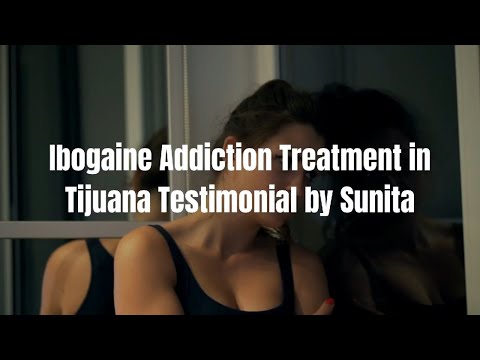




.png)
.png)




Share this listing