

Contents
Carrying excess weight for years impacts far more than physical appearance—it constantly limits your vitality, joint health, and overall daily energy. When traditional lifestyle changes no longer yield lasting results, seeking medical intervention can offer a path toward long-term health transformation. For individuals exploring international care, Bariatric Surgery in Mexico presents a structured opportunity to access modern surgical techniques within well-established healthcare centers.
While procedure pricing in Mexico generally averages around $4,500 to $7,500 depending on the facility, surgeon experience, and package inclusions, prioritizing safety and quality remains essential. Thorough research should include verifying that medical centers maintain proper credentials with the Mexican Ministry of Health (Secretaria de Salud) and regional health authorities. Additionally, reviewing a surgeon's certifications with recognized professional organizations, such as the Mexican Council of Surgery for Obesity and Metabolic Diseases (CMCOEM), ensures that your surgical journey is guided by qualified hands.
Key Takeaways
Planning a surgical journey across borders becomes far more manageable when key logistical details are organized together. Comprehensive care bundles integrate pre-operative evaluations, hospital fees, ground transportation, and dedicated recovery accommodations into a single structured plan. Eliminating the complexity of coordinating separate bookings lets you direct your full attention toward healing and adapting to your post-procedure routine. Explore the detailed package options below to compare inclusions and select a plan tailored to your medical needs.

Price starting from $7,500
Gastric Sleeve Package in Tijuana, Mexico by Hospital CYNTAR
Hospital CYNTAR in Tijuana, Mexico
- Obesity/Bariatric Surgery
Tijuana,Mexico

Price starting from $9,500
Gastric Bypass Package in Tijuana, Mexico by Hospital CYNTAR
Hospital CYNTAR in Tijuana, Mexico
- Obesity/Bariatric Surgery
Tijuana,Mexico
Price starting from $4,500
Gastric Balloon Package in Tijuana, Mexico by Hospital CYNTAR
Hospital CYNTAR in Tijuana, Mexico
- Obesity/Bariatric Surgery
Tijuana,Mexico
Clear financial transparency helps patients plan with complete clarity. Choosing Bariatric Surgery in Mexico typically ranges from $4,000 to $8,000 depending on the procedure type—such as gastric sleeve or gastric bypass—along with facility standards and included support services. Variations in overall costs stem primarily from regional economic factors rather than clinical compromises. Be sure to confirm exactly what each proposal encompasses, including anesthesia, surgical team fees, and post-op care, to ensure accurate financial planning.
Obesity/Bariatric Surgery Centers Cost Comparison in Mexico
| Provider | Procedure | Price |
|---|---|---|
| Hospital CYNTAR in Tijuana, Mexico | Gastric Bypass, Obesity/Bariatric Surgery | $9500 |
| Hospital CYNTAR in Tijuana, Mexico | Sleeve Gastrectomy, Obesity/Bariatric Surgery | $7500 |
| Hospital CYNTAR in Tijuana, Mexico | Gastric Balloon, Obesity/Bariatric Surgery | $4500 |
Obesity/Bariatric Surgery Cost Comparison in Mexico
| Country | Procedure | Price |
|---|---|---|
| United States | Sleeve Gastrectomy, Obesity/Bariatric Surgery | $18000 |
| United States | Gastric Bypass, Obesity/Bariatric Surgery | $25000 |
Selecting an appropriate medical facility requires looking past simple web presentations and focusing directly on clinical capabilities. Modern bariatric care demands specialized surgical suites, intensive care readiness, and strict sanitary protocols. When evaluating potential hospitals, verify official registration with national health authorities and examine whether international accreditation standards are met. Reviewing clinic profiles allows you to analyze hospital infrastructure, evaluate safety track records, and choose an environment that provides total confidence.
Hospital CYNTAR in Tijuana, Mexico
Tijuana,Mexico

Hospital Vallarta Medical Center in Puerto Vallarta, Mexico
Puerto Vallarta,Mexico
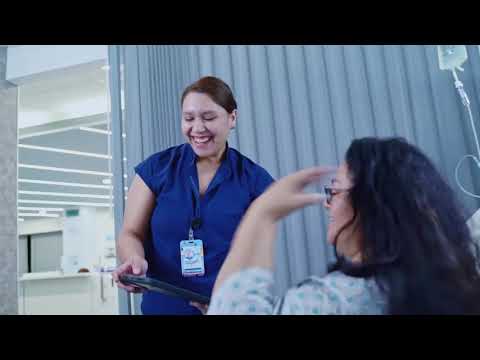
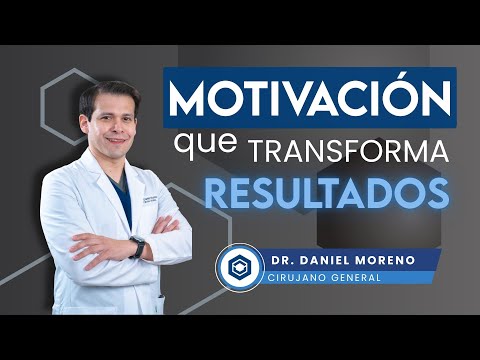
Gaining a visual perspective on the care environment can significantly enhance your comfort and confidence. Video tours, facility walkthroughs, and physician discussions provide clear insight into the patient experience. Seeing the surgical suites, recovery areas, and hearing directly from the medical team helps turn unfamiliar concepts into a clear, reassuring reality. Take time to watch the informative videos below to get an authentic look at the care setting waiting for you.

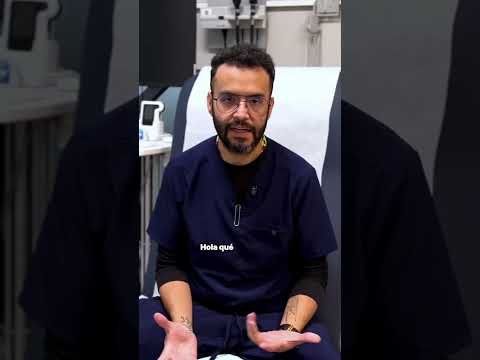
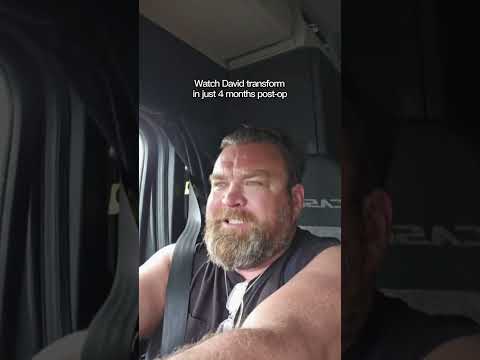

First-hand accounts from previous patients offer invaluable understanding into the reality of metabolic treatment. Hearing about real experiences with nursing care, post-procedure dietary transitions, and overall recovery provides realistic expectations that standard brochures cannot convey. These shared stories highlight what to anticipate during every step of the journey. Read through patient feedback below to learn about their outcomes and personal experiences.
How Much Does Lap Band Surgery Cost in Mexico?
Lap Band surgery in Mexico offers a significantly more affordable path to weight loss compared to costs in countries like the US and Canada, with prices generally ranging from $4,500 to $7,500. This has made Mexico a popular destination for individuals seeking effective bariatric procedures without the hefty price tag. If you're considering this life-changing surgery, understanding the cost of Lap Band surgery in Mexico, what it entails, and what factors influence the price is crucial. This guide will delve into these questions, providing clear answers to help you make an informed decision. The gastric banding procedure, commonly known as Lap Band surgery, involves placing an adjustable silicone band around the upper part of the stomach. This creates a smaller stomach pouch, limiting food intake and promoting a feeling of fullness with smaller meals, ultimately leading to weight loss. Many people are exploring weight loss surgery in Mexico due to the combination of experienced surgeons, modern facilities, and substantial cost savings. What is the average cost of Lap Band surgery in Mexico? "The average cost of Lap Band surgery in Mexico typically ranges from $4,500 to $7,500 USD." This price range is considerably lower than in the United States, where the same procedure can cost anywhere from $9,000 to $20,000 or even more. The Lap Band surgery cost in Mexico often includes not just the surgery itself, but a comprehensive package. This makes it an attractive option for individuals seeking affordable bariatric surgery. The variation in cost within Mexico can depend on several factors, including the reputation and experience of the surgeon, the quality of the hospital or clinic, the specific package inclusions, and the city where the surgery is performed. It's essential to research and understand what is covered in the quoted price to avoid unexpected expenses. What factors influence the cost of Lap Band surgery in Mexico? "Several factors influence the Lap Band surgery cost in Mexico, including the surgeon's experience, hospital fees, geographical location within Mexico, and the specifics of the surgical package offered." Understanding these elements can help you better assess the value you're receiving: Surgeon's Expertise and Reputation: Highly experienced and renowned bariatric surgeons may charge more for their services. Their track record of successful outcomes often justifies a higher fee. Hospital or Clinic Standards: The quality of the medical facility plays a significant role. Hospitals with international accreditations, advanced technology, and comprehensive patient care services might have higher costs compared to smaller clinics. Geographical Location: Costs can vary between different cities in Mexico. Popular medical tourism destinations like Tijuana, Cancun, or Guadalajara might have slightly different price points due to local economic factors and demand. Surgical Package Inclusions: What's included in the price is a major determinant. Some packages are all-inclusive, covering pre-operative tests, surgeon fees, anesthesia, hospital stay, post-operative medications, and even airport transfers and accommodation. Others might be more basic, with additional costs for these services. Type of Lap Band Used: While most clinics use high-quality, FDA-approved bands, there might be slight variations in the type or brand of the band, which could subtly affect the overall cost. Pre-operative and Post-operative Care: The extent of pre-operative evaluations (like consultations, lab tests, and imaging) and post-operative follow-up care (including fills and consultations) included in the package will also impact the final price. Is Lap Band surgery in Mexico safe? "Yes, Lap Band surgery in Mexico can be very safe, provided you choose a reputable, accredited facility and a qualified, experienced bariatric surgeon." Many Mexican hospitals and clinics catering to medical tourists adhere to international standards of care and hygiene. Surgeons often have training and experience from both Mexico and the United States or Europe. Patient safety is a top priority for established medical providers. To ensure safety, it's crucial to do thorough research. Look for: Board-certified surgeons: Verify their credentials and experience specifically in bariatric surgery. Accredited facilities: Check for accreditations from organizations like the Joint Commission International (JCI) or other recognized bodies. Patient testimonials and reviews: Real patient experiences can offer valuable insights into the quality of care and safety. Clear communication: Ensure the medical team can communicate effectively in your language and that all your questions are answered satisfactorily. What is typically included in a Lap Band surgery Mexico package? "A typical Lap Band surgery Mexico package often includes the surgeon's fees, anesthesia costs, hospital stay, pre-operative tests, post-operative medications, and sometimes ground transportation and accommodation." While package details vary between providers, a comprehensive Lap Band surgery packages in Mexico aims to cover most of the essential expenses related to the procedure. Common inclusions are: Surgeon and medical team fees: This covers the cost of the bariatric surgeon, anesthesiologist, and other medical staff involved. Hospital fees: Includes the use of the operating room, recovery room, and hospital room for the required stay (usually 1-2 nights). Anesthesia costs: The fees for the anesthesiologist and the anesthesia itself. Lap Band device: The cost of the actual gastric band. Pre-operative tests: Necessary lab work, EKG, and other evaluations before surgery. Post-operative medications: Pain relievers and other prescribed medications for your immediate recovery. Post-operative consultations: Initial follow-up visits with the surgeon before you return home. Ground transportation: Often includes airport pickup and drop-off, and transportation between the hotel and hospital. Hotel accommodation: Some packages include a few nights' stay in a nearby hotel before and after the hospital stay. Nutritional counseling: Initial dietary guidance. It's vital to get a detailed breakdown of what is included and what is not (e.g., flights, long-term follow-up fills, potential complications). How do I find reputable clinics for Lap Band surgery in Mexico? "To find reputable clinics for Lap Band surgery in Mexico, research online reviews, check for surgeon credentials and hospital accreditations, and consider using a trusted medical tourism facilitator." Choosing the right clinic and surgeon is paramount for a successful and safe weight loss surgery in Mexico. Here are steps to guide your search: Verify Surgeon Credentials: Look for board-certified Surgeons for bariatric surgery in Mexico. Check their experience, number of procedures performed, and any affiliations with international medical organizations. Check Hospital Accreditations: Reputable hospitals often have international accreditations (e.g., JCI) or certifications from Mexican health authorities. This indicates adherence to high standards of care and safety. Read Patient Testimonials and Reviews: Look for reviews on independent platforms, forums, and the clinic's website. Pay attention to comments about the surgeon, staff, facility, and overall experience. Seek Recommendations: If you know someone who has had bariatric surgery in Mexico, ask for their recommendations. Consult with Medical Tourism Facilitators: Companies specializing in medical tourism often have vetted partner clinics and surgeons. They can help you navigate the process, but ensure the facilitator is also reputable. Virtual Consultations: Schedule virtual consultations with potential surgeons to discuss your case, ask questions, and get a feel for their approach. Are there financing options for Lap Band surgery in Mexico? "Yes, financing options for Lap Band surgery in Mexico are available through medical tourism companies, third-party medical loan providers, and sometimes directly through the clinics." While the Lap Band surgery cost Mexico is lower, it can still be a significant expense. Many individuals explore financing to make it more manageable. Options include: Medical Credit Companies: Several companies specialize in financing medical procedures, including those performed abroad. They offer loans with varying terms and interest rates. Personal Loans: You might be able to secure a personal loan from your bank or credit union. Credit Cards: Some patients use credit cards, especially those with promotional low-interest periods, though this can be a more expensive option in the long run if not paid off quickly. In-House Payment Plans: Some larger clinics or hospital groups in Mexico may offer their own payment plans or have partnerships with local financing companies. Medical Tourism Facilitators: These companies often have established relationships with lenders or offer their own financing solutions as part of their service packages. Always carefully review the terms and conditions, interest rates, and repayment schedules before committing to any financing option. What is the recovery time for Lap Band surgery performed in Mexico? "The initial recovery time for Lap Band surgery in Mexico is typically short, with most patients able to walk within hours and return to light activities within a week. Full recovery and adjustment to the band can take several weeks." Immediately after the gastric banding procedure, you'll spend a few hours in a recovery room and then usually one night in the hospital for observation. Most patients can get up and walk around within a few hours of the surgery, which is encouraged to prevent blood clots. You can expect to fly home within a few days to a week after the surgery, depending on your surgeon's advice. Once home, you'll need to follow a specific diet that gradually progresses from liquids to pureed foods, then soft foods, and finally to regular textured foods over several weeks. Most people can return to desk jobs and light activities within one to two weeks. Strenuous activities and heavy lifting should be avoided for about four to six weeks. How does the cost of Lap Band surgery in Mexico compare to Gastric Sleeve or Gastric Bypass? "Lap Band surgery cost Mexico is generally the least expensive among the common bariatric procedures. Gastric sleeve surgery in Mexico typically costs slightly more than Lap Band, and Gastric Bypass is usually the most expensive of the three." Here's a general cost comparison: Lap Band Surgery: $4,500 - $7,500 Gastric Sleeve Surgery: $5,000 - $8,500 Gastric Bypass Surgery: $6,500 - $10,000+ The Lap Band procedure is often less complex and invasive than gastric sleeve or bypass, which contributes to its lower cost. However, the best procedure for you depends on your individual health, weight loss goals, and surgeon's recommendation, not just cost. Each surgery has different mechanisms, potential weight loss outcomes, and long-term considerations. What are the success rates for Lap Band surgery in Mexico? "Success rates for Lap Band surgery in Mexico, when performed by qualified surgeons in reputable facilities, are comparable to those in other countries, with patients typically losing 40-50% of their excess body weight." The success of Lap Band surgery is often measured by the amount of excess weight lost and the improvement or resolution of obesity-related health conditions like type 2 diabetes, high blood pressure, and sleep apnea. Long-term success also heavily depends on the patient's commitment to lifestyle changes, including diet, exercise, and regular follow-up appointments for band adjustments (fills). Choosing an experienced surgeon and a clinic with a strong support program, including nutritional counseling, can significantly enhance the likelihood of achieving and maintaining successful weight loss results. How should I prepare for Lap Band surgery in Mexico? "Preparation for Lap Band surgery in Mexico involves medical evaluations, dietary changes as instructed by your surgeon (often a pre-operative diet), arranging travel and accommodation, and mentally preparing for the lifestyle adjustments." Proper preparation is key to a smooth surgical experience and optimal outcomes: Medical Evaluation: Complete all required pre-operative tests and consultations. This may include blood work, an EKG, a chest X-ray, and an upper endoscopy. Pre-Operative Diet: Your surgeon will likely prescribe a specific diet for a few weeks leading up to the surgery. This diet, often high in protein and low in carbohydrates and calories, helps reduce liver size and abdominal fat, making the surgery safer and easier. Medication Adjustments: Discuss all your current medications with your surgeon. Some medications, like blood thinners, may need to be stopped or adjusted before surgery. Stop Smoking: If you smoke, you'll be advised to quit several weeks before surgery, as smoking increases surgical risks and hinders healing. Arrange Logistics: Book your flights, confirm accommodation (if not part of a package), and arrange for any necessary travel documents (e.g., passport). Pack Accordingly: Pack comfortable clothing, essential toiletries, any prescribed medications, and necessary documents. Mental Preparation: Understand the dietary and lifestyle changes required after surgery. Setting realistic expectations is important for long-term success. What are the qualifications of surgeons performing Lap Band surgery in Mexico? "Surgeons performing Lap Band surgery in Mexico, especially those in reputable medical tourism facilities, are typically board-certified, have specialized training in bariatric surgery, and often possess international affiliations or training." Many bariatric surgeons in Mexico have credentials that include: General Surgery Certification: They are certified general surgeons. Bariatric Surgery Specialization: They have completed additional fellowships or specialized training in bariatric and metabolic surgery. Board Certification: They may be certified by Mexican boards of surgery and/or bariatric surgery. Some also hold certifications or memberships from international organizations (e.g., American Society for Metabolic and Bariatric Surgery - ASMBS, International Federation for the Surgery of Obesity and Metabolic Disorders - IFSO). Experience: Look for surgeons who have performed a high volume of Lap Band procedures and have a good track record. Always ask for and verify a surgeon’s qualifications and experience before committing to surgery. What are the potential risks and complications of Lap Band surgery? "Potential risks of Lap Band surgery, though generally low, include band slippage or erosion, port issues, infection, esophageal dilation, and vitamin deficiencies. Choosing an experienced surgeon minimizes these risks." While Lap Band is considered one of the safer bariatric procedures, like any surgery, it carries potential risks: Band Slippage: The band can move from its original position, which may require another procedure to correct. Band Erosion: In rare cases, the band can wear through the stomach wall. Port Problems: Issues with the access port (used for adjustments) can occur, such as leakage, flipping, or infection at the port site. Esophageal Dilation: The esophagus above the band can stretch if the patient overeats or if the band is too tight. Gastroesophageal Reflux Disease (GERD): Some patients may develop or experience worsening GERD. Infection: As with any surgery, there's a risk of infection at the incision sites or internally. Blood Clots: Though rare, blood clots in the legs (DVT) or lungs (pulmonary embolism) are a risk with any surgical procedure. Need for Reoperation: Over time, some patients may require reoperation for band removal, replacement, or conversion to another bariatric procedure. Nutritional Deficiencies: While less common with Lap Band than with malabsorptive procedures like gastric bypass, it's still important to follow dietary guidelines and take recommended supplements. Discuss these risks thoroughly with your surgeon. Adhering to post-operative guidelines is crucial for minimizing complications. What does aftercare for Lap Band surgery in Mexico involve? "Aftercare for Lap Band surgery in Mexico involves a specific post-operative diet, regular follow-up appointments (initially in Mexico and then potentially with a local doctor), and band adjustments (fills) to optimize weight loss." Effective aftercare is crucial for the success of your gastric banding procedure: Post-Operative Diet: You'll follow a phased diet: Liquids: For the first 1-2 weeks. Pureed Foods: For the next 2 weeks. Soft Foods: For another 2 weeks. Regular Solid Foods: Gradually introduced, focusing on small, nutrient-dense meals. Band Adjustments (Fills): The Lap Band is adjustable. Saline is added or removed from the band via the access port to tighten or loosen it. The first fill usually occurs 4-6 weeks after surgery. Several adjustments may be needed over the first year to find the optimal restriction. You'll need to arrange these fills, either by returning to Mexico or finding a local provider who can manage Lap Band patients. Follow-Up Appointments: You'll have initial follow-ups with your Mexican surgeon before you leave. Long-term, you should have regular check-ups to monitor your weight loss, nutritional status, and overall health. Lifestyle Changes: Sustained weight loss requires permanent changes to eating habits and physical activity levels. Nutritional Support: Ongoing nutritional counseling is highly recommended. How much do Lap Band fills cost in Mexico? "The cost of Lap Band fills in Mexico can range from $100 to $300 per adjustment, though some initial fills might be included in the surgical package." If your surgical package does not include follow-up fills, or if you require more fills than are included, you will need to budget for this. The frequency of fills varies per individual but is typically more frequent in the first 12-18 months post-surgery. Some patients return to their surgeon in Mexico for fills, especially if they live relatively close or if the cost savings are significant. Others find a local bariatric physician or clinic in their home country that provides Lap Band adjustments. The cost of fills in countries like the US can be higher, often ranging from $200 to $500 or more per session. Is Lap Band removal common and what is the cost in Mexico? "Lap Band removal is not uncommon, with reasons including inadequate weight loss, complications, or patient preference. The cost of Lap Band removal in Mexico can range from $2,500 to $5,000 USD." While many patients achieve success with the Lap Band, some may opt for removal or revision to another bariatric surgery. Common reasons for removal include: Inadequate weight loss or weight regain. Band-related complications: Slippage, erosion, or chronic reflux. Food intolerance or difficulty eating. Patient dissatisfaction or desire for a different procedure. The cost of removal depends on the complexity of the procedure and whether it's combined with a revision to another surgery (e.g., gastric sleeve or bypass). If you are considering removal, discuss the reasons and options thoroughly with a qualified bariatric surgeon. Why is Lap Band surgery so much cheaper in Mexico? "Lap Band surgery is cheaper in Mexico primarily due to lower overhead costs, including lower labor costs for medical staff, reduced administrative expenses, and more affordable medical supplies and facility operation, without compromising on quality when done at reputable centers." Several factors contribute to the significant cost difference for weight loss surgery in Mexico: Lower Operating Costs: The general cost of living and doing business in Mexico is lower than in countries like the US or Canada. This translates to lower salaries for medical and administrative staff, reduced building maintenance costs, and cheaper utilities. Lower Malpractice Insurance Costs: Malpractice insurance for doctors and hospitals is substantially less expensive in Mexico. Pharmaceutical and Medical Supply Costs: Medications and medical devices, including the Lap Band itself, can often be sourced at lower prices. Competitive Market: The medical tourism industry in Mexico is competitive, which helps keep prices attractive for international patients. Less Bureaucracy: Reduced administrative and bureaucratic overhead compared to the healthcare systems in some Western countries can also contribute to lower prices. It's important to emphasize that lower cost does not necessarily mean lower quality, especially when choosing accredited hospitals and experienced surgeons who cater to international patients. What are some tips for traveling to Mexico for Lap Band surgery? "When traveling to Mexico for Lap Band surgery, plan your trip well, ensure you have all necessary documents, arrange for a companion if possible, and follow all pre- and post-operative instructions carefully." To ensure a smooth medical journey: Research Thoroughly: Choose your clinic and surgeon wisely. Travel Documents: Ensure your passport is valid. Check if any visas are required. Communication: Confirm language arrangements. Many top clinics have bilingual staff. Pack Light but Smart: Include comfortable clothing, essential medications, and copies of your medical records. Arrange for a Companion: Having a friend or family member accompany you can provide support and assistance. Understand the Itinerary: Know your schedule for pre-op tests, surgery, hospital stay, and post-op check-ups. Financial Planning: Have your payment method sorted. Inform your bank about your travel to avoid card issues. Post-Op Stay: Plan to stay in Mexico for the recommended recovery period before flying home (usually 5-7 days post-op). Follow Instructions: Adhere strictly to your surgeon's pre-operative and post-operative guidelines regarding diet, activity, and medications. Emergency Contacts: Keep contact information for your surgeon, clinic, and hotel readily available. By taking these precautions, you can have a safe and positive experience with your Lap Band surgery in Mexico. Ready to explore your options for affordable and effective Lap Band surgery or other weight loss solutions in Mexico? Visit PlacidWay to connect with leading bariatric surgeons and accredited medical facilities. Take the first step towards a healthier you today!
How Much Does Bariatric Surgery Cost Without Insurance?
Weight loss surgery, also known as bariatric surgery, can be life-changing for individuals struggling with obesity. However, the cost of these procedures can be a major concern, especially for those without insurance. Understanding the expenses, financing options, and alternatives can help make an informed decision. This guide covers everything you need to know about the cost of weight loss surgery without insurance. Key Insights at a Glance Weight loss surgery costs range from $12,500 to $26,000 in the U.S. Gastric sleeve is the most affordable and popular procedure. Medical tourism can reduce costs by up to 70%. Financing and payment plans are available for self-pay patients. Additional costs include pre-op tests, hospital stays, and post-op care. What Is Weight Loss Surgery? Weight loss surgery includes procedures designed to help individuals lose weight by modifying the digestive system. These surgeries are usually recommended for those with: A Body Mass Index (BMI) of 40 or higher A BMI of 35 or higher with obesity-related health conditions such as diabetes or hypertension Types of Weight Loss Surgery Gastric Sleeve Surgery (Sleeve Gastrectomy) Removes about 80% of the stomach, reducing hunger hormone production. Helps patients eat less and lose weight effectively. Gastric Bypass Surgery (Roux-en-Y Gastric Bypass) Creates a small stomach pouch and reroutes the small intestine. Limits food intake and reduces calorie absorption. Adjustable Gastric Banding (Lap-Band) A silicone band is placed around the upper stomach to restrict food intake. Can be adjusted or removed as needed. Duodenal Switch (Biliopancreatic Diversion with Duodenal Switch – BPD/DS) A more complex procedure that combines gastric sleeve and intestinal bypass. Results in the most significant weight loss but requires lifelong monitoring. Benefits of Weight Loss Surgery Significant long-term weight loss Improved health conditions such as diabetes, hypertension, and sleep apnea Enhanced mobility and energy levels Better mental health and confidence Weight Loss Surgery Cost Without Insurance The cost of weight loss surgery depends on procedure type, hospital, surgeon’s experience, and location. Below is a general breakdown of costs in the U.S.: Average Cost by Procedure Procedure Average Cost Cost Range Gastric Sleeve Surgery $19,100 $12,500 - $24,000 Gastric Bypass Surgery $23,000 $15,000 - $35,000 Lap-Band Surgery $17,000 $10,500 - $33,000 Duodenal Switch $27,000 $24,000 - $32,500 Note: Costs may vary depending on the surgeon, hospital, and location. Additional Expenses to Consider Pre-Operative Costs: Medical consultations: $200 - $500 Blood tests and imaging: $100 - $500 Psychological evaluation: $100 - $300 Hospital & Surgery Costs: Surgeon fees: $3,000 - $10,000 Anesthesia: $1,000 - $2,500 Operating room and hospital stay: $10,000 - $20,000 Post-Operative Costs: Follow-up visits: $100 - $500 per visit Nutritional counseling: $50 - $200 per session Vitamin supplements: $50 - $150 per month Cost of Weight Loss Surgery in Other Countries For those without insurance, medical tourism offers more affordable options. Many patients travel to Mexico, Turkey, or India, where surgery costs 50-70% less than in the U.S. Country Gastric Sleeve Cost Gastric Bypass Cost USA $19,100 $23,000 Canada $15,450 $15,800 Australia $11,300 $12,700 Mexico $3,899 $5,595 Turkey $4,200 $5,500 Note: Prices are approximate and may vary based on hospital and exchange rates. Financing Options for Self-Pay Patients If you don’t have insurance, there are several ways to finance your surgery: 1. Payment Plans Many hospitals and clinics offer monthly installment plans to make payments more manageable. 2. Medical Loans Some lenders provide low-interest loans specifically for medical procedures. 3. Health Savings Accounts (HSA) or Flexible Spending Accounts (FSA) If you have an HSA or FSA, you can use these funds to cover surgery expenses. 4. CareCredit or Medical Credit Cards These credit cards offer low-interest or no-interest financing for medical procedures. 5. Crowdfunding Some patients use platforms like GoFundMe to raise money for their surgery. Did You Know? Gastric sleeve surgery is the most commonly performed bariatric procedure worldwide. Weight loss surgery can reduce the risk of heart disease by 40%. In Mexico, weight loss surgery costs up to 70% less than in the U.S. Frequently Asked Questions (FAQs) 1. How much does weight loss surgery cost without insurance? Weight loss surgery costs $12,500 to $26,000 in the U.S. Additional expenses for pre-op tests, hospital stays, and post-op care can increase the total cost. 2. Can I finance weight loss surgery if I don’t have insurance? Yes, many hospitals offer payment plans, medical loans, and financing options to help self-pay patients. CareCredit and personal loans are also popular choices. 3. Is weight loss surgery cheaper in other countries? Yes. Many patients travel to Mexico, Turkey, and India, where bariatric surgery costs 50-70% less than in the U.S. 4. What’s the most affordable weight loss surgery? Gastric sleeve surgery is usually the most affordable option, costing $3,899 in Mexico and $12,500 - $19,100 in the U.S. 5. What hidden costs should I consider? Pre-op tests, hospital stays, post-op care, nutritional counseling, and vitamin supplements can add extra costs. Some patients may also need revision surgery later. 6. Can I use my Health Savings Account (HSA) to pay for surgery? Yes, HSA and FSA funds can be used to cover qualified medical expenses, including weight loss surgery. 7. How long does it take to recover from weight loss surgery? Recovery time depends on the procedure. Most patients return to normal activities in 2-4 weeks, but full recovery can take 6-8 weeks. Take the Next Step Toward a Healthier Life! Weight loss surgery is an investment in your health and future. If you don’t have insurance, explore financing options, payment plans, and medical tourism to find an affordable solution. Consult with a specialist today to begin your weight loss journey!
What weight loss surgery is best for people with diabetes in Mexico?
The Gastric Bypass (Roux-en-Y) is generally considered the gold standard for treating Type 2 diabetes in Mexico due to its metabolic effects, though the Gastric Sleeve is also a highly effective and less invasive option for many patients. Facing a diagnosis of Type 2 diabetes often feels like a life sentence of medication, insulin shots, and constant worry about blood sugar levels. However, medical science has shifted the conversation from "management" to "remission," largely thanks to metabolic surgery. If you are researching what weight loss surgery in Mexico is best for people with diabetes, you are likely looking for a solution that is both medically effective and financially accessible. Mexico has emerged as a world leader in bariatric surgery, offering state-of-the-art procedures at a fraction of the cost found in the US or Canada, without compromising on safety or expertise. The link between obesity and diabetes—often called "diabesity"—is undeniable. Weight loss surgery doesn't just shrink your stomach; it changes your hormones, often normalizing blood sugar levels days after surgery, long before significant weight is lost. But with options like the Gastric Sleeve, Gastric Bypass, and Mini-Bypass available, choosing the right path can be overwhelming. In this guide, we will break down the medical evidence, compare costs, and highlight why thousands of patients are traveling south of the border to reclaim their health and potentially put their diabetes into remission. Why is Gastric Bypass considered the best for diabetes remission? "Gastric Bypass in Mexico is the preferred choice for diabetes because it reroutes the intestines, altering gut hormones like GLP-1 that directly improve insulin sensitivity and blood sugar control." When it comes to "curing" or inducing remission in Type 2 diabetes, the Roux-en-Y Gastric Bypass is historically the heavy hitter. Unlike the Gastric Sleeve, which is primarily restrictive, the Bypass is both restrictive and malabsorptive. By bypassing a portion of the small intestine (the duodenum), the surgery alters the way your body processes food and releases hormones. This rerouting triggers a massive release of incretins, specifically GLP-1 (the same hormone mimicked by drugs like Ozempic), which stimulates the pancreas to produce insulin more effectively. For many patients in Mexico, this results in normal blood sugar levels almost immediately after surgery, allowing them to stop insulin or oral medications before they even leave the hospital. Surgeons in Mexico often recommend this procedure for patients with a longer history of diabetes (more than 5-10 years) or those who are insulin-dependent, as it offers the highest statistical chance of long-term remission. Is the Gastric Sleeve effective for diabetes? "Yes, the Gastric Sleeve in Mexico is highly effective, putting diabetes into remission for over 60-70% of patients by removing the part of the stomach that produces the hunger hormone ghrelin." The Gastric Sleeve (Sleeve Gastrectomy) is the most performed bariatric surgery globally and in Mexico. While it is technically a simpler surgery than the Bypass (involving no rerouting of intestines), it still has profound metabolic effects. By removing about 80% of the stomach, it significantly reduces the production of ghrelin, the "hunger hormone." For patients with early-onset Type 2 diabetes or those who are not on insulin, the Sleeve is often sufficient to achieve remission. It is less invasive, has a lower risk of vitamin deficiencies than the Bypass, and avoids the risk of "dumping syndrome." Many Mexican bariatric surgeons prefer this as a primary intervention because it preserves the intestinal anatomy while still delivering powerful weight loss results. However, for severe, uncontrolled diabetes, the Sleeve might result in "improvement" (needing less medication) rather than full "remission" compared to the Bypass. What is Metabolic Surgery and how does it differ from Bariatric Surgery? "Metabolic surgery refers to weight loss procedures specifically intended to treat metabolic diseases like Type 2 diabetes and high cholesterol, rather than just focusing on weight loss alone." You will often hear the term "metabolic surgery" used in Mexico. This isn't a different set of operations but rather a different intent. When a surgeon performs a Gastric Bypass on a patient with a BMI of 32 specifically to treat their uncontrolled diabetes, it is classified as metabolic surgery. The focus shifts from the scale to the blood work. Leading clinics in Tijuana and Guadalajara are at the forefront of this approach, operating on patients who might not be "severely" obese by traditional standards (BMI 30-35) but who are suffering from severe metabolic syndrome. The goal is to prevent the long-term damage of diabetes—like kidney failure, blindness, and neuropathy—by intervening surgically. The International Diabetes Federation now recognizes metabolic surgery as a standard treatment option for Type 2 diabetes, a guideline that Mexican bariatric centers strictly adhere to. How much does weight loss surgery cost in Mexico? "Weight loss surgery in Mexico costs between $4,000 and $7,000 depending on the procedure, saving patients up to 70% compared to US prices of $15,000 to $25,000." The financial disparity between the US and Mexico is the primary driver for medical tourism. In the US, insurance coverage for bariatric surgery is often restrictive, with long waiting periods and high deductibles. In Mexico, the pricing is transparent, all-inclusive, and significantly lower due to lower overheads and malpractice insurance costs, not lower quality. Procedure Average Cost in Mexico Average Cost in USA Diabetes Remission Potential Gastric Sleeve (VSG) $4,000 - $5,000 $10,000 - $15,000 High (60-70%) Gastric Bypass (RNY) $5,500 - $7,000 $18,000 - $25,000 Very High (80%+) Mini Gastric Bypass $5,500 - $6,500 $16,000 - $22,000 Very High (80%+) Duodenal Switch $7,000 - $9,000 $25,000+ Highest (90%+) Most "packages" in Mexico include the surgeon's fees, anesthesia, hospital stay (typically 2 nights), medication, nutritional consults, and ground transportation from the airport (often San Diego for Tijuana clinics). What is the Mini Gastric Bypass and is it safe? "The Mini Gastric Bypass (MGB) is a safe, shorter procedure widely performed in Mexico that offers similar diabetes remission rates to the full bypass with fewer complications." The Mini Gastric Bypass (One Anastomosis Gastric Bypass) is gaining massive popularity in Mexico. It involves creating a long tube of stomach (like a sleeve) and joining it to a loop of intestine. It requires only one connection (anastomosis) instead of the two required in a standard RNY Bypass, which reduces operating time and the risk of leaks. For diabetes, the MGB is incredibly powerful because it bypasses a significant portion of the intestine, triggering strong malabsorptive effects. Studies show it is just as effective, if not more so, than the standard bypass for diabetes resolution. However, it carries a higher risk of bile reflux, so it is not recommended for patients who already suffer from severe GERD (acid reflux). Are bariatric surgeons in Mexico board-certified? "Yes, top surgeons are board-certified by the CMCOEM (Mexican College of Surgery for Obesity) and many hold international memberships with ASMBS or IFSO." Safety starts with the surgeon. Mexico has a rigorous certification process for bariatric surgery. You should specifically look for surgeons certified by the CMCOEM (Colegio Mexicano de Cirugía para la Obesidad y Enfermedades Metabólicas). This certification ensures the surgeon has specialized training specifically in bariatric procedures, not just general surgery. Furthermore, many leading Mexican surgeons are "International Fellows" of the ASMBS (American Society for Metabolic and Bariatric Surgery). This means they adhere to the same clinical guidelines and ethical standards as their US counterparts. When researching, always ask for their license number and verify their standing with these organizations. Experience matters—many top surgeons in Tijuana have performed over 5,000 successful procedures. How quickly will my diabetes improve after surgery? "Many patients experience normal blood sugar levels within days of weight loss surgery in Mexico, often leaving the hospital without needing their diabetes medication." The speed of diabetes remission is one of the most miraculous aspects of this surgery. Because the mechanism is hormonal, not just weight-dependent, blood sugar control often improves within 24 to 48 hours post-op. Patients typically arrive in Mexico on multiple medications and fly home a few days later needing significantly less, or none at all. However, "remission" is a long-term goal. Doctors consider diabetes in remission when a patient maintains a normal HbA1c (below 6.5%) for at least a year without medication. While the surgery provides the tool, long-term diet and lifestyle changes are essential to keep the disease dormant. If weight is regained, diabetes can return. What are the risks of surgery for diabetics? "Diabetic patients face slightly higher risks of infection and slower wound healing, but surgeons in Mexico use specialized protocols to manage blood sugar closely during surgery." Surgery on a diabetic patient carries more risk than on a non-diabetic patient. High blood sugar can impair the immune system and slow down the healing of incisions. To mitigate this, reputable clinics in Mexico require excellent blood sugar control in the weeks leading up to the trip. They will often put you on a specialized "pre-op liver shrinking diet" that also helps stabilize glucose levels. During your stay, anesthesiologists will monitor your levels continuously. It is crucial to be honest about your medication history. The risk of hypoglycemia (low blood sugar) post-surgery is real because your body's insulin needs drop so sharply. Your medical team will adjust your dosages immediately to prevent this. Can I get a revision surgery if my diabetes comes back? "Yes, revision bariatric surgery in Mexico is a common option, often converting a Gastric Sleeve to a Gastric Bypass to re-induce weight loss and diabetes remission." Sometimes, diabetes returns, or weight loss stalls. This is often due to the stretching of the stomach pouch or lifestyle slippage. Mexico is a global hub for revision surgery. If you initially had a Gastric Sleeve and your diabetes has returned, surgeons can convert the Sleeve into a Gastric Bypass or a Duodenal Switch. These revision procedures are more complex and require a highly skilled surgeon, which is why Mexico (with its high-volume, experienced surgeons) is often the preferred destination for these cases. The cost for a revision is typically $1,000 to $1,500 higher than a primary surgery due to the increased operative time and complexity. What is the recovery timeline like? "Recovery typically involves 2 nights in the hospital and 2-3 nights in a hotel in Mexico, with most patients returning to work within 1 to 2 weeks." One of the benefits of laparoscopic (minimally invasive) surgery is the quick recovery. You will be encouraged to walk a few hours after surgery to prevent blood clots. Most patients spend two nights in the hospital for monitoring and then move to a hotel for recovery before flying home. Pain is usually manageable with oral medication. The biggest adjustment is the diet. You will follow a strict progression: clear liquids for a week, full liquids, purees, and finally soft solids over the course of 4-6 weeks. Adhering to this is critical to prevent leaks and ensure the staple line heals properly. What medical tests do I need before traveling? "You will need a comprehensive metabolic panel, A1C test, EKG, and potentially a cardiologist's clearance if you have a history of heart issues." Safety protocols in Mexico are stringent. Before you book your flight, you will submit a health history form. Once approved, you will need to get lab work done at home. The most important test for you is the HbA1c, which gives the surgeon a picture of your blood sugar control over the last 3 months. If you have cardiovascular complications from your diabetes (like hypertension or previous heart attacks), you will absolutely need a cardiac clearance letter from your local cardiologist. This ensures your heart is strong enough to handle anesthesia. Never hide medical history; your safety depends on full transparency. Will I need to take vitamins forever? "Yes, lifelong bariatric vitamins are non-negotiable, especially after malabsorptive procedures like the Gastric Bypass, to prevent deficiencies." Because these surgeries change how you digest food, nutritional deficiencies are a real risk. You will need to take bariatric-specific multivitamins, Calcium Citrate, Vitamin B12, and Iron for the rest of your life. This is a small price to pay for remission from diabetes. Clinics in Mexico will provide you with a starter pack and a detailed list of what to buy back home. Regular blood work (every 3-6 months for the first year) is essential to monitor your levels and adjust your supplementation as needed. How do I choose the right facility in Mexico? "Choose a facility that is CSG accredited (General Health Council) and dedicated exclusively to bariatric surgery, ensuring they have specialized equipment for obese patients." Not all hospitals are created equal. You should look for facilities that have CSG Accreditation (Consejo de Salubridad General), which is Mexico's equivalent of JCI accreditation. It indicates the hospital meets international standards for hygiene and patient safety. Additionally, look for a "Bariatric Center of Excellence." These clinics are designed for larger patients, featuring reinforced beds, larger CT scanners, and staff trained specifically in the compassionate care of bariatric patients. Avoid small, general clinics that do bariatrics "on the side." Specialized care reduces complication rates significantly. What if I have complications after returning home? "You must establish care with a local primary care doctor before you leave, and reputable Mexican clinics offer 24/7 direct access to your surgeon for virtual guidance." The "what if" is the biggest fear for medical tourists. Complications are rare, but they happen. Before you travel, talk to your local GP. Tell them you are going to Mexico for surgery and ask if they will monitor your blood pressure and diabetes meds when you return. Reputable Mexican surgeons provide excellent aftercare support via WhatsApp or Zoom. If you have a minor issue (like wound irritation or nausea), they can guide your treatment remotely. For emergencies (like severe abdominal pain), you would go to your local ER, just as you would if you had surgery in the US. The fact that you had surgery abroad does not disqualify you from emergency care at home. Ready to Beat Diabetes with Bariatric Surgery? Take control of your health today. PlacidWay connects you with board-certified bariatric surgeons in Mexico who specialize in metabolic surgery for diabetes. Get a free, no-obligation quote and start your journey to remission.
What Is The Recovery Time After Bariatric Surgery In Mexico?
Recovery time after bariatric surgery in Mexico typically involves a 2-3 night hospital stay, followed by 2-3 nights in a hotel before flying home. Most patients return to desk jobs within 1-2 weeks and full physical activity after 6 weeks. Deciding to undergo weight loss surgery is a life-changing step, and choosing to have it done in Mexico is an increasingly popular option for many seeking affordable, high-quality care. But naturally, one of the first questions you might have is: What is the recovery time after bariatric surgery in Mexico? You are likely wondering how long you'll be away from home, when you can hop on a plane, and how soon you'll feel like yourself again. The short answer is that while the biological healing process takes several weeks, your time in Mexico is usually quite brief—often just under a week. The recovery journey is broken down into stages, from your initial hospital stay to your flight home and your eventual return to work. In this guide, we will walk you through every step of the timeline. We want to ensure you feel confident and prepared for your trip. We’ll cover everything from hospital stays and flight safety to managing pain and transitioning your diet. Let’s dive into the details so you can plan your journey to a healthier you with peace of mind. How long is the hospital stay for bariatric surgery in Mexico? “Most patients stay in the hospital for 2 to 3 nights following bariatric surgery in Mexico to ensure proper monitoring and pain management before being discharged to a hotel.” After your surgery, whether it is a gastric sleeve or gastric bypass, you won't be rushed out the door. Standard protocol for bariatric surgery in Mexico usually involves a hospital stay of two to three nights. This duration allows the medical team to monitor your vital signs, ensure there are no immediate complications (like leaks), and manage your pain levels effectively with intravenous medication. During this time, nurses will encourage you to stand up and walk a few hours after surgery. This might sound daunting, but early movement is critical for preventing blood clots and kickstarting your recovery. You will also begin the "leak test" phase, where you swallow a contrast dye to ensure your new stomach is sealed perfectly before you are allowed to sip water. How many days do I need to stay in Mexico after surgery? “You should plan to stay in Mexico for a total of 5 to 7 days, which includes your pre-op tests, surgery, hospital recovery, and a final check-up before flying home.” A typical itinerary for weight loss surgery in Mexico spans about one week. You will usually arrive a day before surgery for pre-op blood work and consultations. After your 2-3 nights in the hospital, you aren't immediately sent to the airport. Instead, you will be discharged to a recovery hotel (often included in your surgery package) for another 1 to 2 nights. This "buffer" period is essential. It proves that you can manage pain with oral medication, stay hydrated on your own, and move around independently. Most surgeons require a final check-up to check your incisions and remove drains (if used) before clearing you for travel. When can I fly home after gastric sleeve in Mexico? “Most surgeons clear patients to fly home 3 to 5 days after surgery, provided there are no complications and you can stay hydrated and walk independently.” Flying after surgery is a common concern, but it is generally safe once you have passed the initial critical recovery window of 3 to 5 days. The main risk associated with flying after surgery is Deep Vein Thrombosis (DVT), or blood clots, due to cabin pressure and sitting still for long periods. To ensure a safe flight home: Wear compression stockings to improve blood flow in your legs. Request an aisle seat so you can get up and walk every hour. Stay hydrated by sipping water constantly, as airplane air is very dry. Avoid lifting your carry-on luggage; ask for assistance or check your bag. What are the diet stages after bariatric surgery? “The post-op diet progresses from clear liquids (Week 1) to full liquids (Week 2), purees (Weeks 3-4), soft foods (Week 5), and finally solid foods (Week 6+).” Your stomach needs time to heal, which is why you cannot eat solid food immediately. The diet stages are designed to protect your staple line and allow your new stomach to adjust. Violating these stages can lead to serious complications like leaks or vomiting. Here is a quick breakdown of the stages: Stage 1 (Clear Liquids): Water, broth, sugar-free gelatin, and diluted juices. This is your diet while in Mexico and immediately upon returning home. Stage 2 (Full Liquids): Protein shakes, yogurt, and creamy soups (strained). Stage 3 (Pureed Foods): Scrambled eggs, cottage cheese, and blended foods (hummus consistency). Stage 4 (Solids): Lean meats, vegetables, and eventually a normal, healthy diet. When can I return to work after surgery? “Patients with desk jobs can typically return to work in 1 to 2 weeks, while those with physically demanding jobs may need to wait 4 to 6 weeks.” The timeline for returning to work depends largely on what you do for a living. If you have a sedentary desk job, you might feel ready as soon as one week post-op. The main challenge is usually fatigue from the low-calorie intake rather than pain from the incisions. However, if your job involves heavy lifting, bending, or intense physical labor, you must wait longer. Lifting anything heavier than 10-15 pounds is strictly prohibited for the first 6 weeks to prevent hernias at the incision sites. Be sure to discuss your specific job duties with your surgeon to get a personalized recommendation. How much pain will I feel after gastric sleeve surgery? “Most patients experience mild to moderate pain, often described as feeling like they did ‘too many situps,’ which is manageable with medication and subsides within a few days.” Fear of pain is normal, but bariatric surgery is performed laparoscopically (using small incisions), which significantly reduces post-op discomfort. Most patients describe the sensation as soreness or tightness rather than sharp pain. One specific type of discomfort to be aware of is "gas pain." During surgery, your abdomen is inflated with gas to create space for the surgeon to work. Some of this gas can remain trapped, causing pressure that radiates to your shoulders or upper back. The best cure for this is walking, which helps your body absorb and expel the gas naturally. What is the cost of bariatric surgery in Mexico vs. USA? “Bariatric surgery in Mexico costs between $4,000 and $6,000, while the same procedure in the USA typically ranges from $15,000 to $25,000.” Cost is the primary driver for medical tourism. In the US and Canada, weight loss surgery can be prohibitively expensive if not covered by insurance. In Mexico, you can save up to 70% without compromising on safety or quality, provided you choose an accredited facility. Below is a comparison of estimated costs for common procedures: Procedure Cost in Mexico (Avg) Cost in USA (Avg) Gastric Sleeve $4,000 - $5,000 $15,000 - $20,000 Gastric Bypass $5,500 - $6,500 $20,000 - $30,000 Mini Gastric Bypass $5,500 - $6,000 $18,000 - $25,000 Revision Surgery $5,500 - $7,000 $22,000+ Is it safe to travel alone for weight loss surgery in Mexico? “Yes, many patients travel alone safely as clinics provide transport and nursing care, but bringing a companion is recommended for emotional support and assistance with luggage.” While having a friend or family member with you is ideal for moral support, it is not strictly necessary. Many medical tourism packages in Mexico are designed for solo travelers. They include round-trip transportation from the airport (often San Diego for Tijuana surgeries) to the hospital and hotel. Hospital staff and patient coordinators are accustomed to helping patients who are alone. However, if you do travel solo, you must be extra careful with your luggage—remember, no heavy lifting! Pack light and use a suitcase with wheels that is easy to maneuver. Do I need a companion for weight loss surgery in Mexico? “While not mandatory, having a companion is highly beneficial for help with small tasks like putting on socks, carrying bags, and providing comfort during recovery.” If you can bring someone, do it. The first few days after surgery can leave you feeling groggy and emotional. Having a trusted person to help you remember medication schedules, assist you out of bed, or simply hold your hand can make a big difference. Most bariatric hospitals and recovery hotels allow one companion to stay with you in your room. Some packages even include their stay at no extra cost, though you may need to budget for their meals and flights. How soon can I start exercising after surgery? “You should start walking immediately after surgery, but strenuous exercise like weightlifting or running must be avoided for at least 6 weeks.” Exercise is a vital part of your long-term success, but you have to start slow. Your surgeon will want you walking the hallways of the hospital on the very same day of your surgery. Walking helps prevent clots and speeds up healing. For the first month, walking is the only recommended exercise. Once you hit the 6-week mark and get clearance from your doctor, you can gradually introduce more intense activities like cardio, swimming, and strength training. Listen to your body—if it hurts, stop. What should I pack for my bariatric trip to Mexico? “Pack loose, comfortable clothing, slip-on shoes, Gas-X strips, a long phone charger, and a small pillow to hold against your stomach during the flight home.” Packing for surgery is different from packing for a vacation. You want comfort above all else. Your abdomen will be swollen and tender, so tight waistbands are a bad idea. Bring nightgowns, loose sweatpants, or oversized t-shirts. Essential items to include: Gas-X strips: To help with gas pain (check with your surgeon first). Slip-on shoes: So you don't have to bend over to tie laces. Entertainment: Books, tablet, or headphones for downtime. Medical records: Any documents requested by your surgeon. How do I handle follow-up care after returning home? “You should arrange follow-up care with your local primary care physician (PCP) and maintain virtual contact with your surgeon in Mexico for diet and progress checks.” One of the biggest misconceptions about medical tourism is that you are on your own once you leave. Reputable clinics in Mexico offer long-term follow-up programs via email, phone, or video calls. They will guide you through your diet stages and monitor your weight loss. However, you also need a local support team. Before you leave, inform your Primary Care Physician (PCP) about your surgery plans. You will need them to order routine blood tests to check your vitamin levels in the months and years following your procedure. What are the risks of getting bariatric surgery in Mexico? “Risks include infection, leaks, or clots, but these are minimized by choosing a board-certified surgeon and an accredited facility that follows international safety standards.” Surgery always carries risk, regardless of where it is performed. The key to safety in Mexico is research. You want to avoid "bargain basement" clinics that cut corners. Look for surgeons who are board-certified and facilities that have accreditations like the CSG (General Health Council) in Mexico or JCI (Joint Commission International). These certifications ensure the hospital meets rigorous hygiene and safety protocols comparable to US standards. Will I have loose skin after bariatric surgery? “Loose skin is common after significant weight loss, but staying hydrated, building muscle, and taking collagen supplements can help improve skin elasticity.” Loose skin is a reality for many patients losing 100 pounds or more. Whether you develop it depends on your age, genetics, and how quickly you lose the weight. While surgery fixes the internal machinery, your skin may not retract completely. Focus on your health first. Many patients view loose skin as a "badge of honor" for their hard work. If it becomes bothersome, plastic surgery (like a tummy tuck) is an option down the road, usually after your weight has stabilized for at least a year. Do I need to stop smoking before surgery? “Yes, you must stop smoking at least 4 to 8 weeks before surgery, as nicotine restricts blood flow and significantly increases the risk of leaks and poor healing.” This is non-negotiable. Smoking or using nicotine products (including patches and gum) constricts blood vessels. After bariatric surgery, your stomach needs good blood flow to heal the staple line. If you smoke, you are at a much higher risk of developing a gastric leak, ulcers, or infection. Most reputable surgeons will test for nicotine before surgery and may cancel the procedure if the result is positive. Can I drink alcohol after weight loss surgery? “Alcohol should be avoided for the first 6 to 12 months, as it is high in empty calories and is absorbed much faster into the bloodstream, leading to quicker intoxication.” Your relationship with alcohol will change drasticallly. Because your stomach is smaller (or bypassed), alcohol enters your bloodstream rapidly. One drink might affect you like three or four did previously. Additionally, alcohol is full of "empty calories" that can slow down your weight loss. It can also irritate your healing stomach lining. It is best to stick to water, tea, and crystal light for the first year. How much weight will I lose in the first month? “Patients typically lose 15 to 30 pounds in the first month, depending on their starting weight and adherence to the post-op diet plan.” The "honeymoon phase" of weight loss happens right at the start. In the first month, the pounds often drop off quickly due to the strict liquid diet and the drastic reduction in calories. Men tend to lose weight slightly faster than women. Remember, this is a marathon, not a sprint. While the initial drop is exciting, consistent weight loss over 12 to 18 months is the goal. Stick to the plan, take your vitamins, and trust the process. Ready to Start Your Weight Loss Journey? Finding the right surgeon and navigating the process of medical tourism can be overwhelming. PlacidWay is here to help you connect with top-rated, board-certified bariatric surgeons in Mexico. Get a free quote, compare prices, and read real patient reviews to make an informed decision. Get a Free Quote
How Long Is Recovery After Mini Bypass Surgery in Mexico?
Recovery after mini bypass surgery in Mexico typically spans 4 to 6 weeks for full internal healing. Patients generally spend 1 to 2 nights in the hospital and 3 to 4 nights recovering in a hotel before flying home. Most individuals return to sedentary work within 10 to 14 days post-surgery. Key Takeaways: Mini Bypass Recovery Total Trip Duration: Plan for a 5 to 7-day stay in Mexico (surgery + recovery). Hospital Stay: typically 24 to 48 hours for monitoring. Return to Work: 2 weeks for desk jobs; 4-6 weeks for physically demanding roles. Cost Advantage: Procedures in Mexico often cost 60-70% less than in the US or Canada. Safety: Modern clinics use laparoscopic techniques reducing pain and speeding up healing. Understanding the Recovery Process for Mini Gastric Bypass in Mexico Choosing to undergo mini bypass surgery in Mexico is a significant decision that combines medical necessity with the logistics of international travel. Understanding the recovery timeline is crucial for planning your trip, arranging time off work, and ensuring a smooth transition back to daily life. The Mini Gastric Bypass (MGB), also known as One Anastomosis Gastric Bypass (OAGB), is a laparoscopic procedure, meaning recovery is generally faster and less painful than open surgeries. What is the day-by-day recovery timeline for mini bypass in Mexico? Recovery is a phased process. While every patient heals differently, a typical itinerary for medical tourists looks like this: Day 1 (Arrival): Arrive in Mexico. Pre-operative tests (blood work, EKG) are conducted. Consultation with the surgeon and anesthesiologist. Day 2 (Surgery): The procedure takes 60-90 minutes. You will wake up in a recovery room and be encouraged to walk within a few hours to prevent blood clots. Day 3 (Hospital Recovery): You stay in the hospital for monitoring. A leak test is performed to ensure the new stomach pouch is secure. You begin a clear liquid diet. Day 4 (Discharge): If stable, you are discharged to a recovery hotel or specialized recovery house. Pain is managed with oral medication. Day 5-6 (Hotel Recovery): Rest, short walks, and hydration. You will have a final check-up with the surgeon to clear you for travel. Day 7 (Departure): Most patients fly home, provided they feel well and have surgeon approval. How long do I need to stay in Mexico for the procedure? Medical tourism packages for mini gastric bypass in Mexico usually require a stay of 5 to 7 days. This duration is critical. It allows the surgical team to monitor for immediate complications such as leaks or adverse reactions to anesthesia. Leaving too early can be dangerous. Most specialized clinics in Tijuana, Guadalajara, or Cancun include hotel stays and transport in their packages to ensure you remain close to the medical facility during this vulnerable window. When can I return to work after returning home? The "back to work" timeline depends heavily on your occupation: Job Type Recommended Time Off Notes Sedentary / Desk Job 1 - 2 Weeks Listen to your body; fatigue is common due to low calorie intake. Light Activity (Standing/Walking) 2 - 3 Weeks Ensure you stay hydrated and take breaks. Strenuous / Heavy Lifting 4 - 6 Weeks Risk of hernia is higher; avoid lifting >15lbs until cleared. What are the dietary stages I must follow? Compliance with the post-op diet is the single most important factor in your recovery. In Mexico, nutritionists will provide a strict plan that usually looks like this: Phase 1: Clear Liquids (Days 1-3) Water, broth, sugar-free gelatin, diluted apple juice. The goal is hydration. Phase 2: Full Liquids (Days 4-14) Protein shakes, yogurt drinks, skim milk, sugar-free pudding. Focus on hitting protein goals (60-80g/day). Phase 3: Pureed Foods (Weeks 3-4) Blended chicken, fish, beans, cottage cheese. Consistency of baby food. Phase 4: Soft Solids (Weeks 5-8) Soft cooked vegetables, ground meat, canned fruit. How much does Mini Gastric Bypass cost in Mexico? Cost is a primary driver for medical tourism in Mexico. While prices vary by city and clinic luxury level, the savings are substantial compared to the US or Canada. Average Price Range: $4,500 USD to $6,500 USD. This price typically includes: Surgeon and anesthesiologist fees. Hospital stay (1-2 nights). Hotel stay (2-3 nights). Ground transportation (Airport-Hotel-Clinic). Pre-op tests and post-op medication. Note: Flights are usually not included in these packages. Did You Know? The Mini Gastric Bypass is reversible in many cases, unlike the gastric sleeve. This feature, combined with its high power to resolve Type 2 Diabetes, makes it a preferred choice for many international patients traveling to Mexico. Is it safe to recover in a hotel? Yes, recovering in a hotel is standard practice for bariatric surgery in Mexico. High-quality clinics partner with "medical tourism friendly" hotels or have their own recovery houses. These facilities often feature: Wheelchair accessibility. Broth and popsicle availability (for your liquid diet). Proximity to the hospital in case of emergencies. Staff experienced with post-bariatric patients. How painful is the recovery? Most patients report manageable discomfort rather than severe pain. Because the mini bypass is performed laparoscopically (using small incisions), muscle trauma is minimal. However, you may experience: Gas Pain: This is the most common complaint, caused by the gas used to inflate the abdomen during surgery. Walking is the best remedy. Incision soreness: Feels like a rigorous abdominal workout. Nausea: A common side effect of anesthesia or swelling, treated with anti-nausea medication. Will I need a companion? While not strictly mandatory, bringing a companion is highly recommended. Having a friend or partner can help with luggage, translation (though doctors speak English, support staff might not be fluent), and emotional support. Many medical tourism packages allow a companion to stay in your hotel room for free or a small fee. What is the long-term success of this procedure? The Mini Gastric Bypass has shown excellent long-term results. Patients often lose 60% to 80% of their excess body weight within the first 12 to 18 months. It is particularly effective for metabolic syndrome, often putting diabetes and hypertension into remission shortly after surgery. Frequently Asked Questions Can I fly home safely after mini bypass surgery in Mexico? Yes, most surgeons in Mexico clear patients to fly 3 to 4 days after surgery. It is recommended to walk up and down the aisle every hour during the flight to prevent blood clots and stay hydrated. Do I need a passport for weight loss surgery in Mexico? Yes, a valid passport is required for all international travel to Mexico, including for medical procedures. Ensure your passport has at least 6 months of validity remaining. When can I drive after my procedure? You can typically resume driving 1 week after surgery, provided you are no longer taking narcotic pain medication and can move your legs and torso without pain to operate the vehicle safely. What happens if I have complications once I am back home? Before leaving Mexico, ask your surgeon for a full operative report. You should establish care with a local primary care physician or bariatric specialist in your home country who can handle follow-up care or emergencies using your medical records. Is Mini Gastric Bypass recovery faster than RNY Bypass? Yes, the Mini Gastric Bypass usually has a slightly shorter operating time and recovery period compared to the traditional Roux-en-Y (RNY) bypass because it involves fewer intestinal connections (anastomoses). Can I drink alcohol after surgery? You must avoid alcohol for at least 6 months to 1 year after surgery. Alcohol absorption changes drastically, leading to faster intoxication and potential damage to the healing stomach lining. Will I have loose skin after recovery? Loose skin is common after rapid weight loss. The amount depends on your age, genetics, and how much weight you lose. Strength training during recovery can help, but some patients opt for plastic surgery later. What vitamins do I need to take? You will need to take bariatric-specific multivitamins for life. This includes Calcium Citrate, Vitamin D, Vitamin B12, and Iron to prevent malnutrition. Can I get financing for surgery in Mexico? Yes, many medical tourism agencies and clinics offer financing options through third-party medical lenders, allowing you to pay for the surgery in monthly installments. When can I start exercising? Walking is encouraged immediately. Light cardio can usually begin 2-3 weeks post-op. Heavy lifting and rigorous core exercises must wait 6-8 weeks until the abdominal wall is fully healed. Ready to Transform Your Life? Find top-rated surgeons and affordable Mini Gastric Bypass packages in Mexico. Get a free quote and personalized guidance for your medical journey today.
Why Is Gastric Sleeve Surgery Popular In Mexico?
Gastric sleeve surgery in Mexico is highly popular due to its affordability, modern bariatric facilities, and experienced surgeons. Patients save up to seventy percent compared to US costs while receiving premium care without long waiting lists. Key Takeaways: Bariatric Excellence Exceptional Savings: Procedures cost a fraction of the price found in the US or Canada, often saving patients thousands of dollars. All Inclusive Convenience: Packages bundle hospital stays, ground transportation, medications, and hotel recovery. World Class Expertise: Bariatric surgeons hold international certifications and utilize advanced laparoscopic technology. Immediate Availability: Patients can schedule their life changing operations without facing months of insurance approval delays. High Safety Standards: Premium facilities are internationally accredited and maintain rigorous infection control protocols. How much does gastric sleeve cost in Mexico compared to the United States? The financial aspect is the primary reason for this popularity, as patients save significantly without compromising care. The average price covers everything from hospital fees to comprehensive nutritional counseling. The primary driver behind the massive influx of international patients seeking weight loss solutions is the undeniable financial advantage. In the United States, a sleeve gastrectomy can cost upwards of twenty thousand dollars out of pocket, making it completely inaccessible for uninsured or underinsured individuals. Conversely, the gastric sleeve cost in Mexico typically ranges between four thousand and six thousand dollars. This remarkable price difference does not indicate a drop in medical quality; rather, it reflects the drastically lower cost of living, reduced administrative overhead, and different malpractice insurance structures. Furthermore, medical professionals and facilities benefit from heavy government subsidies for medical education, which means surgeons do not graduate with massive student debt. These systemic economic differences allow hospitals to pass the savings directly onto the patient. When factoring in the out of pocket maximums and deductibles required by American health insurance companies, self paying for the procedure abroad often ends up being the more economical and straightforward choice. To put this into perspective, patients are not just paying for the surgery itself. The quoted price usually encompasses a comprehensive bundle of services that would be billed separately back home. This transparent pricing model eliminates the stress of unexpected medical bills arriving months after the operation, allowing individuals to focus entirely on their recovery and new lifestyle habits. Feature United States Mexico Average Total Cost $18,000 to $25,000 $4,500 to $6,000 Wait Times 6 to 12 months 2 to 4 weeks Insurance Hassles Extensive approvals required None (Self-pay model) Are standards high at a typical gastric sleeve clinic in Mexico for international patients? Top tier facilities adhere to strict international healthcare protocols and maintain advanced infrastructure. These centers boast state of the art operating rooms equipped with the latest laparoscopic technology. A common misconception regarding medical care abroad is that lower prices equate to inferior healthcare facilities. In reality, a specialized gastric sleeve clinic in Mexico designed for medical tourists often rivals or exceeds the quality of average North American hospitals. These elite bariatric centers are heavily invested in attracting global patients, which means they must maintain impeccable hygiene, advanced technology, and luxurious accommodations. Many of these hospitals hold prestigious international accreditations, proving their commitment to global healthcare standards. Safety is the absolute priority at these institutions. They utilize advanced surgical instruments imported from the US and Europe, including high definition endoscopic cameras and FDA approved titanium staples. Furthermore, the operating theaters are equipped with sophisticated HEPA filtration systems to ensure a sterile environment, drastically minimizing the risk of post surgical infections. The dedicated bariatric floors are custom built to accommodate patients of all sizes safely and comfortably. Beyond the physical infrastructure, the medical staff operates under rigorous clinical pathways. This involves multi disciplinary teams comprising cardiologists, pulmonologists, and anesthesiologists who evaluate every patient before they ever enter the operating room. This comprehensive approach to patient screening ensures that any potential health risks are identified and managed proactively, resulting in success rates that match those of top medical institutions worldwide. Did You Know? Many elite bariatric centers hold the prestigious CSG certification from the Mexican General Health Council, an accreditation modeled directly after the rigorous Joint Commission standards used in the United States. What exactly is included when you book gastric sleeve surgery in Mexico through an all inclusive package? Comprehensive packages provide a seamless experience by bundling all medical and logistical necessities into one transparent price. This approach eliminates hidden fees and allows patients to focus entirely on healing. Booking gastric sleeve surgery in Mexico is intentionally designed to be a stress free, streamlined process. Facilities achieve this by offering all inclusive bundles. When you pay the single quoted price, you are generally receiving the following essential services: Complete Medical Fees: This covers the primary surgeon, assisting surgeons, the specialized bariatric anesthesiologist, and all operating room nursing staff. Hospitalization and Recovery: Usually includes two nights in a private hospital suite equipped with monitoring technology, followed by one or two nights in a partnered luxury recovery hotel. Pre Operative Diagnostics: Comprehensive blood panels, electrocardiograms, and chest imaging performed immediately upon arrival to guarantee surgical readiness. Ground Transportation: Private, bilingual chauffeurs greet you at the airport (often San Diego or directly in Mexico) and handle all transfers between the airport, clinic, and hotel. Post Operative Support: Provision of take home medications (antibiotics, pain relievers, antacids) and ongoing access to nutritional guidance through virtual consultations. Why is medical tourism in Mexico considered so convenient for North American patients? The geographical closeness allows North American patients to take short, direct flights or even drive across the border. This accessibility reduces travel fatigue and makes the entire journey highly efficient. For decades, medical tourism in Mexico has thrived heavily on its geographical proximity to the United States and Canada. Unlike traveling to Asia or Europe for healthcare, which requires exhausting long haul flights and massive time zone changes, flying down south is incredibly quick. Patients residing in border states often opt to simply drive, utilizing fast pass medical lanes to return home comfortably. This proximity is vital for post operative patients who need to avoid extended periods of sitting to prevent blood clots. Cities located right on the border, as well as beautiful resort destinations further south, have transformed into massive healthcare hubs. The local infrastructure in these areas is entirely built around supporting international visitors. Pharmacies, hotels, and restaurants cater specifically to the needs of recovering patients, creating an environment that feels welcoming, safe, and profoundly healing. The cultural familiarity and widespread use of the US dollar further eliminate common travel frictions. Additionally, this convenience extends to the pre and post surgical phases. If a patient ever requires an in person follow up or wishes to undergo subsequent body contouring plastic surgery a year later, the short distance makes returning highly practical. The ease of access combined with premium medical care makes this destination an unbeatable choice for the modern healthcare consumer seeking weight loss solutions. What medical qualifications and international certifications do Mexican bariatric surgeons hold? Specialists undergo rigorous education followed by advanced fellowship training in bariatric and metabolic surgery. Many are active members of prestigious global organizations and frequently attend international conferences. The expertise of the surgical team is the cornerstone of any successful weight loss journey. Doctors specializing in bariatrics undergo a grueling educational path that mirrors the intensity of medical training worldwide. After completing general medical school, they undertake specialized residencies in general surgery, which takes several years. Following this, the top tier professionals complete dedicated fellowships specifically focused on laparoscopic bariatric and metabolic procedures. To remain at the forefront of their field, these professionals actively seek international recognition. It is incredibly common for leading specialists to travel to the United States, France, or Spain to train under pioneering surgeons and master the latest minimally invasive techniques. They bring this wealth of global knowledge back to their home country, ensuring their patients benefit from the most advanced, safest surgical methodologies available today. Furthermore, elite surgeons hold active memberships in highly respected global medical societies. Look for professionals affiliated with the International Federation for the Surgery of Obesity and Metabolic Disorders or the American Society for Metabolic and Bariatric Surgery. Membership in these organizations requires adherence to strict ethical and clinical guidelines, providing international patients with immense peace of mind regarding the skill and dedication of their chosen physician. How does the laparoscopic technique improve the recovery timeline for patients in Mexico? Minimally invasive techniques require only tiny incisions, resulting in less tissue trauma and minimal scarring. This advanced approach significantly accelerates the healing process and reduces post operative discomfort. The days of large, painful open abdominal surgeries for weight loss are long gone. Modern sleeve gastrectomies are performed almost exclusively using advanced laparoscopic technology. During this procedure, the surgeon creates three to five tiny incisions, each less than an inch long, across the abdomen. Carbon dioxide gas is gently pumped into the abdominal cavity to create a safe working space, allowing the surgeon to maneuver instruments with incredible precision. A high definition camera, known as a laparoscope, is inserted through one of the incisions, projecting a magnified, 4K image of the internal organs onto large monitors in the operating theater. Guided by this crystal clear visualization, the surgeon uses specialized stapling devices to meticulously remove roughly eighty percent of the stomach. Because the abdominal wall muscles are gently separated rather than cut entirely, the physiological trauma to the patient's body is drastically minimized. The benefits of this minimally invasive approach are profound. Patients experience significantly less post operative pain, requiring fewer narcotic painkillers. The risk of developing large hernias or severe wound site infections is virtually eliminated. Most importantly, patients are typically up and walking within hours of waking up from anesthesia. This rapid mobilization is crucial for preventing blood clots and stimulating digestion, allowing individuals to return to their normal daily lives within just a couple of weeks. Can I bring a companion with me during my weight loss surgery journey? Bringing a friend or family member is highly encouraged as it provides essential emotional and physical support. Most premium hospitals offer private suites equipped with comfortable accommodations for your guest. Undergoing a life altering medical procedure in a foreign country can naturally cause some anxiety, which is why bringing a travel companion is strongly advised. Having a trusted friend, spouse, or family member by your side provides an invaluable psychological anchor. They can assist with managing luggage, taking notes during doctor consultations, and offering moral support during those crucial first few hours of recovery when you are feeling groggy from anesthesia. Top tier bariatric facilities are designed with companions in mind. Unlike cramped standard hospital wards, the private suites reserved for international patients typically feature a comfortable sofa bed or recliner specifically for your guest. They are permitted to stay overnight in the room with you, ensuring you never feel isolated. Furthermore, the all inclusive transport services provided by the clinic will seamlessly shuttle your companion alongside you from the airport to the hospital and the recovery hotel. While you are resting, your companion can explore the local culinary scene, visit nearby pharmacies to fill your take home prescriptions, or simply relax in the hotel amenities. Having a second pair of ears to listen to the post operative dietary instructions from the nutritionist is also incredibly helpful. Your companion becomes your accountability partner once you return home, helping you navigate the strict liquid and pureed diet phases required for successful healing. What comprehensive pre operative testing is required before your bariatric procedure? Rigorous medical evaluations are performed upon arrival to ensure your body is fully prepared for general anesthesia. These comprehensive diagnostics guarantee the highest level of patient safety before entering the operating room. Patient safety is the absolute priority, which means no reputable surgeon will operate without first confirming your internal health. To ensure you are a prime candidate for general anesthesia and laparoscopic intervention, clinics perform a battery of specialized tests. These are typically included in your package price and are efficiently conducted the day you arrive or the morning of your surgery. Comprehensive Blood Work: A complete blood count, metabolic panel, and coagulation profile are drawn to check for anemia, infection, and proper liver and kidney function. Electrocardiogram Evaluation: An EKG is performed to monitor the electrical activity of your heart, ensuring there are no hidden arrhythmias or cardiovascular concerns. Chest X Ray: Imaging of your lungs helps the anesthesiologist understand your respiratory capacity and rule out any pulmonary issues. Internal Medicine Consultation: A dedicated internal medicine specialist reviews all test results to officially clear you for the surgical intervention. Anesthesiology Interview: You will meet with the anesthesiologist to discuss your medical history, allergies, and the specific sedation protocols they will use to keep you comfortable and safe. Why Choose PlacidWay for your weight loss transformation journey? We provide a secure, transparent pathway to your health goals by partnering exclusively with accredited institutions. Our dedicated team ensures you receive world class care tailored exactly to your unique medical needs. Navigating the global healthcare landscape can be overwhelming when you are trying to make crucial decisions about your body and your future. PlacidWay serves as your trusted advocate, eliminating the guesswork and connecting you directly with excellence. We empower patients to take control of their health through a meticulously curated network of medical professionals. Here is why choosing PlacidWay ensures a successful bariatric experience: Vetted Hospital Networks: We enforce stringent quality control, partnering only with medical centers that hold recognized international accreditations and boast exceptional safety records. Transparent Pricing Models: We negotiate on your behalf to secure all inclusive packages with zero hidden fees, allowing you to budget with absolute financial confidence. Dedicated Patient Care Coordinators: From your first inquiry to your final post operative check in, our compassionate team provides continuous, personalized support and communication. Pre Surgical Medical Record Evaluations: We facilitate secure digital transfers of your health history, allowing elite bariatric specialists to review your case and confirm your candidacy before you commit. Comprehensive Post Operative Support Guidance: Our network includes extensive resources, connecting you with nutritional plans and virtual follow ups to ensure your long term weight loss success. Frequently Asked Questions About Bariatric Surgery What BMI is required to qualify for a gastric sleeve in Mexico? Most bariatric centers require a Body Mass Index of 30 or higher. Patients with a BMI between 30 and 35 usually need to have at least one obesity related comorbidity, such as hypertension, sleep apnea, or type 2 diabetes, to be considered ideal candidates for the procedure. Will my health insurance cover bariatric procedures performed in Mexico? The vast majority of US and Canadian health insurance plans do not cover elective medical treatments performed abroad. Therefore, patients typically pay out of pocket, utilizing savings, medical loans, or credit cards to fund their affordable self pay packages. How soon can I safely fly home after undergoing weight loss surgery in Mexico? Patients are generally cleared to fly home three to four days after the operation. You will spend the first two nights in the hospital for monitoring, followed by one or two nights in a recovery hotel before your surgeon conducts a final evaluation and provides clearance to travel. What dietary stages must I follow after returning home from my bariatric procedure? The post operative diet is strictly phased to allow your new stomach pouch to heal. It begins with clear liquids for the first week, progresses to thicker liquids and protein shakes, transitions into pureed foods by week three, soft foods by week four, and finally introduces regular solid foods after a month. Are the surgical staples used in Mexican bariatric hospitals FDA approved? Yes, reputable medical facilities use high quality, FDA approved titanium staples from globally recognized brands like Johnson & Johnson or Covidien. Surgeons also employ advanced staple line reinforcement techniques to prevent leaks and ensure the highest safety standards. How much weight can I realistically expect to lose in the first year? On average, patients lose between sixty to seventy percent of their excess body weight within the first twelve to eighteen months. Success heavily depends on strict adherence to the new nutritional guidelines, portion control, and integrating regular physical activity into your daily routine. What happens if I experience complications after I return to my home country? While severe complications are rare, you must establish a relationship with a local primary care physician or bariatric specialist before you travel. In case of an emergency, you will visit your local emergency room. Many international surgeons also provide long term telemedicine consultations to monitor your progress. Do I need a valid passport to cross the border for medical treatments in Mexico? Yes, a valid passport is legally required for all international travel, including land border crossings and flights. Ensure your passport is valid for at least six months beyond your planned date of entry to avoid any logistical issues at customs and immigration. Can a sleeve procedure be revised to a gastric bypass later if needed? Yes, if a patient experiences severe acid reflux or insufficient weight loss years down the line, the sleeve gastrectomy can be safely converted into a Roux en Y gastric bypass. Many skilled surgeons specialize in these complex bariatric revision surgeries. Is there a language barrier when receiving care in Mexican bariatric centers? Language barriers are virtually nonexistent at top tier facilities catering to international patients. The bariatric surgeons, nurses, and hospital staff are highly proficient in English, and dedicated bilingual patient coordinators are available around the clock to assist you with all communications. Start Your Transformation Journey Today Do not let high costs keep you from achieving a healthier, happier life. PlacidWay connects you with globally accredited bariatric specialists. Receive a customized treatment plan, secure all inclusive pricing, and take the first step towards your weight loss goals safely. Get Your Free Quote * Responses typically within 24 hours. Privacy guaranteed.
Long-term metabolic success depends greatly on the expertise and skill of your surgical team. When selecting a specialist for Obesity Surgery in Mexico, focus on surgeons who dedicate their practice specifically to metabolic and bariatric disciplines. Verify active memberships in professional councils, inquire about surgical volume, and review patient outcome track records. Examining surgeon profiles allows you to compare professional backgrounds and choose a specialist who aligns with your healthcare goals.
Dr. Juan Roberto Gonzalez Santamaria
Hospital CYNTAR in Tijuana, Mexico
- Bariatric Surgeon
Tijuana,Mexico
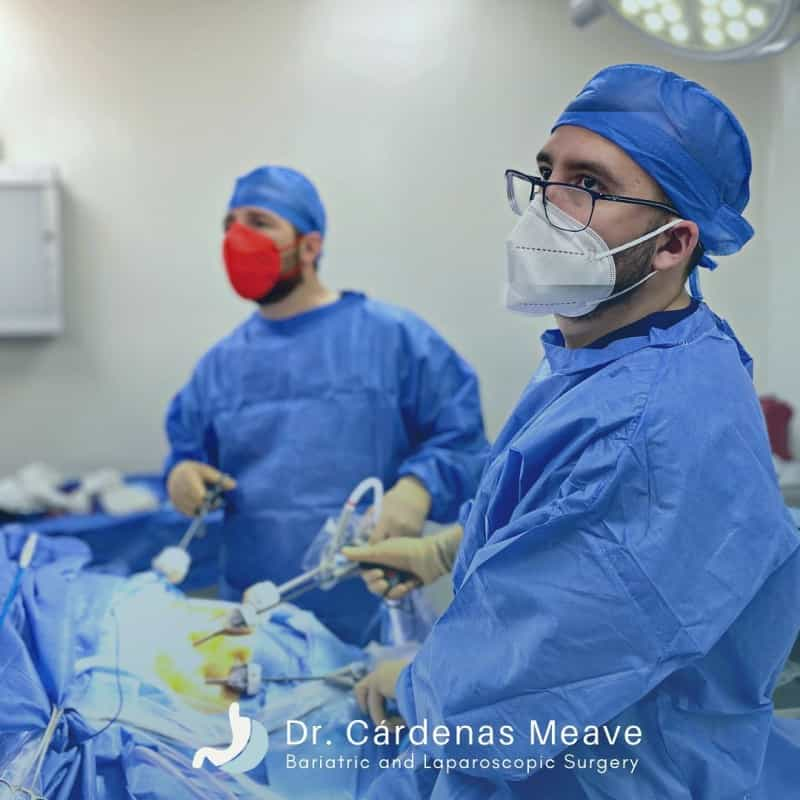
Mexico remains a prominent choice for international healthcare seekers, particularly those traveling from North America and surrounding regions. Proximity, convenient flight connections, and well-developed medical infrastructure make border and coastal healthcare destinations highly practical for surgical care. Major medical hubs across Tijuana, Guadalajara, Cancun, and Monterrey feature specialized facilities designed for international visitors. Considering travel logistics helps ensure a smooth, low-stress recovery journey:
While these regions offer rich cultural backgrounds and scenery, keep in mind that surgical treatment demands rest. Your schedule should prioritize post-operative recovery, nutrition adherence, and physical healing rather than tourist activities.
Taking steps toward long-term metabolic transformation is a life-changing decision, and having experienced support makes all the difference. From evaluating clinic qualifications to connecting with experienced bariatric specialists, PlacidWay assists you throughout your decision-making process. We guide you in reviewing structured care options so you can make confident choices focused on health and long-term vitality. Ready to discover what a personalized Obesity Surgery in Mexico plan looks like for you? Let us help you start your journey forward.References

























Share this listing