

Contents
Living with rheumatoid arthritis often feels like a full-time job where the only pay is joint stiffness and an endless rotation of immunosuppressants. If you live in the United States or Canada, you probably know the drill: spending hours on the phone with insurance companies, only to find out that alternative biological treatments are entirely out of pocket. It can be incredibly frustrating to hit these medical and financial roadblocks while your daily quality of life slowly diminishes.
It is no wonder so many patients are looking across the border for joint relief. Stem cell therapy for rheumatoid arthritis in Mexico offers a realistic alternative, with comprehensive treatments typically costing between $4,500 and $6,500. Before packing your bags, it is critical to verify that any clinic you consider holds proper local accreditation, specifically from COFEPRIS, which is Mexico's equivalent to the FDA. Let's look at the essential details of pursuing this care abroad.
What You Should Know
Figuring out what is actually included in a medical trip can sometimes be as frustrating as managing a sudden arthritis flare-up. You want a comprehensive itinerary, not hidden fees popping up on your final bill while you are trying to rest. Transparency is key when planning an international treatment journey.
A well-structured medical package generally covers your specialist consultations, the stem cell infusions, necessary lab work, and sometimes local airport transfers. Review the detailed options below to compare the below packages and pick the one that takes the stress out of your logistics.

Price starting from $5,995
Stem Cell Therapy for Arthritis Package by Immunity Therapy Center in Tijuana, Mexico
Regenerative Medicine - Stem Cells by ITC Immunity Therapy Center
- Stem Cell Therapy
Tijuana,Mexico
Nobody likes playing guessing games with their healthcare budget, especially when traveling abroad for specialized care. The cost for stem cell therapy for rheumatoid arthritis in Mexico generally ranges between $4,500 and $6,500. This direct pricing is significantly lower than the out-of-pocket estimates you might find in your home country.
Keep in mind that the final price varies based on the specific medical protocol, cell count required, and the number of joints being treated. Take a moment to compare the below cost estimates to see which treatment plan fits your financial situation comfortably.
Choosing a facility shouldn't feel like throwing darts at a map while hoping for the best. When looking at medical facilities south of the border, focus on transparency and verifiable credentials rather than fancy waiting rooms. Your safety and treatment outcome depend heavily on the lab standards of the center you choose.
Always verify that the clinic has current COFEPRIS certification, ensuring they follow strict local health and biological safety guidelines. Ask direct questions about where they source their cells and how they screen for purity. Take your time to compare the clinics below to find a fully accredited facility that matches your medical needs.

Progencell - Stem Cell Therapies
,Mexico
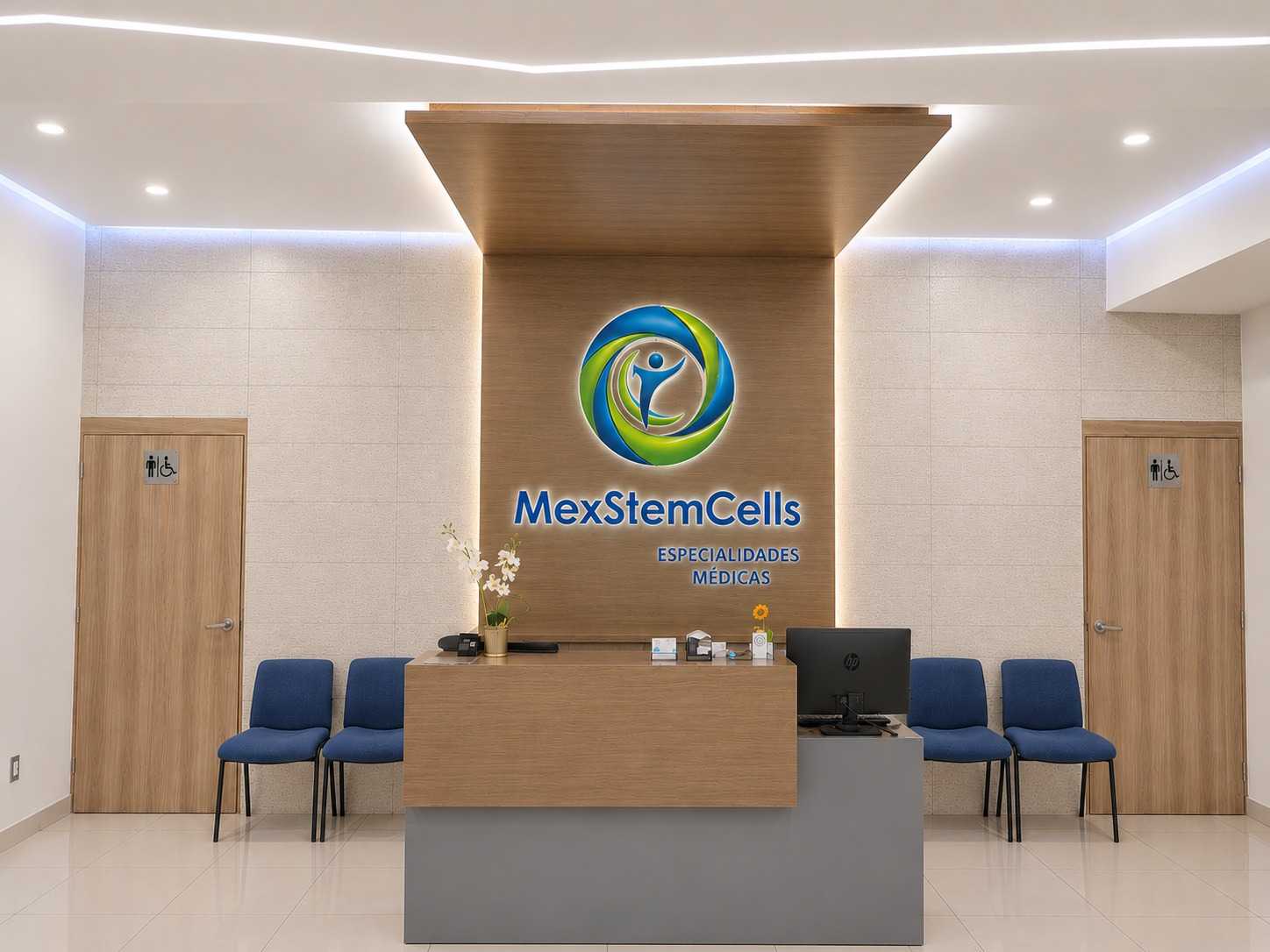
MexStemCells Clinic
Mexico City,Mexico

Stem Health Guadalajara
Guadalajara,Mexico

VISANI® Stem Cells in Puebla, Mexico
Puebla,Mexico
Reading about cellular medicine is helpful, but seeing the process firsthand provides a completely different level of comfort. You probably have questions about what the laboratory looks like and how the day of the procedure actually flows. Visualizing the journey helps make the idea of traveling for care feel much more manageable.
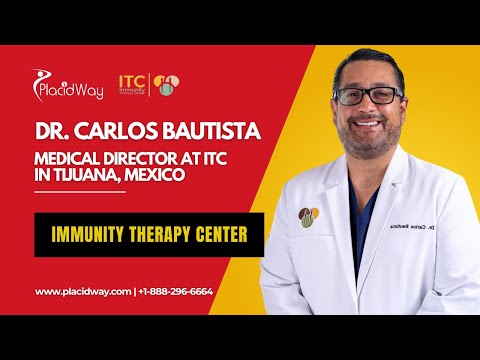
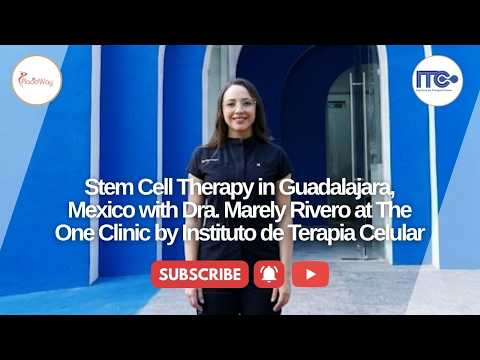
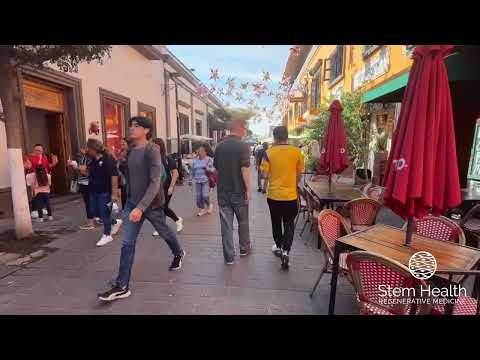
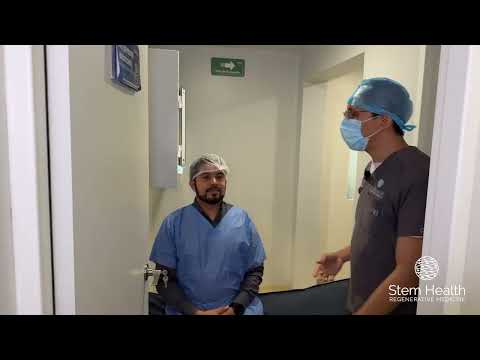
Watching detailed walk-throughs and physician interviews can help demystify the experience and ease any lingering travel anxiety. Check out and compare the below videos to get a behind-the-scenes look at the facilities and understand exactly what to expect.


Marketing brochures look great, but nothing speaks louder than the honest experiences of people who have actually sat in the treatment chair. When you are dealing with chronic joint pain, you want to hear from folks who truly understand the daily struggle. Their stories often reveal the small details that clinical descriptions miss.
Reading firsthand accounts gives you insight into the bedside manner of the staff, the reality of the recovery, and the long-term management of their autoimmune symptoms. Browse and compare the below patient reviews to learn from others' journeys and decide if this path feels right.

Traveling for cellular treatments naturally brings up a lot of questions regarding safety, logistics, and medical protocols. Here are some of the most common questions patients ask when considering stem cell therapy for rheumatoid arthritis in Mexico.
Is stem cell therapy for RA legal and regulated in Mexico?
Yes, it is legal and heavily regulated. The Mexican government oversees biological treatments through COFEPRIS, a federal health commission that enforces strict safety and hygiene standards for clinics and laboratories operating in the country.
What types of cells are used for arthritis treatments?
Most clinics utilize mesenchymal stem cells (MSCs) derived either from your own body (autologous, often from fat or bone marrow) or from ethically donated umbilical cord tissue. MSCs are preferred for their potential to modulate immune responses and reduce joint inflammation.
How is the treatment actually administered?
Depending on your specific symptoms, doctors may administer the cells via a systemic intravenous (IV) drip to target overall autoimmune inflammation, or through localized intra-articular injections directly into your most painful joints.
Do I need to stay in the hospital after the procedure?
No, this is typically an outpatient procedure. Patients usually stay at the clinic for a few hours of observation after the injections or infusions before returning to their local hotel to rest.
How long should I plan to stay in Mexico?
Most medical teams recommend a stay of 3 to 5 days. This allows enough time for the initial consultation, the treatment itself, and a follow-up appointment before you board a flight back home.
Will my US or Canadian health insurance cover this procedure?
In almost all cases, no. Most North American insurance providers still consider stem cell therapy for rheumatoid arthritis to be experimental or investigational, meaning patients must pay entirely out of pocket.
What is COFEPRIS and why should I care?
COFEPRIS is the Federal Commission for the Protection Against Sanitary Risk in Mexico. Choosing a COFEPRIS-certified clinic ensures the facility meets rigorous federal health guidelines regarding laboratory sterility and patient safety.
Are the stem cells screened for infectious diseases?
Yes. Legitimate, certified clinics follow strict mandatory screening protocols to test all biological materials for infectious diseases, ensuring the cells are safe for human use before administration.
Can I fly home on the same day as my injections?
Doctors strongly advise against same-day travel. It is highly recommended to rest at your hotel overnight to monitor for any mild side effects, such as temporary joint soreness or fatigue, before dealing with the stress of airports.
Does this treatment completely cure rheumatoid arthritis?
No, there is currently no cure for rheumatoid arthritis. The goal of stem cell therapy is to modulate the immune system, reduce chronic inflammation, and improve your overall quality of life, but it should not be viewed as a permanent cure.
A successful medical outcome relies heavily on the hands and mind guiding your care. You need a specialist who understands both regenerative medicine and the complex autoimmune nature of rheumatoid arthritis. Not just any physician is equipped to properly dose and administer cellular treatments.
Look for doctors who have specific background training in immunology, orthopedics, or rheumatology, alongside their regenerative certifications. Compare the below doctors to review their specific credentials, years of clinical experience, and verifiable board certifications before making your final choice.

Traveling south for medical care has become a routine journey for thousands of Americans and Canadians seeking alternatives for chronic pain management. Mexico offers a highly appealing blend of modern healthcare infrastructure and accessible, affordable travel logistics. Most patients fly into well-connected medical hubs like Cancun, Tijuana, or Guadalajara, which boast international airports with direct, short flights from major North American cities.
Once you arrive, navigating the medical tourism landscape is generally straightforward. Top-tier clinics often provide bilingual patient coordinators who assist with your itinerary, from airport pick-ups to hotel accommodations. Beyond the medical care itself, many patients find that the warm, dry Mexican climate feels noticeably soothing on arthritic joints during their brief recovery window.
| Popular Medical Hubs | Tijuana, Cancun, Guadalajara, Monterrey |
| Average Flight Times | 2 to 4 hours from most major US and Canadian airports |
| Entry Requirements | Valid passport; no special medical visa required for short stays |
| Climate Benefit | Warmer weather often preferred by patients with joint stiffness |
By combining certified medical expertise with an easier travel experience, Mexico continues to be a leading destination for patients determined to take control of their autoimmune health.
Navigating chronic joint pain and international travel can feel overwhelming, but you do not have to make these decisions alone. PlacidWay can help you connect with COFEPRIS-certified clinics, coordinate your specialist consultations, and simplify the entire planning process from start to finish.
Take the next step toward understanding your options by getting a personalized estimate based on your specific medical records. Compare the options below, ask the right questions, and find the care team that fits your health goals.
References
- Stem Cell Therapy for Arthritis – Arthritis Foundation
- Regulatory Framework for Health Facilities – COFEPRIS
- Mesenchymal Stem Cells in Rheumatoid Arthritis – National Institutes of Health (PubMed)
- Clinical Trials and Autoimmune Disease Research – ClinicalTrials.gov
- Advances in Rheumatoid Arthritis Management – Oxford Academic Rheumatology
























Share this listing