
Reclaim Your Heart Health: A Guide to Cardiac Physical Rehabilitation Abroad
A cardiac event or diagnosis can feel like a life-altering moment, bringing with it uncertainty and fear. But what if you could not only recover but emerge stronger, healthier, and with a renewed sense of well-being? This is the promise of Cardiac Physical Rehabilitation – a structured, life-changing program designed to help you regain your strength, understand your heart condition, and significantly reduce your risk of future heart problems. Whether you've experienced a heart attack, undergone surgery like a bypass or valve replacement, or are managing chronic heart failure, cardiac rehab can be your path to a vibrant, active life.
For many, particularly those seeking high-quality, specialized care combined with cost-effectiveness or a unique healing environment, considering cardiac rehabilitation abroad is becoming an increasingly popular and viable option. This comprehensive guide will explore everything you need to know about cardiac rehab, from who benefits and what to expect, to the exciting opportunities and considerations when seeking treatment beyond your borders.
What symptoms indicate a need for Cardiac Rehabilitation?
Cardiac rehabilitation isn't just for those who've had a recent, dramatic heart event. It's often crucial for anyone living with various heart conditions who experiences symptoms affecting their daily life. Recognizing these symptoms is the first step toward seeking appropriate care. Common indicators that you might benefit from cardiac rehab include:
- Persistent Fatigue: Feeling unusually tired, even after minimal activity, can be a sign your heart isn't pumping as efficiently as it should.
- Shortness of Breath (Dyspnea): Experiencing breathlessness during activities that were once easy, or even at rest, can indicate heart weakness or other cardiac issues.
- Chest Pain or Discomfort (Angina): Aching, pressure, tightness, or burning sensations in the chest, which may spread to the arms, neck, jaw, or back, are classic signs of coronary artery disease.
- Swelling in Legs, Ankles, or Feet (Edema): This can be a symptom of fluid retention due to heart failure, as the heart struggles to circulate blood effectively.
- Dizziness or Lightheadedness: These sensations can occur if your brain isn't receiving enough blood, which might be linked to underlying heart problems.
- Palpitations: A sensation of a racing, pounding, or fluttering heart can sometimes indicate an irregular heart rhythm.
- Reduced Exercise Tolerance: An inability to perform physical activities that you used to manage easily, or a significant drop in your endurance.
If you're experiencing any of these symptoms, it's essential to consult with your doctor. They can determine if these are heart-related and if cardiac rehabilitation is the right next step for you.
What are the common causes and risk factors for heart conditions that benefit from rehabilitation?
Understanding the root causes and risk factors behind heart conditions is crucial for prevention and effective management, which is a core component of cardiac rehabilitation. Many factors contribute to heart disease, some modifiable and others not:
Modifiable Risk Factors:
- Unhealthy Diet: High intake of saturated and trans fats, cholesterol, sodium, and sugar contributes to atherosclerosis (hardening of the arteries).
- Physical Inactivity: A sedentary lifestyle weakens the heart, contributes to obesity, and increases the risk of other conditions like diabetes.
- Smoking: Nicotine and other chemicals in tobacco damage blood vessels, increase blood pressure, and reduce oxygen in the blood.
- High Blood Pressure (Hypertension): Sustained high pressure damages arteries and makes the heart work harder. Often called the "silent killer."
- High Cholesterol: High levels of LDL (bad) cholesterol contribute to plaque buildup in arteries.
- Diabetes: High blood sugar damages blood vessels and nerves that control the heart.
- Obesity: Excess weight strains the heart and increases the risk of high blood pressure, diabetes, and high cholesterol.
- Stress: Chronic stress can contribute to high blood pressure and unhealthy coping mechanisms like overeating or smoking.
- Excessive Alcohol Consumption: Can raise blood pressure, contribute to heart failure, and lead to irregular heart rhythms.
Non-Modifiable Risk Factors:
- Age: The risk of heart disease increases with age.
- Family History: A strong family history of heart disease, especially at an early age, increases your risk.
- Sex: Men are generally at higher risk, but women's risk increases significantly after menopause.
Cardiac rehabilitation programs often focus heavily on educating patients about these factors and helping them implement sustainable lifestyle changes to mitigate their impact.
What types of Cardiac Physical Rehabilitation programs are available?
Cardiac rehabilitation is a multidisciplinary program tailored to individual needs. While specifics can vary, most programs encompass several core components, often delivered in phases:
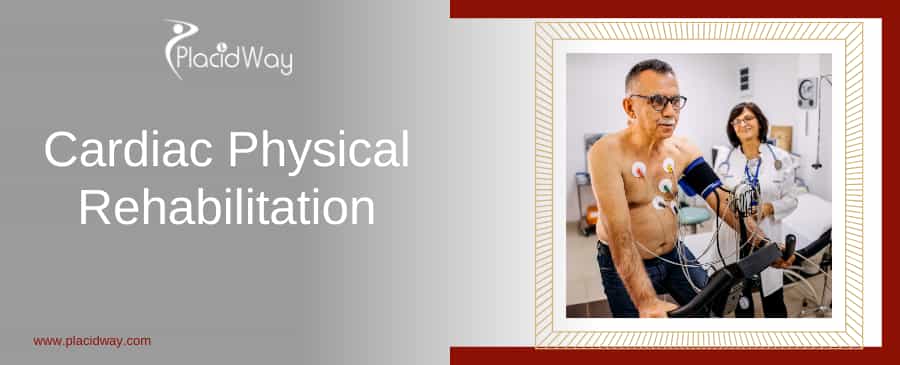
- Exercise Counseling and Training: This is a cornerstone of rehab. Under the supervision of exercise physiologists, nurses, and doctors, you'll engage in safe, monitored physical activity. This includes aerobic exercises (walking, cycling), strength training, and flexibility exercises. The goal is to improve cardiovascular fitness, muscle strength, and endurance.
- Education for Heart-Healthy Living: You'll receive vital information on managing your heart condition, medications, nutrition, blood pressure, cholesterol, and diabetes. This knowledge empowers you to make informed decisions for your long-term health. Topics include cooking healthy meals, understanding food labels, and recognizing warning signs of heart problems.
- Stress Management and Counseling: Dealing with a heart condition can be emotionally challenging, leading to anxiety, depression, and stress. Cardiac rehab often includes counseling or support groups to help you cope with these feelings, develop relaxation techniques, and improve your overall mental well-being.
- Risk Factor Modification: Programs focus on helping you quit smoking, manage weight, and control other risk factors through personalized strategies and support.
Programs are often structured in phases:
- Phase 1 (Inpatient): Begins while you're still in the hospital after a heart event or surgery, focusing on early mobilization and basic education.
- Phase 2 (Outpatient/Supervised): The most common phase, typically lasting 3-6 months, involving regular sessions at a rehab center with close monitoring.
- Phase 3 & 4 (Maintenance/Home-based): Long-term programs that encourage continued exercise and healthy habits, often with less supervision or through home-based programs once you've gained confidence and knowledge.
The best cardiac rehab programs are personalized, adapting to your specific condition, fitness level, and recovery goals.
Who is eligible for Cardiac Rehabilitation, and when should it be considered?
Cardiac rehabilitation is not a niche program; it's a widely recommended and often vital part of recovery and long-term management for a broad range of heart conditions. You might be eligible if you have had or are living with any of the following:
- Heart Attack (Myocardial Infarction): Crucial for recovery, reducing the risk of another event, and improving heart function.
- Coronary Artery Bypass Graft (CABG) Surgery: Helps patients regain strength and manage post-surgical recovery.
- Angioplasty and Stent Placement: Even less invasive procedures benefit from rehabilitation to optimize outcomes.
- Heart Valve Repair or Replacement: Essential for building strength and improving cardiovascular function after surgery.
- Heart Transplant: A critical component of post-transplant care to help the body adapt and strengthen.
- Heart Failure: Improves quality of life, reduces symptoms, and can decrease hospital readmissions.
- Angina (Chest Pain) Caused by Coronary Artery Disease: Helps manage symptoms and improve exercise tolerance.
- Peripheral Artery Disease (PAD): Although not directly a heart condition, PAD often co-exists with heart disease, and rehab can improve walking ability and reduce symptoms.
When to Consider It: The sooner, the better! Ideally, cardiac rehabilitation should begin within a few weeks (or even days, for inpatient rehab) following a heart event or surgery, once your doctor deems you stable. Early intervention has been shown to yield the best results, helping to prevent complications and accelerate your return to daily activities. Discuss eligibility and timing with your cardiologist to create a personalized plan.
What recovery time and expectations should I have, and are there any risks with Cardiac Rehabilitation?
Embarking on cardiac rehabilitation is a journey, not a quick fix. Understanding the expected timeline and potential, though minimal, risks can help you approach the program with confidence.
Recovery Time and Expectations:
- Duration: A typical supervised outpatient cardiac rehab program lasts for 3 to 6 months, with sessions held 2-3 times per week. However, the benefits are lifelong, encouraging sustained healthy habits.
- Gradual Progress: Don't expect immediate dramatic changes. Improvement is gradual but steady. Your exercise intensity will slowly increase as your heart strengthens.
- Improved Physical Fitness: You can expect increased stamina, strength, and a greater ability to perform daily activities without fatigue or shortness of breath. Many patients find they can return to hobbies and work they thought were lost.
- Better Symptom Management: Many participants experience a significant reduction in symptoms like chest pain, dizziness, or breathlessness.
- Enhanced Knowledge: You'll gain a deep understanding of your condition, medications, and how to maintain a heart-healthy lifestyle.
- Emotional Well-being: Rehabilitation helps alleviate anxiety and depression often associated with heart disease, providing a supportive environment and coping strategies.
- Reduced Risk: Perhaps the most significant expectation is a substantial reduction in the risk of future heart problems, hospitalizations, and mortality.
Risks and Side Effects of Cardiac Rehabilitation:
Cardiac rehabilitation is overwhelmingly safe when conducted under medical supervision. The benefits far outweigh the minimal risks. Potential risks are generally associated with overexertion, and the structured nature of rehab is designed to prevent these:
- Minor Musculoskeletal Injuries: As with any exercise program, there's a small risk of muscle soreness, sprains, or strains. Therapists guide you on proper form and intensity to minimize this.
- Overexertion: Pushing yourself too hard could theoretically trigger symptoms like chest pain or an irregular heartbeat. However, trained staff continuously monitor your heart rate, blood pressure, and symptoms during sessions, and equipment for emergencies is always on hand.
- Low Blood Sugar: For individuals with diabetes, exercise can lower blood sugar. Rehab programs educate patients on monitoring and managing this risk.
- Dehydration: Inadequate fluid intake during exercise can lead to dehydration. Hydration is emphasized and monitored.
Compared to the risks of *not* participating in cardiac rehabilitation (increased risk of future heart events, reduced quality of life, greater disability), the supervised environment of a rehab program makes it an incredibly safe and beneficial intervention.
How much does Cardiac Physical Rehabilitation cost worldwide, and what influences pricing?
The cost of cardiac rehabilitation can be a significant factor for many patients, especially if insurance coverage is limited or non-existent in their home country. Prices vary widely across the globe due to differences in healthcare systems, economic factors, and the scope of services offered. Here's a general overview and what influences the price:
Estimated Cost Comparison Table (Typical Outpatient Program, 3-6 Months):
| Country/Region | Estimated Cost Range (USD) | Typical Inclusions |
|---|---|---|
| USA | $8,000 - $25,000+ | Supervised exercise, education, counseling (often covered partially by insurance) |
| Western Europe (UK, Germany, France) | $5,000 - $15,000 | Similar to USA, may have more public health subsidies |
| Eastern Europe (Poland, Czech Republic) | $3,000 - $8,000 | Supervised exercise, basic education, sometimes includes accommodation |
| India / Thailand | $2,000 - $7,000 | Comprehensive programs, often includes accommodation, meals, and additional wellness therapies |
| Mexico / Costa Rica | $4,000 - $10,000 | Quality programs with potential for travel benefits and reduced costs compared to North America |
Factors Influencing Pricing:
- Location: Healthcare costs vary dramatically by country and even within regions of a country.
- Program Intensity & Duration: A more intensive program with more frequent sessions or a longer duration will naturally cost more.
- Inclusions: Some international packages might include accommodation, meals, airport transfers, psychological support, nutritional counseling, and additional wellness therapies (e.g., massage, yoga) – all of which impact the price.
- Facility Reputation & Accreditation: Highly accredited centers with cutting-edge equipment and renowned specialists may charge more.
- Insurance Coverage: In some countries, local health insurance may cover a portion of the costs, but this rarely applies to international patients.
- Type of Program: Inpatient (residential) programs are significantly more expensive than outpatient ones, as they include full board and 24/7 care.
When considering options abroad, it's crucial to get a detailed breakdown of what's included in the quoted price to avoid hidden costs.
Why should I consider Cardiac Physical Rehabilitation abroad?
For many patients, looking beyond their national borders for medical care, especially for ongoing programs like cardiac rehabilitation, presents several compelling advantages:
- Significant Cost Savings: As seen in the cost table, the price of high-quality cardiac rehabilitation can be substantially lower in many popular medical tourism destinations compared to Western countries. This can make life-saving treatment accessible to those without adequate insurance or with high deductibles.
- Access to Advanced Facilities and Specialized Programs: Some international clinics specialize in comprehensive cardiac recovery, offering cutting-edge equipment, integrative therapies, and holistic approaches that might not be readily available or affordable at home.
- Reduced Wait Times: In some healthcare systems, long waiting lists for cardiac rehab can delay recovery. Traveling abroad often allows for immediate access to programs, ensuring timely intervention crucial for optimal outcomes.
- Privacy and Anonymity: For some, undergoing treatment away from their local community offers a sense of privacy and the ability to focus solely on recovery without social pressures.
- Healing Environment and Stress Reduction: Recovering in a new, often tranquil setting, away from the daily stresses of home and work, can significantly aid the psychological aspects of healing. Many destinations offer beautiful natural surroundings conducive to relaxation and recovery.
- Integrated Wellness and Tourism: Some packages combine rehab with elements of wellness tourism, allowing patients and their companions to experience a new culture or natural beauty as part of the healing journey.
The decision to seek care abroad is personal, but for cardiac rehabilitation, these benefits often make it a highly attractive option, transforming a medical necessity into an opportunity for holistic rejuvenation.
Which countries offer the best value and quality for international Cardiac Rehabilitation?
When seeking the "best value and quality" for cardiac rehabilitation abroad, patients typically look for a combination of affordability, high medical standards, experienced staff, and a conducive healing environment. Several countries have emerged as leaders in this specialized area of medical tourism:
- India: Renowned for its world-class hospitals, highly skilled cardiologists and rehabilitation specialists, and significantly lower costs. Many facilities are internationally accredited and offer comprehensive, state-of-the-art programs, often with holistic wellness components.
- Thailand: Known for its exceptional hospitality, modern medical infrastructure, and luxurious yet affordable private hospitals. Thai cardiac rehab centers often integrate traditional wellness practices with Western medicine, providing a serene recovery experience.
- Turkey: A growing hub for medical tourism, offering advanced healthcare facilities, experienced medical professionals, and competitive pricing, especially in cities like Istanbul. Many hospitals are JCI-accredited, ensuring high standards of care.
- Mexico: Convenient for North American patients, Mexico provides high-quality cardiac care at a fraction of the cost, particularly in border cities and major medical hubs. Facilities are modern, and many doctors are US-trained.
- Eastern European Countries (e.g., Poland, Czech Republic, Hungary): These nations offer excellent medical expertise and modern facilities, often at more accessible prices than Western Europe. They provide a blend of structured rehab and often serene, picturesque recovery settings.
- Costa Rica: Emerging as a popular destination for medical tourism, Costa Rica combines quality medical care with a focus on holistic wellness and a beautiful natural environment, ideal for recovery and stress reduction.
When selecting a destination, consider factors beyond just cost, such as international accreditation (e.g., JCI), physician qualifications, language barriers, and the specific inclusions of the rehabilitation program.
What to expect when traveling for Cardiac Rehabilitation overseas, and how can I ensure safety?
Traveling for medical care requires careful planning and a clear understanding of what to expect. Here’s a guide to your journey and how to prioritize safety:
What to Expect When Traveling for Cardiac Rehabilitation Overseas:
- Comprehensive Packages: Many international clinics offer all-inclusive packages covering rehabilitation sessions, medical consultations, accommodation, meals, airport transfers, and sometimes even local excursions.
- Personalized Care Plans: Upon arrival and initial assessment, a detailed, individualized rehabilitation plan will be developed, considering your specific condition, fitness level, and goals.
- Multilingual Support: Most reputable medical tourism facilities have staff fluent in English or offer translation services to ensure clear communication.
- Focused Recovery: Being away from home allows for an undivided focus on your health and recovery, free from daily distractions and responsibilities.
- Cultural Experience: Depending on your chosen destination, you may have the opportunity to experience a new culture, which can contribute positively to your mental well-being and recovery.
- Support for Companions: Many facilities accommodate companions, recognizing the importance of emotional support during recovery.
How to Ensure Safety and Quality Abroad:
- Research and Accreditation: Choose clinics that are internationally accredited (e.g., Joint Commission International - JCI). This signifies adherence to global standards of patient safety and quality.
- Verify Physician Credentials: Ensure that the cardiologists, exercise physiologists, and other medical staff are highly qualified, board-certified, and experienced in cardiac rehabilitation.
- Medical Tourism Facilitator: Work with a reputable medical tourism company like PlacidWay. They vet clinics, arrange logistics, and provide crucial support throughout your journey, acting as a liaison.
- Clear Communication: Ensure all your medical records are translated and shared with the foreign medical team well in advance. Don't hesitate to ask questions about the program, facility, and safety protocols.
- Travel Insurance: Purchase comprehensive travel and medical insurance that covers medical emergencies, trip cancellations, and any potential complications during your stay.
- Understand Post-Rehab Care: Discuss how your progress and treatment plan will be communicated to your home physician, ensuring continuity of care upon your return.
- On-Site Visit/Virtual Tour: If possible, ask for a virtual tour of the facility or testimonials from previous international patients to get a better sense of the environment and care quality.
By taking these proactive steps, you can significantly enhance the safety and quality of your cardiac rehabilitation experience abroad.
Can I hear about patient success stories and experiences with international Cardiac Rehabilitation?
Hearing about the experiences of others can provide valuable insight and reassurance when considering medical treatment abroad. While specific individual stories vary, themes of renewed health, newfound confidence, and an improved outlook on life are common among patients who undergo international cardiac rehabilitation.
Common Threads in Patient Success Stories:
- "A Second Chance at Life": Many patients describe their rehab journey abroad as getting a "second chance." After a heart attack or surgery, feeling weak and fearful, they found the structured, supportive environment of an international program allowed them to rebuild strength and confidence.
- Beyond Physical Recovery: Success stories often emphasize not just physical gains (like being able to walk longer, climb stairs, or return to hobbies) but also significant improvements in mental and emotional well-being. Patients frequently report reduced anxiety, improved mood, and a clearer understanding of how to manage their stress.
- The Value of a Change of Scenery: Several patients mention that being in a new country, often with beautiful scenery and a different pace of life, greatly contributed to their healing. Away from the triggers and routines of home, they could fully immerse themselves in recovery.
- Exceptional Care and Personal Attention: Testimonials often praise the dedicated staff, personalized care plans, and the high level of individual attention received. This includes attentive nurses, expert physiotherapists, and supportive counselors who ensure every aspect of recovery is addressed.
- Affordability Without Compromise: For many, the ability to access top-tier medical care and rehabilitation at a significantly lower cost was a game-changer. They could afford a comprehensive program that might have been financially out of reach in their home country, without feeling like they compromised on quality.
- Empowerment Through Education: Patients often highlight the educational components of the program, which empowered them with knowledge about their condition, nutrition, and exercise, enabling them to maintain a heart-healthy lifestyle long after returning home.
These stories underscore that international cardiac rehabilitation is more than just medical treatment; it's a transformative journey that helps patients not only recover physically but also rediscover their zest for life and learn sustainable habits for lasting heart health. Exploring patient testimonials on platforms like PlacidWay can offer more detailed and inspiring accounts of these successful journeys.
Take the Next Step with PlacidWay
Ready to explore treatment options abroad? Discover top clinics, compare prices, and get a free quote tailored to your needs with PlacidWay.
Rehabilitation and Medical Spa Treatment





.png)



-(10).png)











Share this listing