
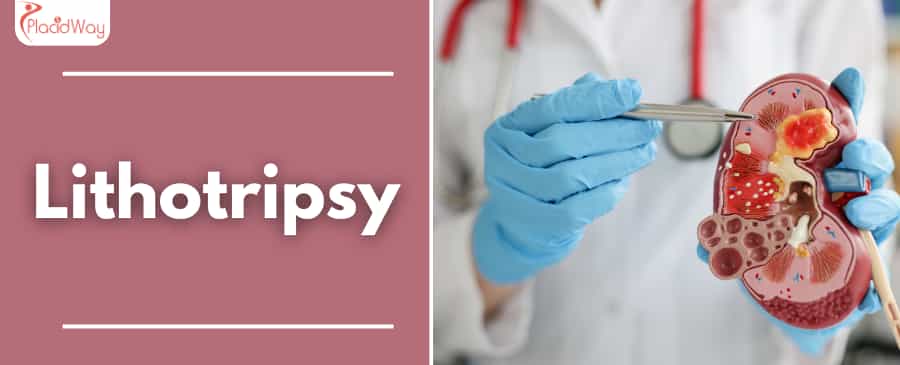
Freedom from Kidney Stone Pain: Your Guide to Lithotripsy Abroad
The sudden, excruciating pain of a kidney stone can be debilitating, turning daily life into a series of urgent searches for relief. For many, finding an effective, affordable, and timely solution is paramount. This is where Lithotripsy steps in – a modern marvel in kidney stone treatment that often eliminates the need for invasive surgery.
If you're experiencing symptoms like severe back pain, blood in your urine, or persistent nausea, you might be wondering, "What are my options for kidney stone removal?" or "How can I get rid of kidney stones without surgery?" Lithotripsy offers a compelling answer. This advanced procedure utilizes focused energy waves to shatter stones, allowing your body to naturally pass the fragments.
For individuals worldwide seeking high-quality care without the high price tag or long wait times sometimes found in their home countries, medical tourism for Lithotripsy has become a popular and practical choice. Destinations known for their excellent healthcare infrastructure and competitive pricing are opening doors to swift and successful treatment. This guide will walk you through everything you need to know about Lithotripsy, from understanding your symptoms and causes to exploring your best options for treatment abroad, ensuring a smooth journey back to health and comfort.
What are the common symptoms of kidney stones that require lithotripsy?
Kidney stones often announce their presence with unmistakable and intense symptoms. The most characteristic symptom is renal colic, a severe, cramping pain typically felt in the side or back, just below the ribs. This pain can radiate to the lower abdomen and groin, often fluctuating in intensity but rarely disappearing entirely. Patients frequently search for "kidney stone pain location" or "signs of kidney stones in adults" because the pain can be so distinct.
Other common indicators include:
- Blood in the urine (hematuria): This can be visible (pink, red, or brown) or microscopic. Many ask, "Is blood in urine always a kidney stone?" While not always, it's a very strong indicator.
- Nausea and vomiting: Often accompanying the severe pain.
- Painful or frequent urination: If the stone moves closer to the bladder.
- Fever and chills: These symptoms can signal an infection, which is a serious complication requiring immediate medical attention.
- Cloudy or foul-smelling urine: Also a sign of potential infection.
Understanding these symptoms is the first step toward seeking timely diagnosis and treatment, like Lithotripsy, which can offer significant relief and prevent further complications.
What causes kidney stones and who is at risk?
Kidney stones form when your urine contains more crystal-forming substances – such as calcium, oxalate, and uric acid – than the fluid in your urine can dilute. At the same time, your urine might lack substances that prevent crystals from sticking together. Understanding "why do people get kidney stones" is crucial for prevention and management.
Key causes and risk factors include:
- Dehydration: Not drinking enough water is a primary cause, as it leads to more concentrated urine, making it easier for crystals to form. Many search for "how to prevent kidney stones with water."
- Diet: A diet high in sodium, animal protein, and oxalates (found in spinach, chocolate, nuts) can increase your risk. "Foods that cause kidney stones" is a common search query.
- Obesity: Higher body mass index (BMI) is linked to an increased risk of kidney stones.
- Digestive diseases and surgery: Conditions like Crohn's disease, ulcerative colitis, or gastric bypass surgery can affect calcium and water absorption, increasing stone-forming substances in urine.
- Medical conditions: Certain conditions like hyperparathyroidism, urinary tract infections (UTIs), and renal tubular acidosis can contribute to stone formation.
- Family history: If a family member has had kidney stones, you're more likely to develop them.
- Certain medications: Diuretics, some anti-seizure drugs, and calcium-based antacids can increase risk.
While some factors are beyond your control, staying hydrated and making dietary adjustments can significantly reduce your risk of developing these painful stones.
What types of lithotripsy procedures are available for kidney stone removal?
When searching for "how does lithotripsy work" or "different types of lithotripsy," you'll encounter a few key methods, each tailored to specific stone characteristics and patient needs. The primary goal remains the same: to break kidney stones into smaller, passable fragments.
-
Extracorporeal Shock Wave Lithotripsy (ESWL):
- What it is: This is the most common non-invasive form. A machine called a lithotripter delivers shock waves from outside your body, through the skin, to the kidney stone.
- How it works: The shock waves travel through tissue without causing harm but impact the denser stone, causing it to vibrate and fragment.
- Best for: Smaller to medium-sized stones (typically less than 2 cm), often in the kidney or upper ureter.
- Recovery: Usually an outpatient procedure with a quick return to normal activities.
-
Ureteroscopy with Laser Lithotripsy:
- What it is: A minimally invasive procedure where a thin, flexible scope (ureteroscope) is passed through the urethra, bladder, and into the ureter or kidney.
- How it works: Once the stone is located, a tiny laser fiber is inserted through the scope to break the stone into fragments. These fragments are either passed naturally or removed with a small basket.
- Best for: Stones in the ureter (the tube connecting the kidney to the bladder), larger stones, or stones that didn't respond to ESWL.
- Recovery: Usually an outpatient procedure, though a temporary stent might be placed to aid healing and fragment passage.
-
Percutaneous Nephrolithotomy (PCNL):
- What it is: While not strictly "lithotripsy" in the same sense as ESWL or laser, PCNL is a surgical option for very large or complex stones.
- How it works: A small incision is made in the back or side, and a tube is inserted directly into the kidney to remove the stone, often breaking it up with an ultrasonic probe.
- Best for: Stones larger than 2 cm or staghorn calculi.
- Recovery: Requires a short hospital stay.
Your urologist will recommend the most suitable type of lithotripsy based on the size, location, and composition of your kidney stone.
Am I a good candidate for lithotripsy to treat my kidney stones?
Determining "who can get lithotripsy" involves a thorough evaluation by a urologist. Factors such as the size, location, and composition of your kidney stone, as well as your overall health, play a crucial role. Patients often ask, "lithotripsy eligibility criteria" to understand if this non-invasive approach is right for them.
You may be a good candidate for Lithotripsy (especially ESWL) if:
- Stone size: Your kidney stone is typically between 0.5 cm and 2 cm (for ESWL). Larger stones might require Ureteroscopy or PCNL.
- Stone location: Stones located in the kidney or upper ureter are generally more accessible for ESWL. Stones lower in the ureter are often better treated with ureteroscopy.
- Stone composition: Calcium oxalate and uric acid stones respond well to lithotripsy. Cysteine stones can be harder to break.
- Overall health: You are in good general health.
However, there are also conditions where lithotripsy might not be recommended:
- Pregnancy: Shock waves are not safe for a developing fetus.
- Blood clotting disorders or use of blood thinners: These increase the risk of bleeding.
- Kidney obstruction below the stone: If fragments cannot pass easily.
- Severe obesity: Can make it difficult for shock waves to reach the stone effectively.
- Kidney infection: Active infection must be treated first.
- Aneurysm near the kidney: Shock waves could damage it.
Your doctor will use imaging tests (X-ray, CT scan) and blood/urine tests to assess your specific situation and recommend the most appropriate treatment.
What is the typical recovery time and what can I expect after lithotripsy?
One of the significant advantages of Lithotripsy, especially ESWL, is its relatively quick recovery time. Patients often search for "lithotripsy recovery timeline" to understand what their post-procedure experience will be like. While individual experiences vary, here’s a general overview of what to expect:
Immediate Aftermath (First 24-48 hours):
- Pain and discomfort: You might feel some mild to moderate pain or discomfort as stone fragments begin to pass. Over-the-counter pain relievers are usually sufficient, or your doctor may prescribe something stronger.
- Blood in urine: It's common to see pink, red, or brownish urine for a few days as fragments pass. This is generally normal.
- Bruising: With ESWL, some bruising on your back or side where the shock waves were applied is common and will fade in a few days.
- Passing fragments: This is the main event! You'll need to drink plenty of water to help flush the fragments out. It can take days to weeks for all fragments to pass.
Returning to Normal Activities:
- ESWL: Most people can return to light activities and work within 1-2 days. Strenuous exercise or heavy lifting should be avoided for a week or two.
- Ureteroscopy with laser: If a stent was placed (a small tube in the ureter to keep it open), you might experience more frequent urination or discomfort until it's removed (usually within a week). You can typically return to light activities within 2-3 days, with full recovery within a week or two.
Important Tips for Recovery:
- Hydration is key: Drink plenty of water (8-10 glasses daily) to help flush out stone fragments.
- Strain your urine: Your doctor may ask you to strain your urine to collect any passed fragments for analysis, which helps in preventing future stones.
- Monitor for complications: Watch for signs of infection (fever, chills), severe pain not relieved by medication, or difficulty urinating. Contact your doctor immediately if these occur.
Many patients are relieved by the relatively minimal disruption to their lives, often allowing for a quick return to their routine, especially valuable for those traveling for treatment.
What are the potential risks and side effects of lithotripsy?
While Lithotripsy is considered a safe and effective procedure, like any medical intervention, it carries potential risks and side effects. Understanding these can help set realistic expectations and ensure you know "is lithotripsy dangerous?" or "side effects of ESWL."
Common Side Effects (usually temporary):
- Blood in urine: Almost universally experienced, often subsiding within a few days.
- Bruising and discomfort: Around the treatment site (ESWL). This resolves within a week.
- Mild pain: As stone fragments pass. Managed with pain medication.
- Nausea: Especially if general anesthesia was used.
- Urinary frequency or urgency: More common if a stent is placed after ureteroscopy.
Potential Risks (less common but more serious):
- Incomplete stone fragmentation: The stone may not break into small enough pieces, requiring additional treatments or alternative procedures.
- Stone fragment obstruction ("Steinstrasse"): A "stone street" or cluster of fragments can block the ureter, causing severe pain and potentially requiring another procedure (like ureteroscopy) for removal.
- Infection: Fragments can create an environment for bacteria, leading to a urinary tract infection or even a more serious kidney infection.
- Bleeding: Though rare, internal bleeding around the kidney can occur.
- Kidney damage: In very rare cases, repeated or excessive shock waves can cause minor kidney damage, potentially impacting kidney function long-term.
- Hypertension: Some studies suggest a slight increase in the risk of developing high blood pressure years after ESWL, though the link is not definitively established.
Your medical team will discuss these risks with you and take precautions to minimize them, ensuring you receive the safest possible treatment.
How much does lithotripsy cost globally, and how can I compare prices?
One of the primary drivers for medical tourism is the dramatic difference in healthcare costs across countries. For procedures like Lithotripsy, the price can vary by thousands of dollars, making international options very appealing for those asking "lithotripsy cost abroad" or "cheapest lithotripsy."
Here's a general comparison of Lithotripsy costs (ESWL or Ureteroscopy with laser) in various countries:
| Country | Estimated Cost Range (USD) | Notes on Value |
|---|---|---|
| United States | $5,000 - $15,000+ | High costs, but advanced technology and highly trained specialists. |
| Mexico | $2,500 - $5,000 | Excellent proximity for North Americans, often JCI-accredited facilities, quick access. |
| India | $2,000 - $4,500 | World-class hospitals, highly skilled doctors, advanced technology, very cost-effective. |
| Turkey | $3,000 - $6,000 | Modern facilities, experienced surgeons, strategic location for European and Middle Eastern patients. |
| Thailand | $3,000 - $6,000 | Renowned for patient hospitality, modern private hospitals, competitive pricing. |
To accurately compare prices, it's essential to get a comprehensive quote that includes:
- Pre-operative consultations and tests
- The procedure itself (Lithotripsy and anesthesia)
- Post-operative care and follow-up appointments
- Any hospital stay (if required)
- Medications
- Stent removal (if applicable)
Always ask for an all-inclusive package price to avoid hidden costs. Medical tourism facilitators like PlacidWay can assist in gathering these detailed quotes from multiple international providers.
Why should I consider traveling abroad for lithotripsy treatment?
The decision to seek medical treatment outside your home country, especially for something as urgent as kidney stone pain, is a significant one. However, the benefits of medical tourism for Lithotripsy are compelling for many patients worldwide. People often search for "benefits of medical tourism for kidney stones" to understand the value proposition.
Here are the key reasons to consider Lithotripsy abroad:
- Significant Cost Savings: As seen in the cost comparison, the price difference can be substantial, often 50-80% lower than in the US or Western Europe, even after accounting for travel and accommodation.
- Reduced Wait Times: In some healthcare systems, waiting lists for procedures can be long. Traveling abroad often means you can schedule your Lithotripsy much sooner, providing faster relief from pain and preventing potential complications.
- Access to Advanced Technology: Many international hospitals in popular medical tourism destinations invest heavily in state-of-the-art equipment and facilities, sometimes offering technologies not yet widely available in other regions.
- High-Quality Care: Countries like India, Mexico, Turkey, and Thailand boast JCI-accredited hospitals (Joint Commission International) and highly trained, often Western-educated, medical professionals, ensuring world-class standards.
- Patient-Centric Approach: International hospitals often excel in hospitality and personalized care, offering services like language interpreters, dedicated patient coordinators, and luxurious recovery suites.
- Combine Treatment with Travel: For many, the opportunity to recover in a pleasant environment or even enjoy a brief pre- or post-procedure vacation adds an appealing dimension to the medical journey.
For someone burdened by high healthcare costs or lengthy waits, medical tourism presents a viable and often superior alternative for urgent and effective Lithotripsy.
How can I ensure safety and quality when choosing a clinic for lithotripsy abroad?
While the allure of cost savings and quick access is strong, ensuring safety and quality is paramount when choosing a clinic for Lithotripsy abroad. Patients frequently search for "safe medical tourism clinics" or "how to choose a foreign hospital." Here’s how to navigate this crucial decision:
- Look for International Accreditations: The gold standard is Joint Commission International (JCI) accreditation. This signifies that the hospital meets rigorous international healthcare quality and patient safety standards. Other relevant accreditations include ISO certifications.
- Research Surgeon Credentials and Experience:
- Verify the urologist's qualifications, board certifications, and professional affiliations.
- Inquire about their experience specifically with Lithotripsy (ESWL and/or laser ureteroscopy), including the number of procedures performed.
- Many leading international surgeons have trained or practiced in Western countries.
- Review Patient Testimonials and Outcomes: Look for independent patient reviews, success stories, and outcome data. Websites like PlacidWay often compile verified patient experiences.
- Assess the Facility and Technology:
- Does the clinic have modern, well-maintained equipment for Lithotripsy?
- Are their operating rooms up to international standards?
- Do they use advanced imaging for accurate stone localization?
- Ensure Clear Communication and Support:
- Is there a dedicated international patient department or coordinator?
- Are interpreters available if there's a language barrier?
- How do they handle pre-operative consultations and post-operative follow-up?
- Transparent Pricing: Confirm that the quote is all-inclusive and clearly breaks down all costs, preventing unexpected expenses.
- Emergency Preparedness: Understand their protocols for potential complications and emergency situations.
Working with a reputable medical tourism facilitator can significantly simplify this process, as they often have pre-vetted networks of high-quality, safe international hospitals.
What are typical patient success stories from those who had lithotripsy abroad?
The real measure of any medical procedure, especially when traveling abroad, lies in the patient's experience and outcomes. "Lithotripsy abroad testimonials" and "medical tourism kidney stone success stories" highlight the tangible benefits achieved by individuals who chose this path.
Here are common themes from successful patient stories:
- Relief from Debilitating Pain: Perhaps the most universal outcome is the alleviation of severe kidney stone pain. Patients often describe feeling immediate relief or a significant reduction in discomfort shortly after the procedure and as fragments pass. "I had suffered for months, and within days of my ESWL in Mexico, I felt like a new person," one patient shared.
- Significant Cost Savings: A frequently cited benefit is the financial relief. Many patients report saving thousands of dollars compared to their home country's prices. "My Lithotripsy in India cost a quarter of what I was quoted at home, allowing me to finally get the treatment I needed without financial strain," commented another.
- Timely Treatment and Swift Return to Health: Patients often praise the lack of waiting lists, which allowed them to schedule their procedure quickly and get back to their normal lives sooner. "The entire process, from consultation to procedure to recovery, was incredibly efficient in Turkey," a European patient noted.
- High-Quality Care and Advanced Facilities: Despite the lower cost, patients consistently express satisfaction with the quality of medical care, modern facilities, and the expertise of the medical staff. "I was impressed by the state-of-the-art equipment and the attentive, English-speaking nurses," said a patient from the US treated in Thailand.
- Positive Travel Experience: Many incorporate their treatment into a broader travel experience, enjoying the local culture during their recovery period. "It felt less like a medical trip and more like a wellness journey," one patient quipped after their Lithotripsy in a vibrant Asian city.
- Comprehensive Support: The role of medical tourism facilitators and dedicated international patient departments is often highlighted. "PlacidWay handled all the logistics, making a potentially stressful situation incredibly smooth and easy," a grateful patient recounted.
These stories underscore that Lithotripsy abroad is not just about affordability; it's about access to timely, high-quality care that leads to successful outcomes and a positive overall experience.
Take the Next Step with PlacidWay
Ready to explore treatment options abroad? Discover top clinics, compare prices, and get a free quote tailored to your needs with PlacidWay.
Urology Abroad | Best Urology Center







.jpg)
.jpg)
.jpg)
.jpg)








Share this listing