
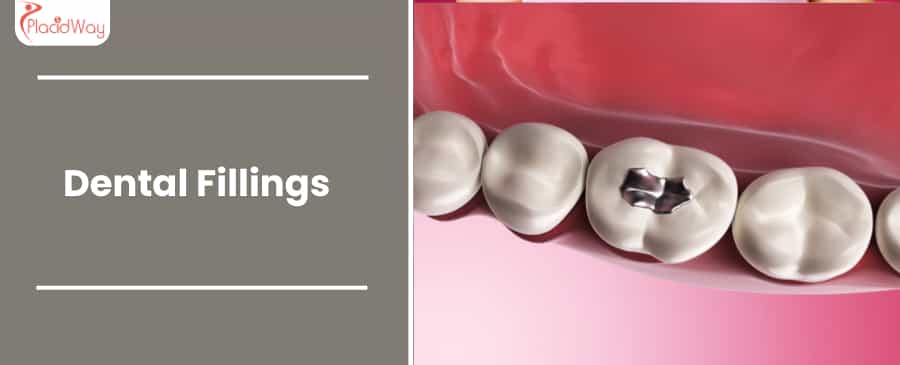
Restore Your Smile and Health: Understanding Dental Fillings for a Brighter Future
Have you ever felt a sharp pang when eating something sweet, or noticed a small dark spot on your tooth that seems to be getting bigger? These could be tell-tale signs of a cavity, a common dental problem that, if left untreated, can lead to severe pain, infection, and even tooth loss. The good news is that dental fillings offer an effective and straightforward solution to halt decay and restore your tooth’s health and integrity.
Dental fillings are a cornerstone of modern dentistry, designed to repair teeth damaged by decay. Think of them as tiny, durable patches that seal off the compromised part of your tooth, stopping bacteria in their tracks and preventing further deterioration. Whether you're dealing with persistent sensitivity, a visible hole, or just a routine check-up revealing early decay, understanding dental fillings is the first step towards a healthier mouth.
Many patients worldwide, especially those looking for "affordable dental work" or "quality dental treatment abroad," turn to medical tourism destinations for dental fillings. This article will guide you through everything you need to know about dental fillings, from identifying symptoms like a "toothache" or "pain when chewing," to exploring the "types of tooth fillings," understanding "dental filling costs," and navigating the world of "dental tourism" for this essential procedure. We'll delve into causes, treatment options, recovery, and what makes international clinics an appealing option for your dental care.
What are the Common Signs You Need a Dental Filling? (Symptoms of Cavities)
Recognizing the early signs of a cavity is crucial for timely treatment and preventing more complex dental issues. Often, cavities can be silent initially, making regular dental check-ups vital. However, as decay progresses, you might start noticing one or more of these symptoms:
- Tooth Sensitivity: A common complaint is "tooth sensitivity," especially to hot or cold temperatures, or even sweet foods and drinks. This happens when the enamel wears down, exposing the dentin layer beneath.
- Persistent Toothache: A constant, dull ache or sharp, sudden pain in a tooth can be a clear indicator. This pain might worsen when you bite down or chew. Many search for "why does my tooth hurt" or "tooth pain relief."
- Visible Holes or Pits: Sometimes, you might be able to see a small hole, pit, or indentation in your tooth. This is a clear sign of decay. Patients often search for "hole in tooth" or "cavity hole."
- Dark Spots or Staining: Brown, black, or even white stains on the surface of a tooth can indicate areas of decay. These are often noticed when people search "what causes tooth discoloration."
- Pain When Biting or Chewing: Pressure from chewing can exacerbate pain in a tooth affected by a cavity, indicating structural compromise.
- Pus Around the Tooth or Gum Swelling: In more advanced cases, decay can lead to infection, causing pus or swelling around the affected tooth or gums. This is a serious symptom requiring immediate attention.
If you experience any of these symptoms, it's essential to seek professional dental advice quickly. Ignoring these signs can lead to deeper decay, root canal treatment, or even tooth extraction.
Why Do Cavities Form? Understanding the Causes and Risk Factors
Understanding "why cavities form" is key to prevention. Cavities, also known as dental caries, are essentially holes in your teeth caused by a process of demineralization and decay. This process is complex but largely boils down to specific factors:
- Bacteria and Sugars: Your mouth is home to billions of bacteria. When you consume sugary or starchy foods and drinks, these bacteria feed on the carbohydrates, producing acids as a byproduct. Common search terms include "what causes tooth decay" and "sugar and cavities."
- Acid Attack on Enamel: These acids attack your tooth enamel, the hard, protective outer layer. Over time, repeated acid attacks weaken and dissolve the enamel, creating tiny holes that eventually grow into full-blown cavities.
- Poor Oral Hygiene: Inadequate brushing and flossing allow plaque—a sticky film of bacteria, food particles, and saliva—to accumulate on your teeth. This provides a constant source of acid, accelerating decay. Many patients search "how to prevent cavities" which highlights oral hygiene.
- Frequent Snacking: Constant snacking, especially on sugary foods, keeps your teeth exposed to acids for longer periods, giving your saliva less chance to neutralize them and remineralize your enamel.
- Dietary Choices: A diet high in sugars, refined carbohydrates, and acidic foods (like citrus fruits and sodas) significantly increases your risk.
- Dry Mouth (Xerostomia): Saliva plays a vital role in washing away food particles and neutralizing acids. Conditions causing dry mouth reduce this protective effect, increasing cavity risk.
- Lack of Fluoride: Fluoride helps strengthen enamel and makes teeth more resistant to acid attacks. Insufficient fluoride exposure can make teeth more vulnerable.
- Genetic Predisposition: Some individuals may have thinner enamel or a genetic susceptibility to cavities.
While some factors are beyond your control, good oral hygiene and dietary choices are your best defense against cavities.
Exploring Your Options: What Are the Different Types of Dental Fillings?
When you need a filling, your dentist will discuss the best material options for your specific situation. The "types of dental fillings" vary in appearance, durability, cost, and placement method:
- Amalgam (Silver) Fillings:
- Description: A mixture of mercury, silver, tin, and copper.
- Pros: Very strong, durable, and generally the least expensive option. They can last 10-15 years or longer.
- Cons: Silver color is very noticeable, making them less aesthetic for visible teeth. Some concerns exist about mercury content, though dental associations deem them safe.
- Use: Ideal for molars or less visible teeth where chewing forces are high.
- Composite Resin (Tooth-Colored) Fillings:
- Description: Made of a plastic and glass mixture.
- Pros: Can be matched to the natural color of your teeth, making them aesthetically pleasing. They bond directly to the tooth structure, providing support. Many ask "tooth colored filling options."
- Cons: Less durable than amalgam, typically lasting 5-10 years. They can be more expensive and may stain over time.
- Use: Versatile, suitable for both front and back teeth.
- Gold Fillings:
- Description: Made from a mixture of gold, copper, and other metals.
- Pros: Extremely durable, biocompatible, and can last 15-20 years or more without corroding.
- Cons: Most expensive option, require multiple dental visits to place, and are clearly visible.
- Use: Preferred by some for strength and longevity, often for back teeth.
- Porcelain (Ceramic) Fillings:
- Description: Made of porcelain material, often custom-made in a lab as inlays or onlays.
- Pros: Very aesthetic, matched to tooth color, and highly resistant to staining and abrasion.
- Cons: Similar in cost to gold, can be brittle, and require multiple visits.
- Use: Good for larger cavities in visible areas.
- Glass Ionomer Fillings:
- Description: Made from acrylic and a component of glass.
- Pros: Releases fluoride, which can help prevent further decay.
- Cons: Weaker than composite or amalgam, less durable, and typically last under 5 years.
- Use: Often used for children's teeth, non-biting surfaces, or temporary fillings.
Your dentist will help you weigh the "pros and cons of different dental fillings" based on the cavity's size, location, your aesthetic preferences, and budget.
Who Is a Good Candidate for Dental Fillings?
If you're asking "who needs a dental filling," the answer is quite straightforward: anyone diagnosed with a cavity. Dental fillings are one of the most common dental procedures, suitable for a wide range of patients. You are likely a good candidate if:
- You have a cavity: The primary reason for a filling is to treat dental decay, regardless of its size, as long as it hasn't reached the pulp of the tooth. Many search "what to do about cavities."
- You experience symptoms of decay: Sensitivity, pain, or visible signs like dark spots or holes indicate a need for evaluation and potential filling.
- Your tooth structure is largely intact: Fillings are ideal when there's enough healthy tooth structure remaining to support the filling material. If the decay is too extensive, a crown might be a more suitable option.
- You have a chipped or cracked tooth without pulp involvement: Small chips or cracks that don't expose the tooth's nerve can often be repaired with a composite filling for both function and aesthetics.
- You are in good general oral health: While not a strict requirement, having good overall oral hygiene and no active gum disease helps ensure the success and longevity of the filling.
It's important to consult with a dentist who can accurately diagnose the extent of your decay and recommend the most appropriate treatment. "Dental evaluation for fillings" is a common step for all patients.
What to Expect: Recovery Time and Post-Procedure Care for Dental Fillings
Getting a dental filling is a routine procedure, and the "recovery time for dental fillings" is generally short and uneventful. Here's what you can typically expect:
- Immediate Aftermath: The local anesthetic will wear off within a few hours. You might feel some numbness, so be careful not to bite your lip or tongue.
- Sensitivity: It's common to experience some "tooth sensitivity after filling" to pressure, air, hot, or cold foods for a few days to a couple of weeks. This usually subsides as the tooth adjusts.
- Pain Medication: Over-the-counter pain relievers like ibuprofen can help manage any discomfort.
- Eating and Drinking:
- Amalgam Fillings: Dentists often recommend waiting at least 24 hours before chewing on a new amalgam filling to allow it to fully set.
- Composite Fillings: These fillings harden immediately with a special light, so you can usually eat and drink right after the appointment, as soon as the numbness wears off.
- Post-Procedure Care Tips:
- Avoid very hot, cold, or sugary foods immediately after.
- Maintain excellent oral hygiene: brush gently twice a day and floss daily.
- If sensitivity persists or pain worsens, contact your dentist.
- Avoid sticky or hard foods that could dislodge or damage the new filling.
Most people can resume normal activities almost immediately after a filling. The "longevity of dental fillings" depends heavily on good oral hygiene and avoiding habits like teeth grinding or biting on hard objects.
Are There Any Risks or Side Effects Associated with Dental Fillings?
While dental fillings are a safe and routine procedure, like any medical intervention, there are potential "risks and side effects of dental fillings." Most are minor and temporary:
- Tooth Sensitivity: As mentioned, temporary sensitivity to hot, cold, pressure, or sweets is the most common side effect. It usually resolves on its own. Persistent or severe sensitivity might indicate a problem.
- Pain Around the Filling: Mild discomfort or a dull ache can occur, especially if the cavity was deep. This should subside within a few days.
- Allergic Reactions: Though rare, some individuals may have an allergic reaction to the materials used in fillings, such as mercury in amalgam or components in composite resin. Symptoms might include itching or rash around the mouth.
- Nerve Damage: If the decay was very deep and close to the tooth's nerve (pulp), the drilling process or the filling material itself could irritate the nerve, potentially leading to persistent pain and requiring a root canal. This is uncommon with standard fillings.
- Loose or Fallen Filling: Over time, or due to improper bonding, a filling can become loose or fall out. This requires immediate attention to prevent further decay or damage to the exposed tooth. Patients often search "my filling fell out."
- Gap Between Filling and Tooth: If the filling doesn't fit perfectly, a tiny gap can form, allowing bacteria to seep in and cause "secondary decay" under the filling.
- Bite Problems: If the filling is too high, it can interfere with your bite, causing pain or jaw issues. This is easily corrected by your dentist.
It's crucial to discuss any concerns with your dentist and report any persistent or worsening symptoms after your filling. "When to call the dentist after a filling" is a common patient concern.
How Much Do Dental Fillings Cost Worldwide? A Global Comparison
The "cost of dental fillings" is a significant factor for many patients, and prices can vary dramatically depending on the material, the size and complexity of the cavity, the dentist's location, and the country. Medical tourism has become popular for procedures like dental fillings due to these cost differences. Here’s a general comparison:
| Country | Composite Filling (per tooth) | Amalgam Filling (per tooth) | Notes on Cost Factors |
|---|---|---|---|
| USA | $150 - $400+ | $100 - $300+ | High labor costs, advanced technology, varying insurance coverage. |
| Canada | CAD $150 - $350+ | CAD $100 - $250+ | Similar to US, some provincial variations. |
| UK | £60 - £150+ | £40 - £100+ | NHS options are cheaper, private care more expensive. |
| Mexico | $40 - $100 | $30 - $80 | Very popular for US/Canada patients due to proximity and low costs. |
| Costa Rica | $50 - $120 | $40 - $90 | Known for high-quality care at competitive prices, strong infrastructure. |
| Turkey | €30 - €80 | €20 - €60 | Growing dental tourism hub, especially for Europeans, excellent value. |
| India | $30 - $70 | $20 - $50 | Extremely low costs, high-volume clinics. |
| Thailand | $40 - $100 | $30 - $70 | Popular for Western patients, combines dental care with tourism. |
Note: Prices are estimates and can vary based on clinic, dentist's experience, city, and specific case complexity. Always get a detailed quote.
Why Consider Getting Dental Fillings Abroad?
The decision to seek "dental treatment abroad" is often driven by several compelling factors, especially for relatively straightforward procedures like fillings:
- Significant Cost Savings: As seen in the table above, the most common reason is the drastically lower cost. Patients can save anywhere from 50% to 80% on dental work compared to prices in their home countries (e.g., "cheap dental fillings overseas").
- Access to High-Quality Care: Many international clinics, particularly in popular medical tourism destinations, boast state-of-the-art facilities, modern equipment, and highly trained dentists educated in Western countries.
- Shorter Waiting Times: In some countries, patients face long waiting lists for dental appointments. Traveling abroad can often mean immediate access to care.
- Combining Treatment with Travel: For many, a dental trip is also a vacation. You can get your dental work done and then enjoy the sights and culture of a new country. This dual benefit is often searched as "dental vacation" or "dental tourism package."
- Privacy and Anonymity: Some patients prefer the discretion of receiving medical care away from their home communities.
- Opportunity for Comprehensive Care: If you need multiple fillings or other dental procedures, combining them into one trip abroad can be more efficient and cost-effective than staggering them at home.
For a relatively simple procedure like a dental filling, the benefits of cost and efficiency can make "getting dental work in another country" very appealing.
Which Countries Offer the Best Value and Quality for Dental Fillings?
When searching for "best country for dental work," several destinations consistently rank high for offering a blend of affordability, quality, and patient experience:
- Mexico: A top choice for North Americans, especially those near the border. Cities like Tijuana, Los Algodones, and Cancun offer numerous high-quality clinics. "Dental work in Mexico" is a very common search.
- Costa Rica: Renowned for its excellent dental tourism infrastructure, English-speaking dentists, and beautiful scenery. It's often highlighted for advanced procedures but also simple fillings.
- Turkey: Popular with European and Middle Eastern patients. Istanbul and Antalya have many modern clinics providing excellent care at very competitive prices. "Dental clinics in Turkey" is a growing search term.
- Hungary: Particularly Budapest, has been a European dental capital for decades, known for highly skilled dentists and significant savings for EU citizens.
- Thailand: A favorite for patients from Australia, New Zealand, and other Asian countries. Bangkok and Phuket offer world-class dental facilities combined with appealing tourist attractions.
- India: Offers some of the lowest prices globally, with growing infrastructure for medical tourism.
- Colombia: Emerging as a strong contender in Latin America, particularly for patients from the US and Canada, offering high-quality care in cities like Medellín and Bogotá.
When evaluating "dental clinics abroad," look for clinics with international accreditations, positive patient reviews, and transparent pricing.
What Should You Expect When Traveling for Dental Fillings Abroad?
Planning "dental tourism" for fillings involves a few key steps to ensure a smooth and successful experience:
- Initial Research and Consultation: Start by researching reputable clinics and medical tourism facilitators (like PlacidWay). You can often get a "free dental consultation online" by sending your dental records or recent X-rays.
- Treatment Plan and Quote: The clinic will provide a detailed treatment plan, including the type of filling, estimated cost, and number of appointments needed.
- Travel Arrangements: Book flights and accommodation. Many clinics or facilitators offer assistance with these logistics, including airport transfers. Look for "dental treatment packages" that bundle these services.
- Arrival and Initial Appointment: Upon arrival, you'll have an initial in-person consultation, often with new X-rays, to confirm the treatment plan.
- The Procedure: The actual filling procedure is similar to what you'd experience at home, typically taking 30 minutes to an hour per tooth.
- Follow-up and Recovery: For a simple filling, often only one visit is needed. However, you might want to stay a few extra days for any minor follow-up or to ensure the filling settles well, especially if you have multiple fillings.
- Post-Procedure Care: Ensure you receive clear written instructions for aftercare and know who to contact if you have questions or concerns once you return home.
Many patients search "travel tips for dental work abroad" to prepare adequately.
How Can You Ensure Safety and Quality When Getting Dental Fillings Overseas?
Ensuring "safe dental work abroad" is paramount. While many international clinics offer excellent care, due diligence is key:
- Accreditation and Certification: Look for clinics accredited by international bodies like the Joint Commission International (JCI) or local national dental associations. This signifies adherence to high safety and quality standards.
- Dentist Qualifications: Research the dentist's background, education, and experience. Many international dentists have Western training or certifications. Ask for their CV and professional licenses. "Qualified dentists abroad" is a key search.
- Patient Reviews and Testimonials: Read reviews on independent platforms and ask for patient testimonials. This provides insights into other patients' experiences with the clinic and dentist.
- Clinic Hygiene and Technology: Look for evidence of modern equipment, strict sterilization protocols, and a clean environment through photos, virtual tours, or asking for specifics.
- Transparent Communication: Ensure the clinic provides clear, detailed information about your treatment plan, costs (no hidden fees), and aftercare in a language you understand.
- Contingency Planning: Understand what happens if there are complications during or after the procedure. Will the clinic cover follow-up care if issues arise after you return home?
- Medical Tourism Facilitators: Using a reputable facilitator like PlacidWay can streamline the process, as they often vet clinics and dentists for you.
Prioritizing these factors helps guarantee a positive and safe dental tourism experience for "affordable dental care overseas."
Real Stories: What Are Patient Success Stories from Abroad for Dental Fillings?
Hearing "patient testimonials for dental tourism" can be highly reassuring. Here are generalized examples of common success stories:
- Maria from California: "I needed several composite fillings but my insurance barely covered anything, and the local quotes were outrageous. I chose a clinic in Tijuana, Mexico, recommended by a friend. The entire experience was fantastic. The clinic was spotless, the dentist spoke perfect English, and I saved over 70% compared to home. My teeth feel great, and I even had time to explore the city!" This is a classic "Mexico dental success story."
- John from the UK: "My dentist in London quoted a long wait and high prices for a couple of amalgam fillings. I opted for Budapest. Not only did I get my fillings done quickly and expertly, but the clinic arranged my airport transfer and accommodation. The quality was superb, and the trip itself was an enjoyable city break. It proved that 'cheap dental work doesn't mean low quality.'"
- Sarah from Canada: "My family budget was tight, and my dental issues were starting to affect my quality of life. I found a clinic in Costa Rica through PlacidWay that offered transparent pricing and incredible reviews. I got two composite fillings and a check-up for a fraction of the price back home. The staff were so friendly, and I felt completely at ease. It was truly a 'life-changing dental trip.'"
These stories highlight that dental tourism for fillings isn't just about cost savings; it's about accessible, quality care that often comes with an added cultural experience.
Take the Next Step with PlacidWay
Ready to explore treatment options abroad? Discover top clinics, compare prices, and get a free quote tailored to your needs with PlacidWay.
Dental Tourism | Cosmetic Dentistry | Implants | Root Canals | Dentures | Bridges | Orthodontics | Dental Holidays Abroad


.jpg)




Share this listing