
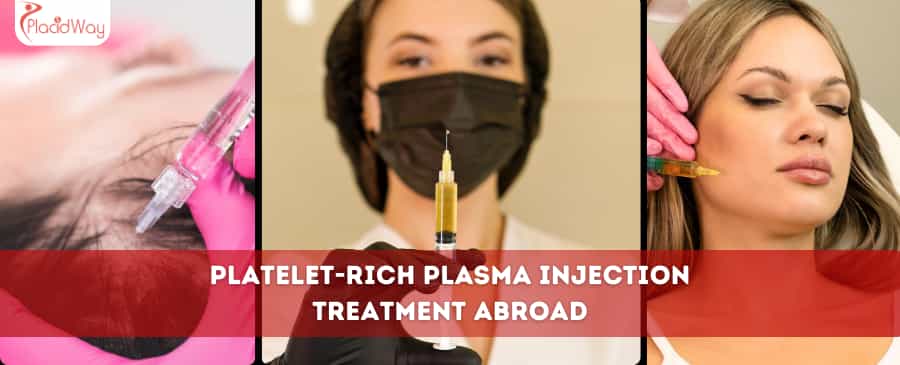
Reclaim Your Mobility and Vitality: Discover Platelet-Rich Plasma (PRP) Injections Abroad
Are you struggling with persistent joint pain, a nagging sports injury that won't heal, or noticeable hair thinning that affects your confidence? The quest for effective, long-lasting relief often leads individuals down many paths, from conventional treatments to advanced regenerative therapies. For many, the answer lies in harnessing the body's own incredible power to heal. Platelet-Rich Plasma (PRP) injection therapy stands out as a groundbreaking solution, offering a natural approach to tissue repair and regeneration.
PRP therapy involves concentrating platelets from your own blood – these tiny cells are packed with growth factors essential for healing. When injected into an injured or degenerated area, PRP delivers a powerful boost of these natural healing compounds, stimulating cellular repair, reducing inflammation, and promoting the growth of new, healthy tissue. It's like giving your body a highly concentrated dose of its own recovery medicine.
This innovative treatment is gaining global recognition for its effectiveness in addressing a wide range of conditions, from chronic knee pain due to osteoarthritis to stubborn tendonitis, and even stimulating hair growth for those experiencing pattern baldness. But what if the treatment you need is more accessible or affordable beyond your local borders? This is where the world of medical tourism opens up possibilities, allowing you to access world-class PRP injections while potentially saving significantly and experiencing a new culture. Let's delve into everything you need to know about PRP injections and how to explore your options abroad.
What conditions can Platelet-Rich Plasma (PRP) Injections treat?
Platelet-Rich Plasma (PRP) injections are celebrated for their versatility, effectively treating a broad spectrum of conditions by stimulating the body’s innate healing processes. The primary goal of PRP is to deliver a concentrated dose of growth factors and other proteins directly to the site of injury or degeneration, kick-starting a robust regenerative response. Here’s a detailed look at the conditions PRP is commonly used for:
- Osteoarthritis: Particularly effective for mild to moderate knee, hip, shoulder, and ankle osteoarthritis. PRP can help reduce pain, improve joint function, and potentially slow down cartilage degeneration. Patients often report significant relief and improved mobility, allowing them to resume activities previously limited by pain.
- Chronic Tendinopathies: These are injuries to tendons that have persisted for a long time and haven't responded to conventional treatments. Examples include:
- Tennis Elbow (Lateral Epicondylitis): Pain on the outside of the elbow.
- Golfer's Elbow (Medial Epicondylitis): Pain on the inside of the elbow.
- Rotator Cuff Tendinopathy: Pain and weakness in the shoulder.
- Achilles Tendinopathy: Pain in the back of the ankle.
- Patellar Tendinopathy (Jumper's Knee): Pain below the kneecap.
- Ligament Sprains: For certain types of ligament injuries, especially chronic ones, PRP can accelerate healing and strengthen the weakened tissues.
- Acute Muscle Strains: While less common than chronic conditions, PRP can be used to speed up recovery from acute muscle injuries in athletes, helping them return to play sooner.
- Hair Loss (Androgenic Alopecia): For both men and women experiencing pattern baldness or thinning hair, PRP injections into the scalp can stimulate inactive hair follicles, promoting new hair growth and increasing hair density. It works by supplying growth factors directly to the hair follicles, extending the growth phase of hair.
- Skin Rejuvenation (Vampire Facial): When combined with microneedling or injected directly, PRP can improve skin texture, reduce fine lines and wrinkles, and diminish acne scars by stimulating collagen production and cell turnover. It's often used for a more youthful and radiant complexion.
By treating the root cause of the problem – damaged or degenerated tissue – PRP offers a pathway to sustained relief and improved quality of life, moving beyond just masking symptoms.
What causes the conditions PRP Injections are used for?
Understanding the underlying causes of the conditions PRP targets helps to appreciate why this therapy is so effective. Many of these issues arise from factors that disrupt the body's natural healing capabilities or lead to progressive tissue breakdown:
- Osteoarthritis: This degenerative joint disease is primarily caused by the breakdown of cartilage, the protective tissue cushioning the ends of bones. Contributing factors include:
- Age: Cartilage naturally wears down over time.
- Previous Joint Injury: Trauma to a joint can increase the risk of developing OA later.
- Obesity: Excess weight puts more stress on weight-bearing joints like the knees and hips.
- Genetics: A family history of OA can increase susceptibility.
- Repetitive Stress: Certain occupations or sports can lead to overuse and cartilage damage.
- Chronic Tendinopathies: These are often a result of the body's failed attempt to heal a tendon injury. The causes typically involve:
- Repetitive Strain and Overuse: Activities that involve repeated movements (e.g., throwing, gripping, running) can micro-tear tendons faster than they can repair.
- Poor Biomechanics: Incorrect form during exercise or daily activities can place undue stress on tendons.
- Sudden Increase in Activity: Quickly increasing the intensity, duration, or frequency of exercise.
- Age-Related Degeneration: Tendons become less elastic and more prone to injury with age.
- Insufficient Blood Supply: Some tendons naturally have poorer blood supply, hindering their ability to heal.
- Hair Loss (Androgenic Alopecia): This common form of hair loss has clear causes:
- Genetics: It's primarily hereditary, passed down from either side of the family.
- Hormones: Specifically, an androgen hormone called dihydrotestosterone (DHT) plays a key role in shrinking hair follicles in genetically predisposed individuals.
- Age: Hair thinning typically becomes more noticeable with age.
In essence, many of these conditions arise when the rate of tissue damage or degeneration outpaces the body's ability to repair itself. PRP intervenes by augmenting this natural repair process, delivering a concentrated burst of growth factors to tip the scales back towards healing.
What are the different types of Platelet-Rich Plasma (PRP) treatments available?
While the core principle of PRP remains consistent – using concentrated platelets from your own blood – the specific methods of preparation and application can vary significantly. These variations are often tailored to the specific condition being treated and the physician's expertise. Understanding these distinctions can help you have a more informed discussion with your healthcare provider:
- Preparation Methods: The way PRP is prepared greatly influences its composition.
- Single Spin vs. Double Spin: This refers to how many times the blood sample is centrifuged. A double-spin technique typically yields a higher concentration of platelets but may also affect the white blood cell content.
- Platelet Concentration: The ideal concentration of platelets is debated, but generally, PRP is considered effective when platelet levels are 3-7 times higher than baseline blood. Different kits and centrifugation protocols achieve varying concentrations.
- Leukocyte Content: White blood cells (leukocytes) are also separated during PRP preparation, and their presence can be a key differentiator:
- Leukocyte-Rich PRP (LR-PRP): Contains a higher concentration of white blood cells along with platelets. Some studies suggest LR-PRP may be more effective for chronic tendinopathies due to its pro-inflammatory initial response, which can be beneficial for initiating healing. However, it can also lead to more post-injection pain.
- Leukocyte-Poor PRP (LP-PRP): Contains a lower concentration of white blood cells. This type is often preferred for conditions where inflammation needs to be minimized, such as osteoarthritis or cosmetic applications, as it may result in less pain and swelling after the injection.
- Activation Methods: Sometimes, PRP is "activated" before injection to release growth factors.
- Exogenous Activators: Substances like calcium chloride or thrombin can be added to the PRP just before injection to trigger platelet degranulation and release of growth factors.
- Autologous Activation: In some cases, the body's own collagen at the injection site can naturally activate the platelets, making external activators unnecessary.
- Application Techniques:
- Direct Injection: The most common method, used for joints, tendons, ligaments, and the scalp. Often guided by ultrasound or fluoroscopy to ensure precise placement.
- Microneedling with PRP (Vampire Facial): For skin rejuvenation, PRP is applied topically after microneedling, allowing better absorption of growth factors into the skin.
- PRP Gels/Fibrin Matrix: In some surgical settings, PRP can be combined with other materials to create a gel or fibrin matrix that can be applied to tissues to enhance healing, such as in dental procedures or wound care.
The choice of PRP type and application method is a clinical decision made by your doctor based on your specific condition, its severity, and the desired treatment outcome. This highlights the importance of consulting with an experienced specialist.
Am I eligible for Platelet-Rich Plasma (PRP) Injections?
While PRP is a natural and generally safe treatment, it's not universally suitable for everyone. A thorough medical evaluation by a qualified physician is crucial to determine if you are a good candidate. Here are the key factors considered for eligibility:
Who is typically a good candidate?
- Generally Healthy Individuals: Patients in good overall health with no major underlying systemic diseases.
- Chronic Musculoskeletal Injuries: Individuals with persistent tendon, ligament, or joint pain (e.g., mild to moderate osteoarthritis, chronic tendinopathy) that haven't responded to conservative treatments like physical therapy, rest, or medication.
- Hair Loss Sufferers: Those experiencing early to moderate stages of androgenic alopecia (pattern baldness) who still have active hair follicles that can be stimulated.
- Realistic Expectations: Patients who understand that PRP is a regenerative therapy that takes time to show results, and not an instant fix.
Who is generally NOT a good candidate?
Certain conditions or medications can contraindicate PRP therapy or reduce its effectiveness:
- Blood Disorders: Conditions like thrombocytopenia (low platelet count), anemia, or other blood dyscrasias that affect platelet function or number.
- Active Infections: Any active infection, especially in the area to be treated, increases the risk of complications.
- Cancer: Especially active cancers or a history of blood cancers (leukemia, lymphoma), as growth factors could theoretically stimulate cancer cell growth.
- Anticoagulant Therapy: Patients on blood thinners (e.g., Warfarin, Aspirin, NSAIDs) may need to temporarily discontinue these medications before PRP, under medical supervision, due to the risk of bleeding or bruising.
- Systemic Diseases: Uncontrolled diabetes, autoimmune diseases, or other systemic conditions might affect healing or the body's response to PRP.
- Pregnancy and Breastfeeding: As with many treatments, PRP is generally avoided during these periods due to insufficient safety data.
- Severe Osteoarthritis: For very advanced joint degeneration where cartilage is completely gone, PRP may offer limited benefit, and surgical options might be more appropriate.
- Corticosteroid Injections: Recent corticosteroid injections in the treatment area might temporarily suppress the body’s healing response and should be considered by your doctor.
Always disclose your full medical history, medications, and lifestyle habits to your doctor. They will order relevant blood tests and assess your condition to determine if PRP is the right and safe option for you.
What is the recovery time and what should I expect after a PRP Injection?
Understanding the recovery process and setting realistic expectations is crucial for successful PRP therapy. Unlike a quick fix, PRP initiates a biological healing process that unfolds over time, much like planting a seed and waiting for it to grow. Here's what you can generally expect:
Immediately After the Injection (First 24-48 hours):
- Mild Pain and Swelling: It’s common to experience some localized pain, soreness, and swelling at the injection site. This is a normal part of the inflammatory response initiated by the growth factors, signalling the start of the healing process.
- Avoid Anti-Inflammatory Medications: Your doctor will typically advise against taking NSAIDs (Non-Steroidal Anti-Inflammatory Drugs like ibuprofen, naproxen) as these can interfere with the regenerative process stimulated by PRP. Acetaminophen (Tylenol) is usually permissible for pain relief.
- Rest and Ice: Rest the treated area as much as possible, especially if it's a joint or tendon. Applying ice packs for short durations (15-20 minutes) can help manage swelling and discomfort.
- Activity Restriction: You'll likely be advised to avoid strenuous activities, heavy lifting, or high-impact exercises for the first few days.
First 1-2 Weeks:
- Gradual Return to Light Activity: As pain subsides, you can gradually resume light, non-strenuous activities.
- Physical Therapy: For musculoskeletal conditions, your doctor may recommend starting or continuing a tailored physical therapy program to support healing, improve strength, and restore range of motion. This is a critical component for optimizing PRP outcomes.
- Continue Avoiding NSAIDs: Many practitioners recommend avoiding NSAIDs for at least 2-4 weeks post-PRP.
Weeks 3-6 and Beyond:
- Progressive Improvement: You might start noticing a gradual reduction in pain and improvement in function. This is when the regenerative effects of PRP begin to become more apparent.
- Full Benefits Emerge: The full benefits of PRP can take several weeks to months (3-6 months) to fully materialize, as tissue regeneration is a slow, biological process. For hair restoration, visible growth often begins around 2-3 months and continues to improve for up to a year.
- Multiple Sessions: Depending on the condition and its severity, multiple PRP sessions (typically 2-3, spaced several weeks apart) may be recommended to achieve optimal results.
Always follow your doctor's specific post-treatment instructions. Patience and adherence to the recovery plan are key to maximizing the success of your PRP injection.
What are the potential risks and side effects of Platelet-Rich Plasma (PRP) Injections?
One of the significant advantages of Platelet-Rich Plasma (PRP) therapy is its excellent safety profile. Since PRP is derived from your own blood (autologous), the risk of allergic reactions or disease transmission is virtually eliminated. However, like any medical procedure involving injections, there are some potential risks and side effects to be aware of:
Common and Minor Side Effects:
- Pain and Soreness at Injection Site: This is the most common side effect and typically lasts for a few hours to a few days. It's often described as a dull ache or pressure.
- Swelling and Bruising: Localized swelling and bruising around the treated area are also common and usually resolve within a few days.
- Redness or Warmth: The area might appear red or feel warm, again due to the initial inflammatory response.
Less Common but Possible Risks:
- Infection: Any injection carries a slight risk of infection, though this is minimized by using sterile techniques. Symptoms of infection include increasing pain, redness, warmth, pus, or fever.
- Nerve Injury: While rare, there's a small risk of nerve irritation or damage, especially in areas where nerves are superficial. This can cause temporary numbness, tingling, or weakness.
- Tissue Damage: Inadvertent damage to blood vessels or surrounding tissues during the injection is possible, though rare with ultrasound guidance.
- Scarring: Very rare, primarily associated with poor injection technique or infection.
- Lack of Efficacy: Not every patient will respond to PRP therapy, and some may experience little to no improvement. Factors like the severity of the condition, patient health, and PRP preparation can influence outcomes.
Minimizing Risks:
To significantly reduce these risks, it's crucial to:
- Choose an Experienced Provider: Select a board-certified physician with extensive experience in performing PRP injections and a strong understanding of anatomy.
- Ensure Sterile Environment: The procedure should be performed in a clean, sterile clinical setting.
- Use Imaging Guidance: For musculoskeletal injections, using ultrasound or fluoroscopy guidance helps ensure accurate placement of the PRP, reducing the risk of hitting nerves or blood vessels.
Your doctor will discuss all potential risks with you before the procedure and take all necessary precautions to ensure your safety and comfort.
How much do Platelet-Rich Plasma (PRP) Injections cost worldwide?
The cost of Platelet-Rich Plasma (PRP) injections can vary dramatically depending on several factors, including the country, the clinic's reputation, the doctor's expertise, the specific condition being treated, the number of injections per session, and the type of PRP preparation used. Typically, insurance rarely covers PRP as it's often considered an experimental or elective procedure.
Here’s a general cost comparison to give you an idea of what to expect:
| Region/Country | Estimated Cost Per Session (USD) | Typical Number of Sessions | Notes |
|---|---|---|---|
| USA / Canada | $750 - $2,500+ | 2-4 | Highest costs, but often includes advanced technology and highly specialized doctors. |
| Western Europe (UK, Germany, France) | $600 - $1,800 | 2-4 | Similar high standards to North America, but sometimes slightly lower prices. |
| Mexico | $400 - $900 | 2-4 | Popular for Americans seeking lower costs and proximity. Good for orthopedic and cosmetic PRP. |
| Turkey | $300 - $700 | 2-5 | Highly competitive for hair restoration and cosmetic PRP; excellent infrastructure. |
| India | $250 - $600 | 2-4 | Very affordable, with many internationally accredited hospitals and English-speaking staff. |
| Thailand | $350 - $800 | 2-4 | Combines quality care with attractive tourism opportunities; strong in cosmetic and orthopedic. |
| Eastern Europe (Poland, Czech Republic) | $300 - $700 | 2-4 | Emerging medical tourism destinations with competitive pricing and good standards. |
It's important to remember that these are average estimates, and actual prices can vary. Always request a detailed quote from clinics, ensuring it includes all aspects of the treatment (consultations, blood draw, PRP preparation, injection, follow-up). When considering treatment abroad, factor in travel, accommodation, and potential follow-up costs.
Why should I consider Platelet-Rich Plasma (PRP) treatment abroad?
For many patients, looking beyond their national borders for medical treatment, including PRP injections, has become an increasingly attractive option. The decision to travel for healthcare, often referred to as "medical tourism," is driven by a compelling combination of factors:
- Significant Cost Savings: This is arguably the primary driver. As seen in the cost comparison, the price of PRP therapy can be dramatically lower in many popular medical tourism destinations compared to Western countries. These savings can make the difference between affording treatment or having to forego it. For example, a full course of PRP for hair restoration in Turkey might cost less than a single session in the US.
- Access to Specialized Expertise and Advanced Techniques: Some countries and clinics specialize in specific regenerative treatments, attracting highly skilled doctors and investing in state-of-the-art technology. Patients can access world-renowned specialists and cutting-edge PRP preparation methods that might not be readily available or affordable at home.
- Shorter Waiting Times: In countries with public healthcare systems, waiting lists for specialized treatments can be long. Traveling abroad often allows patients to schedule their PRP injections much sooner, accelerating their path to recovery and relief.
- Opportunity for a "Healing Vacation": Combining medical treatment with a vacation offers a unique benefit. The recovery period can be spent in a relaxing environment, away from the stresses of daily life, potentially enhancing the healing process and providing a much-needed mental break. Imagine recovering from a knee PRP injection while enjoying the serene beaches of Thailand or the historic charm of Istanbul.
- Privacy and Anonymity: For some, undergoing medical procedures away from home offers a greater sense of privacy, especially for cosmetic treatments or conditions they prefer to keep discreet.
- High-Quality Care and Facilities: Many medical tourism hubs boast internationally accredited hospitals and clinics (e.g., JCI accreditation) that adhere to stringent global standards, providing high-quality care, modern equipment, and excellent patient safety protocols.
The allure of superior care, reduced costs, and the chance for a transformative experience makes considering PRP treatment abroad a smart choice for many seeking effective and accessible regenerative therapy.
Which countries offer the best value for Platelet-Rich Plasma (PRP) Injections?
When seeking the "best value" for PRP injections abroad, it's a balance between affordability, quality of care, doctor expertise, and the overall patient experience. Several countries have emerged as leaders in medical tourism for regenerative therapies, offering excellent options:
- Turkey:
- Known for: Particularly renowned for hair restoration and cosmetic PRP treatments. Istanbul is a global hub for these procedures.
- Value Proposition: Highly competitive prices, state-of-the-art clinics, and highly experienced specialists. Many clinics offer comprehensive packages that include accommodation and transfers.
- Experience: A vibrant culture and rich history make it an attractive destination for recovery and tourism.
- Mexico:
- Known for: A popular choice for patients from the USA and Canada due to its close proximity. Strong in orthopedic and sports medicine applications of PRP.
- Value Proposition: Significantly lower costs than the US, with many clinics adhering to international standards and offering English-speaking staff.
- Experience: Easy to access, with many clinics located near popular border towns or tourist destinations like Cancun and Tijuana.
- India:
- Known for: Offers a wide range of medical treatments, including PRP, at some of the most affordable prices globally. Has numerous internationally accredited hospitals.
- Value Proposition: Extremely cost-effective, with highly qualified and English-speaking doctors. Excellent for various PRP applications, from orthopedics to dermatology.
- Experience: A rich cultural experience, though navigating the country might require more planning.
- Thailand:
- Known for: Combines high-quality medical care with world-class hospitality and beautiful tourist destinations. Strong in cosmetic, orthopedic, and wellness treatments.
- Value Proposition: Affordable prices without compromising on quality. Many hospitals cater specifically to international patients.
- Experience: Offers a relaxing and recuperative environment, with excellent post-treatment care options and a welcoming culture.
- Eastern European Countries (e.g., Poland, Czech Republic):
- Known for: Emerging medical tourism destinations offering competitive pricing for European patients and others.
- Value Proposition: Good standards of care, modern facilities, and English-speaking medical professionals, often at a fraction of the cost in Western Europe.
- Experience: Rich history and culture, offering a different European experience.
When evaluating these options, always consider factors like the clinic's specific accreditations, doctor's specialization and experience with PRP, patient testimonials, and what is included in the treatment package.
How can I ensure safety and quality when getting PRP treatment abroad?
While the benefits of medical tourism are clear, ensuring safety and quality is paramount. You are investing in your health, so due diligence is key. Here's how you can confidently navigate your options for PRP treatment abroad:
- Verify International Accreditations: Look for clinics and hospitals that have received international accreditations. The Joint Commission International (JCI) is the gold standard, signifying that the facility meets rigorous global benchmarks for patient safety and quality of care. Other accreditations like ISO certification are also good indicators.
- Research Doctor Credentials and Experience:
- Specialization: Ensure the doctor is a specialist in the field relevant to your condition (e.g., orthopedist for joint pain, dermatologist for hair loss).
- Qualifications: Check their educational background, board certifications, and professional memberships.
- Experience with PRP: Inquire about their specific experience with PRP injections, how many they perform, and their success rates for conditions similar to yours.
- Language: Confirm that you can communicate effectively with the doctor and medical staff, or that a reliable translator will be provided.
- Review Patient Testimonials and Before/After Photos: Seek out independent reviews on platforms like Google, Trustpilot, or specific medical tourism forums. Ask the clinic for references or patient success stories, particularly from individuals who traveled from your home country. Be wary of only positive, generic reviews.
- Understand the PRP Procedure and Technology:
- Preparation Kit: Inquire about the PRP preparation system they use (e.g., Arthrex, Harvest, RegenLab). Reputable clinics use FDA-approved or CE-marked kits to ensure consistent platelet concentration and sterility.
- Imaging Guidance: For musculoskeletal injections, confirm they use ultrasound or fluoroscopy guidance to ensure precise and safe injection placement.
- Sterilization Protocols: Ask about their infection control and sterilization procedures.
- Ask for a Comprehensive Treatment Plan and Quote: Ensure the quote is all-inclusive and clearly outlines what is covered (consultations, blood tests, PRP preparation, injection fees, follow-up appointments). Discuss the expected number of sessions and potential additional costs.
- Utilize a Reputable Medical Tourism Facilitator (like PlacidWay):
- Expert Guidance: Facilitators can connect you with accredited clinics and experienced doctors, providing vetted options.
- Logistics Support: They often assist with travel arrangements, accommodation, airport transfers, and interpreter services.
- Advocacy: In case of any issues, a facilitator can act as your advocate.
- Pre-travel Consultation: They can arrange virtual consultations with foreign doctors to discuss your case before you travel.
- Plan for Post-Treatment Care: Understand the follow-up process, including who to contact if you have concerns upon returning home.
By taking these proactive steps, you can significantly enhance the safety and quality of your PRP treatment experience abroad and embark on your healing journey with confidence.
Take the Next Step with PlacidWay
Ready to explore treatment options abroad? Discover top clinics, compare prices, and get a free quote tailored to your needs with PlacidWay.
Orthopedic Surgery Abroad, Knee Sugery Abroad





.png)









Share this listing