
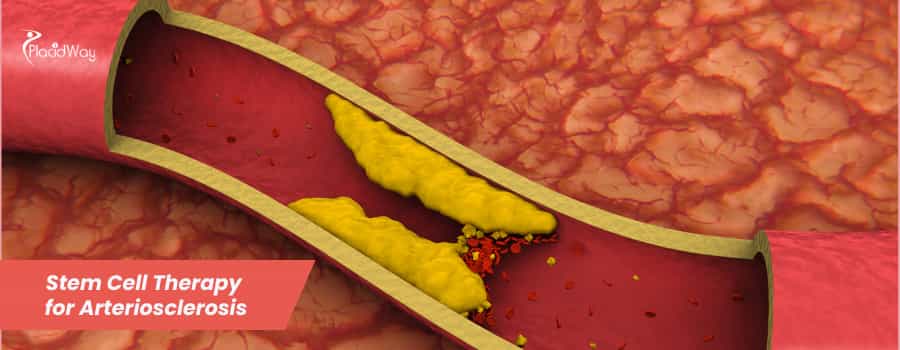
Stem cell therapy is a regenerative treatment that uses special cells to help repair and replace tissue damaged by arteriosclerosis (hardened arteries). It aims to improve blood flow and reduce inflammation, offering a potential new option for managing the condition.
Can Stem Cells Really Help My Arteries? A Guide to Treatment & Travel
Hearing you have arteriosclerosis, or "hardening of the arteries," can be frightening. It means the "pipes" that carry blood through your body are becoming stiff and clogged. While traditional treatments like medication, diet, and surgery are essential, many people are now looking for new options. That's where stem cell therapy comes in.
This guide is here to answer your questions in plain English. We'll explore what stem cell therapy is, how it might help with arteriosclerosis, and why many patients are traveling to other countries to get this treatment. It's about giving you clear, reliable information so you can make the best decision for your health.
What is Arteriosclerosis, and How Can Stem Cells Help?
Arteriosclerosis is the hardening and narrowing of your arteries due to plaque buildup. Stem cells may help by reducing inflammation, repairing the damaged artery walls, and promoting new blood vessel growth, which can improve blood flow.
Think of your arteries as flexible hoses. In arteriosclerosis, sticky stuff called plaque (made of cholesterol, fat, and other substances) builds up on the artery walls. This makes the "hose" narrow and stiff, making it hard for blood to get through. This can lead to serious problems like heart attacks, strokes, and peripheral artery disease (PAD).
Stem cells are your body's "master repair" cells. They have a unique ability to find damaged areas and go to work. When used for arteriosclerosis, they are thought to help in several ways:
- Reduce Inflammation: Plaque buildup causes chronic inflammation. Stem cells are powerfully anti-inflammatory, helping to calm this reaction.
- Repair Damage: They may be able to help repair or replace the damaged cells lining the artery walls (the endothelium).
- Create New Blood Vessels: They can release signals that encourage the growth of new, tiny blood vessels (a process called angiogenesis), creating natural "detours" around blockages.
What Are the Common Symptoms of Arteriosclerosis?
Often, there are no symptoms in the early stages. As it progresses, symptoms depend on which arteries are affected and can include chest pain (angina), pain in your legs when walking (claudication), or sudden weakness on one side of your body.
Arteriosclerosis is often called a "silent killer" because you may not feel anything wrong until an artery is severely narrowed or blocked. When symptoms do appear, they reflect the lack of blood flow to a specific part of your body:
- In the Heart (Coronary Artery Disease): Chest pain or pressure (angina), shortness of breath, or a heart attack.
- In the Brain (Carotid Artery Disease): Sudden numbness or weakness in your face, arm, or leg (especially on one side), confusion, trouble speaking, or a stroke.
- In the Legs (Peripheral Artery Disease): Painful cramping in your calf, thigh, or hip when walking, which stops when you rest (this is called claudication). Other signs include leg numbness, cold feet, or sores that won't heal.
Who is a Good Candidate for This Therapy?
Good candidates are typically people who have been diagnosed with arteriosclerosis (like PAD or coronary artery disease) and have not found complete relief from standard treatments. A full medical evaluation is required to determine eligibility.
Stem cell therapy is not a first-line treatment. It's generally considered when lifestyle changes, medications, or even surgical procedures haven't worked as well as hoped. You might be a candidate if you:
- Have a confirmed diagnosis of arteriosclerosis, such as PAD with symptoms like claudication or non-healing ulcers.
- Still have significant symptoms despite taking medication.
- Are considered a poor candidate for major surgery (like bypass) due to other health risks.
- Are seeking to improve your quality of life and potentially slow the progression of the disease.
A reputable clinic will always conduct a thorough review of your medical records and recent tests before approving you for treatment. They should be able to explain *why* they believe you are (or are not) a good candidate.
What Are the Main Types of Stem Cell Therapy Used?
The most common type involves Mesenchymal Stem Cells (MSCs). These can be autologous (from your own body, like fat tissue) or allogeneic (from a screened donor, like an umbilical cord).
When you hear about stem cell therapy, it's usually about Mesenchymal Stem Cells (MSCs). These cells are special because they are fantastic at managing inflammation and signaling repair. The main difference you'll hear about is where they come from:
- Autologous Therapy: This uses your own stem cells. The cells are typically collected from your fat tissue (adipose) through a simple mini-liposuction procedure or sometimes from your bone marrow. They are then processed and given back to you, often on the same day. The benefit is that they are your own cells, so there is no risk of rejection.
- Allogeneic Therapy: This uses stem cells from a healthy, screened donor. The most common and potent source is umbilical cord tissue, which is collected after a healthy birth. These cells are young, very powerful, and do not cause an immune reaction. They are stored in a lab, ready for use.
Both types are administered into the body, usually through a simple intravenous (IV) infusion, which allows them to travel through the bloodstream and home in on areas of inflammation and damage in your arteries.
What Happens During the Stem Cell Procedure?
The procedure is usually very simple and done as an outpatient. After a consultation, the stem cells (either from you or a donor) are administered into your bloodstream through a standard IV drip. The process is painless and typically takes one to two hours.
The process is much simpler than most people imagine. There is no major surgery involved. Here's a typical step-by-step breakdown:
- Consultation: You'll meet with the doctor to review your case and answer any last-minute questions.
- Cell Preparation: If you are using your own cells (autologous), a doctor will perform a quick procedure to collect fat tissue, which takes about 30 minutes. The tissue is then taken to a lab to isolate the stem cells. If you are using donor cells (allogeneic), they are simply thawed and prepared for you.
- Infusion: You'll relax in a comfortable chair while the stem cells are delivered into a vein in your arm through an IV. This is just like any other IV infusion. It's painless, and you can read a book or listen to music. This part usually lasts 1-2 hours.
- Observation: After the infusion, you'll be monitored for a short time (e.g., 30-60 minutes) to make sure you feel fine, and then you are free to leave and return to your hotel.
What is the Recovery Like After Treatment?
Recovery is minimal. Most patients can resume normal, light activities the very next day. There's no major downtime. You'll be advised to rest for the remainder of the treatment day and can typically fly home after a day or two.
This is one of the biggest advantages. Because the procedure is non-surgical, there is virtually no recovery period. Patients are generally advised to take it easy for the rest of the day after the infusion. By the next day, you can walk around, go out for a meal, and enjoy light activities.
It's important to understand that the cells are just beginning their work. You won't feel a change overnight. The regenerative process happens on a cellular level over weeks and months. The "recovery" is about the procedure itself, which is extremely simple and easy to tolerate.
What Are the Risks and Success Rates I Should Know About?
When done at a reputable clinic, the procedure is very safe, with minimal risks like fatigue or soreness. "Success" is not a cure, but many patients report improved symptoms and quality of life. Be wary of clinics that promise a 100% cure.
Let's talk about safety first. When performed in a professional, accredited medical setting, the risk is extremely low. The most common side effect is feeling a bit tired after the infusion, or minor soreness if you had a fat-harvesting procedure. The risk of rejection is non-existent with your own cells and extremely rare with umbilical cord cells, as they are "immune-privileged." The real risk comes from going to an unvetted, unqualified clinic, which is why choosing the right facility is so important.
Now, "success rate" is a tricky term. Stem cell therapy is not a guaranteed cure for arteriosclerosis. The goal is repair and management. Success is usually measured by:
- Improvement in symptoms (e.g., being able to walk farther without leg pain).
- Improved blood flow seen in medical tests.
- Better overall quality of life and energy levels.
Many patients report significant improvements, but results vary. A good clinic will give you a realistic outlook, not a magic promise.
Why Should I Travel Abroad for Stem Cell Therapy?
The two main reasons are access and cost. Many countries offer advanced stem cell treatments that are not yet approved or widely available in places like the US or UK. Plus, the cost can be 50-80% lower.
This is a very common question. Patients who travel for medical care (called "medical tourists") do so for a few key reasons:
- Access to Treatment: In some countries, like the United States, regulations on stem cell therapy are very strict. This means many advanced treatments are only available in limited clinical trials. Other countries have different regulations that allow experienced doctors to offer these therapies safely to patients today.
- Significant Cost Savings: The cost difference is dramatic. A treatment that might cost $25,000 in the U.S. could be available for $5,000 - $10,000 in a top-tier international clinic. This price difference is not due to lower quality, but lower costs for medical staff, facilities, and insurance.
- No Waitlists: You can often schedule your treatment in a matter of weeks, rather than waiting months or years to get into a trial (if you even qualify).
What Are the Best Countries for Stem Cell Therapy?
Countries like Mexico, Panama, Thailand, and Germany are popular hubs. They combine experienced doctors, modern, accredited clinics, and a long history of safely welcoming international patients for various medical treatments.
Several countries have become world-renowned centers for regenerative medicine. The "best" one often depends on where you are traveling from and your specific needs.
- Mexico: Especially in cities like Cancun, Tijuana, and Guadalajara. Its close proximity to the U.S. and Canada makes it very convenient. Many clinics are ultra-modern, staffed by bilingual doctors, and offer prices far lower than in the U.S.
- Panama: Panama City has become a major hub for stem cell therapy due to its progressive government regulations and high-tech hospitals.
- Thailand: Known for its world-class hospitals (especially in Bangkok) that feel more like 5-star hotels. They combine high-tech medicine with legendary hospitality.
- Germany: Known for its extremely high medical standards and engineering precision. Treatment here can be more expensive than in other countries but is still often cheaper than in the U.S.
How Much Does Stem Cell Therapy for Arteriosclerosis Cost Worldwide?
Costs vary widely, but you can expect to pay between $5,000 and $15,000 at a reputable international clinic. This is often a fraction of the $25,000 to $50,000+ it could cost for similar treatments in the United States.
The cost is a major factor for most patients. It's crucial to know that this treatment is not typically covered by insurance, as it's often considered "investigational."
Here is a general cost comparison table. Please note these are estimates. The final price depends on the number of cells, the type of cells, and the clinic.
| Country | Estimated Cost (USD) | Notes |
|---|---|---|
| United States | $25,000 - $50,000+ | Mostly available in clinical trials; high regulatory costs. |
| Mexico | $5,000 - $12,000 | Highly competitive pricing and easy to travel to. |
| Panama | $8,000 - $15,000 | Known for quality and advanced regulations. |
| Thailand | $7,000 - $15,000 | Includes world-class hospital care. |
How Do I Choose a Safe International Stem Cell Clinic?
This is the most important step. Look for international accreditation, check doctor credentials, and ask detailed questions about the cell source, type, and count. A good clinic will be transparent and happy to answer everything.
Your safety is the number one priority. The world of stem cell therapy has bad actors, so you must do your homework. Here are questions you must ask:
- Are you an accredited facility? Look for credentials, either from their local Ministry of Health or international bodies like the JCI (Joint Commission International).
- Who is the doctor? What are their credentials? Are they specialists in regenerative medicine or cardiology?
- What type of cells will I receive? (MSCs? Adipose? Umbilical?)
- How many cells will I get? (This is a key part of the therapy.)
- Where do the cells come from? If they are donor cells, what are the screening standards? Ask to see lab reports on cell quality and purity.
- Can you provide real patient testimonials?
A trustworthy organization like PlacidWay can help you by pre-vetting clinics and ensuring they meet high standards of safety and care.
What Does the Medical Tourism Process Involve?
The process is quite streamlined. It typically involves an initial online consultation, planning your travel and accommodation (often with help from a coordinator), receiving your treatment, and then a short rest period before flying home.
It might sound complicated, but partners like PlacidWay make it simple. The journey looks like this:
- Step 1: Free Consultation. You'll share your medical history and test results with a patient coordinator, who will have them reviewed by doctors at top international clinics.
- Step 2: Get a Personalized Quote. You'll receive a no-obligation quote from the clinic that includes the treatment, and often package deals with hotel and transportation.
- Step 3: Plan Your Trip. Once you've chosen a clinic, a care coordinator will help you plan everything, from scheduling your treatment to booking your hotel and arranging for a driver to pick you up at the airport.
- Step 4: Travel & Treatment. You'll fly to your destination, be greeted at the airport, and taken to your hotel. You'll go to the clinic for your consultation and treatment, which is usually a 1-2 day process.
- Step 5: Recover & Return. You'll rest in your hotel for another day or two for a follow-up check, and then you'll be clear to fly home, feeling confident in the care you received.
Take the Next Step with PlacidWay
Ready to explore your options for managing arteriosclerosis? Your journey to better cardiovascular health could be just a click away. Explore top-rated international clinics, compare prices, and get a free, personalized quote for your stem cell therapy with PlacidWay. Let us help you plan a seamless and rejuvenating medical travel experience. Start your journey today!
Stem Cell Therapy Abroad




.jpg)
.jpg)
.jpg)
.jpg)








Share this listing