
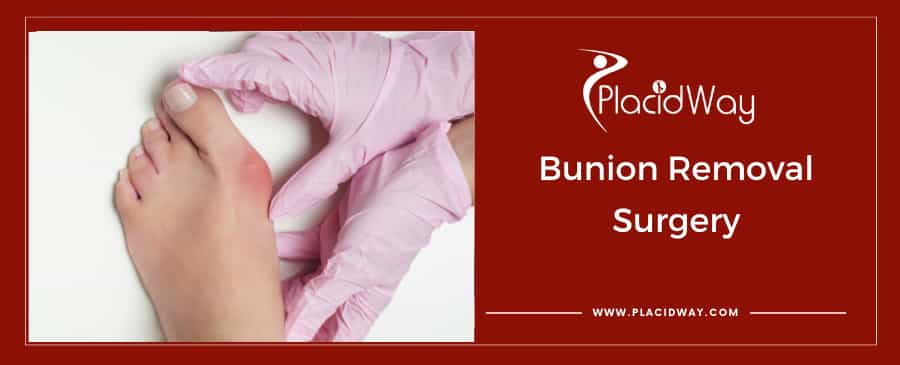
Finding Relief: Your Comprehensive Guide to Bunion Removal Surgery Abroad
Are you experiencing persistent foot pain, difficulty walking, or struggling to find comfortable shoes due to a protruding bump at the base of your big toe? You might be dealing with a bunion. This common foot condition, medically known as hallux valgus, can significantly impact your daily life, making even simple activities unbearable. While conservative treatments often provide temporary relief, many individuals eventually seek a permanent solution: bunion removal surgery.
Bunion removal surgery, or bunionectomy, is a corrective procedure designed to realign the bones in your foot, straighten the big toe, and alleviate the associated pain and discomfort. It's not just about cosmetic improvement; it's about restoring mobility, improving quality of life, and enabling you to walk without agony. If you've been searching for "bunion pain relief" or "what is a bunion surgery," you're on the right track to understanding your options.
For many patients worldwide, the prospect of bunion surgery raises questions about costs, waiting times, and access to top-tier care. This is where medical tourism for bunion surgery comes into play. By considering treatment abroad, you can often find significant savings, shorter waiting lists, and access to internationally accredited facilities with experienced surgeons. This guide will walk you through everything you need to know about bunion removal surgery, from symptoms and causes to recovery, risks, and how to successfully plan your treatment overseas.
What Are the Common Symptoms of Bunions?
Recognizing the signs of a bunion is the first step toward finding relief. Patients often search for "sore big toe joint" or "foot swelling symptoms" when experiencing these issues. Here are the primary symptoms you might experience:
- A Bulge on the Outside of Your Big Toe: This is the most obvious sign – a prominent bony bump at the base of your big toe.
- Pain and Soreness: Persistent pain, especially at the joint where your big toe meets your foot. This "bunion pain" can worsen with movement or when wearing shoes.
- Swelling and Redness: The skin over the bunion may become inflamed, red, and swollen.
- Corns or Calluses: These often develop where the first and second toes rub together due to the bunion's misalignment.
- Restricted Movement: You might find it difficult to bend or straighten your big toe, affecting your ability to walk or balance.
- Numbness or Tingling: In some cases, nerve compression can lead to these sensations.
- Difficulty Wearing Shoes: Finding shoes that don't aggravate the bunion becomes increasingly challenging, often requiring wider or softer footwear.
What Causes Bunions and Who Is at Risk?
Many patients wonder, "what causes bunions?" It's a combination of factors, often leading to increased pressure on the big toe joint:
- Genetics: A family history of bunions significantly increases your risk. You might inherit a specific foot type or structure that makes you prone to developing them, answering the question "are bunions hereditary?".
- Footwear: Wearing tight, narrow, or high-heeled shoes can push your toes together and force your big toe into an abnormal position, contributing to bunion formation over time. "Can high heels cause bunions?" is a common concern, and the answer is yes, they can exacerbate the condition.
- Foot Injuries: Trauma to the foot can predispose you to bunions.
- Foot Type: Certain foot mechanics, like flat feet or excessive pronation (rolling inward), can increase stress on the big toe joint.
- Inflammatory Conditions: Arthritis, particularly rheumatoid arthritis, can contribute to bunion development by causing joint inflammation and deformity.
- Age and Gender: Bunions are more common in women and tend to worsen with age.
What Types of Bunion Removal Surgery Are Available?
There isn't a single "bunion surgery." Instead, there are several "types of bunion surgery" or "bunionectomy procedures," each tailored to the severity of the bunion and your specific foot structure. Your surgeon will determine the best approach after a thorough evaluation.
Traditional Bunionectomy Procedures (Osteotomies):
- Chevron Osteotomy: Often used for mild to moderate bunions, a V-shaped cut is made in the bone near the joint of the big toe, allowing the bone to be shifted into proper alignment.
- Scarf Osteotomy: For moderate to severe bunions, this involves an S-shaped cut in the long bone of the foot (metatarsal), allowing for a more significant shift and rotation of the bone.
- Akin Osteotomy: This procedure typically corrects the angle of the big toe itself, often performed in conjunction with other osteotomies.
- Lapidus Procedure (Lapiplasty®): Used for severe bunions or hypermobility, this involves fusing the joint at the base of the first metatarsal (further up the foot), addressing the root cause of instability.
Minimally Invasive Bunion Surgery (MIBS):
"Minimally invasive bunion surgery" has gained popularity. This technique uses smaller incisions and specialized instruments to perform bone cuts and corrections, potentially leading to less scarring and quicker initial recovery for suitable candidates.
Am I a Candidate for Bunion Removal Surgery?
Deciding "when to get bunion surgery" is a personal journey, but certain "criteria for bunionectomy" generally apply. Your doctor will help you determine if "do I need bunion surgery?" The primary factors include:
- Failure of Conservative Treatments: You've tried non-surgical options like wider shoes, orthotics, padding, medication, and physical therapy, but your symptoms persist or worsen.
- Persistent Pain: Your bunion causes chronic pain that interferes with your daily activities, including walking, exercising, or wearing regular shoes.
- Inflammation and Redness: The joint is frequently inflamed, swollen, or infected.
- Toe Deformity: The big toe is severely angled, causing it to cross over or under the second toe.
- Impaired Mobility: You have difficulty bending or straightening your big toe, affecting your gait and balance.
- Realistic Expectations: You understand the recovery process and potential outcomes of surgery.
- Overall Health: You are in good general health and do not have conditions that would significantly increase surgical risks.
What Can I Expect During Bunion Surgery Recovery Time?
Understanding "bunion surgery recovery" is crucial for a successful outcome. "How long to recover from bunion surgery?" is a common question, and while individual experiences vary, here's a general timeline:
- Immediately After Surgery (Day 1-7):
- Pain management with prescribed medication.
- Foot elevated to reduce swelling.
- Non-weight bearing (using crutches or a walker) is usually required.
- Surgical dressing remains in place.
- Weeks 2-6:
- Stitches are typically removed.
- You'll transition to a special post-operative shoe or boot, allowing for partial weight-bearing.
- Physical therapy may begin to restore mobility and strength.
- Avoid prolonged standing or walking. "Walking after bunion surgery" will be limited and carefully managed.
- Months 2-3:
- Gradual return to comfortable, supportive shoes.
- Increased activity levels, but still avoiding high-impact sports.
- Continued physical therapy.
- Months 3-6 (and beyond):
- Most swelling should subside.
- Return to most normal activities, including light exercise.
- Complete bone healing can take up to a year.
Adherence to your surgeon's instructions and consistent physical therapy are key to a smooth recovery.
What Are the Risks and Potential Side Effects of Bunionectomy?
Like any surgical procedure, bunionectomy carries potential "risks of bunion surgery" and "complications of bunionectomy," although serious ones are rare. It's important to discuss these with your surgeon:
- Infection: Though antibiotics are often administered, infection at the surgical site is a possibility.
- Nerve Damage: Numbness, tingling, or pain can occur if nerves are damaged during surgery.
- Persistent Pain: While the goal is pain relief, some patients may still experience discomfort or a "failed bunion surgery" feeling if the underlying issue wasn't fully resolved.
- Stiffness: The big toe joint may become stiff, limiting mobility.
- Bunion Recurrence: In some cases, the bunion can return, especially if the underlying cause (like foot mechanics or footwear) is not addressed.
- Overcorrection/Undercorrection: The big toe may be corrected too much or not enough.
- Delayed Healing or Non-Union: Bones may take longer to heal, or in rare cases, fail to fuse properly.
- Blood Clots: A risk associated with any surgery, especially involving the lower extremities.
- Anesthesia Risks: Reactions to anesthesia are possible.
How Much Does Bunion Removal Surgery Cost Worldwide?
The "bunion surgery cost" is a significant factor for many patients. "Affordable bunion removal" often leads people to consider options abroad. Prices vary dramatically based on the country, clinic, surgeon's experience, type of procedure, and whether it includes pre-operative tests, anesthesia, hospital stay, and post-operative care.
Here's a general "cost of bunionectomy abroad" comparison (prices are estimates and can change):
| Country | Estimated Cost (USD) - Single Foot | Notes |
|---|---|---|
| United States | $7,000 - $15,000+ | High costs, but widely covered by insurance. Prices vary by state/city. |
| United Kingdom | $6,000 - $10,000+ (Private) | Long waiting lists for NHS, private care is expensive. |
| Canada | $6,000 - $12,000+ (Private) | Public system has long waits, private clinics offer faster access. |
| Mexico | $2,500 - $4,500 | Popular for US patients due to proximity and significant savings. |
| Turkey | $3,000 - $5,500 | Known for modern facilities and experienced surgeons, good for European patients. |
| India | $2,800 - $5,000 | Leading medical tourism destination with high-quality, affordable care. |
| Thailand | $3,500 - $6,000 | Excellent facilities and service, often combined with a recovery vacation. |
Why Consider Bunion Removal Surgery Abroad?
Many patients are exploring "medical tourism for bunion surgery" for compelling reasons:
- Significant Cost Savings: As seen in the table above, the cost difference can be substantial, making treatment accessible for those without adequate insurance or with high deductibles. This is often the primary driver for seeking "cheap bunion surgery overseas."
- Shorter Waiting Times: In countries with public healthcare systems, waiting lists for elective surgeries can be very long. Traveling abroad often means immediate access to treatment.
- Access to High-Quality Care: Many international clinics boast state-of-the-art technology, modern facilities, and internationally trained surgeons, often accredited by global standards like JCI.
- Privacy and Anonymity: Some patients prefer to undergo medical procedures away from their home country for privacy reasons.
- Recovery in a Relaxing Environment: The opportunity to combine your surgery with a short vacation and recover in a peaceful, scenic environment can reduce stress and aid healing.
- Dedicated Patient Support: Medical tourism facilitators often provide comprehensive support, including travel arrangements, accommodation, and translation services.
Which Countries Offer the Best Value for Bunion Surgery?
When searching for the "best country for bunion surgery" or specific queries like "bunion surgery in Mexico" or "Turkey bunion surgery reviews," several destinations consistently stand out:
- Mexico: Especially popular for patients from the United States and Canada due to its geographical proximity. Mexican clinics offer significant cost savings, high-quality care, and often, English-speaking staff. Cities like Tijuana, Cancun, and Guadalajara are medical tourism hubs.
- Turkey: An increasingly popular destination, particularly for European patients. Turkey boasts state-of-the-art hospitals, highly skilled surgeons, and competitive pricing, often including accommodation and transfers in package deals.
- India: Renowned for its advanced medical infrastructure, experienced English-speaking doctors, and exceptionally affordable treatment costs. India is a global leader in medical tourism across many specialties.
- Thailand: Known for its world-class hospitals, exceptional patient care, and the opportunity to combine treatment with a relaxing recovery vacation. The medical staff are highly professional, and facilities are often luxurious.
- Costa Rica: Offers a blend of quality healthcare and beautiful natural surroundings, attracting patients from North America for a more relaxed recovery experience.
- Poland: For European patients, Poland provides high-quality medical care at a fraction of the cost found in Western Europe, with modern clinics and experienced specialists.
How Can I Ensure Safety and Quality for Bunion Surgery Abroad?
Ensuring "safe bunion surgery abroad" and high-quality care is paramount. Here’s how to navigate the process and choose wisely when you "how to choose a clinic overseas":
- Check for International Accreditations: Look for hospitals and clinics that hold international accreditations like the Joint Commission International (JCI) or ISO certification. These indicate adherence to rigorous global standards of patient care and safety.
- Research Surgeon Credentials: Verify your surgeon's qualifications, experience, and board certifications. Ask about their specific experience with bunionectomies and the types of procedures they perform.
- Read Patient Reviews and Testimonials: Seek out "medical tourism safety tips" from previous patients. Online forums, trusted medical tourism platforms, and direct clinic reviews can offer valuable insights.
- Transparent Communication: Ensure the clinic provides clear, detailed information about the procedure, costs, recovery, and potential risks in a language you understand. Ask about translation services if needed.
- Comprehensive Package Inclusions: Understand exactly what's included in the quoted price – consultations, tests, surgery, anesthesia, hospital stay, medications, follow-ups, and any physical therapy.
- Post-Operative Care Plan: Discuss the post-operative care plan both during your stay and upon your return home. Will there be follow-up appointments, and how will communication with your local doctor be managed?
- Use a Reputable Medical Tourism Facilitator: Companies like PlacidWay specialize in connecting patients with trusted international providers, helping with vetting, logistics, and ensuring a smooth experience.
By taking these steps, you can confidently pursue bunion removal surgery abroad, knowing you've prioritized your safety and quality of care.
Take the Next Step with PlacidWay
Ready to explore treatment options abroad? Discover top clinics, compare prices, and get a free quote tailored to your needs with PlacidWay.
Laser Surgery Abroad




.png)
.png)




.png)
.png)
.png)
.png)












Share this listing