


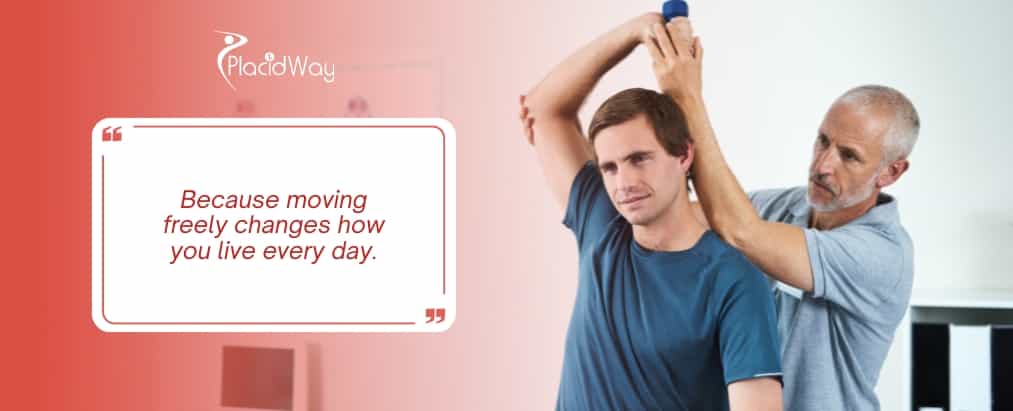
Physiotherapy - Reclaiming Your Movement and Vitality Through Global Wellness Tourism
Movement is the essence of life, yet for millions, it is a daily struggle defined by pain, stiffness, or injury. Physiotherapy is the bridge back to physical freedom. It is a science-based profession that takes a "whole person" approach to health and wellbeing, which includes the patient's general lifestyle. While traditionally viewed as a post-hospital necessity, a new wave of Wellness Tourism has transformed physiotherapy into a proactive, rejuvenating experience.
The primary goal of Physiotherapy is to restore, maintain, and maximize a patient's strength, function, movement, and overall well-being. By traveling abroad for care, patients are stepping away from the limitations of outpatient appointments at home and immersing themselves in intensive rehabilitation retreats. Whether recovering from orthopedic surgery, managing a neurological condition, or seeking elite sports performance recovery, medical tourism offers access to cutting-edge technology and holistic care environments that accelerate healing.
Did You Know?
Physiotherapy is one of the oldest forms of medical treatment. The earliest documented origins date back to 460 BC, when Hippocrates (the father of medicine) and Hector practiced a technique known as "water therapy" (hydrotherapy) and massage to treat patients. Today, modern Wellness Tourism has circled back to these roots, combining advanced robotics with ancient thermal water cures in destinations worldwide.
What Are the Guiding Principles of Modern Physiotherapy?
To understand the value of traveling for rehabilitation, one must grasp the philosophy behind the practice. Physiotherapy is not merely about fixing a broken part; it is anchored in the belief that functional movement is central to what it means to be healthy.
The Pillars of Physical Rehabilitation
Accredited centers catering to international patients operate on these core tenets:
- Movement as Medicine: The body is designed to move. Controlled, targeted physical activity is often more effective than pharmaceuticals for long-term pain management and tissue repair.
- Neuroplasticity and Adaptation: Especially in neurological rehab, the philosophy focuses on the brain's ability to reorganize itself. Intensive therapy stimulates new neural pathways to bypass damaged areas.
- Patient Empowerment: A successful outcome depends on the patient's active participation. Therapists act as coaches, providing the tools for self-management and prevention of future injury.
- Evidence-Based Practice: Integrating individual clinical expertise with the best available external clinical evidence from systematic research.
- Holistic Integration: Recognizing that physical pain often has psychological components. Advanced wellness centers integrate physio with psychology, nutrition, and stress management.
Expert Insights
"The distinct advantage of Wellness Tourism for physiotherapy is 'Frequency and Intensity.' At home, a patient might see a therapist once or twice a week for 45 minutes. In a dedicated medical tourism facility, the patient enters a 'rehabilitation boot camp' environment, receiving 3 to 5 hours of multimodal therapy daily. This condensed intensity often compresses months of recovery into weeks."
Who Should Consider Traveling for Physiotherapy?
Physiotherapy abroad covers a vast spectrum of needs, ranging from high-performance athletic tune-ups to severe post-trauma rehabilitation.
Travelers who typically seek international physiotherapy solutions include:
- Post-Operative Orthopedic Patients: Individuals recovering from knee replacements, hip surgeries, or rotator cuff repairs who need intensive daily support.
- Neurological Conditions: Stroke survivors, or those with Parkinson’s, Multiple Sclerosis, or Spinal Cord Injuries seeking specialized robotic rehabilitation not available domestically.
- Chronic Pain Sufferers: People dealing with lower back pain, fibromyalgia, or arthritis seeking non-opioid pain management in a thermal spa setting.
- Elite and Amateur Athletes: Individuals seeking "Pre-hab" (injury prevention) or rapid recovery protocols used by professional sports teams.
- The Aging Population: Seniors looking to improve balance, prevent falls, and maintain independence through geriatric physiotherapy.
Critical Contraindications
While beneficial, traveling for physio requires medical clearance. It is not recommended for:
- Patients with unstable fractures or acute soft tissue injuries that require absolute immobilization.
- Individuals with active, untreated infections or fevers.
- Deep Vein Thrombosis (DVT) patients (flight risk).
- High-risk cardiovascular patients who cannot tolerate physical exertion.
Fun Fact
Physiotherapy isn't just for muscles and bones; it's also for lungs! "Cardiopulmonary Physical Therapy" helps patients clear secretions and improve lung capacity. This is a booming sector of Wellness Tourism, particularly in "Salt Cave" therapy centers in Eastern Europe designed for respiratory recovery.
What Happens During a Rehabilitation Stay?
A physiotherapy program abroad is a structured, data-driven process. Unlike a spa massage, this is clinical therapy delivered in a comfortable environment. Here is a sensory walkthrough of the three phases of treatment.
The first day involves a comprehensive evaluation that goes far beyond "where does it hurt?"
- Gait Analysis: Using pressure-sensitive treadmills and cameras to analyze exactly how you walk or run.
- Range of Motion (ROM) Testing: Precise measurement of joint angles using goniometers.
- Functional Movement Screen: Identifying imbalances and weaknesses in the kinetic chain.
- Neurological Assessment: Checking reflexes, sensation, and motor control.
The outcome is a personalized "Rehabilitation Roadmap" tailored to your specific anatomy and goals.
This phase constitutes the bulk of your stay, often involving 2-4 sessions per day combining passive and active modalities.
- Manual Therapy: Hands-on mobilization of joints and soft tissue release to reduce pain and increase mobility.
- Modalities: Utilization of ultrasound, laser therapy (LLLT), shockwave therapy, or cryotherapy to reduce inflammation.
- Therapeutic Exercise: Progressive resistance training to rebuild atrophied muscles.
- Hydrotherapy: Performing exercises in heated mineral pools where buoyancy reduces joint stress (common in Europe and Asia).
- Robotic Rehabilitation: Utilizing exoskeletons (like Lokomat) for repetitive gait training in neurological patients.
The final days are focused on ensuring the results travel home with you.
- Ergonomic Training: Teaching you how to sit, lift, and move correctly in your daily life to prevent recurrence.
- Home Exercise Program (HEP): A digital or printed guide of exercises to continue independently.
- Adaptive Equipment Fitting: Ensuring any braces, canes, or orthotics fit perfectly before departure.
You leave not just with a treated injury, but with the education to be the master of your own movement.
What Are the Benefits of Physiotherapy?
Pain Elimination
Therapeutic exercises and manual therapy techniques mobilize joints and soft tissue to restore muscle function, reducing or eliminating pain and the need for opioids.
Surgery Avoidance
If physical therapy eliminates pain or heals an injury, surgery may not be needed. Even if surgery is required, pre-surgery therapy (pre-hab) often results in faster recoveries.
Improved Mobility & Balance
Stretching and strengthening exercises help restore your ability to move. Balance training is crucial for preventing falls, particularly in older adults traveling for wellness.
Sports Injury Recovery
Sports-specific therapists abroad understand how different sports increase your risk for specific types of injuries and can design appropriate recovery or prevention exercise programs.
Cost-Effective Intensity
In many medical tourism destinations, an entire week of intensive inpatient rehabilitation (accommodation + multiple daily sessions) costs less than a single MRI or a few outpatient sessions in the US or UK.
Potential Risks & Considerations
Safety Warning: While non-invasive, physiotherapy carries risks if performed incorrectly. Over-aggressive therapy can re-injure healing tissues. "Travel fatigue" can also hamper recovery if the patient does not rest adequately upon arrival. Always ensure your therapist abroad is licensed by their national physiotherapy association.
Where Should You Go for World-Class Physiotherapy?
International patients choose destinations based on specialization. Some countries excel in robotics, while others focus on hydrotherapy and manual techniques. Here are the leaders in Wellness Tourism for physical rehabilitation:
How Should You Plan Your Rehabilitation Journey?
Rehabilitation requires focus. Use this systematic checklist to ensure your medical trip runs smoothly.
Establish Clear Functional Goals (3 Months Out)
Define success. Is it walking without a cane? Returning to tennis? Decreasing pain by 50%? Communicating these goals to potential clinics ensures they have the right equipment for you.
Gather Medical Imaging (2 Months Out)
Physiotherapists need X-rays, MRIs, and surgical reports to build a safe plan. Digitize all records. PlacidWay can facilitate the secure transfer of these files to international teams.
Fit-to-Fly Certification (1 Month Out)
If you are post-surgery or have mobility issues, consult your local doctor. You may need special assistance at the airport or compression stockings for the flight to prevent DVT.
Pack Proper Gear (1 Week Out)
Rehab is active work. Pack athletic shoes, loose-fitting gym wear, and swimwear for hydrotherapy. Leave restrictive clothing at home.
Plan Post-Trip Continuity (Before Departure)
Rehabilitation doesn't end when you land. Arrange for a local physiotherapist to receive your discharge notes so you can continue your progress without interruption.
Frequently Asked Questions About Physiotherapy Abroad
While both treat musculoskeletal pain, the approach differs. Chiropractors largely focus on spinal manipulation and alignment to relieve pain. Physiotherapists focus on the broader musculoskeletal system, using exercise, movement mechanics, and soft tissue work to improve function and mobility across the whole body.
This depends on the severity of the condition. For general wellness or minor sports injuries, a 7-10 day intensive program is common. For post-surgical rehab (like knee replacement) or neurological recovery, a stay of 3 to 4 weeks is recommended to see significant functional gains.
Many international expat insurance plans (like Cigna Global or Bupa) do cover physiotherapy if it is deemed medically necessary and prescribed by a doctor. However, standard travel insurance usually only covers emergency acute care, not rehabilitation. Always check your policy's specific "outpatient therapy" limits.
Absolutely. This is the essence of Wellness Tourism. Many centers are located in resort-like environments (beachfronts in Thailand or mountains in Switzerland). However, the therapy schedule is rigorous, so "vacation" time is usually limited to evenings and rest days.
The goal is pain relief, but the process can be uncomfortable. Breaking down scar tissue or stretching tight muscles often causes "good pain" or soreness. However, sharp or shooting pain is not normal. Open communication with your therapist ensures the intensity remains within therapeutic limits.
In many countries (Direct Access), you do not need a referral for an initial assessment. However, for an intensive inpatient medical tourism package, the facility will require your medical history and often a doctor's note from home to ensure you are safe to treat.
Pre-hab is preventative rehabilitation done before a surgery or major event. It strengthens the body to withstand the stress of the procedure. Many medical tourists travel specifically for pre-hab to ensure their upcoming surgery (orthopedic or cardiac) has the best possible outcome.
Communication is vital for physio (giving feedback on pain/sensation). Top-tier medical tourism facilities employ English-speaking staff or provide translators. PlacidWay ensures partnered clinics have multilingual capabilities to bridge any gaps.
Yes. Vestibular Rehabilitation is a specialized branch of physio that treats inner ear disorders causing balance issues and vertigo. Specialized clinics utilize high-tech diagnostics (like rotary chairs) to retrain the brain's balance centers.
Costs vary by region. A week of intensive outpatient therapy in Southeast Asia or Eastern Europe might range from $400 to $800. Full inpatient rehabilitation packages (including room and board) in Europe can range from $2,500 to $7,000 per week, offering significant savings compared to US rates.
Rebuild Your Strength: Start Your Recovery Journey with PlacidWellness
Pain shouldn't dictate your life's limits. Whether you are an athlete looking to return to the field or a patient recovering from surgery, the right environment can accelerate your healing. But finding a facility with the right equipment and accreditation abroad can be complex.
PlacidWay simplifies your search for world-class rehabilitation. We offer:
- Global Network: Access to JCI-accredited rehab centers and thermal spa hospitals.
- Price Transparency: Clear, upfront packages for intensive therapy programs.
- Specialized Matching: We connect you with centers specialized in your condition, from neuro-rehab to sports injury.
Don't just recover thrive. Take the first step toward a mobile, pain-free future.
Get Your Free Physiotherapy Quote Now





.png)









Share this listing