


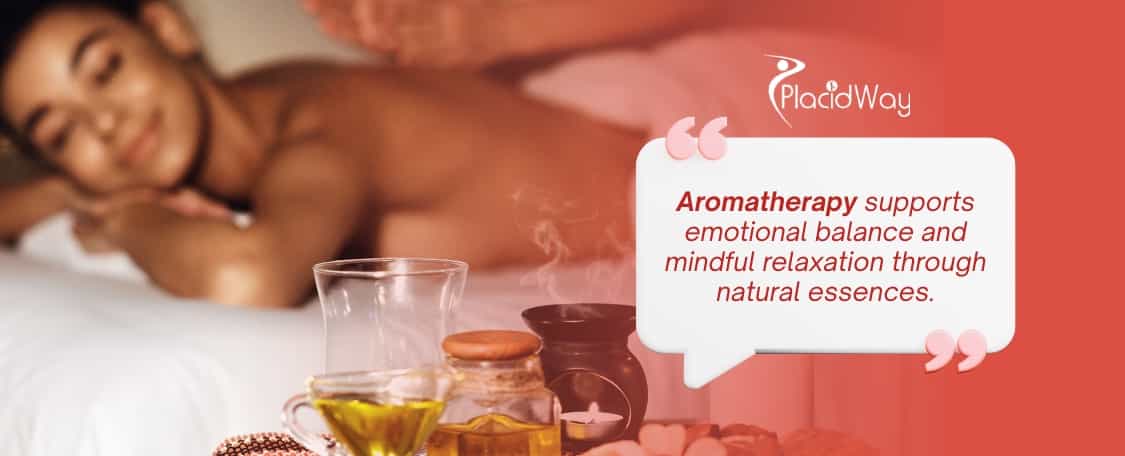
Aromatherapy - Elevating Wellness Tourism Through the Science of Scent
In the rapidly expanding world of global healthcare, the search for non-invasive, holistic treatments has led many international travelers to rediscovery of ancient botanical wisdom. Aromatherapy is often misunderstood as merely a pleasant spa add-on; however, in the context of advanced Wellness Tourism, it is a clinical discipline known as Essential Oil Therapy. It involves the skilled application of potent, aromatic plant extracts to promote health of the body, mind, and spirit.
The primary goal of clinical Aromatherapy is to harmonize physiological and psychological functions. Whether it is alleviating the side effects of chemotherapy, managing chronic pain, or combating antibiotic-resistant infections, essential oils act as pharmacological agents. For the medical tourist, traveling for Aromatherapy means accessing high-potency, indigenous oils and expert practitioners in regions where this botanical science is an integral part of the medical culture, such as France or the Mediterranean.
Did You Know?
The term "Aromatherapy" was coined by French chemist René-Maurice Gattefossé in 1937. The discovery was accidental: after severely burning his hand in a laboratory explosion, he plunged it into the nearest vat of liquid, which happened to be pure lavender oil. The burn healed rapidly with no infection or scarring, sparking the modern scientific study of essential oils.
How Does Aromatherapy Fit Into Holistic Wellness Tourism Frameworks?
Aromatherapy operates on a unique dual-modality philosophy: pharmacological absorption and olfactory stimulation. This makes it a cornerstone of holistic Wellness Tourism, bridging the gap between physical medicine and emotional therapy.
The Biological Mechanism
When patients travel for authentic Aromatherapy, they are engaging with complex biological processes:
- The Limbic Connection: When essential oils are inhaled, scent molecules travel through the olfactory nerves directly to the limbic system—the primitive part of the brain controlling heart rate, blood pressure, memory, and stress levels. This is the only sense that bypasses the conscious brain, allowing for immediate emotional shifts.
- Transdermal Absorption: Essential oils are lipophilic (fat-loving). When applied topically, they easily penetrate the skin and enter the bloodstream. Studies suggest components of oils like Eucalyptus or Rosemary can be detected in the blood within minutes of application.
- Synergy: The philosophy emphasizes "whole plant" medicine. A single essential oil, like Rose or Frankincense, may contain over 200 chemical constituents. These compounds work in synergy to balance the body (homeostasis) rather than targeting a single symptom like a synthetic drug.
Expert Insights
"In high-end medical wellness tourism, the distinction between 'fragrance oils' and 'therapeutic grade essential oils' is critical. Many commercial products use synthetic esters that smell nice but have no medicinal value. Clinical Aromatherapy centers abroad use gas chromatography-mass spectrometry (GC-MS) tested oils to ensure the chemical profile is pure enough to alter physiology safely."
Who Should Consider Aromatherapy in Their Wellness Tourism Itinerary?
Aromatherapy is highly versatile, serving as both a primary therapy for stress-related conditions and a complementary therapy for serious medical issues. It is particularly popular among travelers seeking a "nervous system reset."
Travelers who typically seek out specialized Aromatherapy centers often experience:
- Chronic Stress & Insomnia: Individuals suffering from burnout, adrenal fatigue, or disrupted circadian rhythms benefit from sedative oils like Vetiver, Roman Chamomile, and Sandalwood.
- Musculoskeletal Pain: Patients with arthritis, rheumatism, or sports injuries respond well to anti-inflammatory oils like Helichrysum, Ginger, and Birch.
- Respiratory Issues: Those with chronic bronchitis, sinusitis, or allergies often travel to destinations offering inhalation therapies with Pine, Eucalyptus, and Ravintsara.
- Post-Operative or Chemotherapy Recovery: Aromatherapy is widely used to manage nausea, reduce pain perception, and alleviate the anxiety associated with long-term medical treatments.
- Dermatological Concerns: Conditions like eczema, psoriasis, and acne are treated with antibacterial and skin-regenerating oils like Tea Tree and Lavender.
Critical Contraindications
Despite being natural, essential oils are highly concentrated and potent. Caution is required for:
- Pregnant Women: Certain oils (e.g., Clary Sage, Rosemary, Jasmine) can stimulate uterine contractions and must be avoided, especially in the first trimester.
- Epilepsy & Seizure Disorders: Camphoraceous oils like Rosemary, Sage, and Fennel can trigger seizures in susceptible individuals.
- High Blood Pressure: Stimulating oils like Thyme or Rosemary should be avoided by hypertensive patients.
- Severe Asthma: While some oils help, strong vapors can trigger bronchospasm in sensitive asthmatics.
Fun Fact
The potency of essential oils is staggering. To produce just one pound (0.45 kg) of Melissa (Lemon Balm) essential oil, approximately 3 tons of plant material are required. To make one 15ml bottle of Rose oil, roughly 22 pounds of rose petals are distilled. This concentration explains why professional supervision is vital in medical tourism settings.
What Should You Expect During a Clinical Aromatherapy Session?
Unlike a standard massage where generic oils are used, a clinical Aromatherapy session in a Wellness Tourism destination is a highly personalized medical procedure. It follows a rigorous protocol to ensure the oils match the patient's specific physiological needs.
The session begins with an in-depth consultation.
- History Taking: Reviewing medical conditions, current medications (to avoid interactions), and emotional state.
- Scent Testing: You will be asked to smell various unmarked blotter strips. Your immediate reaction (attraction or repulsion) guides the therapist. A strong attraction often indicates a physiological deficiency the oil can address.
- Custom Blending: The specialist acts as an apothecary, blending 3-5 oils into a carrier oil (like jojoba or almond) at a specific dilution percentage (usually 1-3% for body work, lower for facial application).
Depending on the goal, the application method varies.
- Lymphatic Massage: Gentle, rhythmic strokes pump the lymphatic system, helping to transport the essential oil molecules throughout the body.
- Acupressure: Applying oils to specific meridian points (e.g., wrists, temples, soles of feet) to trigger energy release.
- Inhalation Tent: For respiratory issues, you may be seated with a towel over a steaming bowl of infused water or use a medical-grade nebulizing diffuser.
- Compresses: Hot or cold towels soaked in essential oils applied to areas of organ congestion (like the liver) or injury.
After the active treatment, you will rest for 15-20 minutes.
- Absorption Period: You are advised not to shower for at least 2-4 hours to allow full transdermal absorption of the oils.
- Hydration: Heavy water intake is mandatory to assist the kidneys in processing the metabolized oils.
- Take-Home Prescription: In medical tourism settings, therapists often provide a small vial of your custom blend for self-administration during your travel or return home.
What Are the Benefits of Aromatherapy?
Key Benefits
Anxiety & Depression Relief
Citrus oils (Bergamot, Neroli) and florals (Ylang Ylang) have been clinically shown to reduce cortisol levels and elevate mood by stimulating serotonin production.
Pain Management
The analgesic properties of oils like Wintergreen and Peppermint act similarly to mild local anesthetics, reducing pain signals in nerves.
Enhanced Sleep Quality
Aromatherapy effectively treats insomnia by inducing alpha brain waves, promoting deep, restorative REM sleep without the "hangover" effect of sleeping pills.
Immune System Support
Many essential oils are potent antimicrobials. Regular application can stimulate white blood cell activity, helping the body fight off minor infections and viruses.
Cognitive Function
Stimulating oils like Lemon, Basil, and Rosemary increase beta brain waves, sharpening focus, memory recall, and mental clarity.
Potential Risks & Considerations
Safety Warning: Essential oils can cause adverse reactions if misused. Phototoxicity is a major risk; citrus oils applied to the skin can cause severe burns if exposed to sunlight. Sensitization occurs when the body develops an allergic reaction over time due to undiluted application. Always ensure a qualified therapist performs the dilution.
Where are the Best Wellness Tourism Destinations for Aromatherapy?
Medical tourists travel for Aromatherapy to access indigenous plants at their source. The chemical profile (chemotype) of an oil depends on the soil, altitude, and climate where it was grown. Here are the leading destinations:
How Can You Plan a Safe Aromatherapy Wellness Trip?
Ensuring you receive therapeutic-grade care requires diligence. Follow this checklist to organize your wellness tourism journey.
Pre-Screening for Allergies (2 Months Out)
If you have a history of asthma or skin sensitivities, consult your local doctor. Obtain a list of known allergens to present to the therapist abroad.
Verify Oil Quality Standards (1 Month Out)
Ask the facility about their oil sourcing. Look for terms like "Organic," "Wild-harvested," or "GC-MS Tested." Avoid centers that use "Fragrance Oils" or "Perfume Oils."
Practitioner Credentials (1 Month Out)
Ensure the lead therapist is a certified Clinical Aromatherapist (e.g., IFPA, NAHA, or country-specific equivalent). In France, this might be a medical doctor; in the UK, a certified therapist.
Scent-Free Travel (During Transit)
Avoid wearing perfumes or strong deodorants on the day of your arrival and treatment. Your olfactory system needs to be neutral ("nose palette cleanse") for accurate diagnostics.
Customs Regulations (Return Trip)
If you purchase oils to bring home, check airline regulations regarding liquids and flammable materials. Essential oils are often classified as flammable goods and may have volume restrictions in checked luggage.
Frequently Asked Questions About Wellness Tourism & Aromatherapy
This is the most critical distinction in wellness tourism. Essential oils are natural extracts from plants containing therapeutic chemical compounds. Fragrance oils are synthetic laboratory creations that mimic scents but offer no physiological benefits and can even be toxic or allergenic.
Generally, ingestion is discouraged unless you are under the care of a specially trained clinical aromatherapist or doctor (common in France). Internal mucous membranes are delicate, and improper ingestion can cause burns or liver toxicity. Most wellness treatments focus on inhalation and topical application.
Yes, but with strict modifications. Children require much higher dilution rates (usually 0.5% to 1%) and certain oils (like Eucalyptus or Peppermint) must be avoided in young children due to the risk of slowed respiration. Always consult the pediatric specialist at your destination.
The physiological effects can last from several hours to a few days. Essential oils typically remain in the bloodstream for 4-6 hours before being metabolized, but the impact on the nervous system (stress reduction) can last much longer, especially with repeated treatments.
Absolutely. It is one of the most popular requests in medical tourism. Stimulating oils like Grapefruit or Peppermint can boost morning alertness, while Lavender or Geranium can help reset the body clock for sleep in a new time zone.
Yes. The most common are skin irritation or allergic contact dermatitis. In rare cases, inhaling strong vapors can cause headaches or nausea (detox reaction). It is vital to tell your therapist if you feel dizzy or overwhelmed by a scent.
True therapeutic oils are agricultural products with low yields. For example, Rose, Jasmine, and Sandalwood are incredibly resource-intensive to produce. A treatment using genuine, unadulterated oils reflects the high cost of these raw materials.
Yes, it is often used as supportive care to manage nausea, anxiety, and sleep issues during cancer treatment. However, it must be coordinated with your oncologist, as some oils could theoretically interact with specific chemotherapy drugs or radiation sensitivity.
A carrier oil is a neutral, fatty vegetable oil (like Sweet Almond, Jojoba, or Coconut) used to dilute essential oils before applying them to the skin. This prevents irritation and helps "carry" the volatile essential oils into the skin layers.
Yes, but be careful. Essential oils are volatile and flammable. In carry-on luggage, they must fit the 100ml liquid rule. For checked bags, ensure they are tightly sealed and cushioned, as air pressure changes can cause bottles to leak.
Experience the Essence of Healing - Plan Your Wellness Trip with PlacidWellness
True Aromatherapy is more than a pleasant fragrance; it is a profound interaction between nature and your physiology. Whether you seek the lavender fields of Provence or the aromatic hammams of Morocco, finding a certified, clinical-grade facility is essential for safety and results. PlacidWay is your trusted partner in this journey.
Our Wellness Tourism network offers:
- Global Access: Connections to world-class spas and medical centers specializing in botanical medicine.
- Quality Assurance: We partner with facilities that prioritize organic, therapeutic-grade oils and certified practitioners.
- Tailored Packages: From stress-relief retreats to pain management programs, we match you with the right destination.
Don't just travel transform. Let the power of scent guide your path to better health.
Get Your Free Aromatherapy Retreat Quote






.png)









Share this listing