


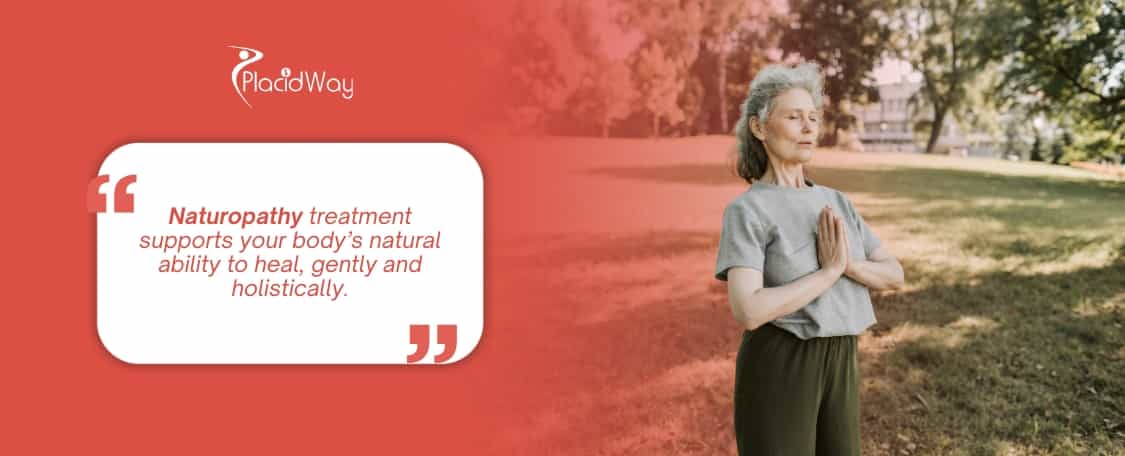
Naturopathy - Awakening the Body's Inner Physician Through Global Medical Tourism
In a modern healthcare landscape often defined by rushed appointments and symptom suppression, a profound shift is occurring. International patients are increasingly seeking medical tourism opportunities not just for surgery, but for systemic restoration. Naturopathy represents the pinnacle of this movement. It is not merely a collection of home remedies; it is a rigorous, distinct system of primary health care that blends centuries-old traditional wisdom with modern scientific understanding.
The primary goal of Naturopathy is to facilitate the body’s inherent ability to heal itself—a principle known as Vis Medicatrix Naturae. For the medical tourist, traveling for Naturopathy offers a unique advantage: the ability to step out of a toxic environment and into a dedicated ecosystem of healing. Whether it is a rigorous clinical center in Germany or a government-accredited Nature Cure hospital in India, these destinations offer the time, expertise, and environment necessary to reverse chronic lifestyle diseases.
Did You Know?
The roots of modern Naturopathy can be traced back to the "Water Cure" movement in 19th-century Europe, but its philosophical lineage goes back to Hippocrates, the Father of Medicine. He famously stated, "Nature cures, not the physician." Today, this ancient wisdom is backed by modern epigenetics, which suggests that our environment and lifestyle can alter the expression of our genes—a core tenet of Naturopathic treatment.
What Core Philosophies Guide Naturopathic Medicine?
To understand why patients travel thousands of miles for Naturopathy, one must appreciate its foundational philosophy. Unlike conventional allopathic medicine, which often focuses on fighting disease, Naturopathy focuses on building health. It views the human body as an intelligent, self-regulating system that, when given the right conditions, will always strive toward balance (homeostasis).
The Six Principles of Healing
Accredited Naturopathic centers worldwide operate on these six guiding principles, which dictate every aspect of the patient experience:
- The Healing Power of Nature (Vis Medicatrix Naturae): The physician's role is to facilitate and augment this process by identifying and removing obstacles to health and recovery.
- Identify and Treat the Cause (Tolle Causam): Illness does not occur without cause. Practitioners seek the underlying root cause—be it physical, mental, emotional, or environmental—rather than merely suppressing symptoms.
- First, Do No Harm (Primum Non Nocere): Utilizing the least invasive, least toxic therapies first. Dietary changes and hydrotherapy are preferred over synthetic drugs or surgery.
- Doctor as Teacher (Docere): A central tenet of medical tourism for Naturopathy is education. The physician empowers the patient to take responsibility for their own health through lifestyle modification.
- Treat the Whole Person: Recognizing that health is a complex interplay of physical, mental, emotional, genetic, environmental, social, and spiritual factors.
- Prevention: Assessing risk factors and hereditary susceptibility to prevent illness before it manifests.
Expert Insights
"The true value of a residential Naturopathic program is the enforcement of the 'Therapeutic Order.' In a home setting, patients often skip straight to supplements or medication because they cannot control their environment. By checking into a facility, patients can finally address the foundation of the pyramid: sleep, diet, and stress. Without fixing the foundation, high-level interventions will always yield temporary results."
Who is the Ideal Candidate for Naturopathic Treatments?
Naturopathy is broad in its application, but it is particularly effective for "diseases of civilization"—chronic, lifestyle-related conditions where conventional medicine may have exhausted its options or where patients wish to avoid long-term pharmaceutical dependency.
The Ideal Patient Profile
Patients who see the most dramatic, sustainable results from Naturopathic medical tourism typically suffer from:
- Metabolic Disorders: Type 2 diabetes, pre-diabetes, obesity, and metabolic syndrome.
- Autoimmune Conditions: Rheumatoid arthritis, Hashimoto’s thyroiditis, and psoriasis (which often respond well to gut-healing protocols).
- Digestive Disorders: Irritable Bowel Syndrome (IBS), Crohn’s disease (in remission), and chronic acid reflux.
- Chronic Pain: Fibromyalgia, lower back pain, and migraines.
- Hormonal Imbalances: PCOS, severe PMS, and menopausal symptoms.
- Burnout & Fatigue: Chronic fatigue syndrome and stress-induced insomnia.
Critical Contraindications
Naturopathy is a powerful system, but it is not a replacement for emergency medicine. It is generally not suitable as a primary treatment for:
- Acute trauma (broken bones, severe wounds).
- Life-threatening emergencies (heart attacks, strokes, appendicitis).
- Advanced stages of cancer (though it is excellent for supportive palliative care and recovery from chemotherapy).
- Active infectious diseases requiring isolation (e.g., Tuberculosis).
Fun Fact
In Naturopathy, feeling worse before feeling better is often celebrated! This phenomenon is known as the "Healing Crisis" or the Herxheimer Reaction. As the body rapidly detoxifies and releases stored metabolites during treatment, temporary flu-like symptoms can occur. This is not a side effect, but a confirmation that the body's elimination pathways are being stimulated and the vital force is active.
What Does a Naturopathic Treatment Program Entail?
A medical tourism trip for Naturopathy is vastly different from a standard hospital visit. It is usually a residential program lasting anywhere from 7 to 21 days. The environment is strictly controlled to ensure rest, proper nutrition, and detachment from daily stressors. Here is a sensory walkthrough of the three distinct phases of treatment.
Upon arrival, the first 24-48 hours are dedicated to understanding your unique constitution. This goes far beyond standard blood tests.
- Constitutional Analysis: Utilizing techniques like Iridology (examining the iris for organ health) or facial diagnosis to identify genetic weaknesses.
- Biographical Timeline: A lengthy interview mapping out your health history from childhood, looking for emotional triggers of physical disease.
- Pulse Diagnosis: Assessing the strength and rhythm of the vital force.
You will likely be placed on an immediate "elimination diet" to reduce inflammation markers before active treatment begins.
This is the core of your stay. Expect a rigorous schedule beginning early in the morning with yoga or Pranayama (breathing exercises).
- Hydrotherapy: The use of water at varying temperatures (hip baths, spinal sprays, steam baths) to stimulate circulation and force blood into internal organs.
- Mud Therapy: Application of mineral-rich earth to the abdomen or eyes to draw out toxins and reduce internal heat.
- Manipulative Therapy: Osteopathic adjustments, lymphatic drainage, or deep tissue massage to align the skeletal structure.
- Diet Therapy: Strictly controlled intake, which may range from raw vegan diets to juice fasting or water fasting, supervised daily by doctors.
- Heliotherapy: Controlled sun exposure to boost Vitamin D and regulate circadian rhythms.
As treatment intensity tapers off, the focus shifts to sustainability.
- Breaking the Fast: A careful, medically monitored transition from liquid/raw diets back to solid whole foods.
- Culinary Education: Practical classes on how to prepare meals that align with your specific constitution.
- Lifestyle Prescription: A written plan for stress management, sleep hygiene, and specific yoga/exercise routines to continue at home.
The ultimate goal is to transform the patient into their own primary care provider, preventing the recurrence of illness.
What Are the Benefits and Risks of Naturopathy?
Cellular Detoxification
Through fasting and hydrotherapy, the body eliminates accumulated metabolic waste, leading to clearer skin, improved kidney function, and enhanced vitality.
Sustainable Weight Management
Naturopathy addresses the metabolic and hormonal root causes of weight gain (like insulin resistance), establishing a new, sustainable body weight set point.
Reduction in Inflammation
Anti-inflammatory diets combined with therapies like acupuncture often result in significantly reduced reliance on painkillers for arthritis and joint issues.
Mental Clarity & Stability
By stabilizing blood sugar and removing stimulants, coupled with meditation, patients often report the lifting of "brain fog" and reduced anxiety.
Gut Microbiome Restoration
Therapies focus heavily on repairing the gut lining and balancing flora, which is essential since 70% of the immune system resides in the gut.
Potential Risks & Considerations
Safety Warning: While non-invasive, Naturopathy is not risk-free. Risks include negative interactions between herbal supplements and prescription medications, electrolyte imbalances during unsupervised fasting, and the potential for severe detoxification symptoms. It is vital to seek treatment only at accredited centers with qualified medical staff.
Why Travel for Naturopathy? Top Global Destinations
Medical tourists choose to travel for Naturopathy to access authentic lineages of care, affordable residential programs, and legislative environments where Naturopaths have a full scope of practice. Here are the leading destinations:
How to Plan Your Naturopathic Journey: A Step-by-Step Checklist
To ensure a safe and effective experience, systematic planning is crucial. Use this checklist to organize your medical trip.
Define Your Health Objectives (3 Months Out)
Be clear about your goals. Are you seeking general wellness, weight loss, or management of a specific pathology? A "Nature Cure" hospital in India is very different from a luxury functional medicine spa in Thailand.
Consultation and Medical Records (2 Months Out)
Speak with your primary care physician about your travel plans. Gather recent blood work, imaging, and a list of current medications. PlacidWay can help transmit these documents to potential clinics for a pre-travel assessment.
Verify Facility Credentials (2 Months Out)
Ensure the facility is accredited by local health authorities (e.g., NABH in India). Check that the lead Naturopaths hold valid degrees (BNYS, ND, or MD with Naturopathic specialization).
Pre-Treatment Diet (2 Weeks Out)
Most centers will ask you to wean off caffeine, alcohol, processed sugar, and tobacco 1-2 weeks before arrival. This reduces the severity of withdrawal headaches once you start the program.
Strategic Packing (1 Week Out)
Pack loose cotton clothing, swimwear for hydrotherapy, walking shoes, and a medical journal. Leave digital devices and valuables at home if possible; the environment is often austere to promote mental detoxification.
Active Education (On Site)
Attend all lectures and cooking demos. The success of Naturopathy depends on what you learn and take home, not just the treatments you receive on-site.
The Re-Entry Protocol (Post-Trip)
Clear your schedule for 2-3 days after returning home. Jumping straight back into a high-stress environment can undo nervous system benefits. Have your Naturopathic diet staples purchased before you leave.
Frequently Asked Questions About Naturopathy Abroad
These terms are often confused but distinct. Homeopathy is a single modality using diluted substances to trigger healing based on "like cures like." Naturopathy is a broad, multi-disciplinary system of primary care. A Naturopath may use homeopathy as one tool, but they also utilize nutrition, herbal medicine, hydrotherapy, physical manipulation, and counseling.
Generally, yes, but only under strict supervision. Certain herbs (like St. John's Wort) or high-dose vitamins can interact with blood thinners, antidepressants, or heart medication. A qualified Naturopathic doctor is trained in pharmacology and drug-herb interactions to safely manage integrative care.
This depends heavily on your provider and country of origin. While some international insurance plans cover "Complementary and Alternative Medicine" (CAM), most standard policies do not cover treatments abroad unless pre-authorized. However, the cost of treatment in countries like India or Mexico is often lower than the copays for similar treatments in the US or UK.
For chronic conditions, a minimum of 21 days is often recommended to allow for detoxification, therapeutic treatment, and cellular repair. However, shorter "detox and reset" programs of 7-10 days are available for general wellness and stress management.
Weight loss is a very common side effect, though rarely the primary goal. By eliminating inflammatory foods, improving digestion, and regulating hormones through stress reduction, patients typically shed excess water weight and fat naturally. The focus is on metabolic health rather than just the number on the scale.
Many modalities used in Naturopathy, such as clinical nutrition, botanical medicine, and physical therapy, have robust evidence bases. Studies have shown Naturopathy effective for cardiovascular risk reduction, chronic back pain, and type 2 diabetes management. However, as a holistic system, it is difficult to study via double-blind trials compared to single-drug interventions.
Reputable Naturopathic centers typically have emergency protocols and relationships with nearby conventional hospitals. In integrated facilities (common in India and Germany), allopathic doctors are often on staff alongside Naturopaths to handle acute situations.
No reputable Naturopath claims to "cure" cancer alone. However, Naturopathic Oncology is a specialized field that supports patients undergoing conventional treatment. It focuses on reducing side effects of chemotherapy/radiation, strengthening the immune system, and improving quality of life.
Not always. While therapeutic fasting is a powerful tool for digestive reset, it is not suitable for everyone (e.g., diabetics, those with eating disorders, or severe weakness). A skilled Naturopath will prescribe a diet appropriate for your vitality levels, which may range from water fasting to nutrient-dense cooked meals.
Costs vary significantly. A comprehensive 14-day program in India can range from $1,000 to $3,000 including accommodation and meals. In Europe or Mexico, similar programs may range from $4,000 to $10,000 depending on the luxury level of the facility and the complexity of treatments.
Reclaim Your Vitality: Begin Your Naturopathic Journey
Choosing to travel for Naturopathy is a decision to prioritize long-term vitality over short-term symptom relief. However, finding the right facility—one that balances authentic traditional wisdom with modern safety standards—can be overwhelming. PlacidWay bridges this gap.
Our medical tourism experts specialize in holistic wellness. We offer:
- Vetted Facilities: Access to accredited Nature Cure hospitals and luxury wellness retreats worldwide.
- Direct Clinic Access: Get transparent quotes and treatment plans directly from the providers.
- Holistic Matching: We help you find a center that aligns with your specific condition, whether it's detox, weight loss, or chronic pain.
- End-to-End Support: From visa guidance to airport transfers, we ensure your journey is stress-free.
Don't wait for your health to improve on its own. Take active steps toward a balanced, vibrant life.
Get Your Free Naturopathy Consultation Quote



.png)










Share this listing