


Can Frequency Restore Health? The Rise of Vibroacoustic Medicine Abroad
In the rapidly evolving landscape of modern healthcare, silence is no longer the only prescription for rest. A profound shift is occurring within Wellness Tourism, where travelers are seeking not just visual beauty, but auditory medicine. Sound Healing, clinically referred to as Vibroacoustic Therapy (VAT) or Sound Bath Therapy, is a therapeutic modality that uses specific frequencies, vibrations, and rhythms to induce a state of deep restorative relaxation and cellular regeneration.
This is not merely a relaxation technique; it is physics applied to biology. The human body is approximately 70% water—an excellent conductor of sound. Sound healing retreats leverage this conductivity to transmit vibrations deep into the tissue, fascia, and skeletal structure, aiming to harmonize the body’s autonomic nervous system. For the discerning medical tourist, these retreats offer a scientifically grounded pathway to alleviate chronic stress, pain, and emotional trauma in environments optimized for acoustic resonance.
Did You Know?
The medical application of sound dates back to ancient Greece. Asclepieions (healing temples) were often designed with specific acoustic architecture to amplify healing chants. Today, modern medicine utilizes similar principles in lithotripsy, a procedure that uses high-intensity sound waves to break up kidney stones without surgery—proving the tangible physical impact of sound frequency.
How Does Sound Influence Biological Systems?
To understand why international patients are incorporating sound therapy into their Wellness Tourism itineraries, one must grasp the physiological mechanisms at play. The practice is grounded in two primary scientific principles: Entrainment and Resonance.
The Science of Entrainment
Entrainment is a law of physics where two oscillating systems eventually fall into synchronization. In a sound healing context, strong, rhythmic vibrations (from gongs, drums, or tuning forks) cause the brainwaves to lock into step with the frequency.
- Beta to Alpha/Theta Shift: Most stressed individuals operate in high-Beta brainwaves (fight or flight). Sound therapy efficiently downshifts the brain into Alpha (relaxed awareness) and Theta (meditative/REM sleep) states.
- Parasympathetic Activation: By slowing the brainwaves, the body is signaled to move out of sympathetic dominance (stress) and into the parasympathetic "rest and digest" mode, where cellular repair occurs.
Sympathetic Resonance
Every organ and bone in the body has a prime resonant frequency. When the body is ill or stressed, these frequencies are believed to be "out of tune." Sound healing practitioners use instruments that project pure, harmonic frequencies to encourage the body's cells to return to their optimal vibrational state. It acts as a bio-feedback loop, reminding the body of its natural equilibrium.
Expert Insights
"In clinical settings, we often see that patients suffering from chronic pain have a nervous system that is 'stuck' in an alarm state. Vibroacoustic therapy acts like a manual reset button. The physical vibration stimulates the mechanoreceptors in the skin and muscles, essentially flooding the sensory pathways with safe, harmonic data, which can override pain signals and allow the muscles to release deep-seated tension."
Is Vibroacoustic Therapy Right for Your Condition?
While sound healing is non-invasive, it is a powerful sensory experience. Understanding the ideal candidate profile helps ensure that your medical trip yields the desired results.
This therapy is increasingly recommended by integrative physicians for:
- High-Stress Executives: Individuals suffering from adrenal burnout and inability to disconnect.
- Chronic Pain Sufferers: Patients with fibromyalgia, arthritis, or post-surgical stiffness where touch massage is too painful.
- PTSD and Trauma Survivors: Sound offers a somatic release mechanism that bypasses cognitive processing (talk therapy), which can sometimes be re-traumatizing.
- Insomnia Patients: Those seeking to retrain their brain to enter deep sleep cycles without medication.
Important Contraindications
Wellness Tourism safety is paramount. You must consult a physician before traveling for sound healing if you have:
- Pacemakers or Implanted Devices: Intense vibrations, particularly from placing bowls on the body, can theoretically interfere with battery-operated medical devices.
- Sound-Induced Epilepsy: Rare, but specific frequencies or rhythmic drumming can trigger seizures in susceptible individuals.
- Severe Mental Health Disorders: Patients with active psychosis or schizophrenia may find the altered state of consciousness disorienting or distressing.
- Metal Implants: While generally safe, some patients report discomfort due to resonance in areas with extensive metal pins or plates.
Fun Fact
Nature has its own sound healers. Domestic cats purr at a frequency between 25 and 140 Hz. Research suggests this frequency range promotes tissue regeneration and increases bone density, leading scientists to believe that cats may purr partly to heal their own bodies—a natural form of vibroacoustic therapy.
What Happens During a Clinical Sound Healing Session?
Unlike a standard musical concert, a therapeutic sound session is a curated medical experience. While protocols vary by destination, a comprehensive treatment abroad typically follows this three-phase trajectory.
Phase I: Calibration and Bio-Assessment
The session begins with a consultation to identify your physical and emotional blockages.
- Somatic Scan: You will lie comfortably on a mat or a specialized "sound bed" (a table with speakers embedded to vibrate the spine).
- Frequency Matching: The practitioner may use weighted tuning forks on specific meridian points to "open" the body's energy pathways.
- Intention Setting: Establishing a mental focal point to guide the nervous system toward relaxation.
This is the active treatment phase, lasting 45 to 90 minutes.
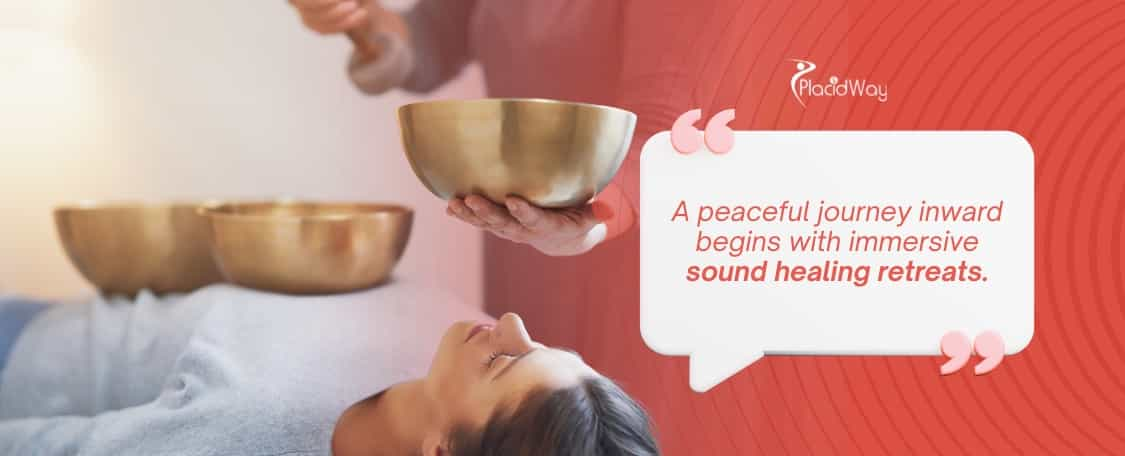
- Instrumentation: A layering of sounds utilizing Planetary Gongs (for deep, crashing waves of sound), Crystal Singing Bowls (for piercing, high-frequency clarity), and Tibetan Metal Bowls (often placed directly on the chest or abdomen).
- Sensory Experience: You will feel the sound as physical pressure waves moving through your skin and organs.
- The Theta State: Most patients lose their sense of time and body positioning, entering a "twilight" state between wakefulness and sleep.
The most critical part of the procedure happens when the sound stops.
- The Void: Practitioners leave a period of profound silence (5-10 minutes) immediately following the sound. This is where the nervous system integrates the shift.
- Grounding: You will be slowly guided back to alertness using gentle chimes or voice.
- Re-hydration: Consumption of electrolytes or herbal tea is mandatory to help flush metabolic waste released from the tissues during vibration.
What Are the Benefits of Sound Healing Retreats?
Deep Nervous System Reset
By forcing a switch from Beta to Theta brainwaves, sound therapy reduces cortisol levels significantly, addressing the root physiological cause of stress-related illness.
Non-Invasive Pain Management
Vibrations stimulate blood flow and oxygenation to muscles and joints, helping to break up fascial knots and reduce inflammation without drugs.
Emotional Release
Sound bypasses the logical brain. Patients often report the surfacing and releasing of suppressed emotions or trauma that they could not access through talk therapy.
Enhanced Sleep Hygiene
Regular sessions train the brain to enter deep sleep states more easily, helping to cure chronic insomnia and improve overall energy levels.
Improved Creativity and Clarity
By quieting the internal chatter, patients frequently experience "Aha!" moments and heightened mental clarity immediately following a retreat.
Potential Risks & Considerations
Safety Warning: Sound healing can be intense. "Over-toning" or excessive exposure to loud gongs can cause temporary tinnitus or headaches. Emotional flooding is also common; patients may feel unexpectedly tearful or exhausted as the body processes the release. Ensure your retreat includes adequate integration time.
Where Should You Travel for Authentic Sound Medicine?
Wellness Tourism enthusiasts travel for sound healing to access authentic lineages, superior acoustic environments, and integrated holistic care that isn't available in local city studios. Here are the premier destinations:
How Do You Plan a Successful Sound Healing Retreat?
To maximize the therapeutic value of your trip, thorough preparation is essential. Follow this step-by-step checklist.
Clarify Your Intent (3 Months Out)
Decide if you need a "Passive" retreat (receiving sound baths for relaxation) or an "Active" retreat (learning to use voice/mantra for empowerment). These are very different experiences.
Verify Practitioner Certification (2 Months Out)
Look for certifications from recognized bodies like the Sound Healing Academy or IASH. Ensure the lead therapist has experience with your specific condition (e.g., trauma-informed care).
Check Acoustic Facilities (2 Months Out)
Ask about the treatment room. Sound healing requires a quiet, acoustically treated space. Avoid retreats located near busy roads or construction, as external noise pollution ruins the entrainment process.
Dietary Preparation (1 Week Out)
Reduce caffeine and heavy meats. A lighter, more alkaline body conducts sound vibration more efficiently than a sluggish, congested system.
Pack for Comfort (Packing Phase)
Bring loose, natural fiber clothing (cotton/linen) without zippers or buttons. You will be lying down for long periods, and comfort is crucial for relaxation. Bring an eye mask.
Hydration Strategy (During Trip)
Vibration accelerates lymphatic drainage. Drink significantly more water than usual to prevent "detox headaches" and fatigue after sessions.
Integration Buffer (Post-Trip)
Do not return to a high-stress office environment immediately. Give yourself 48 hours at home to journal and rest, allowing the neurological shifts to settle.
Frequently Asked Questions About Sound Wellness Procedures
No. Music is structured for entertainment and emotional response. Sound healing uses pure tones, intervals, and dissonance/resolution to specifically affect brainwave states and physiology. It is functional acoustics rather than artistic composition.
They should not. A professional practitioner manages volume levels carefully. While the sound can be loud (especially gongs), it is not sharp or piercing. If you have hyperacusis (sensitivity to sound), inform your therapist, and they can adjust the intensity or provide dampening.
Gongs create a "wall of sound" with complex overtones that can feel overwhelming but deeply clearing—often used for releasing trauma. Singing bowls (crystal or metal) produce singular, sustained notes that are more grounding, balancing, and focused on specific energy centers (chakras).
Caution is advised. During the first trimester, it is generally avoided. In later stages, gongs are usually contraindicated due to their intensity, but gentle crystal bowls or tuning forks (not placed on the body) can be very soothing. Always consult your obstetrician first.
For acute stress, a single session can provide immediate relief. However, for chronic conditions like insomnia or anxiety, a retreat setting with 3-5 sessions over a week is recommended to retrain the nervous system for lasting change.
Generally, no. Most standard insurers view it as an alternative therapy. However, some specialized "Integrative Health" riders or corporate wellness stipends may cover it if prescribed by a doctor for stress management or pain.
This is a very common reaction known as "emotional release." The vibrations help bypass the brain's defense mechanisms, allowing stored tension or grief to surface. It is considered a positive sign of healing and integration.
While it has roots in Hinduism (Nada Yoga) and Buddhism, modern Vibroacoustic Therapy is secular and scientific. It focuses on physics and physiology, not dogma. You do not need to subscribe to any belief system to benefit from it.
A sound bed is a specialized massage table equipped with transducers (speakers) underneath. It delivers low-frequency vibrations directly into the body while you listen to music through headphones, creating a full-body immersive experience often used for pain relief.
Costs are variable. A drop-in group session in Bali might cost $20-$50. However, a comprehensive 7-day residential retreat including accommodation, meals, and private therapy in Costa Rica or Europe typically ranges from $1,500 to $4,000.
Tune Into Your Best Health with PlacidWellness
In a noisy world, finding the right frequency for healing is a journey worth taking. Whether you seek the ancient resonance of Himalayan bowls or the clinical precision of modern Vibroacoustic Therapy, your path to restoration starts here.
PlacidWellness connects you with the world's most reputable wellness destinations. We offer:
- Curated Connections: Access to certified sound therapists and accredited wellness centers globally.
- Safety First: We prioritize facilities that adhere to international hygiene and professional standards.
- Tailored Experiences: Find the perfect retreat that matches your specific health goals and budget.
Don't just travel—transform. Let the power of sound restore your balance.
Get Your Free Quote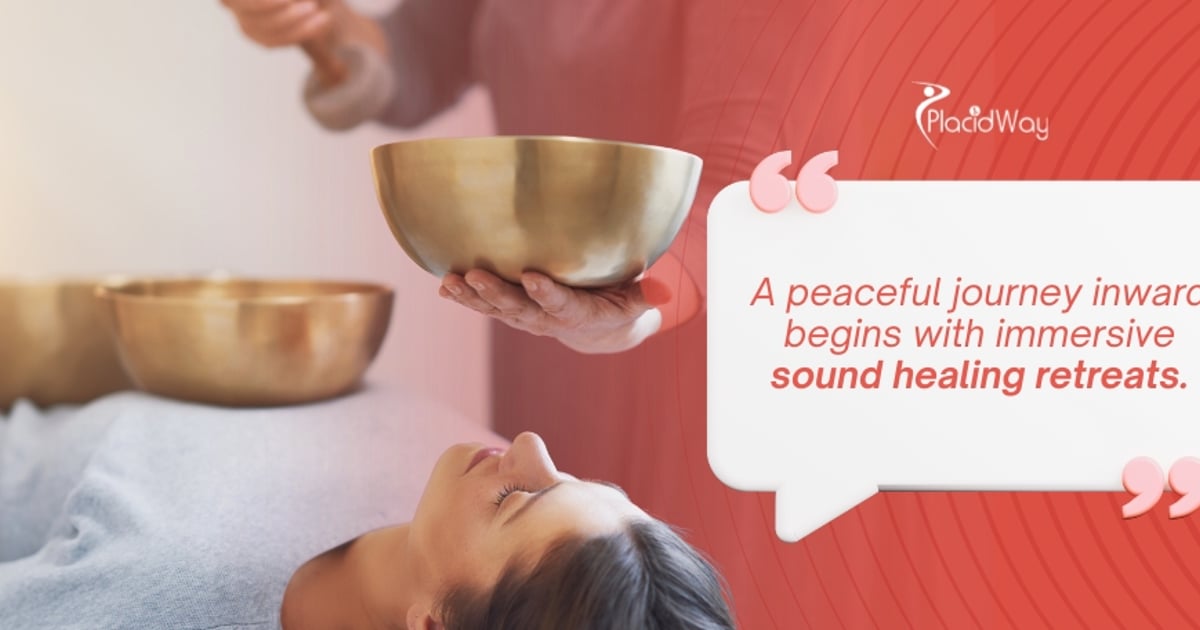





.png)









Share this listing