


Millions of adults suffer from debilitating dental anxiety, often stemming from childhood experiences that establish a lifelong cycle of avoidance and fear. This paralyzing hesitation frequently leads to neglected oral health, eventually requiring extensive, complex, and highly expensive restorative treatments. For many patients, the prospect of facing the dentist chair is overshadowed only by the astronomical financial burden of domestic dental care. However, modern dentistry has evolved remarkably, offering compassionate, highly efficient solutions that cater specifically to nervous patients requiring comprehensive full mouth restorations.
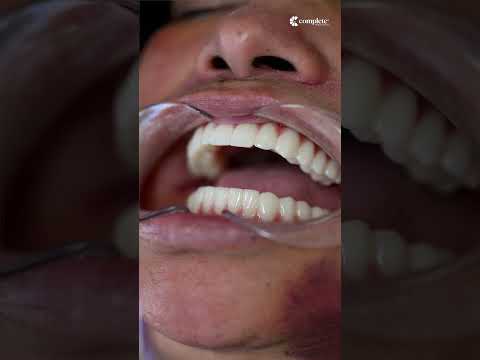
Today, affordable full mouth dental restoration is entirely accessible through specialized cross-border dental tourism, where world-class specialists utilize advanced techniques to rebuild smiles in a fraction of the time. By seeking high-quality dental care outside the United States, patients can access premium treatments—ranging from atraumatic extractions and complex root canal therapy to bilateral sinus lifts and precision-milled dental crowns—without the agonizing delays dictated by traditional dental insurance maximums. Watch to discover how comprehensive, gentle dentistry can permanently cure dental phobia while delivering life-changing health benefits, including unexpected relief from chronic allergies.
Video Chapters & Quick Navigation
The Paralyzing Reality of Dental Anxiety and Odontophobia
For a significant portion of the adult population, the simple thought of scheduling a dental appointment triggers a profound, physiological stress response. Odontophobia, or the severe fear of receiving dental care, is a recognized psychological barrier that prevents millions from maintaining essential oral health. This anxiety does not develop in a vacuum; it is overwhelmingly rooted in negative, often painful experiences encountered during childhood. When early encounters with dentistry lack compassion, proper pain management, and clear communication, the developing brain links the clinical environment directly to trauma.
This deep-seated fear initiates a devastating cycle of avoidance. Patients will actively ignore minor issues like small cavities or mild gingivitis until these completely preventable problems escalate into catastrophic dental emergencies. As the patient explains at [00:09], she carried a debilitating fear of the dentist since she was a child, leading to immense trouble even walking through the doors of a clinic. The tragic irony of dental avoidance is that the longer a patient delays treatment due to fear, the more invasive, time-consuming, and expensive the eventual required interventions will inevitably become.
Fortunately, the landscape of modern restorative dentistry has aggressively pivoted toward prioritizing the patient's psychological comfort alongside their clinical outcomes. Top-tier clinics now employ a specialized approach known as gentle dentistry. This methodology encompasses everything from the soothing ambiance of the waiting room to advanced, needle-free local anesthesia delivery systems and varying levels of conscious sedation. By validating the patient's fears rather than dismissing them, highly trained clinical teams can meticulously dismantle decades of built-up anxiety. When a patient realizes that modern procedures can genuinely be performed with zero discomfort, the psychological barrier shatters, paving the way for life-altering restorative work.
The Rise of Specialized Dental Tourism for Complex Cases
When faced with the need for extensive restorative work, patients in regions like Glendale, Arizona, are increasingly looking beyond their local borders. The concept of cross-border dental tourism has evolved from a niche alternative into a mainstream, highly strategic healthcare decision for savvy consumers. The primary driving force behind this mass exodus of dental patients is the notoriously prohibitive cost of domestic healthcare within the United States and Canada. Complex treatment plans involving multiple implants, bone grafting, and full mouth restorations can easily exceed the cost of a luxury vehicle, forcing many to simply live with pain and missing teeth.
However, accessing high-quality dental care outside the United States does not require compromising on safety, technology, or materials. In fact, many premier international dental centers are specifically designed to cater to international patients, outfitting their facilities with state-of-the-art diagnostic equipment that often surpasses the standard found in average domestic clinics. At [00:23], the patient notes that a trusted friend successfully convinced her to travel "down here" for treatment, highlighting the powerful role of word-of-mouth testimonials in validating the safety and efficacy of cross-border care.
These international clinical hubs are frequently staffed by bilingual specialists who have completed rigorous post-graduate fellowships in Europe or the United States. They utilize the exact same globally recognized, FDA-approved bio-materials, titanium implants, and premium ceramics as their American counterparts. The dramatic reduction in cost is not a reflection of lower quality, but rather the result of favorable exchange rates, lower administrative overhead, and mitigated malpractice insurance premiums. This economic reality allows patients to access elite, multidisciplinary dental teams capable of completely rehabilitating their oral health for a fraction of the domestic price tag.
Navigating a Full Mouth Restoration Journey
A full mouth restoration is an intricate, highly customized process that involves rebuilding and simultaneously restoring all of the teeth in both the upper and lower jaws. Unlike a simple filling or a routine cleaning, a full mouth rehabilitation requires a masterfully coordinated approach, often drawing upon the expertise of multiple dental specialists, including prosthodontists, periodontists, endodontists, and oral surgeons. The foundational step of this transformative journey is the comprehensive diagnostic phase, which relies heavily on advanced three-dimensional imaging.
Utilizing Cone Beam Computed Tomography (CBCT), the clinical team captures highly detailed, 3D renderings of the patient's entire maxillofacial structure. This allows the surgeons to evaluate bone density, pinpoint the exact location of critical nerves, and meticulously plan the trajectory of any required dental implants. As highlighted at [00:31], the patient was initially nervous when presented with the extensive list of necessary procedures. However, a transparent, visually supported treatment plan empowers the patient. By clearly seeing the biological reality of their oral health on a screen, the mystery is removed, allowing logical understanding to replace irrational fear.
The beauty of a meticulously planned full mouth restoration is the harmony it brings to the oral cavity. The team is not just fixing isolated issues; they are fundamentally re-engineering the patient's bite (occlusion), ensuring that the restored teeth distribute chewing forces evenly. This prevents premature wear on the new restorations and alleviates chronic issues such as Temporomandibular Joint (TMJ) disorders. The ultimate goal is to seamlessly marry flawless aesthetic appeal with robust, lifelong biometric functionality.
Demystifying Dental Extractions and Root Canals
When repairing decades of neglect, the dental team must first address the foundational health of the remaining dentition. This frequently involves executing a combination of tooth-saving endodontic therapies and necessary strategic extractions. Mentioned explicitly at [00:41], the patient underwent several extractions and root canals as part of her comprehensive phased treatment plan. Modern extractions are vastly different from the aggressive procedures of the past. Today, oral surgeons utilize atraumatic extraction techniques, relying on specialized instruments to gently sever the periodontal ligaments.
Atraumatic extractions are absolutely vital when the long-term plan involves placing dental implants. By carefully preserving the surrounding alveolar bone during the removal of the decayed tooth, the surgeon ensures there is a robust, healthy foundation available to anchor the future titanium post. Simultaneously, whenever a tooth can be biologically salvaged, root canal therapy (endodontics) is the preferred course of action. Despite its historically negative reputation, a modern root canal is a highly refined, essentially painless procedure designed to immediately eliminate severe toothaches caused by deep inner-tooth infection.
During a root canal, the endodontist carefully accesses the inner pulp chamber, meticulously clearing away the necrotic, infected nerve tissue. The hollowed canals are then thoroughly sanitized with antimicrobial solutions and hermetically sealed with a biocompatible rubber compound called gutta-percha. By removing the source of the infection while leaving the external root structure intact within the jawbone, the patient retains their natural proprioception—the sensory feedback that tells the brain how hard to bite. Preserving natural teeth wherever clinically viable remains the ultimate gold standard of elite restorative dentistry.
The Science of Sinus Lifts: From Dental Preparation to Unexpected Allergy Relief
One of the most complex, yet routinely performed procedures in advanced implantology is the maxillary sinus lift. When a patient loses teeth in the upper premolar or molar areas, the jawbone naturally begins to resorb, or shrink, due to a lack of stimulation from chewing. Because the maxillary sinuses sit directly above this region, the floor of the sinus cavity drops as the bone melts away. If a surgeon attempts to place a dental implant into this diminished bone, the titanium screw will protrude straight into the sinus cavity, leading to instant failure and severe infection.
To safely accommodate the implants, a surgeon performs a bilateral sinus lift, as referenced by the patient at [00:45]. During this sophisticated bone grafting procedure, the surgeon gently elevates the delicate Schneiderian membrane that lines the sinus cavity and packs a specialized bone graft matrix into the newly created space beneath it. Over the course of several months, the patient's body integrates this graft, transforming it into solid, dense, living bone capable of permanently supporting posterior dental implants.
Fascinatingly, this oral surgery often yields profound, seemingly unrelated secondary health benefits. At [01:07], the patient excitedly reveals that her chronic allergies have vastly improved since undergoing her bilateral sinus lifts. This is a documented, though often unadvertised, anatomical phenomenon. By physically lifting the sinus floor and removing chronically inflamed tissue near the tooth roots, the procedure can inadvertently improve the anatomical drainage pathways of the maxillary sinuses. When the sinuses drain more efficiently, stagnant mucus cannot accumulate, drastically reducing the severity of seasonal allergies and lowering the frequency of chronic sinus infections.
Restoring Function and Aesthetics with Premium Dental Crowns
Following foundational treatments like root canals and bone grafting, the final phase of a restorative journey involves rebuilding the visible portions of the teeth. Mentioned at [00:47], securing high-quality dental crowns is essential for finalizing both the aesthetic beauty and the biomechanical strength of the patient's bite. A tooth that has undergone a root canal is inherently brittle and prone to catastrophic fracturing if left unprotected. A custom-fabricated dental crown acts as a protective helmet, completely encasing the underlying tooth structure and distributing chewing forces evenly.
Modern dental tourism clinics heavily invest in on-site, state-of-the-art CAD/CAM (Computer-Aided Design and Computer-Aided Manufacturing) milling laboratories. Instead of taking messy, uncomfortable physical impressions, the dentist utilizes a highly precise intraoral wand to capture a 3D digital topographical map of the prepared tooth. This digital blueprint is then sent directly to an in-house milling machine, which carves the new crown from a solid block of ultra-durable monolithic zirconia or highly translucent E.max lithium disilicate.
The use of these advanced bio-ceramics ensures that the new restorations are entirely indistinguishable from natural teeth. Zirconia, in particular, offers unparalleled tensile strength, making it the ideal material for posterior molars that endure immense crushing forces. Furthermore, because these premium materials are entirely metal-free, patients never have to worry about unsightly dark lines appearing at the gum margin over time, guaranteeing a flawlessly radiant smile that lasts for decades.
Time and Cost Efficiency: The Failure of Traditional Dental Insurance
One of the most profound advantages of seeking comprehensive care abroad is the drastically condensed treatment timeline. As the patient astutely points out at [00:54], her entire, highly complex full mouth restoration was successfully completed in just about five months. She acutely recognizes that attempting to have this exact same volume of work performed back home in the United States would have agonizingly dragged on for multiple years. This immense disparity in speed is directly tied to the fundamental, structural flaws of the American dental insurance system.
Most traditional dental insurance policies in the US impose a strict, hard-capped annual maximum, typically hovering between $1,000 and $2,000. For a patient requiring extractions, bilateral sinus lifts, root canals, and multiple crowns, this annual allowance would be entirely exhausted within the first thirty minutes of their first surgical appointment. Because the out-of-pocket costs are so overwhelmingly severe, local dentists are forced to implement "phased treatment plans." This means they perform only one or two procedures a year, strictly to maximize the patient's renewed annual insurance benefits.
This forced delay is not just incredibly frustrating; it is actively detrimental to the patient's clinical outcome. While waiting a full calendar year to afford the next necessary crown, the patient's jawbone continues to deteriorate, remaining teeth shift out of alignment, and temporary fillings routinely fail. By traveling to a specialized international clinic, the out-of-pocket costs are low enough that patients can afford to have the entire, comprehensive treatment plan executed back-to-back, exactly as the biology dictates it should be done, ensuring optimal healing and immediate restoration of quality of life.
| Treatment Factor | Traditional US Domestic Care | Cross-Border Dental Tourism |
|---|---|---|
| Treatment Timeline | Often dragged over 3 to 5 years to manipulate annual insurance maximums. | Consolidated and completed in 4 to 6 months based strictly on biological healing times. |
| Out-of-Pocket Expense | Astronomical. A full mouth restoration can easily exceed $50,000 to $80,000. | Highly affordable. Patients typically save between 50% to 70% overall. |
| Insurance Limitations | Strictly dictates and limits the pace of medically necessary care. | Irrelevant. Low direct costs allow patients to bypass insurance bureaucracy entirely. |
Experiencing Compassionate and Gentle Dentistry: Choosing the Right Clinical Team
Ultimately, the technological advancements and incredible cost savings of dental tourism mean very little if the patient does not feel completely safe, respected, and cared for. For individuals who have spent a lifetime terrified of the dentist's chair, the human element of the clinical experience is the single most critical factor in their restorative journey. As joyfully expressed at [00:48], finding a specialized team led by doctors who prioritize empathy—such as Dr. Kiabbett and clinic manager Jammiileth—completely changes the paradigm of oral healthcare.
A truly exceptional dental team recognizes that treating the patient's anxiety is just as important as treating their periodontal disease. By offering transparent communication, unhurried consultations, and profoundly gentle surgical techniques, these dedicated professionals empower their patients to permanently conquer their deep-seated fears. For the first time in their lives, patients realize that achieving a healthy, fully functional, and beautiful smile does not have to be an agonizing ordeal.
The journey from harboring a paralyzing fear of the dentist to proudly showcasing a fully restored, pain-free smile is one of the most liberating medical transformations a person can undergo. Through the strategic, highly specialized avenues of modern dental tourism, unparalleled clinical excellence is now accessible, affordable, and incredibly compassionate. No one should be forced to endure chronic dental pain, compromised chewing ability, or the hidden toll of severe dental anxiety simply because domestic healthcare pricing has become unmanageable.
Ready to Conquer Your Dental Fear and Reclaim Your Smile?
Stop letting dental anxiety and exorbitant domestic prices control your health. PlacidWay Medical Tourism connects you directly with the world’s most elite, compassionate, and affordable dental clinics. Allow our dedicated experts to coordinate your seamless, stress-free full mouth restoration journey today.
GET YOUR FREE, NO-OBLIGATION QUOTE







.png)

.png)
.png)



.jpg)
.png)
.png)








Share this listing