


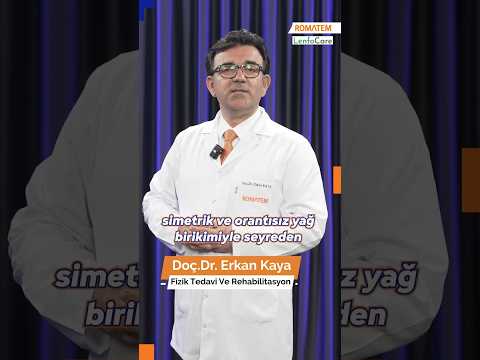
Finding an accurate diagnosis and an effective [00:00] lipedema treatment in Turkey has become a priority for countless women suffering from unexplained, painful fat accumulation. Lipedema is a chronic, progressive connective tissue disorder that primarily affects women, causing a disproportionate and symmetrical buildup of diseased adipose tissue. This condition is frequently misdiagnosed as standard obesity, leaving patients frustrated and without proper medical guidance.
Unlike regular weight gain, the fat cells associated with this condition are highly resistant to traditional diet and exercise routines. Patients require specialized, multidisciplinary approaches involving anti-inflammatory protocols, manual therapies, and sometimes surgical interventions to manage their symptoms effectively. Understanding the underlying mechanisms of this connective tissue disease is the first crucial step toward finding lasting relief and improving overall quality of life.
Video Chapters
- Understanding What is Lipedema: Causes and Risk Factors
- Lipedema vs Lymphedema: Key Differences in Symptoms
- Recognizing the Early Signs and Symptoms of Lipedema
- How to Diagnose Lipedema Accurately: Imaging Exams
- Effective Non-Surgical Lipedema Treatment Options
- The Role of Anti-Inflammatory Diet in Managing Symptoms
- Advanced Lipedema Pain Management Strategies
- Surgical Interventions and Adipose Tissue Removal
Understanding What is Lipedema: Causes and Risk Factors for Women
Lipedema is fundamentally classified as a chronic, progressive connective tissue disease that almost exclusively impacts the female population. As highlighted in clinical discussions, the condition presents as a symmetrical, disproportionate accumulation of fat underneath the skin, predominantly localizing in the legs, hips, and occasionally the upper arms. This structural abnormality within the adipose tissue causes significant distress, as the affected areas grow disproportionately larger compared to the patient's upper torso.
The exact origins of this connective tissue disorder remain a subject of extensive medical research, though clear patterns have emerged regarding its triggers. A strong genetic predisposition is highly evident, meaning women with a family history of disproportionate leg swelling are at a significantly elevated risk of developing the condition themselves. Inherited genetic markers appear to dictate how certain fat cells respond to hormonal signaling throughout a woman's life.
Beyond genetics, [00:38] hormonal fluctuations play a massive role in the onset and exacerbation of the disease. Medical experts note that symptoms frequently trigger or worsen during periods of major hormonal shifts, specifically puberty, pregnancy, and the onset of menopause. During these critical windows, changes in estrogen and progesterone levels seem to stimulate the abnormal proliferation and enlargement of these specialized, diseased fat cells.
Lipedema vs Lymphedema: Key Differences in Symptoms and Progression
One of the most common diagnostic hurdles in vascular and lymphatic medicine is differentiating between lipedema and lymphedema. [00:15] While both conditions manifest as noticeable swelling in the limbs, the underlying physiological causes are entirely distinct. In lymphedema, the core issue lies within the lymphatic system's inability to properly circulate and drain lymph fluid, leading to a buildup of protein-rich fluid in the tissue spaces.
Conversely, the primary pathology in lipedema does not originate from fluid retention, but rather from the abnormal behavior of the fat cells themselves. In this condition, the adipose cells undergo both hyperplasia (an increase in the actual number of fat cells) and hypertrophy (an increase in the physical size of individual cells). This results in a dense, fibrotic accumulation of fat that feels distinctly different from the fluid-filled swelling of lymphatic disorders.
To clarify these critical distinctions for accurate medical assessment, healthcare providers rely on a specific set of contrasting clinical features. Understanding these differences is vital for implementing the correct therapeutic approach, as treatments designed for fluid reduction will not eliminate fibrotic fat cells.
| Feature | Lipedema | Lymphedema |
|---|---|---|
| Primary Cause | Abnormal fat cell proliferation | Impaired lymphatic fluid circulation |
| Symmetry | Always bilateral (both legs/arms) | Usually unilateral (one limb affected) |
| Foot/Hand Involvement | Feet and hands are generally spared | Feet and hands are heavily swollen |
| Pain Profile | Highly painful and sensitive to touch | Generally heavy feeling, but not acutely painful |
Recognizing the Early Signs and Symptoms of Lipedema in Legs
Identifying the clinical markers early is essential for preventing the rapid progression of this connective tissue disease. Patients universally present with a highly [00:50] disproportionate body shape, characterized by a slender upper body contrasting sharply with significantly enlarged lower extremities. This stark visual disparity is often the first indicator that the patient is dealing with a specific fat disorder rather than generalized obesity.
A hallmark sign of the disease is the strict symmetry of the fat accumulation. The abnormal tissue distributes evenly across both legs simultaneously, creating a heavy, column-like appearance in the lower body. Furthermore, this fat deposition has a very specific anatomical boundary; [01:45] the swelling abruptly halts at the ankles, leaving the feet entirely unaffected and creating a distinct "cuff" or "bracelet" effect above the foot.
Key Clinical Indicators to Monitor
Beyond the visual asymmetry, the physical texture and sensation of the affected tissues provide vital diagnostic clues. The diseased fat possesses unique characteristics that severely impact the patient's daily comfort and mobility.
- Extreme Tissue Sensitivity: The affected areas are abnormally painful when subjected to even mild pressure, making routine tasks like petting a dog or wearing tight clothing excruciating.
- Easy Bruising (Hematomas): Due to the fragility of capillaries embedded within the fibrotic fat, patients experience frequent and severe bruising from minimal trauma or light bumps.
- Nodular Texture: As the disease progresses, the fat loses its smooth texture, developing palpable nodules underneath the skin that feel akin to grains of rice or frozen peas.
How to Diagnose Lipedema Accurately: Imaging and Clinical Exams
Securing an accurate diagnosis remains one of the most significant challenges, as many general practitioners lack specialized training in adipose tissue disorders. The cornerstone of diagnosis heavily relies on a comprehensive clinical and physical examination conducted by a specialist. The physician will meticulously assess the symmetry of the swelling, the presence of the ankle cuff, and the patient's pain response to tissue palpation.
While physical symptoms are primary, advanced imaging technologies are increasingly utilized to confirm the diagnosis and rule out concurrent vascular issues. [02:01] Diagnostic tools such as High-Resolution Ultrasound and Magnetic Resonance Imaging (MRI) provide detailed cross-sectional views of the subcutaneous tissue. These scans can clearly reveal the thickened, nodular fat layers and help differentiate them from simple fluid retention or standard adipose tissue.
Furthermore, functional lymphatic imaging plays a crucial role in differential diagnosis. A lymphoscintigraphy may be ordered specifically to evaluate the operational status of the lymphatic system. While this test is primarily designed to diagnose lymphedema, a normal result in a patient with severe leg swelling strongly points toward a lipedema diagnosis.
Effective Non-Surgical Lipedema Treatment Options and Therapies
Approaching the management of this condition requires a firm understanding that it is distinct from standard obesity and demands specialized, conservative care. [02:11] The foundational principle of treatment is recognizing that typical caloric restriction will not resolve the fibrotic fat deposits. Instead, patients must engage in a comprehensive, multidisciplinary treatment plan that requires substantial dedication, daily effort, and immense patience from both the patient and the care team.
For patients in the progressing stages of the disease, targeted physical therapies are heavily prescribed to manage symptoms and maintain mobility. [03:18] Manual Lymphatic Drainage (MLD), a specialized massage technique, is utilized to stimulate sluggish lymphatic pathways and reduce associated inflammatory fluid buildup. This is strictly paired with the daily use of custom-fitted, flat-knit compression garments, which apply graduated pressure to prevent further tissue expansion and support venous return.
Modern clinical practices also integrate advanced technological therapies to break down fibrotic tissue. Extracorporeal Shock Wave Therapy (ESWT) has emerged as an effective modality, utilizing acoustic waves to stimulate tissue repair, improve microcirculation, and soften hardened fat nodules. Combined with aquatic therapy and specialized decongestive exercises, these non-surgical protocols form the vital first line of defense against disease progression.
The Role of Anti-Inflammatory Diet in Managing Lipedema Symptoms
Nutrition plays an absolutely critical role in the systemic management of adipose tissue disorders, specifically concerning the control of systemic inflammation. [02:26] Medical professionals hypothesize that the initial triggering and subsequent worsening of the disease may be heavily linked to bacterial toxins originating in the gastrointestinal tract. When gut health is compromised, these toxins can permeate the digestive lining and enter the circulatory system, inciting a widespread inflammatory response that aggregates in the diseased fat cells.
To combat this physiological cascade, patients are strongly advised to adopt strict, targeted anti-inflammatory dietary protocols. These specialized diets focus on eliminating highly processed foods, refined sugars, and inflammatory carbohydrates that fuel cellular swelling. By stabilizing insulin levels and reducing metabolic stress, patients can often halt the rapid proliferation of new fat nodules and significantly decrease their daily pain levels.
Therapeutic nutrition plans often emphasize nutrient-dense, whole foods rich in antioxidants and healthy omega-3 fatty acids. Many specialists recommend variations of the Mediterranean diet, low-carb protocols, or the specialized RAD (Rare Adipose Disorder) diet to support gut barrier integrity. Preventing the migration of gut toxins into the bloodstream is paramount for long-term symptom management and protecting the lymphatic vessels from inflammatory damage.
Advanced Lipedema Pain Management Strategies and Psychological Support
Beyond the purely physical alterations to body shape, the profound daily pain experienced by patients is often the most debilitating aspect of the disease. [03:30] The deep, aching hypersensitivity in the affected tissues severely restricts normal daily activities, mobility, and overall quality of life. This constant discomfort stems from the pressure exerted by the enlarging fat cells on surrounding microscopic nerves and delicate lymphatic capillaries.
Standard over-the-counter analgesics are frequently insufficient for managing this complex pain profile. Physicians must often employ targeted strategies specifically aimed at mitigating neuropathic (nerve-related) pain. This can involve specialized medications designed to calm hyperactive nerve endings within the fibrotic tissue, alongside consistent application of medical-grade compression to minimize mechanical stress on the limbs.
Furthermore, the psychological toll of chronic pain, combined with the cosmetic anxiety of a disproportionate physique, necessitates comprehensive mental health support. The frustration of prior misdiagnoses and the ongoing struggle with mobility require cognitive behavioral strategies to help patients cope. A truly holistic treatment plan addresses both the severe physical hyperalgesia and the emotional resilience required to manage a chronic, visible illness.
Surgical Interventions and Adipose Tissue Removal as a Last Resort
When conservative therapies, dietary changes, and aggressive compression protocols fail to halt the disease's progression or alleviate severe pain, surgical intervention becomes a necessary consideration. [03:47] The surgical removal of the diseased fat tissue through highly specialized liposuction techniques is generally viewed as a final, definitive step in the treatment pathway. This is not a cosmetic procedure, but rather a functional, medically necessary surgery to restore mobility and prevent secondary lymphatic failure.
It is vital to understand that standard cosmetic liposuction is strictly contraindicated, as it can severely damage the already fragile lymphatic network in the limbs. Instead, specialized surgeons utilize advanced methods such as Water-Assisted Liposuction (WAL) or Tumescent Local Anesthesia (TLA) liposuction. These gentle, tissue-sparing techniques are specifically designed to flush out the fibrotic fat cells while preserving the critical lymphatic vessels and connective tissue matrix.
For the most severe, advanced cases where massive, overhanging folds of fibrotic tissue (lipomas) have developed, direct surgical excision may be required alongside liposuction. Post-operative care is exceptionally rigorous, requiring immediate and continuous use of compression garments to ensure proper tissue healing and prevent the accumulation of fluid in the newly created spaces. While surgery offers profound relief, it is a complex journey requiring expert surgical precision.
Ready to Explore Advanced Treatment Options?
Don't let undiagnosed pain and swelling dictate your life. Connect with specialized medical professionals in Turkey for an accurate diagnosis and a customized, comprehensive treatment plan tailored to your specific needs.
Get Free QuoteView Full Video Transcript (Turkish)
[00:00] Lipödem ço?unlukla kad?nlarda görülen, genellikle bacaklar ve kalçalarda, bazen kollarda deri alt?nda simetrik ve orant?s?z ya? birikimiyle seyreden kronik, ilerleyici bir ba? dokusu hastal???d?r.
[00:13] Bacaklarda ve kollarda görülen di?er bir ?i?lik nedeni olan lenfödemden farkl? olarak cilt dokusunda biriken ya? hücreleridir.
[00:20] Lenfödemde sorun lenf s?v?s?n?n dola??m?d?r. Yani lenfödemde cilt dokusunda lenf s?v?s? birikimi görülür.
[00:27] Lipödemde ise sorun ya? hücreleridir. Ya? hücrelerinin hem say?s? hem de boyutlar?nda art?? vard?r. Bu nedenle cilt dokusunda anormal bir ya? hücresi birikimi söz konusudur.
[00:38] Lipödem olu?umunda genetik yatk?nl???n yan?nda hormonal de?i?ikliklerin de etkisi söz konusudur.
[00:43] Kad?nlarda, hormonal dalgalanmalar, hamilelik ve menopoz dönemleri lipödem belirtilerini tetikleyebilir.
[00:50] Lipödemli hastalarda orant?s?z bir ya? birikimi söz konusudur. Yani üst beden inceyken alt beden belirgin olarak kal?nd?r.
[01:00] Ya?lanma her iki bacakta birden, yani simetrik olarak görülür.
[01:05] Ya?lanma ayak bile?inden ileriye gitmez. Ayaklar genellikle etkilenmemi?tir.
[01:10] Ya? dokusu dokunmaya kar?? a??r? hassas ve a?r?l?d?r.
[01:15] Ayr?ca hafif çarpmalarda bile hastalar?n ciltlerinde kolay morarmalar görülür.
[01:21] Her ne kadar ay?r?c? tan? Lenfosintigrafi ile yap?lsa da lipödem tan?s? koymaya fizik muayenenin yan?nda MR ve ultrason görüntüleri yard?mc? olur.
[01:31] Lipödem tedavisinde ak?lda bulundurulmas? gereken ilk ?ey lipödemin obezite veya lenfödemden farkl? bir hastal?k oldu?unun bilinmesidir.
[01:39] Lipödem tedavisi daha fazla emek ve daha fazla multidisipliner çal??ma ve daha fazla sab?r gerektirir.
[01:46] Tedavide; lipödemin ba?lamas?n? tetikledi?i dü?ünülen bakteri kökenli toksinlerin sindirim sisteminden dola??m sistemine geçi?ini engelleyen anti-inflamatuar diyetler önemli rol oynar.
[01:58] Bunun yan?nda lipödem geli?mi? hastalarda manuel lenf drenaj, kompresyon çoraplar?, ESWT, çe?itli özel egzersizler oldukça etkili tedavi seçenekleridir.
[02:10] Kozmetik kayg?lar?n yan?nda lipödemli hastalar?n günlük ya?am aktivitelerini etkileyen di?er bir konu da hastalar?n çekmi? olduklar? a?r?lard?r.
[02:20] Çe?itli a?r? kesicilerin yan?nda nöropatik a?r?ya yönelik stratejiler de hastalar?n a?r?s?n? hafifletebilir.
[02:27] Liposuction ve ya? dokular?n?n cerrahi olarak ç?kar?lmas? zor olgularda denenebilecek son basamak tedavilerdendir.








.jpg)









Share this listing