


Navigating the complexities of fertility treatments requires extensive research, emotional resilience, and access to world-class medical care. Thousands of prospective parents travel abroad each year to undergo the IVF procedure in Cyprus, drawn by exceptional success rates and advanced clinical technologies. This comprehensive guide breaks down every critical phase of the journey, mirroring the incredible visual documentation of a real twin pregnancy success story.
From the initial positive pregnancy test to the awe-inspiring moments in the delivery room, understanding the step-by-step IVF process explained by medical professionals provides immense comfort to expectant parents. We will explore the intricacies of ovarian stimulation, embryo development, twin pregnancy management, and the specifics of a C-section delivery. By examining these clinical milestones, you gain a transparent view of what it truly takes to bring new life into the world through assisted reproductive technology.
Video Chapters: A Visual Journey of IVF Success
Click the timestamps below to jump directly to specific moments in the video documentation of this IVF twin journey.
Quick Navigation
Why Patients Choose the IVF Procedure in Cyprus
The landscape of global reproductive medicine has shifted significantly over the past decade. Seeking affordable IVF treatment abroad has become a primary strategy for couples facing financial barriers in their home countries. Cyprus has emerged as a premier destination, offering an ideal blend of lenient legal frameworks, highly trained specialists, and state-of-the-art laboratory environments.
Fertility clinic success rates in North Cyprus consistently rank above the European average. This is largely due to the region's progressive regulations regarding reproductive health, which allow for advanced techniques such as Preimplantation Genetic Testing (PGT-A) and gender selection under specific medical guidelines. Patients also benefit from shorter waiting lists for donor programs compared to clinics in the UK or the United States.
Beyond the clinical advantages, the Mediterranean climate provides a low-stress environment conducive to healing and relaxation. Many fertility specialists believe that reducing maternal stress during the stimulation and embryo transfer phases positively impacts overall implantation rates. This holistic approach combines top-tier medical intervention with a restorative patient experience.
Phase 1: Comprehensive Initial Fertility Testing
Before any medical intervention begins, establishing a clear baseline of reproductive health is mandatory. The step-by-step IVF process explained by leading clinicians always starts with a thorough diagnostic workup. For women, this involves Day 3 hormone panels testing Follicle Stimulating Hormone (FSH), Luteinizing Hormone (LH), Estradiol, and Anti-Mullerian Hormone (AMH).
These specific biomarkers allow the endocrinologist to assess ovarian reserve and predict how the ovaries will respond to stimulation medications. Concurrently, a transvaginal ultrasound is performed to conduct an Antral Follicle Count (AFC). This imaging provides a visual confirmation of the baseline resting follicles available for that specific menstrual cycle.
Male partners undergo a comprehensive semen analysis to evaluate sperm count, motility, and morphology. If severe male factor infertility is detected, the clinic will prepare to use advanced fertilization techniques like Intracytoplasmic Sperm Injection (ICSI). This precise preparation ensures that the subsequent treatment protocol is entirely customized to the couple's unique physiological profile.
Phase 2: The Ovarian Stimulation Protocol
The natural menstrual cycle typically produces only one mature egg per month. To maximize the chances of a successful IVF twin pregnancy, specialists use synthetic hormones to stimulate the ovaries into producing multiple eggs simultaneously. This phase requires daily subcutaneous injections of gonadotropins, usually lasting between 10 to 14 days.
During this period, patients are closely monitored through frequent blood tests and ultrasounds. These monitoring appointments ensure that the follicles are growing at an optimal rate and that hormone levels are rising safely. Clinicians meticulously adjust medication dosages to prevent complications such as Ovarian Hyperstimulation Syndrome (OHSS), a potentially serious condition.
Once the majority of the follicles reach an optimal diameter of 18 to 20 millimeters, the stimulation phase concludes. The final step is the administration of the "trigger shot," an injection of Human Chorionic Gonadotropin (hCG) or a Lupron agonist. This crucial injection initiates the final maturation of the eggs and sets the exact timing for the surgical retrieval process.
Phase 3: The Surgical Egg Retrieval Process
Exactly 36 hours after the trigger shot is administered, the patient is prepared for the oocyte pick-up (OPU) procedure. This is a minimally invasive outpatient surgery performed under light, intravenous sedation. The reproductive endocrinologist uses an ultrasound-guided needle, passing it through the vaginal wall directly into the ovarian follicles.
The follicular fluid is gently aspirated and immediately handed over to the embryology laboratory adjacent to the operating room. Using high-powered microscopes, the embryologist sifts through the fluid to locate and isolate the microscopic eggs. The total number of eggs retrieved varies widely depending on the patient's age, AMH levels, and response to the stimulation medications.
Recovery from the egg retrieval process is generally rapid. Most patients experience mild cramping and spotting for a day or two, which is easily managed with over-the-counter pain relief. Following the procedure, the patient begins a regimen of progesterone supplementation to prepare the uterine lining for the upcoming embryo transfer.
Phase 4: The Science Behind Embryo Development
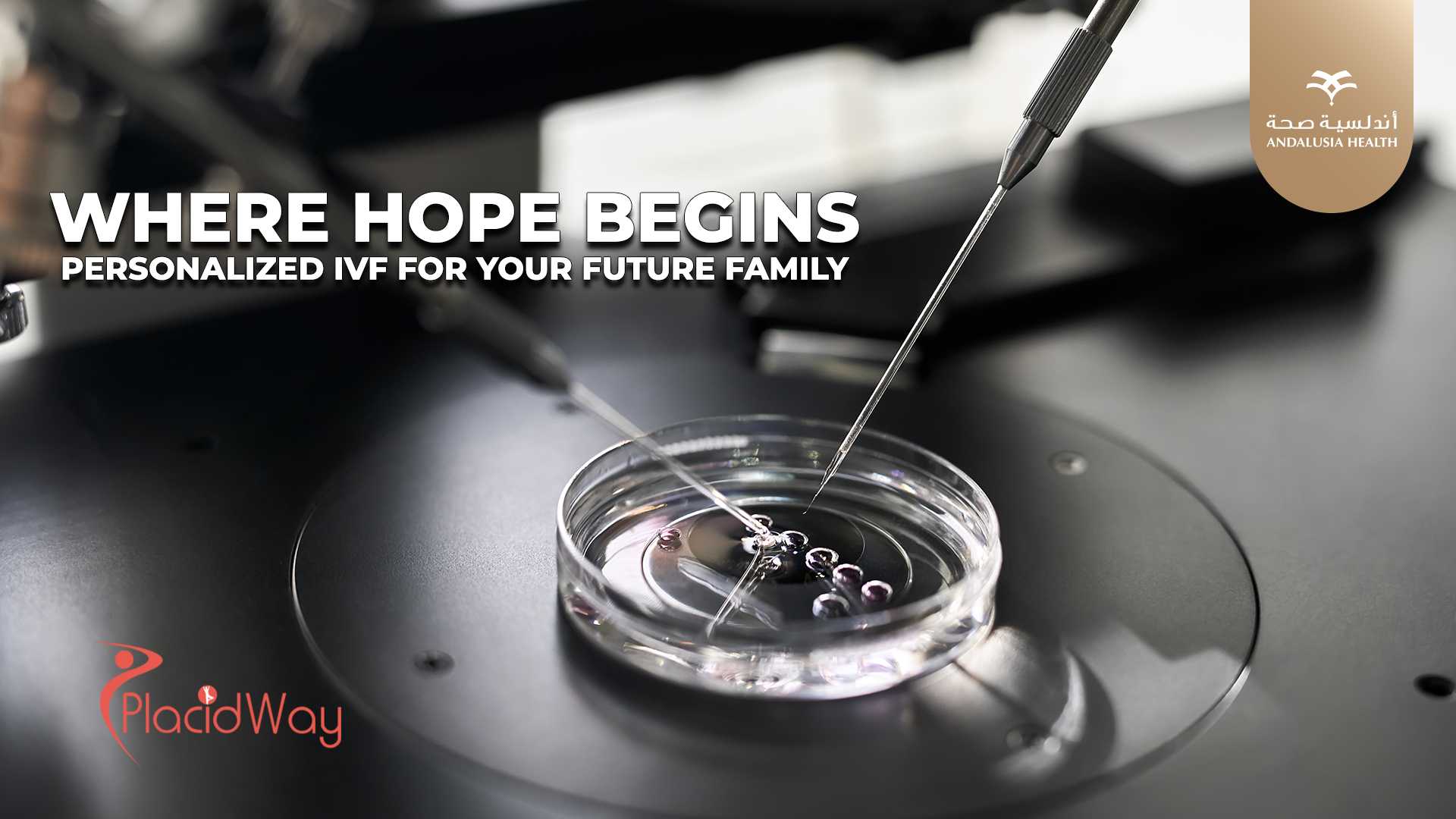
The fertilization of the retrieved eggs marks the beginning of the highly sensitive embryo development and transfer process. In cases utilizing Intracytoplasmic Sperm Injection (ICSI), a single, morphologically perfect sperm is injected directly into the center of each mature egg. This technique bypasses many natural fertilization barriers and drastically increases fertilization rates.
As seen in the visual documentation at [00:02], the fertilized eggs—now called zygotes—begin to rapidly divide. Within 24 hours, they typically reach the two-cell stage, progressing to four and eight cells over the subsequent days. The embryologist monitors this cellular division carefully, grading the embryos based on symmetry, cell count, and the presence of fragmentation.
By day five or six, the most robust embryos reach the blastocyst stage, consisting of over a hundred cells divided into two distinct parts: the inner cell mass (which becomes the fetus) and the trophectoderm (which becomes the placenta). Blastocyst culture allows the clinical team to select the embryos with the highest statistical probability of implantation.
Preimplantation Genetic Testing (PGT)
Many couples opting for the IVF procedure in Cyprus choose to utilize Preimplantation Genetic Testing for Aneuploidies (PGT-A). Before the embryos are frozen or transferred, a few cells are safely biopsied from the trophectoderm. These cells are analyzed to ensure the embryo has the correct number of chromosomes (euploid).
Transferring a genetically normal embryo drastically reduces the risk of miscarriage and chromosomal disorders. It also increases the implantation success rate per transfer. While PGT-A adds an additional step and cost to the treatment, it provides immense peace of mind for prospective parents.
Phase 5: The Delicate Embryo Transfer Process
The embryo transfer is the culmination of weeks of medical preparation and emotional investment. Unlike the egg retrieval, this procedure does not require sedation. The patient remains awake as the physician uses a thin, flexible catheter to bypass the cervix and deposit the embryo directly into the optimal location within the uterine cavity.
The procedure is performed under continuous abdominal ultrasound guidance, ensuring precise placement. Transferring two high-quality blastocysts significantly increases the likelihood of an IVF twin pregnancy success story, though it also raises the risks associated with multiple gestation. The decision of how many embryos to transfer is carefully deliberated between the doctor and the patients.
Once the catheter is removed, the embryologist checks it under a microscope to confirm that the embryo was successfully deployed. The patient is then allowed to rest for a short period before being discharged. Despite common myths, strict bed rest is not clinically proven to improve implantation rates, and patients are generally encouraged to resume light, normal activities.
Phase 6: Surviving the Two-Week Wait and Implantation
The period following the embryo transfer is universally known in the fertility community as the "two-week wait" (2WW). This is often described as the most psychologically challenging phase of the entire journey. Patients monitor themselves closely for early embryo transfer success symptoms, such as light implantation bleeding, mild cramping, or breast tenderness.
However, it is crucial to recognize that many of these symptoms can also be side effects of the supplemental progesterone medications. The only definitive way to confirm a pregnancy is through a quantitative Beta hCG blood test. This test measures the exact level of human chorionic gonadotropin in the bloodstream, indicating whether the embryo has successfully attached to the uterine wall.
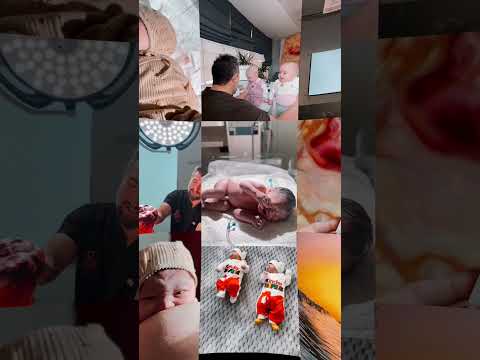
The visual of a positive home pregnancy test, captured beautifully at [00:00], represents the emotional peak of this wait. A strong, doubling hCG level over 48 to 72 hours confirms a viable clinical pregnancy, transitioning the patient from fertility care into early obstetric care.
Navigating the Complexities of an IVF Twin Pregnancy
Discovering that you are expecting twins brings double the joy but requires specialized prenatal attention. IVF twin pregnancy success stories are common due to the practice of transferring multiple embryos to maximize success rates. However, carrying multiples places additional physiological demands on the mother's body and requires a revised prenatal care protocol.
Expectant mothers of twins will undergo significantly more frequent ultrasound monitoring, similar to the scan shown at [00:10]. Doctors must track the growth discordance between the two fetuses, monitor amniotic fluid levels, and routinely check cervical length to prevent premature dilation. Nutrition also plays a vital role, requiring an increased caloric and protein intake to support dual fetal development.
One of the primary risks associated with twin pregnancies is preterm labor. Because the uterus is expanded beyond its normal single-pregnancy capacity, contractions can begin earlier than 37 weeks. Regular consultations with a Maternal-Fetal Medicine (MFM) specialist are highly recommended to proactively manage conditions like gestational diabetes and preeclampsia, which occur at higher rates in multiple pregnancies.
Crucial Ultrasound Milestones
The first major milestone is the six-week viability scan, where the presence of two distinct gestational sacs and yolk sacs confirms the twin pregnancy. A few weeks later, the detection of two strong, rhythmic heartbeats provides immense reassurance to the parents.
Around the 20-week mark, a comprehensive anatomy scan is conducted. The sonographer meticulously measures every internal organ, bone, and brain structure of both babies. This detailed imaging ensures that developmental milestones are being met and allows the medical team to plan effectively for the eventual delivery.
The Delivery Room: What to Expect During a C-Section Delivery
While some twin pregnancies result in vaginal births, a significant percentage are delivered via planned Cesarean section. Understanding what to expect during a C-section delivery alleviates much of the anxiety surrounding the birth. The procedure is highly orchestrated, prioritizing the safety of both the mother and the infants.
The process begins with the administration of regional anesthesia, typically a spinal block or epidural. This numbs the lower half of the body while allowing the mother to remain awake and alert. Once the anesthesia takes full effect, a sterile drape is raised to separate the surgical field from the mother's view, and the obstetric surgeon makes a precise horizontal incision just above the pubic bone.
The extraction of the babies happens rapidly, often within the first ten minutes of the surgery. As documented in the profound delivery footage at [00:15], the surgeon gently guides the infants out of the uterus. Following the birth, the delivery of the placenta occurs. The medical team ensures that the entire placenta is intact, as retained placental tissue can cause severe postpartum hemorrhaging.
Post-Operative Recovery Protocols
- Immediate Postpartum Phase: The mother is moved to a recovery area where nurses monitor blood pressure, heart rate, and uterine firmness. Intravenous pain medication is administered to maintain comfort as the spinal block wears off.
- Mobility and Healing: Within 12 to 24 hours, patients are encouraged to stand and take short walks. Early mobilization drastically reduces the risk of deep vein thrombosis (blood clots) and aids in digestion recovery.
- Incision Care: The surgical site must be kept clean and dry. Staples or sutures are typically removed within a week, and patients are advised against heavy lifting—other than the weight of their newborns—for at least six weeks.
- Lactation Support: Breastfeeding after a C-section can present initial challenges due to surgical pain and delayed milk production. Lactation consultants work closely with the mother to find comfortable feeding positions, such as the "football hold," which keeps the babies off the healing incision.
Postpartum Joy: Bringing Your IVF Twins Home
The transition from the clinical environment of the hospital to the comfort of home marks the final chapter of the medical journey and the beginning of lifelong parenthood. The imagery of the joyful father holding his newborn twins at [00:18] encapsulates the profound relief and overwhelming love that follows years of fertility struggles.
Caring for newborn twins requires intense physical and emotional stamina. Establishing a synchronized feeding and sleeping schedule is paramount for the parents' survival during the first few months. Many families enlist the help of postpartum doulas or night nurses to ensure they achieve adequate rest while recovering from the C-section surgery.
Despite the sleepless nights and the steep learning curve, parents who have navigated the grueling path of infertility often possess a unique, deep-seated gratitude. Every milestone—from the first smiles to the initial attempts at crawling—serves as a constant reminder of the incredible science and resilience that made their family possible.
Cost Analysis: Affordable IVF Treatment Abroad
One of the most compelling reasons international patients pursue the IVF procedure in Cyprus is the substantial cost savings. Fertility treatments in the United States or the United Kingdom can cause immense financial strain, often requiring couples to take out specialized medical loans or remortgage their homes.
Clinics in North Cyprus operate with lower overhead costs while maintaining compliance with stringent European medical directives. This allows them to offer comprehensive treatment packages—often including advanced technologies like ICSI, Assisted Hatching, and blastocyst culture—at a fraction of the cost found in Western clinics.
| Treatment Aspect | Average Cost in USA/UK | Average Cost in Cyprus |
|---|---|---|
| Standard IVF Cycle (including ICSI) | $15,000 - $20,000 | $3,500 - $5,000 |
| Medication Protocol | $4,000 - $6,000 | $1,000 - $2,500 |
| PGT-A Genetic Testing | $4,000 - $7,000 | $2,000 - $3,500 |
| Egg Donation Program | $25,000 - $40,000 | $6,000 - $8,500 |
*Estimated costs exclude travel and accommodation, though many Cyprus clinics offer inclusive concierge packages covering hotel stays and airport transfers.
Selecting the Right Fertility Clinic for Your Journey
The final determination of your treatment's outcome heavily relies on the expertise of the medical team you choose. When researching fertility clinic success rates in North Cyprus, it is critical to look beyond marketing claims and evaluate the clinic's laboratory standards. The embryology lab is the beating heart of any IVF center; state-of-the-art incubators, specialized air filtration systems, and rigorous quality control protocols dictate the health of your developing embryos.
Prospective patients should seek out clinics that prioritize transparent communication. You should have direct access to your reproductive endocrinologist and receive regular, detailed updates from the embryologist during the crucial five days of embryo culture. A dedicated patient coordinator who speaks your native language is also indispensable for navigating medical instructions and travel logistics.
Reviewing independent patient testimonials and documented IVF twin pregnancy success stories can provide valuable insight into the bedside manner and clinical competence of the staff. A clinic that supports you emotionally, handles medical complexities with precision, and provides clear, step-by-step guidance transforms an overwhelming medical procedure into a hopeful path toward parenthood.
Ready to Begin Your Fertility Journey?
Discover top-rated fertility specialists and receive a customized treatment plan. Take the first step toward building your family with world-class, affordable IVF treatment abroad.
Get Free QuoteView Full Video Transcript / Audio Lyrics
[00:00]
Background Audio: "And it goes like this..."
[00:02]
Background Audio: "What can I..."
[00:04]
Background Audio: "...have your heart and you need to kiss me..."
[00:08]
Background Audio: "...once up for hours and lay on the back seat..."
[00:12]
Background Audio: "Ah-ha, ah-ha, ah-ha..."
[00:15]
Background Audio: "And one step tonight when everything changes..."
[00:18]
Background Audio: "You won't reply I'll go back to strangers..."
[00:20]
Background Audio: "Ah-ha, ah-ha, ah-ha..."
*Note: This video features a musical overlay with no spoken clinical dialogue. The visual elements depict a positive pregnancy test, embryo development under a microscope, ultrasound scans, a C-section delivery, and a father holding newborn twins at an IVF center.*









.jpg)









Share this listing