


Understanding Ultraviolet Blood Irradiation Therapy in Mexico
Patients seeking advanced immunological treatments are increasingly turning to Ultraviolet Blood Irradiation Therapy in Mexico for its profound impact on systemic health and cellular function. This medical procedure operates on a fascinating biological premise: utilizing specific frequencies of ultraviolet light to stimulate the body's innate healing mechanisms. When blood is temporarily withdrawn, exposed to these targeted light rays, and reintroduced into the circulatory system, it initiates a complex cascade of physiological responses.
The therapy acts as a powerful catalyst for immune system activation, fundamentally altering how various white blood cells interact with pathogens. By modulating immune responses, improving the physical properties of red blood cells, and promoting oxygen utilization at the capillary level, this treatment offers a multifaceted approach to chronic disease management. Understanding the deep biochemical changes that occur during this protocol is essential for anyone evaluating oxidative therapies for long-term health restoration.
Video Chapters
Mechanism of Action: How UBI Treatment Activates Your Immune System Function
The foundational science behind this therapy relies on the precise application of photonic energy to circulating blood. As mentioned at [00:31] in the video, the process involves exposing a calculated volume of the patient's blood to ultraviolet light before carefully reintroducing it into the body. This controlled exposure acts as a mild, calculated stressor to the blood components, which in turn triggers a massive systemic response. The ultraviolet light waves penetrate the blood as it passes through a specialized sterile cuvette, directly interacting with both the cellular elements and the plasma proteins.
When the treated blood returns to general circulation, the body registers the UV-altered cells and any neutralized pathogens as a signal to upregulate immune activity. This process functions similarly to an autogenous vaccine. The immune system detects the denatured proteins of bacteria or viruses that were subjected to the UV light and mounts a highly specific antibody response against them. This cascading effect means that treating just a small fraction of the total blood volume can have profound implications for the entire immune network.
The activation of the immune system is not a random occurrence but a highly orchestrated biological event. The photochemical reactions induced by the light alter the surface tension and electrical charge of the blood cells. These biophysical modifications enhance the signaling pathways between different types of leukocytes. By optimizing these cellular communications, the body becomes drastically more efficient at identifying and eliminating foreign invaders, malignant cells, and metabolic waste products that contribute to chronic illness.
The Role of Phagocytosis in Ultraviolet Blood Exposure
One of the most critical mechanisms discussed at [00:40] is the enhancement of the phagocytic capacity of specific white blood cells. Phagocytosis is the cellular mechanism by which immune cells engulf and destroy foreign particles, bacteria, and dead or dying cells. Ultraviolet blood irradiation therapy supercharges this process, specifically targeting three primary types of immune cells: neutrophils, monocytes, and dendritic cells. This upregulation means the body's internal cleanup crew operates at a significantly higher metabolic rate.
Neutrophils are the most abundant type of granulocytes and form the vanguard of the innate immune system. When stimulated by the UBI protocol, their ability to seek out and destroy bacterial infections is greatly amplified. Monocytes, which circulate in the bloodstream before migrating into tissues to become macrophages, also experience a boost in their engulfing capabilities. Dendritic cells, known as professional antigen-presenting cells, play a crucial role in bridging the innate and adaptive immune systems. Their enhanced activity ensures that the body not only fights current infections but also develops long-term immunity by presenting pathogen markers to T-cells.
Furthermore, the therapy increases the production of peroxidase by polymorphonuclear leukocytes. Peroxidase is a vital enzyme used by immune cells to generate reactive oxygen species, which act as a localized chemical weapon against invading microbes. By elevating the concentrations of these antimicrobial enzymes, the body creates a highly inhospitable environment for pathogens. This enzymatic boost is a primary reason why patients with stubborn, antibiotic-resistant infections often seek out this specialized blood irradiation procedure.
| Immune Cell Type | Primary Function | Response to UV Therapy |
|---|---|---|
| Neutrophils | First responders to bacterial infections and acute inflammation. | Increased peroxidase production and rapid pathogen destruction. |
| Monocytes | Precursors to macrophages; responsible for deep tissue cleanup. | Enhanced phagocytic capacity to clear cellular debris and microbes. |
| Dendritic Cells | Antigen-presenting cells that train the adaptive immune system. | Improved antigen presentation, boosting long-term T-cell immunity. |
Boosting Nitric Oxide and Tumor Necrosis Factor-Alpha with UBI
The biochemical shifts resulting from this therapy extend far beyond simple cell activation. At [00:56], the discussion highlights the increased synthesis of nitric oxide and the production of tumor necrosis factor-alpha (TNF-alpha). Nitric oxide is a potent biological messenger molecule critical for cardiovascular health. Its primary function is vasodilation—the relaxing and widening of blood vessels. When nitric oxide synthesis is increased, peripheral vascular resistance drops, allowing for improved blood flow to tissues that may be suffering from ischemia or chronic nutrient deprivation.
This localized vasodilation is essential for the healing process. Tissues damaged by chronic disease, infection, or physical trauma require a massive influx of nutrients and oxygen to repair themselves. By naturally boosting nitric oxide levels, the therapy ensures that the microvascular networks are wide open and capable of delivering these necessary building blocks. Furthermore, optimal nitric oxide levels help prevent the abnormal clotting of platelets, contributing to overall cardiovascular safety and fluid hemodynamics.
Simultaneously, the modulation of Tumor Necrosis Factor-alpha plays a pivotal role in the body's defense mechanisms. TNF-alpha is a multifunctional cytokine involved in systemic inflammation and the acute phase reaction. While excessive TNF-alpha is associated with autoimmune conditions, appropriately pulsed production—such as that triggered by controlled UV exposure—is necessary for the destruction of tumor cells and the limitation of viral replication. This delicate balancing act highlights the immunomodulatory nature of the treatment, pushing the body toward homeostasis rather than simple immune suppression or hyper-stimulation.
Impact of UBI on Red Blood Cells and Hematocrit Levels
The physical characteristics of blood cells are directly influenced by the irradiation process. As noted at [01:04], the treatment has a notable effect on the osmotic properties of red blood cells. Osmotic fragility refers to the cellular membrane's ability to withstand changes in external pressure without rupturing. UV exposure positively conditions these lipid bilayer membranes, increasing their flexibility and resilience. This structural optimization allows erythrocytes to navigate through the narrowest capillaries without sustaining damage, ensuring continuous oxygen delivery to peripheral tissues.
This modification of osmotic properties can also lead to an increase in the hematocrit level over time. Hematocrit represents the volume percentage of red blood cells in the whole blood. A healthy, optimized hematocrit level is vital for energy production, as red blood cells are the sole carriers of hemoglobin, the protein responsible for transporting oxygen from the lungs to the cellular mitochondria. Patients suffering from chronic fatigue or certain anemic presentations often benefit from this gradual improvement in blood composition.
The biophysical changes to the erythrocyte membrane also affect the zeta potential—the electrical charge that keeps red blood cells repelling each other. When chronic inflammation is present, red blood cells tend to clump together in a formation known as rouleaux, severely impeding their ability to exchange gases. The photodynamic effects of this therapy restore the proper negative charge to the cell surfaces, dispersing these clumps. This restoration of proper blood rheology immediately improves oxygen offloading at the tissue level.
Comparing UBI Therapy to Ozone and Other Oxygen Therapies
Integrative medicine frequently utilizes multiple modalities that share underlying physiological pathways. At [01:13], the oxidative nature of UBI is compared to ozone therapy and other oxygen-based treatments. Both ultraviolet irradiation and ozone therapy operate on the principle of oxidative preconditioning. By introducing a mild, temporary, and highly controlled oxidative stress into the bloodstream, the body is forced to upregulate its internal antioxidant defenses, particularly through the Nrf2 pathway.
This pathway activation leads to the cellular production of master antioxidants like glutathione, superoxide dismutase, and catalase. While ozone therapy introduces a reactive oxygen species (O3) directly into the blood to trigger this effect, UV therapy uses photonic energy to alter the molecular bonds of existing oxygen and proteins within the blood to achieve a similar signaling cascade. Because they utilize different mechanisms to reach the same physiological endpoint, these therapies are highly complementary and are frequently administered together in advanced clinical settings.
- Mechanism of Induction: Ozone relies on the chemical reactivity of O3 molecules, while UBI relies on the electromagnetic energy of ultraviolet light waves.
- Pathogen Destruction: UV light directly damages the DNA and RNA of circulating viruses and bacteria, whereas ozone disrupts the lipid envelopes of pathogens via lipid peroxidation.
- Synergistic Application: Combining both therapies allows for both chemical and photonic stimulation of the immune system, maximizing the autogenous vaccine effect and antioxidant production.
Enhancing Microcirculation and Tissue Oxygenation Naturally
The ultimate goal of improving cardiovascular parameters is the enhancement of capillary function. At [01:21], the focus shifts to how the therapy improves microcirculation and tissue oxygenation. Microcirculation refers to the flow of blood through the smallest vessels in the body—arterioles, capillaries, and venules. This microscopic network is where the actual exchange of gases, nutrients, and waste products occurs. When microcirculation is compromised by chronic disease, aging, or inflammation, tissues begin to suffer from hypoxia.
By preventing red blood cell aggregation and increasing the flexibility of erythrocyte membranes, the irradiated blood can penetrate deep into previously starved capillary beds. This restoration of flow brings an immediate influx of oxygen to hypoxic tissues. Oxygen is the critical electron acceptor in the mitochondrial electron transport chain; without it, cellular energy production (ATP synthesis) grinds to a halt. Restoring oxygenation reboots cellular metabolism and accelerates the repair of damaged tissues.
Furthermore, many pathogenic organisms, including certain strains of bacteria and cancer cells, thrive in low-oxygen (anaerobic) environments. This concept, rooted in the Warburg effect, highlights the therapeutic importance of oxygenating the body. By driving oxygen deep into the tissues through improved microvascular flow, the internal terrain becomes highly hostile to anaerobic pathogens and malignant metabolic processes, aiding the immune system in maintaining long-term health.
Reducing Systemic Inflammation Through UBI Detoxification Protocols
The downstream effects of improved cellular function invariably lead to enhanced waste clearance. The reference at [01:26] emphasizes the therapy's role in helping with the natural detoxification process and reducing whole-body inflammation. The liver and kidneys depend entirely on adequate blood flow to filter out metabolic byproducts, environmental toxins, and cellular debris. When microcirculation is optimized, the transport of these toxins from peripheral tissues to the elimination organs becomes highly efficient.
Systemic inflammation is largely driven by the accumulation of these toxins and the continuous, low-grade immune reactions they provoke. As the phagocytic cells (neutrophils and macrophages) clear out dead pathogens and the improved blood flow washes away acidic waste products, the triggers for chronic inflammation are systematically removed. The body transitions from a state of chronic alarm and tissue degradation into a parasympathetic state of cellular repair and regeneration.
This reduction in whole-body inflammation is measurable through clinical markers such as C-reactive protein (CRP) and erythrocyte sedimentation rate (ESR). Patients undergoing these advanced immunological protocols often report a significant decrease in joint pain, brain fog, and chronic fatigue. By addressing the root causes of systemic inflammation—poor oxygenation, toxic burden, and immune dysregulation—this specific long tail keyword procedure provides a comprehensive foundation for recovery.
Expanding Treatment Horizons with Advanced Immunology
The clinical applications for this advanced therapeutic approach are expansive, touching on numerous fields of chronic illness management. Patients facing autoimmune disorders, where the immune system loses its self-tolerance and begins attacking healthy tissues, often utilize this therapy for its immunomodulatory effects. Because the procedure helps regulate cytokine production—such as balancing TNF-alpha—it assists in calming an overactive immune response while simultaneously keeping the body's defenses sharp against actual external threats.
Additionally, individuals dealing with persistent, stealth infections such as Lyme disease, Epstein-Barr virus (EBV), or chronic candidiasis find significant value in the pathogen-neutralizing capabilities of the ultraviolet spectrum. These organisms often build biofilms or hide inside host cells to evade standard pharmaceutical interventions. The enhanced phagocytosis and increased peroxidase production triggered by the therapy strip away these defenses, allowing the immune system to finally recognize and eradicate the hidden infections.
The decision to pursue Ultraviolet Blood Irradiation Therapy in Mexico often stems from a desire to access comprehensive, integrative medical protocols that treat the human organism as a complete, interconnected system. By prioritizing therapies that restore basic physiological functions—like microcirculation, blood rheology, and immune signaling—practitioners can create an environment where the body naturally returns to a state of vibrant health. This holistic, biologically sound approach represents the forefront of modern restorative medicine.
Ready to Optimize Your Immune System?
Take the next step in your healing journey. Discover how advanced immunological treatments can be customized to your specific health needs. Connect with top medical professionals today.
Get Free QuoteView Full Video Transcript
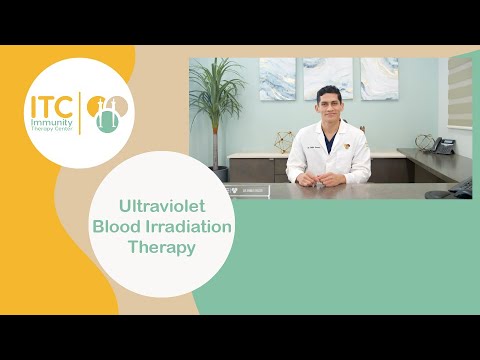
[00:00] (Visuals of the facility, patient interactions, and building exterior.)
[00:10] (Intro graphic for Immunity Therapy Center.)
[00:18] (Title: Ultraviolet Blood Irradiation Therapy.)
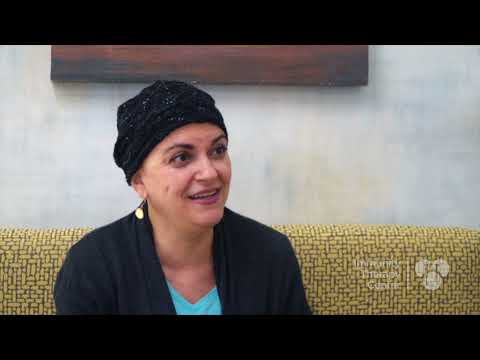
[00:24] Dr. Pablo Orozco, Treating Physician: "I am Pablo Orozco from ITC and today I'm going to talk to you about the blood irradiation therapy."
[00:31] "UVB therapy involves exposing blood to ultraviolet light and reintroducing that blood back into the patient's body."
[00:40] "This treatment can help with the activation of the immune system, enhancing the phagocytic capacity of neutrophils, monocytes, and dendritic cells."
[00:50] "Also increases the production of peroxidase by polymorphonuclear leukocytes."
[00:56] "Nitric oxide synthesis and tumor necrosis factor-alpha production can be increased by this treatment."
[01:04] "The use of UVB treatment has an effect on the osmotic properties of red blood cells that it can help to increase the hematocrit level."
[01:13] "The oxidative nature of UVB therapy may have mechanisms in common with ozone therapy and other oxygen therapies."
[01:21] "Improving your microcirculation, tissue oxygenation and helping with natural detoxification process."
[01:28] "With that, reducing the whole body inflammation."
[01:32] "If you need more information, please visit our website at immunitytherapycenter.com."
[01:39] (Outro graphic with website URL.)



.png)
.png)

.png)













Share this listing