


Transform Your Life: The Complete Guide to Gastric Bypass Surgery in Mexico
Making the decision to undergo gastric bypass surgery in Mexico is a profound step toward reclaiming your health and vitality. For individuals struggling with severe weight issues, traditional diet and exercise often fall short of providing sustainable results. Bariatric procedures offer a medically proven pathway to significant weight reduction and the resolution of debilitating comorbid conditions. This comprehensive resource breaks down the essential components of the weight loss journey, drawing on real-world medical outcomes and patient experiences.
Morbid obesity is a complex, chronic disease that requires a specialized, multifaceted treatment approach. By choosing highly qualified medical professionals for weight loss surgery interventions, patients frequently experience rapid improvements in their quality of life. From resolving dangerous sleep disorders to restoring physical mobility, the impact of these procedures extends far beyond the scale. We will examine the physiological changes, the critical recovery timeline, and the importance of long-term medical guidance to ensure lasting success.
Video Chapters
Understanding Morbid Obesity and the Need for Intervention
Morbid obesity is clinically defined as having a Body Mass Index (BMI) of 40 or higher, or a BMI of 35 or higher combined with serious obesity-related health conditions. Individuals facing this degree of weight struggle with immense physical and metabolic burdens on a daily basis. The excessive adipose tissue alters hormonal balances, increases systemic inflammation, and puts severe mechanical stress on weight-bearing joints.
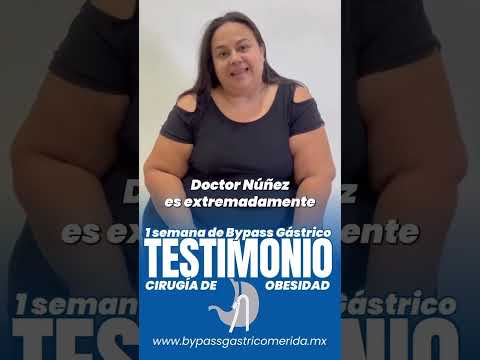
For many patients, reaching their late forties introduces a critical turning point where the compounding effects of obesity become impossible to ignore. At [00:03], patients often realize that conservative weight loss methods are no longer sufficient to combat the advancing threat to their lifespan. Bariatric surgery intervenes by anatomically altering the digestive system, which not only restricts food intake but also induces profound metabolic changes that facilitate rapid fat loss.
The decision to pursue surgical intervention is rarely taken lightly. It requires acknowledging the severity of the disease and committing to lifelong behavioral modifications. Fortunately, modern laparoscopic techniques have drastically reduced recovery times and complication rates, making procedures like the gastric bypass a highly effective gold standard for morbid obesity treatment options.
The Remarkable Benefits of Bariatric Surgery for Sleep Apnea
One of the most dangerous and under-discussed comorbidities associated with severe weight gain is Obstructive Sleep Apnea (OSA). Excess fatty tissue around the neck and throat physically obstructs the airway during sleep, causing breathing to stop and start repeatedly throughout the night. This leads to chronic oxygen deprivation, elevated blood pressure, and extreme daytime fatigue.
The immediate relief from these respiratory issues post-surgery is often staggering. As noted at [00:15], patients can experience the complete cessation of sleep apnea symptoms within just one week of their operation. Even a modest initial reduction in weight, combined with the sudden drop in systemic inflammation, is frequently enough to clear the airway obstruction.
Living with untreated sleep apnea carries severe real-world consequences, including falling asleep at the wheel and causing traffic accidents. The benefits of bariatric surgery for sleep apnea extend beyond better rest; they quite literally save lives by restoring cognitive function and preventing dangerous microsleeps during daily activities.
| Sleep Apnea Condition | Before Bariatric Surgery | After Bariatric Surgery (1-4 Weeks) |
|---|---|---|
| Airway Patency | Severely obstructed by tissue | Rapidly clearing due to fluid/fat loss |
| Snoring & Suffocation | Loud, disruptive, frequent gasping | Significantly reduced or eliminated |
| Daytime Alertness | Extreme exhaustion, risk of accidents | Restored vitality and sustained energy |
Gastric Bypass Recovery Timeline: What to Expect in the First Week
The initial seven days following a Roux-en-Y gastric bypass are a period of rapid physiological adjustment. Patients typically spend the first two days in the hospital for observation, ensuring there are no leaks in the new digestive connections. During this time, pain is managed intravenously, and patients are encouraged to walk within hours of waking up to prevent blood clots and stimulate bowel function.
Weight loss during this first week can be exceptionally rapid. As seen at [00:45], dropping up to 13 kilograms (approx. 28 pounds) in just seven days is possible, though it consists largely of water weight and reduced internal inflammation. This massive initial drop serves as a powerful psychological motivator for patients embarking on their new lifestyle.
During this gastric bypass recovery timeline, the body transitions into ketosis due to the strict clear liquid diet. While fatigue from the surgery is expected, many individuals report an unexpected surge in mental clarity and a sudden absence of the heavy, suffocating feeling previously caused by their excess weight. Hydration becomes the primary daily goal during this delicate healing phase.
The Crucial Role of a Multidisciplinary Bariatric Team
A successful weight loss journey relies on much more than a skilled surgeon. The anatomical changes provided by the surgery are merely a tool; utilizing that tool correctly requires comprehensive education and behavioral modification. This is why top-tier medical facilities utilize a multidisciplinary bariatric team support structure.
At [00:51], the absolute necessity of post-operative consultations is highlighted. A dedicated bariatric nutritionist is required to guide patients through the complex dietary phases, ensuring adequate protein intake and preventing dangerous vitamin deficiencies. Their guidance prevents complications like dumping syndrome and malnutrition.
Equally important is the role of the bariatric psychologist. Surgery alters the stomach, but it does not instantly cure the underlying emotional attachments to food. Regular therapy sessions help patients navigate body dysmorphia, manage emotional eating triggers, and build healthy coping mechanisms for stress that do not involve caloric consumption.
- The Surgeon: Performs the physical alteration of the gastrointestinal tract and monitors physiological healing.
- The Nutritionist: Develops customized meal plans, monitors macro and micronutrient intake, and prevents dietary complications.
- The Psychologist: Addresses the mental hurdles of rapid weight loss, emotional eating habits, and identity shifts.
- The Coordinator: Manages appointments, facilitates communication between departments, and provides logistical support.
Mental Health and Self-Esteem After Weight Loss Surgery
The psychological impact of morbid obesity frequently leaves deep scars on an individual's self-worth and confidence. Society's stigmatization of obesity, combined with the physical limitations it imposes, often leads to isolation and depression. When the physical weight begins to shed, a profound emotional unburdening typically follows closely behind.
Around the timestamp [00:34], patients frequently report their self-esteem returning in waves. As mobility increases and reliance on medications decreases, individuals begin to look toward the future with optimism rather than dread. The ability to engage in normal daily activities without chronic exhaustion fuels a powerful resurgence of personal identity.
However, the psychological transition requires active management. Patients must learn to recognize their changing reflection and adjust to how the world interacts with them post-weight loss. Continuing psychological support is paramount to ensure that the returning self-esteem is built on a foundation of holistic wellness rather than purely aesthetic changes.
Dietary Guidelines: Working with Your Bariatric Nutritionist
Following the specific instructions of a bariatric dietitian is non-negotiable for long-term health and weight loss success. The newly created stomach pouch is incredibly small, usually holding only about an ounce of food immediately after surgery. Stretching this pouch or irritating the staple lines with inappropriate foods can cause severe medical emergencies.
Patients must follow a strict, phased approach to eating. It begins with clear liquids, progresses to full liquids, advances to pureed foods, and slowly reintroduces soft solids over several weeks. At [00:48], the importance of adhering to these rules to the letter is stressed. Skipping phases or rushing the introduction of dense proteins can lead to strictures, vomiting, and severe discomfort.
Hydration rules also change permanently. Patients can no longer drink fluids alongside their meals, as liquid flushes food out of the small stomach pouch too quickly, leading to premature hunger and nutrient malabsorption. Fluids must be consumed consistently between meals, requiring a complete rewiring of lifelong drinking habits.
Why Choose Gastric Bypass Surgery in Mexico?
Medical tourism has grown exponentially, and evaluating the cost of gastric bypass in Merida Mexico reveals why thousands travel south of the border annually. The financial savings are substantial, often costing 50% to 70% less than identical procedures in the United States or Canada. These lower prices do not reflect a compromise in quality but rather differences in national healthcare economics and malpractice insurance overhead.
Mexican bariatric centers of excellence feature state-of-the-art surgical technology and highly credentialed surgeons. Many of these medical professionals have trained internationally and perform a higher volume of bariatric cases annually than their northern counterparts. This high volume of specialized repetition translates directly into lower complication rates and superior surgical proficiency.
Furthermore, the care packages provided in these medical tourism hubs are inherently comprehensive. Rather than itemizing every consultation, facilities typically bundle the surgery, hospital stay, local transportation, and initial consultations with the multidisciplinary team into one transparent price. This allows patients to focus entirely on their recovery rather than navigating complex insurance billing.
Long-Term Success and Maintaining Your Weight Loss Journey
The first year after bariatric surgery is often referred to as the "honeymoon phase." During this window, the metabolic effects of the surgery are at their peak, and weight falls off rapidly with minimal effort. However, to maintain these weight loss surgery success stories permanently, patients must utilize this easy phase to establish unshakeable daily habits.
Daily vitamin supplementation becomes a lifelong requirement. Because the gastric bypass reroutes the digestive tract to bypass a portion of the small intestine, the body can no longer absorb certain nutrients efficiently from food alone. Bariatric-specific multivitamins, calcium, iron, and B12 must be taken daily to prevent severe neurological and skeletal deterioration over the decades.
Physical fitness must also become a cornerstone of the patient's new life. While diet drives the initial weight loss, regular cardiovascular and resistance training ensures that the body maintains lean muscle mass and an active metabolism. Committing to this holistic transformation guarantees that the vitality and health regained in the first weeks post-op remain a permanent reality.
Ready to Start Your Weight Loss Journey?
Take the first step toward reclaiming your health, resolving sleep apnea, and achieving lasting vitality. Connect with top-tier bariatric specialists in Mexico today.
Get Free QuoteView Full Video Transcript (Spanish)
[00:00] Hola, soy Mariana.
[00:02] Tengo 47 años y padezco de obesidad mórbida.
[00:05] Me operé con el doctor Núñez por recomendaciones y la verdad, no me arrepiento.
[00:10] Me operé hace una semana y hoy puedo decir que la apnea del sueño que yo padecía...
[00:15] y una vez me causó un accidente en las calles en pleno periférico, se fue.
[00:20] Ya no ronco, ya no me sofoco.
[00:23] Tengo una vitalidad que añoraba.
[00:26] Ya no me siento agotada y puedo decir que el equipo del doctor Núñez es extremadamente recomendable.
[00:34] Mi autoestima está regresando y tengo una enorme satisfacción por mis planes a futuro, empezando por mi.
[00:42] Y dejen comentarles que ya tengo 13 kilos menos.
[00:46] Claro, hay que seguir al pie de la letra las indicaciones de la nutrióloga.
[00:50] No omitir las consultas con la psicóloga, porque todo un conjunto...
[00:54] hay un equipo que tiene que seguir los antes y después de la cirugía.


.png)


.jpg)

.jpg)








Share this listing