


Transformative Gastric Sleeve Procedure in Mexico
Witnessing severe obesity reversed through medical intervention provides critical insight into modern bariatric solutions. For individuals struggling with conventional diet and exercise, a transformative gastric sleeve procedure in Mexico offers a highly effective, scientifically backed medical pathway. This surgical intervention fundamentally alters the digestive system, restricting food intake and resetting metabolic function to facilitate massive weight reduction.
The journey of a patient named Raúl, who successfully dropped a staggering amount of weight [00:00], highlights the profound impact of these medical interventions. Choosing an affordable gastric sleeve procedure in Mexico has become a primary strategy for international patients seeking high-quality healthcare without the exorbitant costs found in the United States. Through advanced surgical techniques and comprehensive postoperative care, patients are achieving long-lasting health milestones.
Video Chapters & Quick Navigation
Understanding the Journey: How to Lose 72 Kilos with Bariatric Surgery
Shedding over 70 kilograms requires more than just dietary adjustments; it demands a comprehensive metabolic reset. Bariatric surgery provides this physiological change by physically reducing the stomach capacity and altering gut hormones responsible for hunger signals. This dual-action approach ensures patients feel satiated with significantly smaller portions while naturally decreasing their appetite.
The mechanism behind learning how to lose 72 kilos with bariatric surgery lies in the drastic reduction of ghrelin, the primary hunger hormone. When surgeons remove a large portion of the stomach [00:18], the endocrine system adapts, leading to rapid initial weight loss. This rapid phase is crucial for alleviating obesity-related comorbidities such as type 2 diabetes, hypertension, and sleep apnea.
Success at this scale also requires immense patient compliance and dedication to post-operative protocols. The physical surgery is merely the foundational tool; the actual weight loss occurs through sustained adherence to specialized nutritional guidelines and progressive physical activity. Consistent medical monitoring ensures the weight loss trajectory remains safe and steady.
The Benefits of Choosing Affordable Gastric Sleeve Procedure in Mexico
Healthcare economics often present a significant barrier for patients requiring life-saving metabolic surgery in their home countries. Opting for an affordable gastric sleeve procedure in Mexico provides a financially viable alternative without compromising on medical standards or surgical expertise. Many specialized bariatric centers in regions like Merida operate out of modern, globally accredited hospitals.
These facilities utilize the exact same state-of-the-art laparoscopic equipment found in top-tier North American medical centers. Furthermore, bariatric surgeons in Mexico frequently possess extensive international training and board certifications, having performed thousands of successful procedures. This high volume of specialized operations translates to refined surgical precision and lower complication rates.
- Comprehensive Care Packages: Treatment costs usually include pre-operative diagnostics, surgeon fees, anesthesia, hospital stays, and post-operative medications.
- Shorter Wait Times: Patients can often schedule their procedures within weeks, avoiding the lengthy bureaucratic delays typical of national health systems.
- Dedicated Patient Logistics: Top clinics provide ground transportation, bilingual patient coordinators, and specialized recovery accommodations.
Exploring the Best Weight Loss Surgery Options in Merida
While the gastric sleeve is incredibly popular, bariatric centers provide a spectrum of interventions tailored to individual patient profiles. The best weight loss surgery options in Merida are determined during rigorous pre-operative evaluations. Surgeons analyze the patient's body mass index (BMI), existing medical conditions, and previous weight loss attempts to recommend the optimal surgical route.
The Gastric Bypass (Roux-en-Y) is frequently recommended for patients with severe acid reflux or unmanaged type 2 diabetes. This procedure not only reduces stomach size but reroutes the intestinal tract to decrease calorie absorption. Conversely, the Mini-Gastric Bypass offers similar malabsorptive benefits with a simplified surgical technique, resulting in slightly shorter operating times.
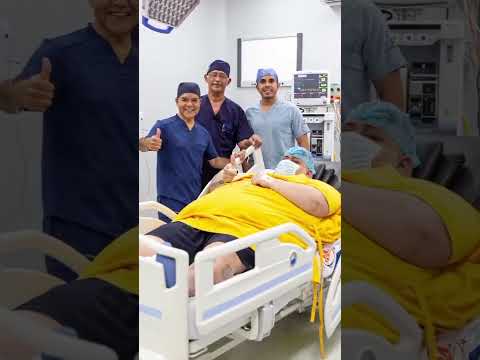
For patients requiring less drastic anatomical changes, the Vertical Sleeve Gastrectomy remains the gold standard. As visualized during pre-surgical preparations [00:11], this minimally invasive approach removes roughly 80% of the stomach. Because the intestinal tract remains untouched, patients face a lower risk of severe nutritional deficiencies compared to bypass operations.
What to Expect During the Bariatric Surgery Recovery Process and Results
Understanding the clinical timeline immediately following surgery is vital for managing patient expectations. The bariatric surgery recovery process and results begin in the recovery room, where patients are closely monitored as anesthesia wears off. Within the first few hours, nursing staff will encourage the patient to stand and walk to promote circulation and prevent blood clots.
During the initial 24 to 48 hours, patients undergo leak tests using fluoroscopy to ensure the newly formed stomach staple line is entirely secure. Once cleared by the surgical team, the patient begins taking small sips of water and clear liquids. Pain management protocols are strictly implemented to ensure the patient remains comfortable while their digestive tract begins to heal.
Visible results manifest rapidly during the first three months, often referred to as the "honeymoon phase" of weight loss. Patients typically experience a dramatic reduction in physical volume, transitioning to smaller clothing sizes while noting significant improvements in daily energy levels. Routine blood work and vital sign monitoring are essential during this phase to track metabolic improvements.
Navigating Dietary Transitions After Affordable Gastric Sleeve Procedure in Mexico
The success of any bariatric procedure hinges entirely on the patient's adherence to the phased post-operative diet. Because the stomach is actively healing from surgical trauma, solid foods must be reintroduced gradually to prevent tearing, nausea, or severe gastrointestinal distress. Dietitians provide comprehensive nutritional blueprints that patients must follow meticulously.
This structured dietary progression is specifically designed to allow the staple line to heal while ensuring the patient receives adequate hydration and baseline nutrition. Protein intake becomes the central focus of every meal, as it aids in cellular repair and prevents muscle wasting during rapid fat loss. Carbohydrates and dense fats are strictly limited during the early healing phases.
| Dietary Phase | Duration | Permitted Consumables | Primary Goal |
|---|---|---|---|
| Phase 1: Clear Liquids | Days 1 - 7 | Water, sugar-free gelatin, clear broths, decaf tea. | Maintain hydration and protect the healing surgical staple line. |
| Phase 2: Full Liquids | Days 8 - 14 | Protein shakes, strained soups, thin Greek yogurt. | Introduce liquid protein to facilitate tissue recovery. |
| Phase 3: Pureed Foods | Weeks 3 - 4 | Scrambled eggs, pureed fish, blended vegetables. | Test the stomach's tolerance to thicker consistencies. |
| Phase 4: Soft Solids | Weeks 5+ | Baked chicken, soft fish, cooked root vegetables. | Establish the foundation for the lifelong bariatric diet. |
The Framework of Safe Medical Tourism for Weight Loss in Mexico
Traveling internationally for surgical procedures requires a robust logistical framework to ensure patient safety and positive clinical outcomes. Engaging in safe medical tourism for weight loss in Mexico involves selecting facilities that operate under strict international regulatory standards. Leading clinics employ multidisciplinary teams consisting of cardiologists, pulmonologists, and anesthesiologists to clear patients prior to surgery.
Pre-operative testing usually occurs the day before the procedure, involving comprehensive blood panels, EKGs, and chest X-rays. This thorough screening process ensures that the surgical team is acutely aware of any underlying conditions that could complicate anesthesia. Dedicated medical tourism facilitators manage these itineraries, ensuring patients transition seamlessly from the airport to the medical facility.
Post-operative care extends long after the patient returns to their home country. Reputable clinics maintain digital communication channels, offering telehealth check-ins with bariatric nutritionists and nursing staff. This continuous support system is vital for monitoring weight loss progress, reviewing nutritional intake, and addressing any physiological concerns that arise during the healing process.
Life After Significant Weight Loss: Maintaining Your Health Long-Term
Reaching an optimal target weight is an incredible milestone, visible in the confident strides of post-op patients [00:21]. However, long-term success requires a permanent shift in behavioral psychology and daily lifestyle habits. Because the stomach can marginally stretch over time, patients must remain vigilant about portion control to prevent late-stage weight regain.
Lifelong vitamin and mineral supplementation is a non-negotiable aspect of life after bariatric surgery. The altered digestive anatomy often reduces the body's natural ability to absorb certain micronutrients, particularly Vitamin B12, Iron, Calcium, and Vitamin D. Patients are required to take specialized bariatric multivitamins daily and undergo routine serology testing to detect and correct any nutritional deficiencies early.
Integrating regular physical exercise is equally crucial for optimizing basal metabolic rates and preserving lean muscle mass. As the body sheds heavy adipose tissue, introducing resistance training helps tone underlying musculature and boosts overall cardiovascular endurance. Psychological counseling is also highly recommended to help patients process rapid body image changes and manage emotional eating triggers.
Managing Physical Changes and Skin Elasticity
When an individual loses upwards of 70 kilograms rapidly, the skin often lacks the elasticity required to conform to the newly reduced body frame. This results in excess skin folds, particularly around the abdomen, upper arms, and thighs. While compression garments can provide physical support during the initial weight loss phase, they do not resolve the underlying tissue laxity.
Managing these physical changes often involves secondary surgical interventions once the patient's weight has stabilized for at least six to twelve months. Post-bariatric body contouring procedures, such as abdominoplasty or brachioplasty, surgically excise the redundant skin, improving physical comfort and hygiene. Many specialized medical tourism centers in Mexico also offer these reconstructive services to complete the patient's transformation.
Proper hydration, collagen supplementation, and focused strength training can marginally improve skin tone during the weight loss phase. However, patients must prepare themselves realistically for the physical realities of massive weight reduction. Transparent consultations with specialized surgeons ensure that patients fully understand the comprehensive, multi-stage nature of overcoming severe obesity.
Ready to Begin Your Weight Loss Journey?
Take the decisive step towards a healthier future. Consult with board-certified bariatric specialists in Mexico to evaluate your surgical options, understand medical timelines, and receive a customized treatment plan tailored to your metabolic needs.
Get Free QuoteView Full Video Transcript
[00:00] Hola, soy Raúl.
[00:01] Ya bajé 72 kilos y me siento genial.
[00:05] [Patient shown at maximum weight before procedure]
[00:11] [Patient prepped for surgery in hospital bed with medical team]
[00:13] [Surgeons operating in sterile theater]
[00:18] [Surgical team displaying the removed portion of the stomach]
[00:21] [Patient walking confidently post-surgery in hallway]
[00:25] www.bypassgastricomerida.mx - ESTAMOS cambiando Vidas







.jpg)

.jpg)

.jpg)








Share this listing