
Stem Cell Therapy for Arthritis in Malaysia: Procedure, Costs & Benefits
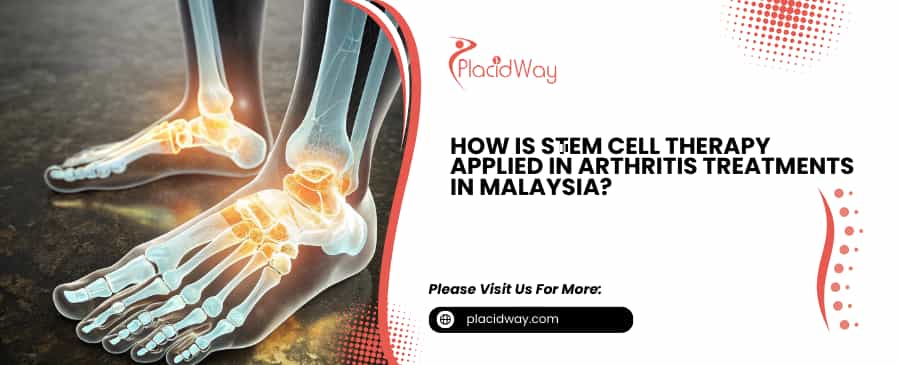
Arthritis, a widespread condition characterized by joint pain, stiffness, and inflammation, significantly impacts millions of lives globally. While traditional treatments often focus on managing symptoms, the field of regenerative medicine, particularly stem cell therapy, is offering new hope. In Malaysia, this innovative approach is gaining traction, providing a promising alternative for those seeking long-term relief and improved joint function.
Stem cell therapy harnesses the body's natural healing capabilities. For arthritis, it typically involves using mesenchymal stem cells (MSCs) which have the remarkable ability to differentiate into various cell types, reduce inflammation, and stimulate tissue repair. This guide will delve into how stem cell therapy is applied in arthritis treatments across Malaysia, covering everything from the types of conditions treated to the procedural details, costs, and considerations for both local and international patients.
What is the role of stem cell therapy in treating arthritis in Malaysia?
Stem cell therapy plays a crucial role in treating arthritis in Malaysia by addressing the underlying causes of joint degeneration rather than just masking symptoms. The primary goal is to leverage the regenerative potential of stem cells to promote healing and reduce inflammation within the affected joints.
In practice, medical professionals in Malaysia typically use mesenchymal stem cells (MSCs) for arthritis treatment. These cells are known for their immunomodulatory and anti-inflammatory properties. When injected into an arthritic joint, MSCs can:
- Reduce Inflammation: They secrete potent anti-inflammatory molecules that help calm the inflamed joint environment, reducing pain and swelling.
- Promote Cartilage Repair: MSCs have the potential to differentiate into chondrocytes, the cells that make up cartilage, thereby contributing to the repair and regeneration of damaged cartilage tissue.
- Slow Disease Progression: By fostering a healthier joint environment and repairing tissues, stem cell therapy aims to slow down the progressive degeneration commonly seen in arthritis.
- Alleviate Pain: The reduction in inflammation and tissue repair directly translates to significant pain relief for many patients.
This approach offers a biological solution that can improve joint functionality and enhance the overall quality of life for individuals suffering from various forms of arthritis.
What types of arthritis can stem cell therapy treat in Malaysia?
While stem cell therapy is most extensively applied and studied for osteoarthritis (OA), particularly in weight-bearing joints like the knees, hips, and shoulders, its potential extends to other forms of arthritis in Malaysia. Osteoarthritis, often called "wear-and-tear" arthritis, involves the breakdown of cartilage over time, leading to pain and stiffness.
Beyond OA, regenerative medicine practitioners in Malaysia may explore stem cell therapy for:
- Rheumatoid Arthritis (RA): Although RA is an autoimmune disease, the anti-inflammatory and immunomodulatory properties of MSCs can help manage inflammation and pain, potentially slowing joint damage.
- Psoriatic Arthritis: Similar to RA, the immune-modulating effects of stem cells can be beneficial in alleviating symptoms and reducing inflammation in affected joints.
- Ankylosing Spondylitis: While less common, stem cell therapy might be considered to reduce inflammation in the spine and other joints affected by this condition.
- Post-traumatic Arthritis: Arthritis that develops after a joint injury can also be a candidate for stem cell intervention to aid in tissue repair and reduce chronic inflammation.
The suitability for stem cell therapy depends on the specific type and severity of arthritis, as well as the patient's overall health and responsiveness to previous treatments. A thorough evaluation by a qualified medical specialist is essential to determine if stem cell therapy is an appropriate treatment option.
What types of stem cells are used for arthritis treatment in Malaysia?
The primary type of stem cells utilized in Malaysia for arthritis treatment are mesenchymal stem cells (MSCs). These multipotent stromal cells are favored due to their ability to differentiate into various cell types, including cartilage, bone, and fat cells, as well as their potent anti-inflammatory and immunomodulatory properties. MSCs can be obtained from several sources within the patient's own body, minimizing the risk of rejection and adverse reactions.
The main sources for MSCs used in Malaysian clinics typically include:
- Adipose (Fat) Tissue: This is a common and relatively easy source to harvest. Fat tissue contains a rich supply of MSCs, which can be extracted through a minor liposuction procedure. The cells are then processed and concentrated before injection.
- Bone Marrow: MSCs can also be extracted from bone marrow, usually from the hip bone (iliac crest). This procedure, known as bone marrow aspiration, is performed under local anesthesia. The bone marrow aspirate is then processed to concentrate the stem cells.
- Umbilical Cord Tissue: For some treatments, allogeneic (donor) MSCs derived from umbilical cord tissue may be used. These cells are ethically sourced from healthy, screened donors after birth and offer a readily available, potent source of "off-the-shelf" stem cells.
The choice of stem cell source often depends on the specific clinic's expertise, the patient's condition, and regulatory guidelines. Each source has its advantages in terms of cell yield, ease of harvest, and biological activity.
What is the procedure for stem cell therapy for arthritis in Malaysia?
The procedure for stem cell therapy for arthritis in Malaysia generally follows a three-step process, performed on an outpatient basis. The entire process is designed to be minimally invasive and focuses on patient safety and comfort.
- Cell Harvest:
- If using adipose-derived stem cells, a small amount of fat tissue is gently removed, usually from the abdomen or thigh, through a mini-liposuction procedure under local anesthesia.
- If using bone marrow-derived stem cells, bone marrow is aspirated from the hip bone (iliac crest) using a specialized needle, also under local anesthesia.
- Cell Processing and Concentration:
- The harvested tissue (fat or bone marrow) is then processed in a specialized laboratory using centrifugation or other techniques to isolate and concentrate the mesenchymal stem cells. This step ensures that a high concentration of therapeutic cells is prepared for injection.
- Injection into the Joint:
- The concentrated stem cell solution is then carefully injected directly into the arthritic joint. This injection is often performed under imaging guidance (such as ultrasound or fluoroscopy) to ensure precise placement of the cells into the target area.
The procedure usually takes a few hours, and patients can typically return home the same day. Post-procedure instructions are provided, focusing on rest and avoiding strenuous activities for a period to allow the cells to integrate and begin their regenerative work.
What are the benefits of choosing stem cell therapy for arthritis in Malaysia?
Malaysia has emerged as a reputable destination for advanced medical treatments, including stem cell therapy for arthritis, due to several compelling benefits:
- Reduced Pain and Inflammation: A primary benefit is the significant reduction in chronic joint pain and inflammation, leading to improved comfort and quality of life.
- Improved Joint Function: By promoting tissue repair and regeneration, stem cell therapy can enhance joint mobility and function, allowing patients to regain activities they once enjoyed.
- Minimally Invasive: Compared to surgical interventions like joint replacement, stem cell therapy is a minimally invasive procedure with a shorter recovery time and fewer risks.
- Biologically Driven Healing: It harnesses the body's natural healing mechanisms, offering a more organic approach to addressing joint degeneration.
- High Standard of Medical Care: Malaysia boasts modern medical facilities, highly trained specialists, and adheres to international healthcare standards, ensuring quality treatment and patient safety.
- Competitive Pricing: For international patients, the cost of stem cell therapy in Malaysia can be significantly more affordable than in Western countries, without compromising on quality.
Patients often report long-lasting relief and improved joint health, making it an attractive option for those seeking an alternative to conventional treatments or surgery.
How much does stem cell therapy for arthritis cost in Malaysia?
The cost of stem cell therapy for arthritis in Malaysia can vary considerably based on several factors. It's important for patients to receive a detailed quotation after an initial consultation to understand all included expenses.
Key factors influencing the cost include:
- Type of Stem Cells: Whether adipose-derived, bone marrow-derived, or umbilical cord-derived stem cells are used can impact the price. Autologous (patient's own cells) treatments often involve harvesting procedures.
- Number of Joints Treated: Treating multiple joints simultaneously will naturally incur higher costs than treating a single joint.
- Clinic and Specialist Fees: Reputable clinics with highly experienced specialists may have different pricing structures.
- Required Sessions: While many treatments involve a single injection, some protocols may recommend multiple sessions, which would increase the overall cost.
- Ancillary Services: The total cost might also include pre-treatment evaluations, post-treatment follow-ups, imaging guidance during injection, and any necessary medications.
Generally, patients can expect the cost for stem cell therapy for arthritis in Malaysia to be more accessible compared to Western countries. While specific figures can fluctuate, an estimated range might be from $5,000 to $15,000 USD per treated joint. It is always advisable to clarify what is included in the quoted price.
What should patients consider when seeking stem cell therapy for arthritis in Malaysia as a medical tourist?
Malaysia is a popular destination for medical tourism, offering advanced healthcare services at competitive prices. For international patients considering stem cell therapy for arthritis in Malaysia, several important factors should be carefully considered:
- Clinic Accreditation and Reputation: Research clinics known for regenerative medicine, checking for international accreditations, patient testimonials, and regulatory compliance. Look for facilities that prioritize patient safety and ethical practices.
- Specialist Experience: Verify the qualifications and experience of the doctors who will be performing the procedure. Ensure they have specific expertise in stem cell therapy for orthopedic conditions.
- Treatment Protocols: Understand the specific type of stem cells used, their source, and the detailed procedure plan. Ask about the number of cells administered and any pre/post-treatment recommendations.
- Transparent Pricing: Request a comprehensive breakdown of all costs, including the procedure, consultations, medications, and follow-up care, to avoid hidden fees.
- Logistics and Travel Support: Many Malaysian clinics and medical tourism facilitators offer assistance with travel arrangements, accommodation, airport transfers, and interpreter services. Consider these amenities for a smooth experience.
- Post-Procedure Care and Follow-up: Inquire about the follow-up schedule and how your progress will be monitored, especially if you are returning to your home country.
- Visa and Immigration: Understand the visa requirements for your nationality and the duration of your stay.
Thorough research and communication with potential clinics are key to a successful medical tourism journey for stem cell therapy in Malaysia.
Are there specific regulations for stem cell therapy in Malaysia?
Malaysia has a progressive regulatory framework for stem cell and regenerative medicine to ensure patient safety and quality of care. The Ministry of Health (MOH) oversees these regulations, which are crucial for the ethical and effective application of advanced therapies.
The primary regulatory instrument is the Tissue and Cell Therapy Regulations 2021, which came into effect to govern the procurement, processing, storage, testing, and distribution of human tissues and cells, including stem cells, for therapeutic use. These regulations aim to:
- Ensure Quality and Safety: Establish standards for laboratories, facilities, and procedures involved in stem cell therapy to minimize risks such and contamination.
- Promote Ethical Practices: Guide the ethical sourcing of stem cells and ensure informed consent from patients.
- License and Monitor Facilities: Require clinics and laboratories offering stem cell therapy to be licensed and subject to regular inspections by regulatory bodies.
- Define Approved Therapies: Differentiate between established, approved therapies and experimental treatments, ensuring transparency for patients.
Patients considering stem cell therapy in Malaysia should ensure that the clinic they choose is fully compliant with these regulations and operates under the necessary licenses to guarantee the highest standards of safety and efficacy.
What is the recovery process like after stem cell therapy for arthritis?
The recovery process following stem cell therapy for arthritis is generally straightforward, as the procedure is minimally invasive. Most patients can return to their daily activities relatively quickly, though specific recommendations will be provided by their specialist.
Here's a general overview of what to expect:
- Immediate Post-Procedure: Patients may experience mild pain, swelling, or soreness at both the injection site and the harvest site (if autologous cells were used). This discomfort typically subsides within a few days and can be managed with over-the-counter pain relievers.
- First Few Days/Weeks: It's usually recommended to rest the treated joint and avoid strenuous activities or heavy lifting for a few days to a week. Gentle movement is often encouraged to promote circulation.
- Gradual Return to Activity: Over the next few weeks, patients can gradually increase their activity levels as pain diminishes and mobility improves. Physical therapy may be recommended to optimize recovery and strengthen the joint.
- Timeline for Results: While some patients may notice initial improvements in pain reduction within a few weeks, the full regenerative effects of stem cells take time. Significant improvements in pain, mobility, and overall joint function often become evident over 3 to 6 months as the cells work to repair and regenerate tissue.
Adherence to post-treatment instructions is crucial for optimal outcomes. Regular follow-up appointments will monitor progress and adjust any rehabilitation plans as needed.
How can medical tourists find reputable clinics for stem cell therapy for arthritis in Malaysia?
Finding a reputable clinic is paramount for medical tourists seeking stem cell therapy for arthritis in Malaysia. With the growth of medical tourism, it's essential to perform thorough due diligence.
Here are effective ways to identify trustworthy clinics:
- Medical Tourism Facilitators: Platforms like PlacidWay specialize in connecting patients with accredited international healthcare providers. They can offer curated lists of reputable clinics, assist with initial consultations, and manage logistical aspects of your trip.
- Ministry of Health (MOH) Malaysia Website: The MOH often lists licensed healthcare facilities and may provide information on clinics authorized to offer advanced therapies like stem cell treatment. This ensures regulatory compliance.
- Online Reviews and Testimonials: Look for patient reviews and testimonials on independent platforms, forums, and social media. Pay attention to consistent feedback regarding patient care, treatment outcomes, and professionalism.
- Professional Organizations: Some medical associations or societies in Malaysia might endorse or list clinics adhering to specific standards in regenerative medicine.
- Direct Clinic Inquiry: Once you have a shortlist, contact the clinics directly. Ask detailed questions about their accreditations, the qualifications of their medical staff, their specific treatment protocols for arthritis, success rates, and transparent cost breakdowns. Request case studies or patient outcome data if available.
- Virtual Consultations: Many clinics offer virtual consultations, allowing you to speak with a specialist and assess their expertise and communication style before traveling.
By leveraging these resources, medical tourists can make informed decisions and choose a clinic that best meets their medical needs and safety expectations.
Ready to explore stem cell therapy for arthritis or other medical tourism solutions? Visit PlacidWay to connect with leading clinics in Malaysia and around the globe, and discover personalized healthcare options tailored to your needs.

.png)



.png)

.png)
.png)




Share this listing