
stem cell therapy spinal stenosis Malaysia, regenerative medicine for spine Malaysia
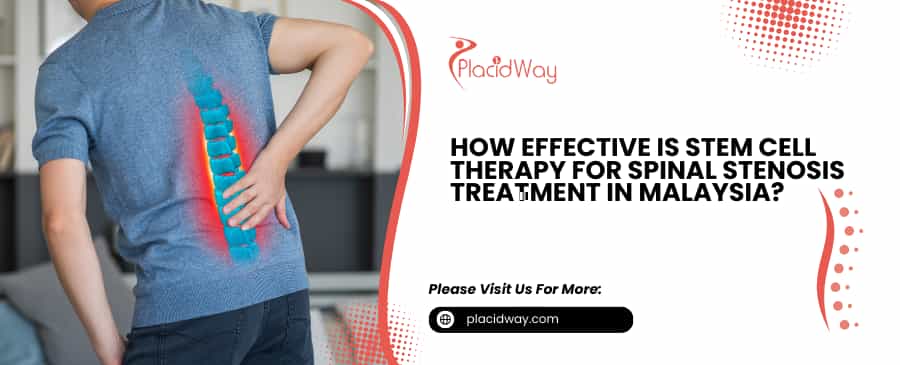
Living with spinal stenosis can be incredibly challenging, bringing persistent back pain, numbness, tingling, and weakness that significantly impact daily life. This condition, often caused by the natural wear and tear of aging, can severely restrict mobility and diminish overall well-being, leading many to search for effective, long-lasting relief beyond traditional methods. For those grappling with the debilitating effects of spinal stenosis, the prospect of regenerative treatments offers a beacon of hope. One such innovative approach gaining considerable attention globally, and particularly in regions known for advanced medical care, is stem cell therapy. Understanding its effectiveness for spinal stenosis treatment in Malaysia has become a crucial point of inquiry for patients exploring their options.
Malaysia has impressively positioned itself as a premier hub for medical tourism, distinguishing itself with state-of-the-art healthcare facilities and an embrace of cutting-edge medical solutions. Stem cell therapy, a key pillar of regenerative medicine, fundamentally aims to harness the body's intrinsic healing capabilities. This involves using specialized cells to promote the repair of damaged tissues and to reduce the chronic inflammation typically associated with spinal stenosis. The appeal of this approach lies in its potential to not just alleviate current symptoms, but also to potentially address the root causes of the condition, offering a more sustainable path to recovery. Given Malaysia's commitment to high standards in medical care and its growing expertise in regenerative therapies, it’s no wonder many patients are looking to this nation for advanced spinal stenosis treatments.
What is spinal stenosis?
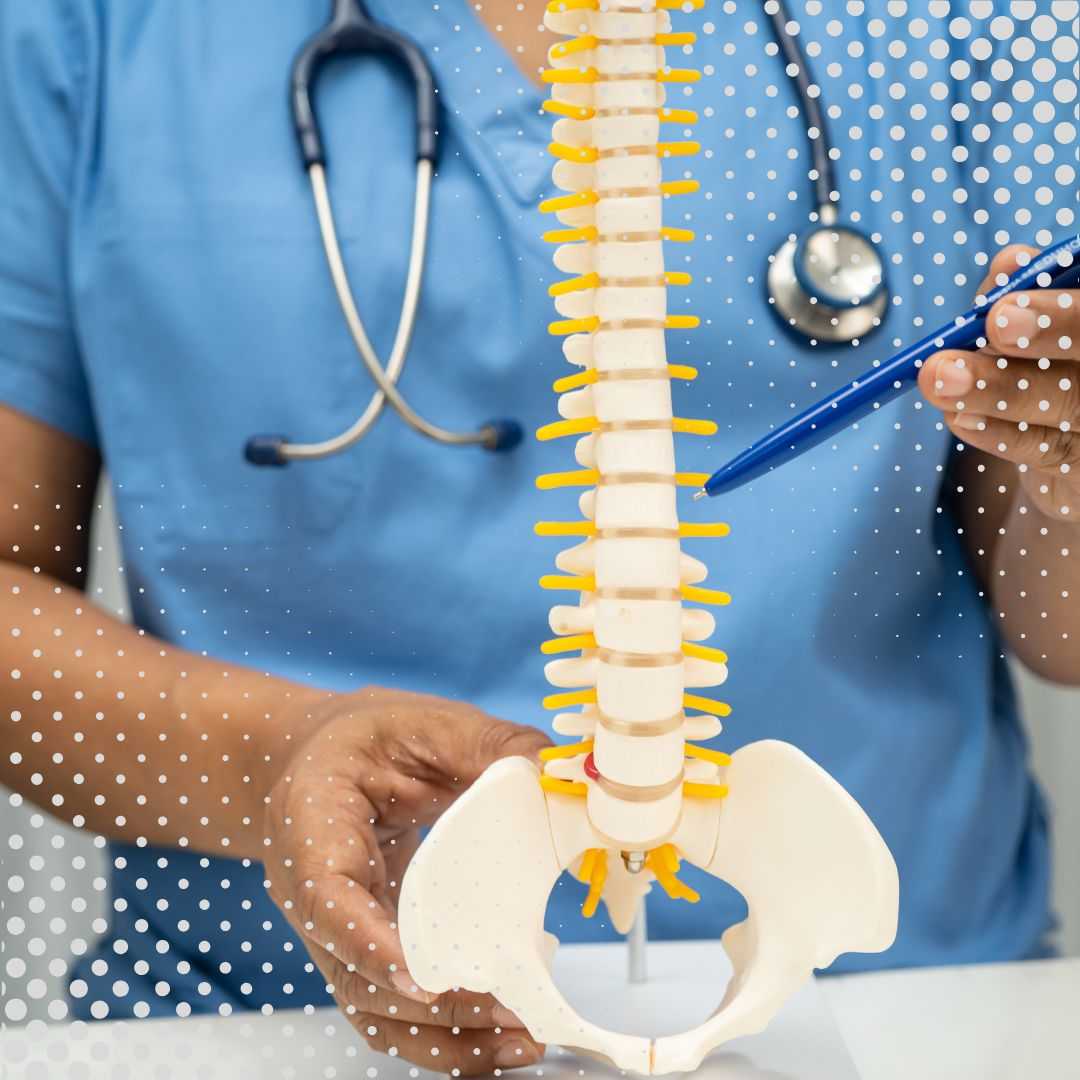
Spinal stenosis is a common condition that typically develops as people age, though it can also be caused by injuries, tumors, or congenital factors. It occurs when the spinal canal, which houses the spinal cord and nerve roots, becomes constricted. This narrowing can be due to several factors, including thickened ligaments, bone spurs (osteophytes), bulging or herniated discs, and degenerative arthritis (osteoarthritis) of the spine.
The pressure on the nerves within the narrowed spinal canal can cause a range of symptoms. These often include pain, tingling, numbness, and muscle weakness in the lower back, buttocks, and legs. Symptoms are often exacerbated by standing or walking and may be relieved by sitting or leaning forward. The severity of symptoms can vary widely, from mild discomfort to debilitating pain that significantly affects mobility and quality of life.
How does stem cell therapy work for spinal stenosis?
Stem cell therapy leverages the unique ability of stem cells to differentiate into various cell types and to promote tissue regeneration. For spinal stenosis, mesenchymal stem cells (MSCs) are often used. These cells are typically harvested from a patient's own bone marrow or adipose (fat) tissue, ensuring biocompatibility and minimizing rejection risks. Once processed, these concentrated cells are precisely injected into the damaged areas of the spine, such as degenerated discs, ligaments, or facet joints.
The injected stem cells work through several mechanisms. They possess strong anti-inflammatory properties, which can help to reduce swelling and pain in the compressed spinal area. Furthermore, stem cells release growth factors and cytokines that stimulate the body's own healing processes, encouraging the repair and regeneration of damaged cartilage, bone, and disc tissue. This regenerative potential can help to restore the structural integrity of the spinal components, potentially increasing the space around the nerves and alleviating pressure.
The goal is to not only reduce symptoms but also to address the underlying degenerative changes that contribute to spinal stenosis, offering a more long-term solution compared to symptomatic treatments. The exact protocol, including the type and source of stem cells, as well as the number of injections, will depend on the individual patient's condition and the specific approach chosen by the medical professional.
Is stem cell therapy for spinal stenosis approved in Malaysia?
Malaysia has a progressive stance on regenerative medicine, including stem cell therapies, balancing innovation with patient safety. The country's Ministry of Health (MOH) oversees the regulation of cell and gene therapy products (CGTPs), ensuring that treatments offered meet stringent safety and efficacy standards. While broad approval for all stem cell applications might still be evolving, specific protocols and indications for therapies, including those for degenerative conditions like spinal stenosis, are available through licensed medical facilities.
Patients considering stem cell therapy for spinal stenosis in Malaysia should ensure that the clinic and the treatment protocol are compliant with the local regulations. This typically means that the therapy is administered by qualified medical professionals in accredited facilities, often as part of approved clinical research or under specific compassionate use programs. It is crucial to consult with a medical professional in Malaysia to understand the current regulatory landscape and the availability of specific stem cell treatments for your condition.
What are the reported success rates of stem cell therapy for spinal stenosis?
The effectiveness of stem cell therapy for spinal stenosis is a subject of ongoing research and clinical observation. While large-scale, long-term randomized controlled trials are still developing, existing studies and clinical experiences offer encouraging data. Many patients undergoing stem cell therapy for spinal stenosis report noticeable improvements in their symptoms, including reduced pain, decreased numbness, and enhanced mobility. These improvements can lead to a significant increase in their quality of life, allowing them to perform daily activities with greater ease.
It's important to understand that "success" can be measured in various ways, from complete pain resolution to a substantial reduction in symptoms that lessens the need for pain medication or further invasive procedures. Factors influencing success rates include the severity of the stenosis, the patient's overall health, the source and type of stem cells used, and the precision of the injection. While some individuals may experience remarkable recovery, others might find more modest but still meaningful relief.
Patients should have realistic expectations and discuss potential outcomes thoroughly with their medical team. The therapy is generally considered to be most effective for patients with mild to moderate stenosis and those who have not responded well to conventional non-surgical treatments.
Who is a suitable candidate for stem cell therapy for spinal stenosis?
Determining suitability for stem cell therapy for spinal stenosis involves a comprehensive medical evaluation by a qualified specialist. Ideal candidates often present with chronic back and leg pain, numbness, or weakness attributable to spinal stenosis, particularly if these symptoms have not significantly improved with physical therapy, medication, or other conventional non-surgical approaches. The degree of stenosis is also a factor; patients with severe spinal cord compression may require surgical intervention.
General health plays a crucial role. Patients should ideally be free from active infections, certain types of cancer, or severe underlying medical conditions that could compromise the safety or effectiveness of the procedure. A detailed review of the patient's medical history, imaging studies (such as MRI scans), and a physical examination are essential to confirm the diagnosis and assess the extent of the spinal degeneration. The goal is to ensure that stem cell therapy offers a reasonable prospect of benefit with minimal risks.
Contraindications may include uncontrolled diabetes, specific blood disorders, or certain autoimmune conditions. The medical team will evaluate each case individually to determine if stem cell therapy is the most appropriate and beneficial treatment option, ensuring patient safety and maximizing potential outcomes.
What are the potential risks and side effects of stem cell therapy for spinal stenosis?
As with any medical procedure, stem cell therapy carries some potential risks and side effects, though generally considered to be minimal, especially when using autologous cells (cells from the patient's own body). Most reported side effects are associated with the injection process itself, rather than the stem cells. These can include temporary localized pain, bruising, or swelling at the injection site or at the site where stem cells were harvested (e.g., hip for bone marrow, abdomen for fat).
More serious, though rare, risks can include infection, bleeding, or nerve damage from the injection. There is also a theoretical risk of adverse immune reactions, though this is significantly reduced with autologous stem cells. Patients should be monitored for any signs of allergic reaction or systemic issues. It is important to choose a reputable clinic with experienced medical professionals who adhere to strict sterile techniques and safety protocols to mitigate these risks.
Patients should always discuss all potential risks and benefits with their treating physician before undergoing stem cell therapy. Understanding these possibilities allows for informed decision-making and ensures that any post-procedure symptoms are promptly addressed. Serious complications from properly administered stem cell therapies for spinal conditions are generally uncommon.
What is the typical cost of stem cell therapy for spinal stenosis in Malaysia?
The cost of stem cell therapy for spinal stenosis in Malaysia is a significant consideration for many patients, especially those traveling for medical tourism. The exact price can vary widely based on several factors. These include the complexity of the patient's condition, the source of the stem cells (e.g., bone marrow aspirate concentrate (BMAC) or adipose-derived stem cells (ADSCs)), the number of treatment sessions needed, and the specific medical facility or clinic chosen. Generally, the costs are competitive when compared to Western countries, often offering high-quality treatment at a more affordable price point.
Patients should expect the total cost to encompass not only the stem cell procedure itself but potentially also pre-treatment consultations, diagnostic imaging (like MRI scans), post-treatment follow-ups, and any necessary medications. It is advisable to obtain a detailed cost breakdown from the medical provider beforehand to understand what is included in the quoted price.
When comparing costs, it's also important to consider the overall value, which includes the expertise of the medical team, the quality of the facility, and the level of personalized care. Malaysia's reputation for high-quality, cost-effective medical care makes it an attractive destination for advanced treatments like stem cell therapy.
Why consider Malaysia for spinal stenosis stem cell treatment?
Malaysia has firmly established itself as a leading destination for medical tourism, attracting patients from around the globe seeking high-quality healthcare services. For individuals considering stem cell therapy for spinal stenosis, Malaysia offers several distinct advantages. The country boasts state-of-the-art medical facilities equipped with modern technology and staffed by internationally trained and experienced medical professionals. Many doctors and surgeons in Malaysia have specialized training in regenerative medicine and spinal care, ensuring a high standard of treatment.
Furthermore, the cost-effectiveness of medical treatments in Malaysia is a significant draw. Patients can often receive advanced therapies, including stem cell procedures, at a fraction of the cost compared to similar treatments in Western countries, without compromising on quality or safety. The Malaysian government actively supports and regulates the medical tourism industry, ensuring that facilities adhere to strict international standards and provide transparent pricing.
Beyond the medical aspects, Malaysia offers a comfortable and welcoming environment for international patients. English is widely spoken, facilitating easy communication, and the country's rich cultural diversity and excellent hospitality services contribute to a positive overall patient experience. This combination of medical excellence, affordability, and patient-centric services makes Malaysia an appealing choice for those seeking stem cell therapy for spinal stenosis.
How long does it take to see results after stem cell therapy for spinal stenosis?
The timeline for experiencing results after stem cell therapy for spinal stenosis can vary from patient to patient, as the regenerative process is gradual and depends on individual healing capabilities and the severity of the condition. While some patients might report subtle improvements in pain or mobility within a few weeks, more significant and sustained benefits typically become evident after 1 to 2 months. This initial period allows the anti-inflammatory effects of the stem cells to reduce swelling and irritation around the nerves.
As the stem cells continue their work, promoting tissue repair and regeneration, patients often experience progressive improvement over the subsequent months. The full benefits of the therapy, such as increased functional ability and reduced reliance on pain medication, often manifest between 3 to 6 months post-treatment. It's crucial for patients to understand that stem cell therapy is not an instant cure but rather a biological process that encourages the body's natural healing mechanisms.
Adherence to post-treatment guidelines, including physical therapy and lifestyle modifications, can also play a crucial role in optimizing and accelerating recovery. Regular follow-ups with the medical team are important to monitor progress and address any concerns throughout the healing period.
What alternative treatments are available for spinal stenosis in Malaysia?
For individuals diagnosed with spinal stenosis, a range of treatment options are available in Malaysia, catering to varying degrees of severity and patient preferences. These treatments can broadly be categorized into conservative (non-surgical) and surgical approaches. Conservative treatments are often the first line of defense, aiming to manage symptoms and improve function without invasive procedures.
Non-Surgical Treatments:
- Physical Therapy: Exercises to strengthen core muscles, improve posture, and increase flexibility can alleviate pressure on spinal nerves.
- Medications: Pain relievers (NSAIDs), muscle relaxants, and nerve pain medications can help manage symptoms.
- Epidural Steroid Injections: Corticosteroids injected into the epidural space can reduce inflammation and pain around the nerve roots.
- Chiropractic Care and Acupuncture: Some patients find relief through these complementary therapies.
Surgical Treatments:
When conservative treatments fail to provide adequate relief, or in cases of severe nerve compression causing progressive neurological deficits, surgical options may be considered. These include:
- Laminectomy: The most common surgery for spinal stenosis, it involves removing part of the vertebral bone (lamina) to create more space for the nerves.
- Laminotomy: A less invasive procedure where only a small part of the lamina is removed.
- Spinal Fusion: May be performed alongside laminectomy to stabilize the spine, especially if there is instability or multiple levels are affected. This involves permanently joining two or more vertebrae.
- Minimally Invasive Spine Surgery (MISS): These techniques use smaller incisions and specialized instruments to reduce tissue damage and recovery time.
The choice of treatment depends on the individual's specific condition, symptom severity, overall health, and personal preferences, all discussed in detail with a spinal specialist.
If you're exploring advanced healthcare solutions or medical tourism options for spinal stenosis or other conditions, PlacidWay can connect you with leading global healthcare providers. Explore our comprehensive services to find the right treatment path for you.

.png)


.png)

.png)
.png)





Share this listing