


How Many Cryotherapy Sessions Do Patients with Arthritis and Joint Pain Typically Need to Experience Relief?
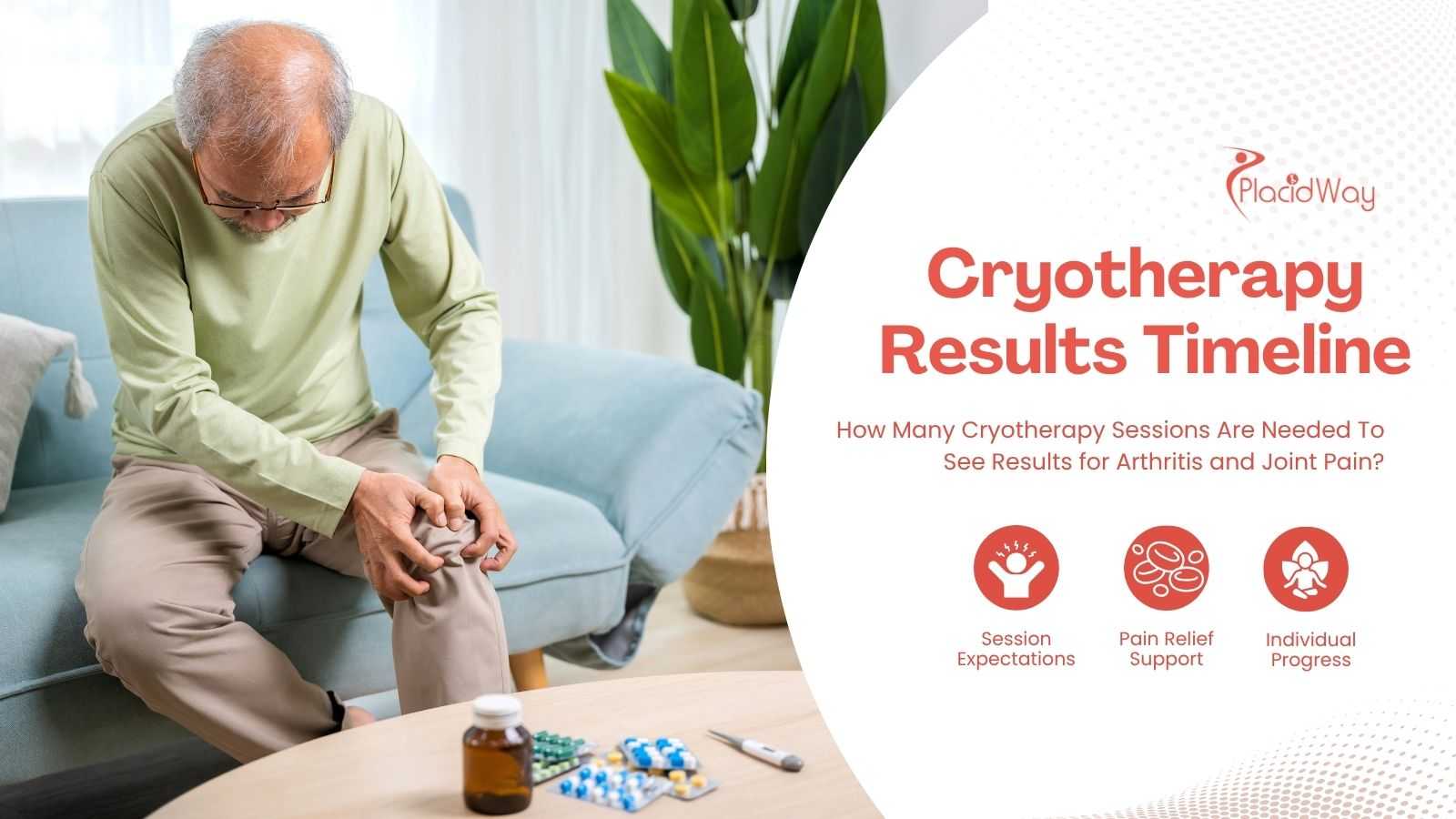
Patients typically need ten to twenty cryotherapy sessions to see significant results for arthritis and chronic joint pain. While initial relief may occur after one to three sessions, sustained systemic healing requires consistent weekly treatments.
Key Takeaways: Maximizing Joint Pain Relief
- Cumulative Healing: The biological benefits of extreme cold exposure stack over time, requiring a dedicated protocol of multiple sessions for chronic conditions.
- Systemic Anti-Inflammation: Treatments dramatically lower inflammatory cytokine markers in the bloodstream, providing relief for widespread autoimmune arthritis.
- Endorphin Release: The rapid drop in skin temperature triggers the central nervous system to release natural painkillers, improving overall daily mobility.
- Global Accessibility: Exploring medical tourism for cryotherapy allows patients to access premium rehabilitation technologies at highly competitive rates.
How does whole body cryotherapy specifically reduce arthritis joint pain?
Whole body treatments reduce arthritis pain by rapidly lowering skin temperature, triggering a systemic anti-inflammatory response. This cold shock drastically reduces inflammatory markers and floods the joints with highly oxygenated blood.
When you step into a sub-zero chamber, your brain detects the extreme cold and immediately shifts into a protective survival mode. It pulls blood away from the extremities and joints, drawing it into the vital organs in the core. During this highly concentrated process, the blood is heavily enriched with oxygen, crucial enzymes, and essential nutrients.
Once you exit the chamber and return to normal room temperature, this newly enriched, hyper-oxygenated blood rushes back out to the peripheral tissues and inflamed joints. This massive influx of fresh blood helps flush out built-up metabolic waste products and severe inflammatory markers that cause the chronic swelling and stiffness associated with arthritis.
Furthermore, the intense cold exposure highly stimulates the central nervous system to release endorphins and norepinephrine. These natural biochemicals act as powerful endogenous analgesics, providing patients with immediate, profound pain relief that can easily last for hours or even days after completing a single short session.
What is the recommended frequency of cryotherapy sessions for severe arthritis?
For severe arthritis, specialists recommend an initial intensive phase of three to five sessions per week for the first two weeks. After achieving baseline relief, patients transition to a maintenance phase of one to two times weekly.
- The Loading Phase: Hitting the body with frequent, clustered sessions shocks the immune system into halting chronic inflammatory loops that have been active for years.
- Cellular Reset: Daily exposure during the first week ensures that the newly oxygenated blood constantly flushes the joints before inflammation has a chance to return fully.
- Evaluating Progress: After ten total sessions, the presiding physiotherapist will deeply evaluate improvements in joint mobility and overall morning stiffness to adjust the protocol.
- Maintenance Schedule: Once the intense swelling is under control, spreading treatments out to twice a week provides enough physiological stimulation to maintain the pain free state.
- Flare Up Management: If an unexpected arthritis flare up occurs due to weather changes or stress, patients can temporarily increase their session frequency to intercept the pain rapidly.
What is the difference between localized and whole body treatments for joint pain?
Localized treatments target one specific joint with a wand of cold air, acting like an advanced ice pack. Whole body chambers enclose the entire person, treating systemic immune responses and widespread pain simultaneously.
Localized therapy utilizes a handheld device that blows vaporized nitrogen directly onto a specific area, such as a swollen knee or an inflamed elbow. This targeted approach is highly beneficial for acute sports injuries or patients suffering from isolated osteoarthritis in just one single joint. It provides intense, localized vasoconstriction to stop swelling instantly.
Conversely, whole body chambers are vastly superior for patients managing systemic conditions like rheumatoid arthritis or fibromyalgia. Because these conditions affect multiple joints and involve the entire immune system, lowering the temperature of the whole body is necessary to trigger the massive central nervous system reset required for profound relief.
Many elite rehabilitation centers actually combine both modalities for maximum clinical efficacy. A patient might undergo a three minute full body session to calm their central nervous system, followed immediately by five minutes of localized air focused entirely on their most degenerated, painful joint to push the localized inflammation out completely.
How long do the pain relief benefits of cryotherapy actually last?
After a single session, pain relief typically lasts anywhere from a few hours to a couple of days due to the endorphin release. After completing a full protocol of twenty sessions, patients often enjoy weeks or months of sustained relief.
- Immediate Post-Session Window: The massive rush of norepinephrine provides an instant energy boost and almost complete numbness to chronic aches for roughly six to eight hours.
- Short Term Relief: As the core body temperature normalizes, the heavy anti-inflammatory effects continue working in the background, keeping joints relatively loose for about forty eight hours.
- Long Term Cumulative Effects: When sessions are stacked closely together over a month, the body physically alters its baseline inflammatory response, leading to heavily prolonged periods of remission.
- Lifestyle Dependencies: The duration of relief heavily depends on the patient pairing the therapy with an anti-inflammatory diet and proper physical therapy exercises to keep the joints properly lubricated.
- Individual Variability: Patients with severe autoimmune conditions may metabolize the benefits faster and require more frequent maintenance visits compared to those with mild, age-related joint wear and tear.
What are the main contraindications and safety risks of extreme cold therapy?
Extreme cold therapy is incredibly safe for most, but it is strictly contraindicated for individuals with severe hypertension, active cardiovascular disease, or cold allergy conditions like Raynaud disease.
Because entering a sub zero environment causes massive and immediate vasoconstriction, the heart must temporarily pump much harder to circulate blood. For a healthy individual, this is a beneficial cardiovascular workout. However, for a patient with uncontrolled high blood pressure or a recent history of heart attacks, this sudden cardiovascular strain can be extremely dangerous.
Additionally, patients suffering from severe neuropathy or nerve damage must be thoroughly evaluated before starting treatment. If a patient cannot accurately feel the cold on their extremities, they might not realize if a specific patch of skin is becoming dangerously cold, heavily increasing the risk of localized frostbite.
Pregnant women are universally advised to avoid whole body chambers entirely. The sudden changes in core blood flow and the massive release of central nervous system hormones create an unpredictable internal environment that has not been proven safe for fetal development through comprehensive medical trials.
How does cryotherapy cost compare when exploring global medical tourism?
The cryotherapy cost drops significantly when bundled into comprehensive wellness packages abroad. International clinics frequently offer entire month-long unlimited treatment protocols for the price of just a few domestic sessions.
- Bundled Pricing Models: International centers routinely package daily cold treatments alongside physical therapy, acupuncture, and massage, offering massive discounts compared to paying for each modality separately.
- Lower Overhead Costs: Facilities operating in medical tourism hubs benefit from lower administrative and facility overhead, passing those deep operational savings directly onto the visiting international patients.
- Extended Stay Benefits: Because arthritis requires multiple sessions to see lasting results, booking a two week intensive retreat abroad is frequently more economical than dragging out expensive single sessions back home.
- Access to Advanced Tech: Many international wellness resorts invest heavily in premium electric chambers that accommodate multiple people, which lowers the overall operational cost per individual patient session.
- All-Inclusive Healing: High end facilities heavily integrate nutritional counseling and specialized anti-inflammatory diets into the overall price, providing a total holistic approach to joint repair.
What technology should a top tier cryotherapy clinic utilize for arthritis care?
A premier cryotherapy clinic should utilize fully electric, multi-person walk-in chambers rather than older nitrogen saunas. Electric chambers provide a much safer, uniform cooling experience that encompasses the entire head and neck.
Historically, most centers utilized nitrogen-cooled cryosaunas. These are the cylindrical tanks where the head of the patient sticks out the top, and nitrogen gas swirls around the body. While effective, they do not cool the highly vascularized head and neck regions, missing out on crucial vagus nerve stimulation which is vital for calming systemic inflammation.
Modern elite facilities have upgraded entirely to fully electric walk-in chambers. These machines look like large freezers with glass doors and use highly advanced refrigeration technology to cool oxygenated ambient air. Because there is no hazardous nitrogen gas involved, patients can safely submerge their entire body, including their head, for a much more powerful therapeutic effect.
Furthermore, electric chambers offer vastly superior temperature consistency. Nitrogen tanks can have severe temperature fluctuations depending on how much gas is currently in the lines, resulting in uneven cooling. Electric chambers maintain a perfectly precise sub zero climate, ensuring that every arthritis patient receives the exact clinical dosage required to shock their immune system effectively.
Why is medical tourism for cryotherapy becoming popular for chronic pain patients?
Medical tourism for cryotherapy allows patients to completely remove themselves from their stressful home environments and dedicate two uninterrupted weeks to intensive, multi disciplinary pain rehabilitation.
- Stress Free Environment: Leaving behind demanding corporate jobs and exhausting domestic chores drastically lowers daily cortisol levels, making the body much more receptive to anti-inflammatory therapies.
- Protocol Adherence: When staying at an immersive wellness resort, patients cannot skip their scheduled treatments. This forced consistency is exactly what is needed to break long standing cycles of severe joint pain.
- Comprehensive Integration: Traveling abroad allows patients to easily combine their cold treatments with advanced stem cell therapies or specialized physical rehabilitation that might not be legally available locally.
- Climate Optimization: Many patients suffering from arthritis intentionally travel to facilities located in warm, perfectly dry climates to ensure their joints stay loose and comfortable between intense cold sessions.
- Mental Rejuvenation: Chronic pain is incredibly taxing on mental health. Turning medical treatment into a deeply restorative vacation heavily combats the severe depression that frequently accompanies autoimmune conditions.
Why choose PlacidWay for your international cryotherapy and wellness journey?
PlacidWay seamlessly connects chronic pain patients with globally accredited wellness centers offering advanced therapeutic protocols. We ensure complete price transparency and rigorous safety vetting for all our partnered medical facilities.
- Rigorous Facility Vetting: We exclusively partner with fully accredited clinics that utilize state of the art, medically certified chambers and employ licensed healthcare professionals to intensely monitor every single session.
- Complete Price Transparency: Our secure platform provides crystal clear upfront estimates for comprehensive pain management programs, totally eliminating the anxiety of hidden facility fees or unexpected consultation surcharges.
- Specialized Program Matching: We deeply understand that every arthritis patient has highly unique physical limitations. We carefully match you with clinical facilities that specialize in your specific autoimmune or osteoarthritis requirements.
- Dedicated Patient Advocacy: Our highly compassionate support team expertly manages all direct hospital communications, ensuring your specific medical history and current pain levels are clearly understood by the treating physicians before you arrive.
- Comprehensive Medical Coordination: We safely facilitate the secure transfer of your sensitive rheumatology records directly to the international clinical boards, ensuring seamless, uninterrupted therapeutic care upon your arrival at the clinic.
Frequently Asked Questions About Cryotherapy for Joint Pain
Can cryotherapy cure rheumatoid arthritis?
Cryotherapy cannot cure rheumatoid arthritis or any other autoimmune disease. However, it is an extremely effective adjunctive therapy for managing daily symptoms, heavily reducing systemic inflammation, and improving overall joint mobility so patients can live more comfortably.
How cold does a whole body cryotherapy chamber actually get?
Professional whole body cryotherapy chambers typically reach temperatures between negative two hundred and negative three hundred degrees Fahrenheit. This extreme cold is achieved using vaporized liquid nitrogen or specialized electrical cooling systems designed for clinical use.
How long does a single whole body cryotherapy session last?
A standard session lasts between two and three minutes. Because the temperature is so extreme, exposing the body for any longer than three minutes can increase the risk of skin damage or frostbite, making short and highly regulated bursts the safest approach.
Do you have to take your clothes off for whole body cryotherapy?
Patients are required to wear minimal clothing to expose as much skin as possible to the cold air. Men typically wear shorts, and women wear shorts and a sports bra. Both must wear protective gloves, socks, and slippers to protect their vulnerable extremities.
Is cryotherapy painful for already sensitive and inflamed joints?
The treatment is intensely cold but is not typically described as painful. The cold is a completely dry cold, which is much more tolerable than an ice bath. Most patients report a strong tingling or prickling sensation rather than actual physical pain during the short session.
Can I exercise immediately after a cryotherapy session?
Yes, light exercise after a session is highly encouraged by physiotherapists. Engaging in ten to fifteen minutes of stationary biking or brisk walking helps rapidly recirculate the hyper-oxygenated blood throughout the body and warms up the core temperature safely.
Does health insurance cover cryotherapy for severe arthritis?
Currently, most health insurance providers consider whole body cryotherapy to be an elective or alternative wellness treatment and do not offer direct coverage. Patients typically pay out of pocket or utilize specialized health savings accounts to fund their treatment packages.
Can seniors with severe osteoarthritis safely use cryotherapy chambers?
Seniors can safely use these chambers provided they have full medical clearance from a cardiologist. Because the extreme cold temporarily spikes blood pressure, it is vital to ensure that elderly patients do not have severe untreated cardiovascular conditions before entering.
What is the clinical success rate of cryotherapy for joint inflammation?
Clinical studies show very high patient satisfaction rates, with over seventy percent of frequent users reporting significant reductions in morning stiffness and joint pain. Success depends heavily on the patient maintaining a consistent schedule of multiple sessions per week.
How quickly will I feel relief after leaving the cryo chamber?
Most patients experience an immediate surge of endorphins and a noticeable reduction in acute pain within five to ten minutes of stepping out of the chamber. This immediate relief is due to the rapid numbing of nerve endings and the sudden rush of oxygenated blood.
Experience Lasting Joint Relief Worldwide
* Responses typically within 24 hours. Complete privacy guaranteed.
References
- Whole-Body Cryotherapy in Rehabilitation – National Center for Biotechnology Information
- Effects of whole-body cryotherapy on arthritis – PubMed
- Cryotherapy for Arthritis Pain – Arthritis Foundation
- Cryotherapy Treatments and Benefits – Cleveland Clinic
- Does cryotherapy relieve pain? – Harvard Health Publishing
- Rheumatoid Arthritis Fact Sheet – World Health Organization
.jpg)










Share this listing