


Can Herbal Medicine Be Used Safely Alongside Prescription Medications and Chemotherapy?
Combining herbal medicine with prescription pharmaceuticals and chemotherapy poses significant safety risks due to severe drug interactions. Botanicals can alter liver enzymes, reducing drug efficacy or increasing dangerous systemic toxicities.
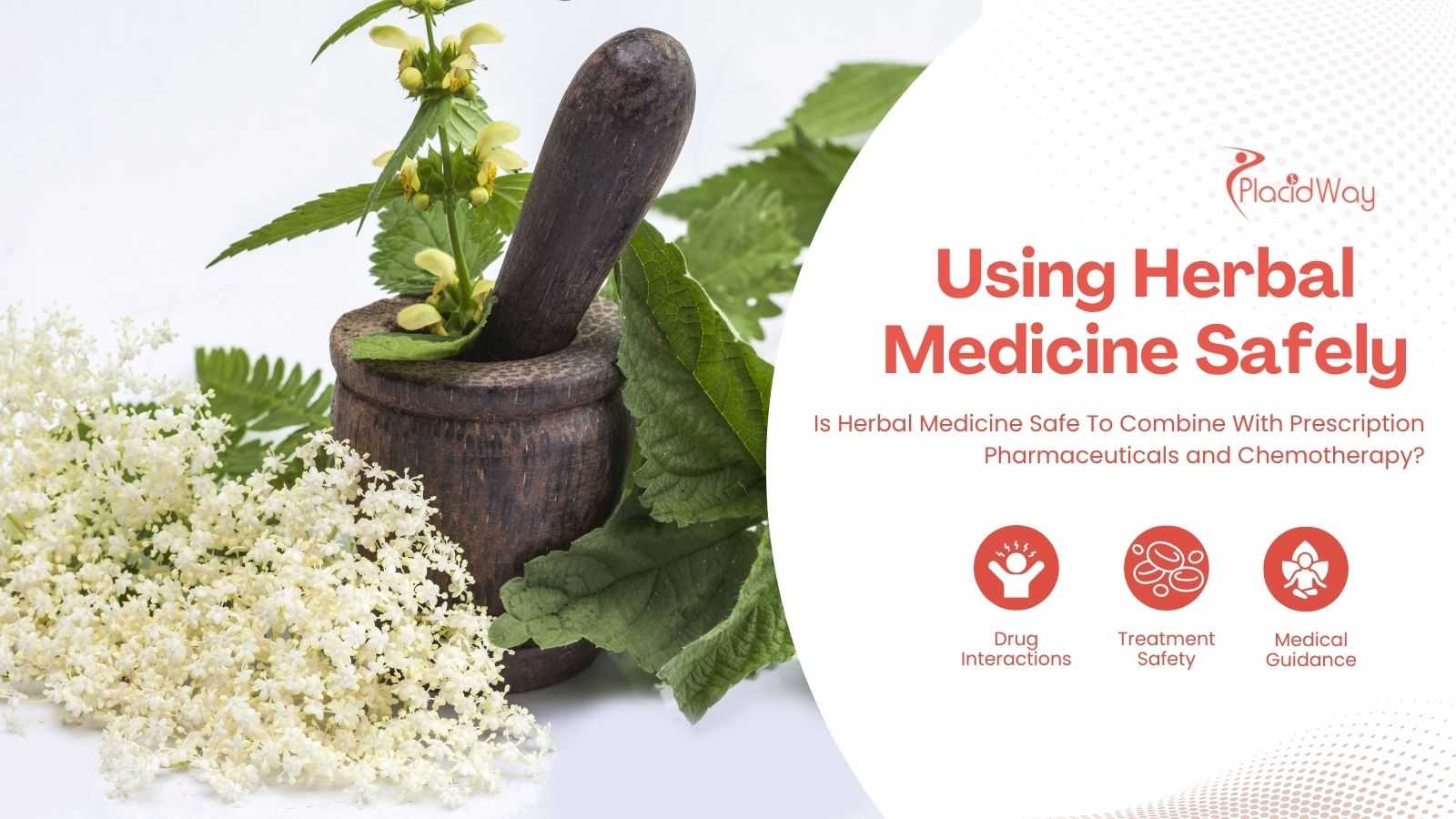
Key Takeaways: Integrative Safety and Risks
- Metabolic Disruption: Plant compounds frequently alter how the liver processes life saving pharmaceutical drugs.
- Toxicity Amplification: Certain botanicals can prevent the clearance of chemicals, leading to fatal systemic toxicity.
- Antioxidant Interference: High dose natural antioxidants can actively repair the cellular damage that radiation therapy intends to inflict on tumors.
- Surgical Bleeding: Common supplements like garlic and ginkgo dramatically increase the risk of severe hemorrhaging during operations.
- Global Medical Tourism: Patients can access elite international clinics that safely integrate holistic therapies with conventional oncology.
How do herbal supplements interact with chemotherapy drugs?
Herbal supplements interact with chemotherapy by altering how the body absorbs, metabolizes, and excretes pharmaceutical agents. This can either dangerously magnify drug toxicity or completely neutralize the life saving effects of the treatment.
The primary mechanism of interaction occurs within the digestive tract and the liver. When a patient consumes an oral pharmaceutical, it must pass through the intestinal wall and be processed by hepatic enzymes before entering the bloodstream. Many potent botanical medicines contain active phytochemicals that physically bind to these same transport proteins. This competition means that the pharmaceutical drug may not be absorbed into the body at the correct, clinically calculated dose, leaving the patient vastly under treated and allowing disease progression.
Conversely, interaction can cause massive overdose events. If an herbal supplement blocks the specific liver pathway responsible for breaking down a highly toxic chemotherapy agent, the chemical remains trapped in the bloodstream. Rather than being safely excreted through the kidneys, the drug circulates endlessly, destroying healthy bone marrow, damaging the heart muscle, and potentially leading to multi organ failure.
Furthermore, certain plants impact renal clearance. The kidneys act as the final filtration system for pharmaceutical waste. If a botanical acts as a heavy diuretic or alters the pH of the urine, it can force the kidneys to rapidly flush out the chemotherapy drugs hours before they have had adequate time to perform their necessary destructive actions upon the malignant cells.
What specific herbs are strictly contraindicated during cancer treatment?
Botanicals like St Johns Wort, garlic, ginkgo biloba, and echinacea are strictly contraindicated during active cancer therapy. These specific plants severely disrupt drug metabolism and increase the risk of massive surgical bleeding.
- St Johns Wort: This popular mood enhancing herb violently accelerates liver enzymes, causing chemotherapy drugs to be destroyed and eliminated from the body entirely too fast.
- Ginkgo Biloba: Widely used for memory enhancement, this botanical drastically thins the blood and increases the risk of intracranial hemorrhaging, especially when combined with targeted therapies.
- Echinacea: Because it actively stimulates the immune system, it directly counteracts the intentional immunosuppressive effects required prior to bone marrow transplants.
- Garlic Extracts: High dose garlic supplements inhibit platelet aggregation, presenting a catastrophic bleeding risk for oncology patients requiring surgical tumor resections.
- Ginseng: This root contains phytoestrogens which can actively feed and accelerate the growth of hormone receptor positive tumors, such as specific breast and prostate malignancies.
The term natural does not equate to harmless. Digitalis, a common heart medication, and paclitaxel, a powerful chemotherapy drug, are both originally derived directly from highly toxic botanical plants found in nature.
Can herbal medicine protect healthy cells from chemotherapy toxicity?
Certain integrative therapies show potential in protecting healthy cellular structures from chemotherapy toxicity when administered under strict oncological supervision. However, taking these without medical guidance risks protecting the cancer cells as well.
The core premise of integrative oncology is utilizing natural compounds to mitigate the devastating collateral damage caused by harsh chemical treatments. For instance, specific formulations derived from medicinal mushrooms are currently being researched for their ability to protect white blood cell counts, thereby preventing the severe immune crashes that force patients to delay their life saving treatments.
However, the biological mechanism that protects a healthy cell from toxicity is often the exact same mechanism that protects a malignant cell. If a patient arbitrarily consumes a powerful botanical antioxidant to protect their liver, that same antioxidant may enter the tumor microenvironment and shield the malignant cells from the oxidative stress that the chemotherapy is intentionally generating to destroy them.
Therefore, the administration of protective botanicals must be impeccably timed. Certified integrative oncologists often wait until the half life of the pharmaceutical drug has passed before introducing protective plant medicines, ensuring the chemical has completed its primary destructive task before the rescue protocols are initiated.
Why do patients fail to disclose herbal supplement use to oncologists?
Patients frequently fail to disclose their botanical use due to a fear of physician judgment or a false belief that natural products are inherently harmless. This critical communication breakdown leads to devastating adverse clinical events.
A significant communication barrier exists within modern healthcare settings regarding holistic modalities. Many patients seek out botanical medicines because they feel a profound loss of control over their bodies following a severe diagnosis. Supplements offer a psychological sense of agency and empowerment. However, patients often hide this practice from their primary care teams because they anticipate a dismissive or hostile reaction from conventionally trained physicians.
Additionally, the marketing surrounding the supplement industry heavily promotes the fallacy that because a product is entirely plant based, it cannot possibly cause physiological harm. Patients routinely list their pharmaceutical prescriptions on medical intake forms but completely omit highly potent concentrated plant extracts, viewing them simply as daily vitamins rather than active pharmacological agents.
This dangerous lack of transparency forces oncologists to fly blind. When a patient experiences an unexpected severe toxicity or a sudden drop in drug efficacy, the medical team will incorrectly assume the pharmaceutical dosage is wrong, entirely unaware that a hidden botanical supplement is secretly driving the massive physiological dysfunction.
How does St Johns Wort interfere with prescription pharmaceuticals?
St Johns Wort aggressively induces the cytochrome P450 enzyme pathway in the liver, drastically accelerating the breakdown of numerous prescription medications. This rapid metabolism causes the drugs to leave the bloodstream before they can act.
- Enzyme Induction: The active compounds in the plant force the liver to produce massive quantities of metabolic enzymes, hyper activating the body clearing mechanisms.
- Treatment Failure: Because the liver is working at double speed, vital oncology medications are metabolized and flushed out before reaching the tumor site, resulting in total treatment failure.
- Cardiovascular Risks: It severely reduces the blood concentration of essential heart medications, risking sudden cardiac events during physically taxing treatments.
- Antidepressant Syndrome: When combined with pharmaceutical antidepressants, it can trigger serotonin syndrome, a potentially fatal neurological condition characterized by high fever and seizures.
- Prolonged Effects: The enzyme induction caused by this specific plant can last for several weeks even after the patient stops taking the supplement, requiring delayed surgical interventions.
Are antioxidant supplements safe to take during radiation therapy?
High dose antioxidant supplements are generally considered highly unsafe during active radiation therapy because they repair the cellular damage that the radiation is actively trying to inflict upon the tumor.
Radiation therapy functions by generating massive amounts of localized free radicals and reactive oxygen species directly inside the targeted tumor. This concentrated oxidative stress shatters the DNA of the malignant cells, rendering them completely unable to replicate and forcing them into cellular death. This deliberate destruction is the entire foundation of the treatment protocol.
Antioxidants, such as high dose vitamin C, vitamin E, and powerful botanical extracts, possess the biological mandate to hunt down and neutralize free radicals. If a patient floods their bloodstream with these compounds during a radiation cycle, the antioxidants will rush to the tumor site and disarm the radiation induced oxidative stress, acting as a chemical shield for the disease.
Most global oncology guidelines strictly advise patients to acquire their antioxidants solely through a balanced whole food diet during active treatment. High concentration botanical extracts are strictly prohibited until post treatment scans confirm that the radiation has successfully achieved its maximum destructive goals.
What role does the cytochrome P450 enzyme system play in drug interactions?
The cytochrome P450 system is a family of liver enzymes responsible for detoxifying and metabolizing almost all pharmaceutical drugs. Herbal medicines can inhibit or induce these enzymes, fatally altering prescription drug concentrations in the blood.
The cytochrome P450 family, particularly the CYP3A4 variant, is the master metabolic clearinghouse of the human body. Whenever a patient swallows a pharmaceutical drug, these specialized liver enzymes act as chemical scissors, breaking the complex drug molecules down into smaller, water soluble pieces that the kidneys can safely excrete into the urine.
Botanical medicines contain hundreds of highly active phytochemicals that directly manipulate this system. If a plant compound acts as an enzyme inhibitor, it binds to the chemical scissors, preventing them from working. The pharmaceutical drug then builds up in the bloodstream day after day, ultimately reaching lethal toxicity levels without the patient ever changing their prescribed daily dose.
Conversely, if the plant acts as an enzyme inducer, the liver aggressively manufactures far too many chemical scissors. The life saving pharmaceutical is chopped up and discarded almost immediately upon entering the body, leaving the patient completely unprotected against their aggressive disease progression.
What clinical guidelines exist for combining botanicals with prescriptions?
Global clinical guidelines mandate that all botanical and dietary supplements be fully suspended at least two weeks prior to surgical interventions and strictly monitored during any chemical infusions to prevent unpredictable systemic toxicity.
- Pre Surgical Cessation: Due to severe bleeding risks and unpredictable interactions with anesthesia, all non essential botanical supplements must be halted fourteen days before any operation.
- Absolute Transparency: Patients are medically required to bring all physical supplement bottles to their oncology appointments so the medical team can verify the exact active ingredients.
- Symptom Management Focus: When integration is permitted, herbs are typically restricted to managing side effects like nausea or fatigue, rather than attempting to actively shrink tumors.
- Quality Control: Only products verified by independent third party testing laboratories should be utilized to ensure they do not contain hidden heavy metals or unlisted pharmaceutical adulterants.
- Staggered Dosing: If permitted, oral supplements and pharmaceutical pills must be taken several hours apart to prevent direct physical binding within the stomach lining.
Why Choose PlacidWay for integrative oncology and medical tourism?
PlacidWay connects patients with globally accredited integrative oncology centers that safely combine advanced conventional treatments with evidence based botanical therapies. We ensure you receive holistic care under strict medical supervision.
- Vetted Clinical Excellence: We exclusively partner with world renowned hospitals that employ board certified integrative oncologists who expertly understand complex herb drug interactions.
- Comprehensive Medical Coordination: Our specialized team securely transfers your complete medical history and current supplement lists to international tumor boards for rigorous pre treatment safety evaluations.
- Transparent Financial Planning: We provide crystal clear pricing estimates for complex, multi disciplinary integrative treatments, entirely eliminating the anxiety of hidden medical fees.
- Access to Advanced Modalities: Exploring medical tourism allows you to access highly advanced botanical therapies and holistic recovery protocols that may not be available or covered in your domestic healthcare system.
- Dedicated Patient Advocacy: Our compassionate support coordinators tirelessly manage all clinic communications, ensuring your desire for holistic integration is deeply respected and clinically safeguarded.
Frequently Asked Questions About Drug Interactions
Is it safe to drink green tea while undergoing chemotherapy?
Moderate consumption of green tea is generally safe, but taking highly concentrated green tea extract supplements can interfere with certain targeted therapies and chemical infusions due to their intense antioxidant properties.
Can ginger supplements reduce chemotherapy induced nausea?
Clinical evidence suggests that standardized ginger root can effectively reduce acute nausea when combined with standard antiemetic medications. However, it must be dosed carefully by an oncologist to prevent any risk of excessive bleeding.
Do garlic capsules interfere with blood thinning medications?
Yes, high dose garlic supplements act as natural blood thinners. Taking them alongside prescription anticoagulants drastically increases the risk of severe hemorrhaging and dangerous internal bleeding episodes.
Are turmeric supplements dangerous before surgical tumor removal?
Turmeric contains curcumin, which strongly inhibits platelet aggregation. Medical guidelines strictly advise patients to discontinue all turmeric supplements at least two weeks prior to any surgery to prevent catastrophic operative bleeding.
Can milk thistle protect the liver from chemotherapy damage?
While milk thistle shows powerful hepatoprotective qualities in isolated studies, it can also inhibit the specific liver enzymes required to clear chemotherapy from the body, potentially leading to a fatal buildup of toxic chemicals.
Why is grapefruit juice restricted during cancer treatments?
Grapefruit juice completely disables the cytochrome enzyme system in the intestinal tract. This prevents the body from breaking down oral chemotherapy drugs, causing drug levels in the blood to spike to highly toxic, life threatening concentrations.
Do ginseng supplements interact with targeted therapy drugs?
Ginseng is known to possess estrogenic properties and heavily stimulates the central nervous system. It can severely interfere with hormone based targeted therapies and disrupt cardiovascular medications prescribed to manage treatment side effects.
How long after chemotherapy is it safe to resume herbal medicine?
Patients should wait until all pharmaceutical agents have completely cleared their systemic circulation and their white blood cell counts have fully recovered. This timeline varies heavily by drug and requires explicit clearance from a medical oncologist.
Can medical tourism help me find certified integrative oncologists?
Yes, exploring global healthcare options allows patients to access world renowned facilities that seamlessly and safely integrate botanical medicine with advanced oncology treatments under rigorous, board certified medical supervision.
Does health insurance cover integrative herbal consultations?
Insurance coverage varies significantly based on your provider and policy. While conventional oncology is typically covered, specialized consultations for botanical integration are frequently considered elective and require out of pocket payment.
Safely Integrate Holistic Care Into Your Journey
* Responses typically within 24 hours. Complete privacy guaranteed.
References
- Complementary and Alternative Medicine – National Cancer Institute
- Cancer and Complementary Health Approaches – National Center for Complementary and Integrative Health
- Herb Drug Interactions in Oncology – National Center for Biotechnology Information
- Patient and Survivor Care Guidelines – American Society of Clinical Oncology
- St Johns Wort and Pharmacokinetic Interactions – PubMed
- Mixing Medications and Dietary Supplements – U.S. Food and Drug Administration
.jpg)










Share this listing