


How Reiki Supports Pain Relief, Anxiety Management, and Emotional Well-Being
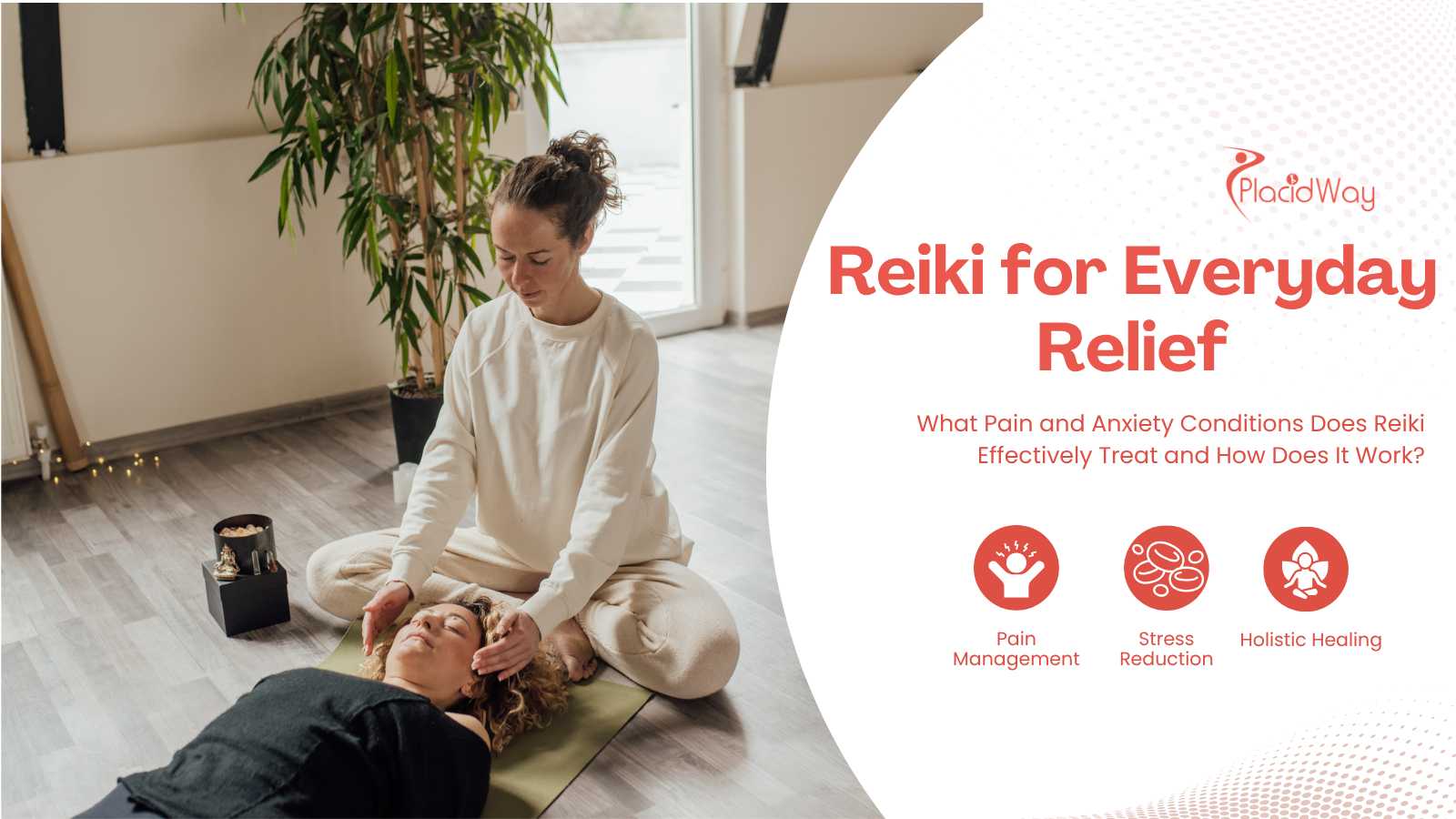
Reiki effectively treats chronic tension headaches, postoperative pain, fibromyalgia, and severe generalized anxiety. It works by activating the parasympathetic nervous system, lowering heart rate, and reducing cortisol to promote deep cellular healing.
Key Takeaways: Healing Through Energy Medicine
- Nervous System Regulation: Actively shifts the body from sympathetic fight-or-flight into parasympathetic rest-and-digest states.
- Pain Modulation: Alters pain perception pathways, offering significant relief for chronic musculoskeletal conditions and post-surgical recovery.
- Emotional Release: Provides a profoundly safe, non-verbal space for the body to process and release trapped psychological trauma.
- Integrative Care: Safely complements conventional medical treatments without any risk of adverse pharmaceutical interactions.
How does Reiki therapy biologically reduce chronic anxiety?
Reiki therapy globally reduces anxiety by directly manipulating the autonomic nervous system. The gentle therapy rapidly decreases circulating cortisol levels and massively stimulates the vagus nerve, initiating a profound biological relaxation response.
When an individual suffers from chronic anxiety, their central nervous system is perpetually locked in a state of high alert. The adrenal glands constantly pump out cortisol and adrenaline, causing a rapid heart rate, shallow breathing, and persistent muscle tension. This biochemical cascade makes it biologically impossible to relax, regardless of cognitive attempts to calm down.
During a session, the practitioner creates a safe, quiet environment and channels subtle bio-magnetic energy into the patient's electromagnetic field. This action functions as a massive reset button for the nervous system. The heart rate naturally slows, blood pressure drops, and the breath becomes deep and diaphragmatic. This physiological shift physically starves the brain's fear centers of the chemicals they need to sustain panic.
By consistently receiving treatments, patients train their nervous system to establish a lower baseline of reactivity. Over time, the brain learns how to self-regulate more efficiently, allowing the patient to handle modern daily stressors without launching into a full-scale biological panic attack.
What specific types of pain respond best to Reiki healing?
Clinical observations show that myofascial pain syndrome, tension headaches, osteoarthritis, and postoperative pain respond exceptionally well to energy healing. It alters how the brain processes pain signals, providing immense holistic relief.
- Postoperative Recovery: Many top-tier hospitals now offer this therapy directly in recovery wards. It reduces tissue inflammation and drastically lowers a patient's reliance on highly addictive opioid painkillers following major surgeries.
- Fibromyalgia and Chronic Fatigue: Because these conditions involve nervous system hypersensitivity, the deep calming effect of the treatment actively soothes the overactive nerve receptors that cause widespread body aching.
- Tension Headaches and Migraines: By drawing stagnant energy away from the head and deeply relaxing the cervical spine musculature, practitioners can abort oncoming migraines rapidly.
- Osteoarthritis: While it cannot regrow worn cartilage, the therapy significantly reduces the localized joint inflammation and joint swelling that cause the majority of daily osteoarthritic pain.
- Neuropathy: Gentle energy flow helps re-establish proper neurological signaling in the extremities, easing the burning and tingling sensations associated with diabetic or chemotherapy-induced neuropathy.
The human heart produces an electromagnetic field that extends several feet outside the body. Modern magnetocardiography (MCG) can measure this. Energy healing modalities are theorized to work by interacting directly with this measurable human biofield to restore physical homeostasis.
Can energy healing lower the physiological markers of stress?
Yes, peer-reviewed evidence demonstrates that receiving energy therapy leads to statistically significant drops in objective physiological markers, including systolic blood pressure, resting heart rate, and salivary cortisol levels.
Skeptics often attribute the benefits of holistic modalities purely to the placebo effect. However, modern medical technology allows us to measure the exact biological changes occurring within the patient's body during a session. When a patient receives treatment, heart rate monitors consistently show a shift toward high heart rate variability (HRV), which is the ultimate clinical indicator of a resilient, relaxed nervous system.
Blood pressure cuffs verify that the vasodilation induced by the profound relaxation physically lowers both systolic and diastolic pressure. This is a critical benefit for individuals suffering from hypertension exacerbated by high-stress corporate lifestyles or severe emotional distress.
Furthermore, biochemical analyses of patient saliva before and after sessions reveal a massive reduction in cortisol. Lowering cortisol is biologically imperative, as chronically high levels of this stress hormone suppress immune function, degrade digestive health, and lead to severe cognitive brain fog.
How does Reiki compare to traditional massage therapy for pain?
While massage mechanically manipulates muscle tissue to release tension, energy healing uses light or no touch to interact with the biofield. It is ideal for patients whose pain is too severe to tolerate physical pressure.
Traditional deep tissue or Swedish massage relies on physical friction and heavy pressure to break down fascial adhesions and increase local blood circulation. While highly effective for healthy individuals, this aggressive mechanical pressure is often agonizing for patients suffering from acute trauma, severe sunburns, bone fractures, or late-stage oncology conditions.
This is where energy medicine excels. The practitioner's hands rest extremely lightly on specific energy centers (chakras) or hover just above the skin. There is absolutely no tissue manipulation, meaning the risk of exacerbating a physical injury is zero. The heat and subtle energy emitted from the practitioner's hands penetrate deeply into the body, providing pain relief without physical force.
Additionally, while massage primarily addresses the musculoskeletal system, energy healing simultaneously addresses the emotional and spiritual components of pain. It releases the psychological suffering and deep grief that often accompany chronic physical illnesses, providing a much more comprehensive, holistic recovery experience.
Is there peer-reviewed clinical evidence supporting Reiki?
Yes, an extensive body of peer-reviewed clinical literature validates its efficacy. Studies published in major nursing and oncology journals confirm it significantly reduces pain, anxiety, and depression compared to standard care alone.
- Oncology Research: Numerous randomized controlled trials demonstrate that cancer patients receiving treatments experience drastic reductions in chemotherapy-induced nausea and severe procedural anxiety.
- Cardiology Studies: Research indicates that energy healing administered after acute heart attacks significantly improves emotional well-being and stabilizes heart rate variability in cardiac intensive care units.
- Orthopedic Outcomes: Studies on knee replacement patients show that those receiving holistic energy therapy required fewer pain medications and reported higher satisfaction with their surgical outcomes.
- Psychiatric Validation: Peer-reviewed psychological journals confirm that adding energy modalities to standard psychiatric care significantly accelerates recovery from major depressive disorder and severe burnout.
- Nursing Endorsements: Because of this robust evidence, it is officially recognized as a legitimate nursing intervention and is taught in many advanced clinical nursing degree programs.
How do oncology patients benefit from Reiki during cancer treatment?
Oncology patients utilize energy healing to mitigate the devastating side effects of chemotherapy and radiation. It profoundly alleviates severe nausea, treatment-induced fatigue, and the deep existential fear associated with a cancer diagnosis.
A cancer diagnosis inherently shatters a patient's sense of safety, throwing them into a whirlwind of aggressive medical interventions. The clinical environment of oncology wards—filled with beeping monitors, harsh lights, and chemical smells—constantly triggers the nervous system. Integrating energy medicine provides an oasis of profound peace within this chaotic clinical journey.
Because it requires no ingestion of supplements, it is perfectly safe to use alongside powerful chemotherapy drugs without any risk of dangerous pharmacological interactions. The therapy helps the patient's body clear the heavy toxic load of the pharmaceuticals more efficiently by optimizing lymphatic flow and deeply relaxing the liver and kidney meridians.
Most importantly, it treats the emotional trauma of fighting cancer. Patients frequently fall asleep or enter a deep meditative trance during treatments. This temporary mental escape from their diagnosis is incredibly vital for preserving their psychological fortitude, allowing them to continue enduring their rigorous, life-saving medical protocols.
Why do patients seek medical tourism globally for energy healing?
Patients pursue medical tourism globally to access immersive, world-class wellness retreats that seamlessly integrate energy healing with comprehensive holistic care at a significantly lower financial burden than domestic options.
Finding an elite Reiki clinic internationally allows patients to step entirely away from the environmental stressors that originally caused their illness. Healing is exponentially accelerated when a patient is removed from their stressful corporate job, chaotic household, and toxic daily routines. International retreats provide a pristine, highly controlled sanctuary dedicated exclusively to recovery.
Furthermore, global medical tourism allows for the bundling of therapies. At a premier international facility, a patient doesn't just receive a single energy session. They receive a comprehensive daily itinerary that includes organic anti-inflammatory nutrition, daily yoga, clinical psychological support, and daily energy work, all supervised by leading international holistic experts.
This level of immersive, multidisciplinary care is often prohibitively expensive in standard Western healthcare systems. By traveling abroad, patients access elite, transformational healing experiences that finally resolve their chronic pain and anxiety from the root, rather than merely treating the surface symptoms.
What should a patient expect during their first Reiki session?
During a first session, patients lie fully clothed on a comfortable treatment table. The practitioner uses a series of light hand placements. Patients typically experience sensations of deep warmth, tingling, and immediate, profound emotional relaxation.
- Intake Consultation: The session begins with a brief discussion about the patient's specific physical pain points, emotional blockages, and overall wellness goals.
- Comfortable Positioning: The patient relaxes on a massage table, fully clothed, usually with a blanket, dim lighting, and soft, ambient music to encourage the brain to down-regulate.
- Hand Placements: The practitioner systematically moves their hands through specific positions—from the crown of the head down to the feet—holding each position for several minutes to transfer energy.
- Physical Sensations: It is highly common to feel intense, soothing heat radiating from the practitioner's hands, mild muscular twitching as tension releases, or seeing vivid colors behind closed eyes.
- Emotional Surfacing: As the biofield balances, suppressed emotions may rise. Crying or sudden feelings of immense joy are entirely normal and actively welcomed as signs of deep psychological clearing.
How does Reiki integrate with cognitive behavioral therapy?
Energy healing perfectly complements cognitive behavioral therapy by addressing the somatic, physical manifestations of trauma. While CBT rewires destructive thought patterns, Reiki clears the dense physiological anxiety trapped within the body's tissues.
Cognitive Behavioral Therapy (CBT) is the gold standard for treating severe anxiety and depression. It teaches patients how to intercept negative thoughts and logically reframe them. However, many patients hit a plateau in talk therapy because their physical bodies remain trapped in a hyper-aroused, traumatized state, regardless of their mental breakthroughs.
Integrating energy medicine provides the missing physical link. When a patient receives energy healing immediately before or after a heavy psychotherapy session, it helps the nervous system physically process and integrate the emotional revelations. It effectively dislodges the heavy, dense energy of grief or panic that gets chemically locked in the cellular memory.
This dual-pronged approach treating the mind logically with CBT and the body energetically with holistic modalities—creates a highly robust recovery framework. It ensures the patient heals holistically, making them significantly less prone to emotional relapses during future high-stress life events.
What factors influence the Reiki healing cost internationally?
The Reiki healing cost internationally varies based on the practitioner's mastery level, the luxury tier of the wellness facility, and whether the therapy is bundled into a comprehensive multi-day medical tourism package.
- Practitioner Expertise: A session with a highly sought-after Reiki Master Teacher, especially one with dual clinical medical credentials, will command a higher premium than a newly certified Level I practitioner.
- Facility Amenities: Standalone urban clinics typically charge less per session compared to all-inclusive luxury wellness resorts that provide extensive spa amenities and organic dining.
- Geographic Location: Costs are heavily influenced by the destination's cost of living. Seeking treatment in elite international hubs often yields substantial savings compared to major Western metropolitan cities.
- Bundled Retreat Packages: Intensive programs usually bundle multiple sessions along with yoga, massage, and psychological counseling into a single flat rate, offering the best overall financial value for deep healing.
- Session Duration: While a standard session is sixty minutes, extended ninety-minute deep-clearing sessions or specialized chakra-balancing protocols will naturally increase the total investment.
Frequently Asked Questions About Energy Healing
How long do the anxiety-relieving effects of a Reiki session last?
The immediate calming effects of a single session typically last anywhere from three to seven days. For individuals dealing with severe chronic anxiety, a consistent protocol of weekly sessions is recommended to achieve a permanent baseline shift in their nervous system reactivity.
Can Reiki heal physical structural damage like a broken bone?
Reiki cannot physically set or instantaneously mend structural damage like a broken bone. However, it accelerates the body's natural cellular repair processes by increasing local blood flow and heavily reducing the acute stress response that typically delays bone healing.
Is physical touch required for an effective Reiki treatment?
Physical touch is not strictly required. Practitioners can hover their hands an inch or two above the body to interact with the electromagnetic biofield. This makes it an ideal therapy for patients with severe burn injuries or extreme tactile hypersensitivity.
How does Reiki support palliative and end-of-life care?
In hospice settings, Reiki is utilized to provide profound psychological comfort and ease the physiological transition of dying. It drastically reduces terminal agitation, lowers pain perception without additional pharmaceuticals, and provides deep spiritual peace for both the patient and their family.
Are there any medical contraindications for energy healing?
Because it is completely non-invasive and non-pharmacological, Reiki has virtually zero medical contraindications. It is considered exceptionally safe for pregnant women, fragile elderly patients, and individuals undergoing highly aggressive medical treatments like chemotherapy or radiation.
How often should someone receive Reiki for severe chronic pain?
For severe chronic pain, clinical guidelines typically recommend an initial loading phase of two to three sessions per week for the first two weeks. Once the baseline pain levels drop, treatments are usually spaced out to once a week for long-term maintenance.
Does Reiki practice require any specific religious belief?
No, Reiki is entirely secular and not affiliated with any specific religion or dogma. It is practiced globally in major hospitals and clinics as a complementary medical therapy, and it respects the personal belief systems of every individual patient.
Can energy healing help with post-traumatic stress disorder?
Yes, it is highly effective for PTSD because it facilitates somatic release. Trauma is physically stored in the body, and Reiki gently prompts the nervous system to let go of this hyper-vigilance without forcing the patient to verbally relive the traumatic event.
Do international health insurance plans cover Reiki therapy?
Coverage varies heavily by provider. While some progressive integrative health policies reimburse for energy medicine, it is frequently an out-of-pocket expense. However, exploring medical tourism can grant access to comprehensive holistic packages at highly affordable rates.
How do you verify the credentials of a Reiki master?
A qualified practitioner should hold certifications confirming they have completed at least Level II or Master/Teacher training from a recognized lineage. In clinical settings, they often carry additional credentials in nursing, physical therapy, or licensed massage therapy.
Discover Profound Holistic Healing Today
* Responses typically within 24 hours. Complete privacy guaranteed.
References
- Reiki: In Depth – National Center for Complementary and Integrative Health
- Effect of Reiki Therapy on Pain and Anxiety in Adults – PubMed
- Stress effects on the body – American Psychological Association
- Global Centre for Traditional Medicine – World Health Organization
- Reiki for Cancer Patients: A Clinical Review – National Center for Biotechnology Information
- Reiki's effect on patients with total knee arthroplasty – PubMed
.png)











Share this listing