
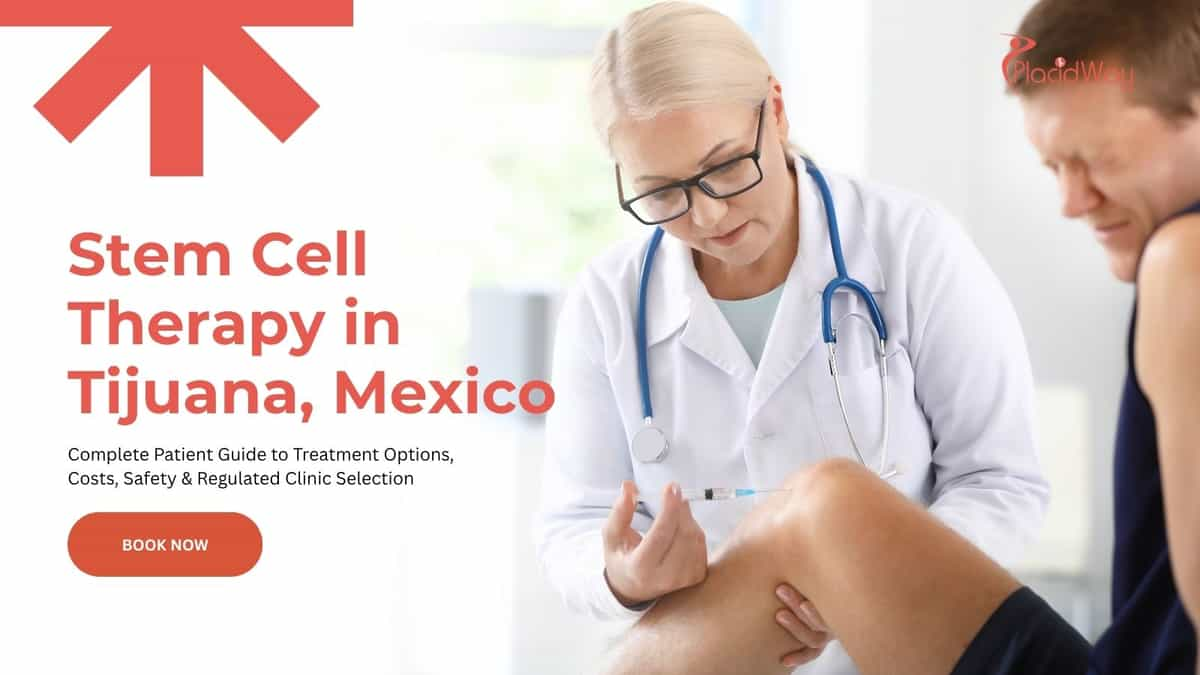
When living with chronic joint pain, autoimmune conditions, or mobility limitations, the high costs and limited treatment options back home can leave you searching for alternative solutions. Stem cell therapy in Tijuana, Mexico, has emerged as a frequent choice for North American patients seeking regenerative medicine at more accessible prices. However, before you book a flight, you must understand exactly how to navigate this healthcare ecosystem safely, properly evaluate out-of-pocket costs, and independently verify that your chosen clinic holds essential COFEPRIS licensing to ensure quality care.
Quick Answer Summary
- Estimated Cost: Treatment typically ranges from $3,500 to $8,500 USD per session, depending on the cell source, total cell count, and whether the procedure targets a localized joint or systemic condition.
- Primary Certifications to Verify: You must ensure the clinic holds a current license from COFEPRIS (Mexico's Federal Commission for Protection Against Sanitary Risk) and that the facility adheres to CSG (General Health Council) safety standards.
- Ideal Candidate: Adults experiencing degenerative joint diseases (like osteoarthritis), select autoimmune conditions, or soft tissue injuries who have exhausted conservative therapies and want to explore regenerative options before considering invasive surgery.
- Typical Recovery Time: The procedure itself is usually outpatient. Most patients can walk and resume light daily activities within 2 to 3 days, though internal tissue healing and noticeable symptom relief may take 3 to 6 months.
- Why Patients Choose Tijuana, Mexico: The combination of proximity to the US border (a brief drive from San Diego), significantly lower out-of-pocket medical costs compared to North America, and access to expanded, legally regulated stem cell expansion protocols.
- Important Caution: Regenerative medicine is not a guaranteed cure for any disease. Outcomes vary widely by individual diagnosis, age, and general health. Never trust clinics that promise a "100% cure rate" or fail to provide transparent, written physician credentials.
Why Patients Consider Stem Cell Therapy in Tijuana, Mexico
Deciding to travel across borders for medical care is a significant step. Many patients research stem cell therapy in Tijuana, Mexico, because they feel restricted by the healthcare options available in their home countries. Whether facing long waiting lists for orthopedic consultations or discovering that certain regenerative protocols are financially out of reach, patients often look to Tijuana as a viable alternative.
Understanding the common motivations behind this decision can help you determine if medical tourism aligns with your personal healthcare goals. According to cross-border healthcare data, international patients typically travel to Tijuana for regenerative medicine for several distinct reasons:
- Cost Accessibility: The out-of-pocket expense for cell therapies in Mexico is often 50% to 70% lower than identical or similar treatments in the United States and Canada.
- Geographic Convenience: Located immediately across the border from San Diego, California, Tijuana offers easy access via direct flights to San Diego International Airport, followed by a short, medically coordinated border crossing.
- Access to Cultured Stem Cells: Mexican healthcare regulations (overseen by COFEPRIS) permit the legal expansion (culturing) of mesenchymal stem cells in specialized laboratories, allowing doctors to administer higher cell counts than what is typically accessible under current regulations in the US or Canada.
- Shorter Wait Times: Private medical facilities in Tijuana frequently offer expedited consultations and treatment scheduling, which appeals to patients suffering from daily, chronic pain.
- Comprehensive Care Packages: Many established clinics provide dedicated patient coordinators, ground transportation, and structured post-treatment follow-up consultations via telemedicine.
While these benefits are attractive, they must be weighed against the responsibilities of traveling abroad, such as independently verifying clinic safety and understanding the physical requirements of travel during recovery.
Patient Demographics for Regenerative Medicine (2024 Data)
In recent years, the profile of the typical medical traveler seeking cellular therapies has evolved. Based on 2024 demographic reports focused on North American cross-border healthcare, patients traveling to Tijuana for these therapies span various age groups, though older adults seeking orthopedic relief remain the dominant demographic.
The majority of these patients originate from the United States, particularly from border states like California, Arizona, and Texas, though patients from the East Coast and Canada represent a growing percentage. These demographics largely reflect populations seeking alternatives to joint replacement surgeries.
As illustrated above, patients from the United States make up approximately 68% of the medical tourist volume for this specific treatment in Tijuana. When looking at age distribution, the most active demographic falls between 50 and 70 years old, directly correlating with the onset of age-related degenerative joint diseases like osteoarthritis.
Biological Principles: How Stem Cell Therapy Functions
To make an informed healthcare decision, you must understand the basic biology behind cellular therapies. Stem cells are unique because they have the potential to develop into various specific cell types in the body. More importantly for therapeutic uses, they secrete powerful anti-inflammatory proteins and growth factors.
In most Tijuana clinics, doctors utilize Mesenchymal Stem Cells (MSCs). These cells do not primarily function by physically turning into new cartilage or bone, as was once believed. Instead, they operate through a process known as the "paracrine effect."
When injected into a damaged joint or administered intravenously, MSCs release signaling molecules that communicate with your body's existing cells. This communication may help to modulate an overactive immune response, reduce localized inflammation, and stimulate your native tissue to initiate natural repair mechanisms. By changing the microenvironment of the damaged area, the therapy aims to reduce pain and potentially slow the progression of tissue degeneration.
Medical Context: It is critical to understand that stem cell therapy is not a cure for aging or a replacement for destroyed joints. If your joint is completely "bone-on-bone" with no remaining cartilage, a stem cell injection cannot regenerate a brand new joint, and an orthopedic surgeon may advise that joint replacement surgery is your only medically sound option.
Types of Stem Cells Used in Mexico
When consulting with medical providers for stem cell therapy in Tijuana, Mexico, you will encounter different types of cellular treatments. The specific type your doctor recommends should be based solely on your medical diagnosis, age, and overall health status.
There are generally two main categories: autologous (cells harvested from your own body) and allogeneic (cells harvested from a donor). Clinics in Mexico commonly offer the following sources:
| Cell Source Type | Harvesting Method | Common Clinical Application |
|---|---|---|
| Adipose-Derived (Autologous) | Extracted via a mini-liposuction procedure, typically from the abdomen or flanks. | Often used for localized joint pain and osteoarthritis. Best for younger, relatively healthy patients. |
| Bone Marrow-Derived (Autologous) | Extracted from the pelvic bone (iliac crest) using a specialized needle under local anesthesia. | Commonly used for orthopedic conditions and sports injuries. Contains high levels of growth factors. |
| Wharton’s Jelly / Umbilical Cord (Allogeneic) | Sourced ethically from healthy, screened, full-term cesarean births. No fetal tissue is used. | Frequently recommended for older patients, autoimmune diseases, or systemic inflammation, as these young cells have high replication potential. |
Each source carries unique benefits and limitations. For instance, while using your own cells eliminates the already incredibly low risk of immune rejection, the vitality of your stem cells naturally decreases as you age. This is why many specialists in Tijuana may recommend allogeneic umbilical cord cells for patients over the age of 60.
Conditions Addressed by Clinics in Tijuana
Patients seek stem cell therapy in Tijuana, Mexico, to manage a variety of chronic conditions. It is essential to approach these treatments with realistic expectations. Cellular therapies aim to manage symptoms, improve quality of life, and delay disease progression, rather than offering an absolute cure.
Orthopedic specialists and regenerative medicine doctors typically evaluate patients for the following conditions:
- Orthopedic and Degenerative Joint Diseases: Knee osteoarthritis, hip degeneration, shoulder rotator cuff tears, and chronic spinal disc degeneration. This is the most heavily researched application of MSCs.
- Autoimmune and Inflammatory Conditions: Rheumatoid arthritis, multiple sclerosis (MS), and lupus. The immunomodulatory properties of MSCs may help calm overactive immune responses.
- Neurological Conditions: Some clinics offer protocols for Parkinson’s disease and neuropathy, though patients must understand that evidence for neurological applications is still largely in the early clinical trial phases globally.
- Chronic Tissue Injuries: Unhealed sports injuries, severe tendinopathy, and damaged ligaments that have not responded to physical therapy or steroid injections.
A reputable physician will thoroughly review your MRI scans and medical history to confirm that your specific stage of disease is likely to respond to cellular therapy before accepting you as a patient.
Cost of Stem Cell Therapy in Tijuana vs. North America
Financial transparency is one of the primary concerns for patients researching medical tourism. The cost of stem cell therapy in Tijuana, Mexico, is noticeably lower than in the United States, but prices still vary widely based on the complexity of your treatment.
Factors influencing the final price include the type of stem cells used, the total cell count (measured in millions), the administration method (localized injection vs. intravenous drip), and the number of treatment days required. Below is a realistic comparison of out-of-pocket costs.
| Treatment Procedure | Estimated Cost in US/Canada (USD) | Estimated Cost in Tijuana (USD) |
|---|---|---|
| Single Joint Injection (Autologous) | $5,000 - $8,000 | $3,000 - $4,500 |
| Single Joint Injection (Cultured Umbilical Cord) | $8,000 - $15,000+ | $4,000 - $6,000 |
| Systemic IV Therapy (Autoimmune Protocol) | $15,000 - $25,000+ | $6,000 - $8,500 |
When reviewing a quote from a Tijuana clinic, always ask for an itemized breakdown. Ensure you understand what is included in the package. Many high-quality providers bundle the cost of the medical consultation, blood work, the cellular product, the doctor's fees, and local transportation between the border and the clinic into one comprehensive price.
Financial Warning: Be wary of hidden costs. Ask the clinic explicitly if pre-treatment diagnostic imaging (like MRIs), specialized physical therapy after the procedure, or travel insurance is included in the quoted price. These are usually separate patient responsibilities.
Clinical Outcomes and Pain Reduction Data
When evaluating the efficacy of regenerative therapies, medical professionals often look at standardized patient scoring systems. For orthopedic treatments, such as knee osteoarthritis, the WOMAC (Western Ontario and McMaster Universities Osteoarthritis Index) score is frequently used to measure pain, stiffness, and physical function.
Recent 2024 retrospective clinical observations of patients receiving MSC therapy for moderate knee osteoarthritis show a general trend of symptom improvement peaking around the three-to-six-month mark.
This graph highlights a common trajectory: patients often begin with high pain scores at baseline. During the first month, inflammation goes down, leading to initial relief. Peak therapeutic benefits are generally documented between months three and six. Following month six, results tend to plateau or slightly regress, demonstrating why some patients may require maintenance therapies or booster injections a year or two later depending on the severity of their condition.
Regulatory Landscape and COFEPRIS Approval
A primary concern for any patient traveling for healthcare is the legality and regulation of the treatment destination. Stem cell therapy in Tijuana, Mexico, is strictly regulated by the government. It is entirely legal, provided the clinic and laboratory adhere to federal health laws.
The main regulatory body in Mexico is COFEPRIS (Comisión Federal para la Protección contra Riesgos Sanitarios), which acts similarly to the FDA in the United States. COFEPRIS sets rigid standards regarding how cellular products are harvested, screened for communicable diseases, cultivated in laboratories, and transported.
Mexican law permits the expansion of stem cells. Expansion means taking a small sample of stem cells and growing them in a highly controlled laboratory setting for several weeks to yield tens of millions of potent cells. This regulatory allowance is one of the main medical reasons North American patients choose Mexico, as expanded cell protocols are heavily restricted outside of clinical trials in the US.
Vetting a Safe Hospital or Clinic in Tijuana
Because the popularity of medical tourism has grown rapidly, not every facility operating in Tijuana maintains the same standard of clinical excellence. Your safety depends entirely on your ability to evaluate a clinic before you hand over any money or agree to treatment.
You must actively request proof of specific credentials. Do not rely solely on modern website design or unverified online reviews. Use the following vetting criteria when communicating with patient coordinators:
- COFEPRIS Operating License: The clinic must hold a specific, valid license from COFEPRIS allowing them to practice regenerative medicine. Ask for their license number and verify it.
- Independent Laboratory Licensing: If the clinic uses expanded umbilical cord cells, ask which laboratory processes the cells. The laboratory itself must hold separate COFEPRIS biological banking licenses.
- Certificate of Analysis (COA): For every vial of donor cells used, the clinic should be able to provide a COA. This document proves the cells have been tested for viability, sterility, and infectious diseases (like HIV, Hepatitis B and C, and Syphilis).
- General Health Council (CSG): While not mandatory for smaller private clinics, facilities certified by the CSG (Consejo de Salubridad General) demonstrate adherence to Mexico's highest national hospital safety and hygiene standards.
- On-Site Emergency Equipment: Ensure the facility where the procedure takes place has emergency resuscitation equipment and protocols in place for severe allergic reactions, even if they are rare.
Verifying Doctor Qualifications and Credentials
The success and safety of stem cell therapy in Tijuana, Mexico, relies heavily on the doctor administering the treatment. Injecting cells into a joint capsule or spinal disc requires precise anatomical knowledge and, frequently, ultrasound or fluoroscopic guidance to ensure the cells reach the exact site of tissue damage.
In Mexico, a legitimate medical specialist must hold a "Cédula Profesional" (Professional License) issued by the Secretariat of Public Education (SEP). This acts as their medical license. Furthermore, for specialized procedures, the doctor should be board-certified by the corresponding national medical council.
When evaluating a physician, ensure they are legally qualified for your specific procedure. For orthopedic issues, the injection should ideally be performed by an Orthopedic Surgeon certified by the Consejo Mexicano de Ortopedia y Traumatología. For systemic or autoimmune conditions, a Hematologist, Immunologist, or specialized physician trained extensively in regenerative medicine should oversee the protocol.
Patient Tip: You can independently verify a Mexican doctor's Cédula Profesional number online through the official government registry (Registro Nacional de Profesionistas) to confirm their medical degree is legitimate.
Understanding the Step-by-Step Treatment Process
Knowing what happens from the moment you arrive can significantly reduce travel anxiety. The treatment process for stem cell therapy in Tijuana, Mexico, is generally efficient and patient-focused. While protocols vary by clinic and diagnosis, a typical journey spans three to four days.
The timeline typically follows this structure:
| Timeline | Patient Activity and Clinical Focus |
|---|---|
| Day 1: Arrival and Diagnostics | You will cross the border from San Diego to Tijuana. Upon arrival at the clinic, you will have a comprehensive in-person consultation, blood draws, and a review of your MRI/X-rays. If autologous cells are used, the extraction (liposuction or bone marrow aspiration) occurs today. |
| Day 2: Rest or Cell Processing | If using your own cells, the laboratory requires time to separate and concentrate the MSCs. Patients generally rest at their hotel. If using allogeneic (donor) cells, treatment may proceed immediately on Day 1 or Day 2. |
| Day 3: Therapy Administration | The cells are administered. For joints, this is a targeted injection, often guided by ultrasound. For systemic conditions, an intravenous (IV) drip is placed, taking 1 to 3 hours. Vitals are closely monitored throughout. |
| Day 4: Observation and Departure | A final consultation is held to check the injection site, review post-treatment physical limitations, and provide dietary and medication instructions. Following discharge, patients cross back into the United States. |
Potential Risks and Medical Contraindications
Any medical procedure inherently carries risk, and regenerative medicine is no exception. While stem cell therapy is generally well-tolerated because it utilizes natural biological materials, you must be aware of potential complications before signing informed consent documents.
Common, mild side effects typically resolve within a few days. These include transient pain, swelling, and localized bruising at the injection or extraction site. Intravenous administration may occasionally cause a mild, temporary fever, fatigue, or headache as the body reacts to the introduction of the cellular proteins.
More severe complications are rare but medically possible. The primary risk is infection, either at the injection site or systematically, which highlights why choosing a highly regulated, sterile clinic is paramount. Furthermore, if cells are injected improperly into the wrong tissue plane, it can lead to nerve irritation or calcification.
Not everyone is a candidate. Responsible clinics will deny treatment to patients with active bacterial or viral infections, those actively undergoing cancer treatment (as growth factors could theoretically stimulate tumor growth), and pregnant women. Always disclose your complete medical history to the evaluating physician.
Recovery Timeline and Post-Treatment Care
The speed and quality of your recovery depend largely on your adherence to post-treatment guidelines. Stem cell therapy relies on a biological healing cascade that takes time. You will not wake up the next day with completely regenerated tissue.
Immediately following a joint injection, doctors typically recommend resting the treated limb for 24 to 48 hours. You may be advised to wear a supportive brace to minimize stress on the joint capsule while the cells settle into the tissue matrix.
During the first two weeks, it is crucial to avoid strenuous exercise, heavy lifting, or high-impact activities like running. However, light movement and stretching are often encouraged to promote blood flow. Your doctor will likely instruct you to stop taking NSAIDs (Non-Steroidal Anti-Inflammatory Drugs like ibuprofen) for several weeks. NSAIDs inhibit inflammation, but the initial acute inflammatory response is exactly what the stem cells need to trigger the healing and repair process.
Travel Logistics: Border Crossing and Medical Lanes
Traveling for stem cell therapy in Tijuana, Mexico, involves navigating the busiest land border crossing in the Western Hemisphere: the San Ysidro Port of Entry. Proper planning makes this process remarkably smooth.
Most international patients fly into San Diego International Airport (SAN). From there, Tijuana is only a 30-minute drive. High-quality clinics provide dedicated bilingual patient coordinators who will pick you up at the airport, drive you across the border directly to the hospital, and transfer you to your hotel.
For your return trip, authorized medical clinics can provide you with a "Medical Pass" (Fast Pass). This document allows you to use a dedicated medical tourism lane at the border, drastically reducing your wait time to re-enter the United States, often dropping it from a multiple-hour wait down to 20 or 30 minutes. Always carry a valid passport and any medical documentation provided by the clinic when crossing the border.
Combining Procedures: What You Should Know
In the field of regenerative medicine, specialists frequently utilize combination therapies to enhance clinical outcomes. When researching your options, you may see stem cell therapy offered alongside Platelet-Rich Plasma (PRP) therapy or Exosome therapy.
PRP is derived from your own blood and contains high concentrations of platelets and growth factors. Doctors often inject PRP simultaneously with stem cells. The rationale is that the PRP provides an immediate, nutrient-rich environment that helps the newly introduced stem cells survive, anchor to the damaged tissue, and function more effectively.
Exosomes are tiny vesicles secreted by stem cells that carry genetic information and proteins. Some clinics use supplemental exosomes to boost the paracrine signaling power of the stem cell injection. While these combined approaches may offer synergistic benefits, they also increase the total cost of your treatment package. Discuss the clinical necessity of these add-ons thoroughly with your provider.
Preparing Your Medical Records for Evaluation
To determine if you are an eligible candidate for stem cell therapy in Tijuana, Mexico, doctors require a comprehensive look at your current health status. You cannot simply walk into a clinic and request treatment. Remote evaluation is the first step.
Before contacting clinics, gather your recent medical records. For orthopedic issues, you must provide recent MRI imaging (typically taken within the last six months). X-rays are helpful but often insufficient because they only show bone, not soft tissue, cartilage, or exact joint space narrowing.
For autoimmune or systemic conditions, prepare recent comprehensive blood panels, a detailed list of your current medications (especially immunosuppressants or blood thinners), and notes from your primary rheumatologist or treating specialist. The more precise the information you provide, the more accurate your customized treatment plan and cost estimate will be.
Frequently Asked Questions
Is stem cell therapy in Tijuana safe for international patients?
Yes, it can be safe when performed at a COFEPRIS-licensed clinic by board-certified specialists. Safety depends heavily on the clinic's adherence to sterile laboratory practices, appropriate patient screening, and emergency protocols. You must thoroughly vet the provider before traveling.
How much does stem cell therapy cost in Tijuana, Mexico?
Costs generally range from $3,500 to $8,500 USD, depending on the cell source, the total number of millions of cells administered, and the administration method. This is typically 50% to 70% less than equivalent treatments in the United States.
Are stem cells legal in Mexico?
Yes, stem cell treatments are strictly regulated and fully legal under Mexican federal law. The health authority, COFEPRIS, oversees the licensing for both the clinics administering the treatments and the laboratories cultivating the biological materials.
What is the success rate of stem cell therapy for knees?
Success rates vary based on the severity of cartilage loss. Patients with mild to moderate osteoarthritis often report significant pain reduction and improved mobility. However, patients with severe "bone-on-bone" degeneration may not respond to therapy and may still require joint replacement surgery.
Where do the umbilical cord stem cells come from?
Allogeneic Wharton's Jelly stem cells are sourced ethically from the umbilical cords of healthy, full-term cesarean births. Donors undergo rigorous infectious disease screening, and the tissue is collected with full maternal consent. No embryonic or fetal tissue is used.
How long does it take to see results after treatment?
Most patients begin to notice subtle reductions in pain and inflammation within 3 to 4 weeks. However, the biological repair processes continue for months, with peak clinical benefits usually observed between 3 and 6 months post-injection.
Do I need to stop taking my current medications?
You will typically be advised to stop taking NSAIDs (like Ibuprofen) and systemic corticosteroids for several weeks before and after the procedure, as they interfere with the natural inflammatory healing response needed for the stem cells to activate properly. Always consult your prescribing doctor.
Will my health insurance cover stem cell therapy in Mexico?
No. Stem cell treatments for orthopedic and systemic conditions are generally considered experimental by North American insurance companies. Therefore, medical tourism for this procedure is almost entirely an out-of-pocket, self-pay expense.
Is the border crossing to Tijuana safe for medical tourists?
Tens of thousands of patients cross safely each year. The medical districts in Tijuana (like Zona Rio) are highly monitored. Utilizing a clinic's direct transportation service from San Diego airport straight to the hospital minimizes travel risks and ensures a secure journey.
Can stem cells cure autoimmune diseases like Rheumatoid Arthritis?
There is currently no absolute cure for autoimmune diseases. However, stem cell therapy may help modulate the immune system, lower systemic inflammation, and significantly manage pain and flare-ups, thereby improving a patient's overall quality of life.
Need Help Choosing a Vetted Clinic?
Navigating the options for stem cell therapy in Tijuana, Mexico, doesn't have to be overwhelming. PlacidWay can help you compare highly rated providers, request transparent pricing quotes, and ensure your chosen clinic maintains proper COFEPRIS credentials.
Request Free Information TodayDisclaimer: This information is for educational purposes only and does not replace professional medical advice. Always consult a qualified healthcare provider before making medical decisions. Stem cell therapy is a medical procedure with inherent risks, and individual outcomes are not guaranteed.
References
- Federal Commission for Protection Against Sanitary Risk (COFEPRIS) – Government of Mexico
- General Health Council (CSG) Certification – Government of Mexico
- Mesenchymal Stem Cells for Osteoarthritis: Clinical Progress and Challenges (2024 Update context) – National Institutes of Health (NIH)
- National Registry of Professionals (Cédula Profesional Verification) – Secretariat of Public Education, Mexico
- Efficacy of Wharton's Jelly-Derived MSCs in Joint Degeneration – PubMed Clinical Registry Data
- Health Information for Travelers to Mexico – Centers for Disease Control and Prevention (CDC)
- Patient Guidance on Regenerative Medicine Therapies – U.S. Food and Drug Administration























Share this listing