


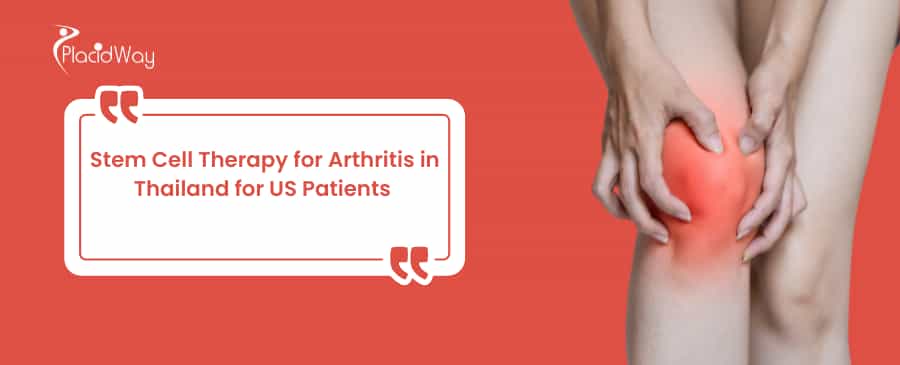
For millions of Americans suffering from chronic joint pain, the promise of relief often comes with a staggering price tag or invasive surgical options. Stem cell therapy for arthritis in Thailand has emerged as a leading alternative, offering US patients access to cutting-edge regenerative medicine at a fraction of Western costs. By leveraging the body's natural healing mechanisms, this non-surgical treatment targets inflammation and regenerates cartilage, helping patients regain mobility and quality of life.
Thailand's medical infrastructure is globally renowned, combining JCI-accredited hospitals with luxury hospitality. Whether you are seeking treatment for knee osteoarthritis, hip degeneration, or shoulder pain, Thailand offers a unique blend of advanced medical technology and affordable care, making it a top choice for medical tourists worldwide.
Key Takeaways: Healing in the Land of Smiles
Traveling for medical care is a significant decision. Here is why thousands of patients choose Thailand for orthopedic regeneration:
- Massive Cost Savings: Save 50% to 70% compared to US prices, with packages often including VIP transfers and accommodation.
- Advanced Cell Types: Access to high-potency Umbilical Cord Mesenchymal Stem Cells (UC-MSCs), which are often restricted or unavailable in the US.
- Comprehensive Care: Packages typically include pre-op testing, doctor fees, cell expansion labs, and post-therapy rehabilitation.
- Thailand Cost: $3,500 – $15,000 (depending on dosage and protocol).
- Mexico Cost: $3,000 – $7,000 (convenient for West Coast US).
- India Cost: $2,500 – $6,000 (most affordable option globally).
The Science: How Stem Cell Therapy Treats Arthritis
Regenerative medicine moves beyond masking pain to repairing the root cause of joint degeneration using potent biological building blocks.
Stem cell therapy for osteoarthritis works by introducing potent cells directly into the damaged joint capsule. These cells, specifically Mesenchymal Stem Cells (MSCs), act as "medicinal signaling cells." Once injected, they do not just become cartilage; they release growth factors and anti-inflammatory proteins that instruct the body's existing cells to repair damaged tissue.
In Thailand, clinics utilize two primary sources:
- Autologous Stem Cells: Harvested from your own adipose (fat) tissue or bone marrow. This minimizes rejection risk but requires a minor harvesting procedure.
- Allogeneic Stem Cells: Derived from ethically screened, healthy umbilical cord tissue. These cells are "younger," more potent, and require no harvesting from the patient, making the procedure faster and less invasive.
Thailand was the first country in Asia to achieve JCI accreditation for its hospitals. Today, it boasts over 60 JCI-accredited facilities, more than any other nation in Southeast Asia. This commitment to gold-standard healthcare ensures that your knee stem cell injection is performed in a facility that meets rigorous international safety benchmarks.
Step-by-Step Treatment Journey in Thailand
From your initial inquiry to your flight home, the medical tourism process is designed to be seamless, luxurious, and stress-free.
1. Virtual Consultation & Approval
Before you book a flight, you will submit your medical history and recent X-rays or MRIs to the medical team. Specialists will review your degree of cartilage loss to determine if you are a candidate for regeneration or if joint replacement is necessary.
2. Arrival & VIP Service
Upon landing in Bangkok or Phuket, reputable clinics provide VIP airport pickup. You are transported to your hotel or the hospital to settle in. Thailand’s hospitality culture ensures you feel like a guest, not just a patient.
3. The Procedure (1-2 Days)
The treatment itself is minimally invasive. For allogeneic (umbilical) cells, the process takes only a few hours. The area is numbed with a local anesthetic, and the concentrated cells are injected into the joint using ultrasound or fluoroscopic guidance for precision.
4. Recovery & Rehabilitation
Post-procedure, you may undergo adjuvant therapies like hyperbaric oxygen therapy, laser therapy, or specialized physiotherapy to activate the cells. Most patients can walk immediately but are advised to rest for 24 hours.
"One key advantage of stem cell therapy in Thailand is the ability to culture and expand cells in state-of-the-art laboratories. Unlike the US, where strict FDA regulations often limit clinics to 'same-day' procedures with lower cell counts, Thai regulations allow for the cultivation of cells to therapeutic doses of 100 million cells or more, significantly increasing the potential for cartilage regeneration in severe arthritis cases."
Global Cost Comparison: Thailand vs. The World
Understanding the value proposition of medical tourism helps you make an informed financial decision for your health.
| Procedure | USA (Avg.) | Thailand (Avg.) | Mexico (Avg.) | India (Avg.) |
|---|---|---|---|---|
| Knee Stem Cell Therapy | $5,000 - $12,000 | $3,500 - $6,500 | $3,000 - $5,000 | $2,500 - $4,500 |
| Hip Regenerative Package | $6,000 - $15,000 | $4,000 - $8,000 | $3,500 - $6,000 | $3,000 - $5,000 |
| Comprehensive Protocol (Multiple joints + IV therapy) |
$25,000 - $50,000+ | $10,000 - $15,000 | $8,000 - $12,000 | $6,000 - $9,000 |
| Package Inclusions | Procedure Only | Transfers, Labs, Physio | Transfers, Hotel | All-inclusive (Hotel+) |
Top Destinations for Therapy
Combine world-class medical care with a relaxing recovery in Thailand's most beautiful locations.
Bangkok: The Medical Hub
The capital city is home to massive, multi-specialty hospitals like Bumrungrad International and dedicated regenerative centers. It offers the highest concentration of specialists and direct flights from major global cities.
Phuket: Healing by the Sea
For those wanting a serene recovery, Phuket offers excellent private hospitals and wellness clinics. Recovering from joint therapy while overlooking the Andaman Sea reduces stress, which is a key factor in healing.
Chiang Mai: Northern Wellness
Known for its cooler climate and relaxed pace, Chiang Mai is a hub for wellness and rehabilitation. It is an affordable option with high-quality boutique clinics specializing in anti-aging and regenerative medicine.
"Patients should look for clinics that offer a holistic treatment protocol. The best outcomes for arthritis don't come from a syringe alone. Leading Thai centers combine stem cell injections with peptide therapy, nutrition counseling, and physical rehabilitation. This integrative approach prepares the body's environment to accept the new cells, drastically improving success rates for US patients."
Frequently Asked Questions
Common questions from patients considering traveling abroad for regenerative care.
How long does the relief last?
Results vary by patient and severity, but relief typically lasts between 2 to 5 years. Many patients report continued improvement for up to 12 months post-procedure as tissues regenerate.
Is the procedure painful?
Most patients report minimal discomfort. Local anesthesia is used to numb the injection site. You may feel mild pressure during the injection and some soreness for 24-48 hours afterward.
Do I need a visa for medical treatment in Thailand?
US citizens can enter Thailand visa-free for up to 60 days (starting mid-2024 policy updates). For longer treatments, a specific Medical Treatment (MT) Visa is available.
What happens if I have a complication?
Reputable Thai hospitals have emergency protocols and ICU facilities on-site. When booking through established facilitators, you often have access to 24/7 patient support to handle any medical concerns.
Why is it cheaper in Thailand?
The lower cost is due to the lower cost of living, labor, and malpractice insurance in Thailand, not a lack of quality. The government actively supports medical tourism, keeping prices competitive.
Can stem cells cure arthritis completely?
There is currently no "cure" for arthritis. Stem cell therapy is a management tool designed to regenerate tissue, reduce inflammation, and delay or prevent the need for joint replacement surgery.
Are the stem cells screened for diseases?
Yes. JCI-accredited labs in Thailand follow strict international protocols for screening donor tissue (umbilical cord) for HIV, Hepatitis, and other communicable diseases, ensuring safety.
Can I walk immediately after knee injections?
Yes, you can walk immediately, but you should avoid strenuous activity, heavy lifting, or long-distance walking for at least a week to allow the cells to settle and attach.
How do I choose the right clinic?
Look for JCI accreditation, ISO certification for their labs, and board-certified doctors. Avoid clinics that make unrealistic promises of "100% cures."
Ready to Restore Your Mobility?
Don't let chronic joint pain limit your life or your finances. PlacidWay partners with the top JCI-accredited hospitals in Thailand to bring you world-class stem cell therapy packages tailored for US patients.
Get a free, no-obligation quote today and speak directly with our medical care team to plan your journey to recovery.
Get a Quote for Surgery in Thailand-(1).png)





.png)







-1.png)










Share this listing