



A full mouth restoration in Costa Rica is a comprehensive set of treatments designed to rebuild or replace all of the teeth in a patient’s mouth. This complex procedure is typically recommended for individuals suffering from severe tooth decay, advanced periodontal disease, or traumatic oral injuries. The ultimate goal is to restore both the functional aspects of chewing and speaking, alongside the aesthetic appearance of a natural, healthy smile. Most patients experience significant improvements in their overall quality of life following this extensive rehabilitation.
In recent years, the combination of world-class dental expertise and significantly lower operational costs has positioned this destination as a premier hub for complex oral surgeries. Patients seeking an affordable dental reconstruction abroad find that the standards of clinical excellence directly mirror those found in North America. By crossing international borders, individuals can access transformative care without sacrificing the quality or safety of their medical outcomes.
- Placement of multiple dental implants to anchor new teeth.
- Custom-fabricated dental crowns and bridges for upper and lower jaws.
- Bone grafting procedures to rebuild weakened jaw structure.
- Comprehensive periodontal treatment to ensure healthy gums.
- Detailed aesthetic adjustments for a natural-looking smile.
A full mouth restoration is not just cosmetic; it significantly improves digestion by restoring the patient's ability to chew high-fiber, nutrient-dense foods properly.
Why Americans Choose Dental Tourism in Costa Rica
The rise of dental tourism in Costa Rica is largely driven by geographical convenience and substantial financial relief. For patients living in the United States, reaching Central America involves a relatively short, direct flight from most major international airports. This proximity minimizes the physical exhaustion associated with long-haul medical travel, making it an incredibly attractive option for families coordinating complex surgical schedules. Furthermore, the tropical environment offers a calming atmosphere that generally helps reduce pre-surgical anxiety.
Beyond geographical benefits, the cultural alignment and strong bilingual capabilities of local healthcare providers create a highly reassuring environment for international visitors. Most medical professionals in this region are fluent in English, which ensures that complex medical terminology and aftercare instructions are communicated clearly. When searching for the best dental clinics abroad, North Americans prioritize transparent communication and mutual understanding, both of which are readily available here.
- Direct flights taking 3 to 5 hours from major US cities.
- High fluency in English among medical staff and patient coordinators.
- Significant cost savings without compromising on global health standards.
- Opportunity to recover in a serene, nature-rich environment.
Costa Rica consistently ranks in the top global indices for healthcare quality, with a life expectancy that surpasses that of the United States.
Types of Dental Implants and Full Mouth Reconstruction Options
When undergoing complex dental procedures abroad, patients have access to an array of advanced restorative techniques tailored to their specific anatomical needs. The All-on-4 and All-on-6 implant protocols are particularly popular, as they allow a complete arch of teeth to be supported by just four or six strategically placed titanium posts. This method generally minimizes the need for extensive bone grafting and accelerates the initial healing timeline. Every treatment plan is uniquely customized based on comprehensive 3D imaging and anatomical evaluations.
Additionally, patients can choose from various premium prosthetic materials to finalize their smiles. While temporary acrylic arches are often used during the initial healing phase, the final restorations are typically crafted from ultra-durable zirconia or specialized porcelain. Choosing the right dental implant options overseas involves a collaborative discussion with the prosthodontist to balance aesthetic desires, functional durability, and budget considerations.
- All-on-4 Implants: Replaces a full arch of teeth using four angled titanium posts.
- All-on-6 Implants: Utilizes six implants for enhanced stability in patients with sufficient bone density.
- Zirconia Crowns: Highly durable, stain-resistant prosthetics that mimic natural tooth enamel.
- Implant-Supported Bridges: Ideal for patients missing multiple adjacent teeth.
Studies indicate that implant-supported full mouth restorations have a long-term survival rate exceeding 95% when placed by qualified specialists.
Comprehensive Cost of Full Mouth Restoration in Costa Rica vs the US
The financial disparity between domestic and international healthcare is the primary motivator for medical travelers. A complete full mouth restoration cost in Costa Rica is typically a fraction of the price quoted by specialists in the United States or Canada. This massive price difference—often exceeding $40,000—is not due to inferior materials or rushed labor, but rather the significantly lower administrative overhead, favorable exchange rates, and reduced malpractice insurance premiums required in Central America.
Families reviewing their affordable full mouth restoration options quickly realize that these savings can preserve their retirement funds or children's college accounts. Even when factoring in the cost of airfare, lodging, and local transportation, the overall expenditure remains drastically lower. Below is a realistic breakdown of standard market ranges comparing procedures between the two nations.
| Procedure Name | Average Cost in Costa Rica | Average Cost in the US |
|---|---|---|
| Single Dental Implant (Post + Crown) | $800 - $1,200 | $3,500 - $5,000 |
| All-on-4 (Single Arch) | $9,000 - $12,000 | $24,000 - $35,000 |
| Full Mouth All-on-4 (Upper & Lower) | $18,000 - $24,000 | $50,000 - $70,000 |
| Bone Grafting (Per Quadrant) | $300 - $500 | $800 - $3,000 |
| Full Mouth Zirconia Crowns | $10,000 - $14,000 | $30,000 - $45,000 |
While medical tourism offers significant savings, patients should be cautious of pricing that seems unreasonably low compared to the regional average. Excessively cheap quotes may indicate the use of counterfeit materials or uncredentialed practitioners.
The Financial Impact of High Dental Costs on US Families
In the United States, traditional dental insurance rarely covers comprehensive restorative surgeries, often capping annual benefits at $1,500 to $2,000. For a procedure that easily exceeds $60,000, families are typically forced to drain their life savings, take out predatory medical loans, or remortgage their homes. The stress of managing profound oral pain while facing insurmountable debt creates a significant psychological burden for both the patient and their loved ones. Seeking affordable oral surgery abroad provides a realistic escape from this financial trap.
By opting for care internationally, patients reclaim control over their financial futures while addressing critical health concerns. The ability to retain tens of thousands of dollars means families do not have to sacrifice their retirement security to achieve a functional bite. Many patients report profound emotional relief once they realize that exceptional, low-cost dental reconstruction is safely within their reach.
Testimonial: Reclaiming Financial Freedom
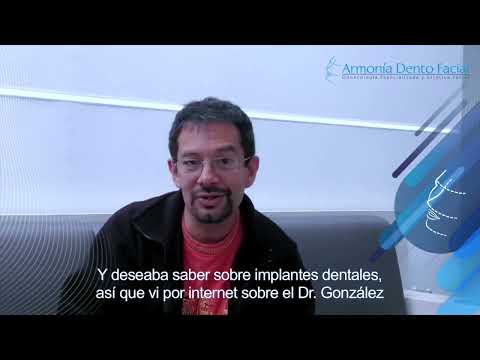
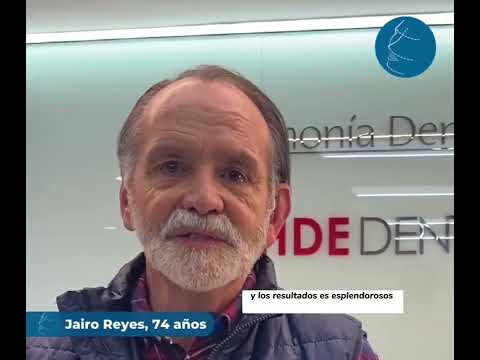
"I was quoted over $65,000 in my hometown for upper and lower implants. It was either fix my teeth or send my daughter to college. Traveling abroad allowed me to get the exact same procedure for $22,000. The care was immaculate, and my family's savings remained intact." — Michael, 58
Testimonial: Beyond the Price Tag
"I was terrified of the cost, but even more terrified of losing my teeth. The savings allowed me to afford the highest quality zirconia materials. I feel like I got premium VIP treatment that I could never have justified paying for back home." — Sarah, 62
Quality of Care and Dental Materials Used by Specialists
A common misconception regarding medical tourism is that lower costs equate to inferior clinical quality. In reality, facilities specializing in international dental care utilize the exact same globally recognized, FDA-approved materials found in top-tier American clinics. Premium titanium implants from brands like Nobel Biocare, Straumann, and Zimmer are routinely utilized, ensuring that patients receive industry-standard durability and biocompatibility. The savings are derived strictly from economic differences, not medical compromises.
Furthermore, leading international facilities invest heavily in state-of-the-art diagnostic technology, including Cone Beam Computed Tomography (CBCT) scanners and 3D intraoral cameras. This advanced equipment allows specialists to meticulously plan every millimeter of the surgery before the patient even sits in the chair. By prioritizing precision through technology, these clinics ensure that high-quality dental restorations meet rigorous international standards for safety and longevity.
- Use of authentic, globally recognized implant brands.
- In-house dental laboratories for precise and rapid prosthetic creation.
- Advanced 3D CBCT scanning for accurate surgical planning.
- Strict adherence to international sterilization and hygiene protocols.
Always ask your prospective clinic to provide the "implant passport" or certification cards for the materials they use. Legitimate facilities will gladly provide documentation proving the authenticity of your implants.
Step-by-Step Patient Journey for Dental Work Abroad
Embarking on a journey for full mouth restoration in Costa Rica requires careful logistical and medical planning. The process begins long before boarding a plane, typically starting with virtual consultations where patients share their local X-rays and treatment goals with overseas specialists. Once a preliminary treatment plan and cost estimate are established, the patient schedules their first trip. This initial phase generally involves extractions, bone grafting, and the surgical placement of the implant posts, followed by the attachment of temporary prosthetic teeth.
Because dental implants require time to integrate securely with the jawbone—a process called osseointegration—patients usually return home for a healing period of four to six months. The second phase of the dental travel journey involves returning to the facility for the final fitting of the permanent, custom-crafted crowns or bridges. This structured, multi-trip approach ensures that the body heals correctly and that the final restorative result is both functionally robust and visually stunning.
- Initial Virtual Consultation: Submitting panoramic X-rays for preliminary assessment.
- First Trip (Surgery): Extractions, implant placement, and fitting of temporary teeth (usually 5 to 7 days).
- Healing Phase: Patient returns home for 4 to 6 months of osseointegration.
- Second Trip (Restoration): Custom design and permanent placement of the final prosthetics (usually 7 to 10 days).
During the healing phase, you are never without teeth. Specialists provide aesthetic temporary dentures or fixed acrylic bridges so you can smile confidently while your implants integrate.
The Recovery Process After Major Dental Surgeries
Proper post-operative care is critical to the success of any extensive oral surgery. After receiving dental implants abroad, most patients experience moderate swelling, minor bruising, and localized discomfort, which typically peaks within the first 48 to 72 hours. Managing these symptoms is generally straightforward with prescribed anti-inflammatory medications, cold compresses, and strict adherence to the surgeon's rest guidelines. Patients are encouraged to spend their initial recovery days resting in their hotel, avoiding strenuous physical activity.
Dietary adjustments are also a vital component of the recovery timeline. During the initial months following surgery, a strict soft-food diet is usually required to prevent unnecessary pressure on the healing implants. Patients must avoid hard, crunchy, or chewy foods that could disrupt the osseointegration process. Navigating recovery from complex dental reconstruction requires patience, but strictly following these dietary and hygiene protocols dramatically reduces the risk of post-surgical complications.
- Expect mild to moderate swelling for the first 3 to 5 days.
- Adhere to a liquid and soft-food diet (soups, smoothies, mashed vegetables).
- Maintain excellent oral hygiene using prescribed antibacterial rinses.
- Avoid smoking and heavy alcohol consumption, as they severely impede healing.
Testimonial: A Smooth Healing Journey
"I expected the recovery to be agonizing, but it was surprisingly manageable. The clinic provided comprehensive aftercare instructions and pain management. I spent three days resting in my hotel room watching movies, and by day four, I was enjoying soft meals at local cafes." — David, 51
Evaluating the Safety of Medical Tourism in Costa Rica
Safety is understandably the most significant concern for families considering healthcare outside their home country. Medical tourism in Costa Rica is heavily regulated, with top-tier facilities frequently holding accreditations from respected international bodies, such as the American Association for Accreditation of Ambulatory Surgery Facilities (AAAASF) or local equivalents. These certifications require clinics to undergo rigorous, independent audits of their sterilization techniques, emergency protocols, and equipment maintenance.
When patients select verified providers for their secure dental travel, they benefit from a deeply ingrained culture of medical excellence. Clinics catering to international patients often maintain hygiene standards that are just as strict—if not stricter—than standard American practices. By conducting thorough due diligence and utilizing trusted medical travel platforms, patients can confidently mitigate risks and secure a highly safe medical environment.
- Verification of international accreditations and board certifications.
- Utilization of advanced autoclaves and sterile surgical environments.
- Comprehensive pre-surgical health screenings to ensure patient viability.
- Clear, legally binding warranties provided for major restorative work.
Over 70,000 medical and dental tourists visit Costa Rica annually, making it one of the most trusted and highly frequented medical travel destinations in the Western Hemisphere.
Qualifications and Expertise of Costa Rican Dental Professionals
The caliber of specialists performing full mouth restoration in Costa Rica is exceptionally high. Many of the leading oral surgeons, prosthodontists, and periodontists have received substantial portions of their education or fellowship training at prestigious universities in the United States and Europe. This international training ensures they are highly proficient in the latest global surgical techniques and adhere to internationally recognized standards of patient care.
Furthermore, these professionals actively participate in global dental associations, such as the American Dental Association (ADA) or the International Congress of Oral Implantologists (ICOI). Continuous education is a cornerstone of their practice, meaning they are well-versed in advanced methodologies like guided implant surgery and digital smile design. Choosing an expert dental surgeon abroad means placing your trust in practitioners who dedicate their careers to mastering complex restorative procedures.
- Extensive post-graduate training in implantology and prosthodontics.
- Active memberships in reputable international dental organizations.
- Years of dedicated experience specifically treating complex medical tourism cases.
- Multidisciplinary teams that collaborate seamlessly on extensive reconstructions.
Costa Rica has one of the most established dental tourism infrastructures in the world, with a history of catering to international patients that spans more than two decades.
Success Rates and Longevity of Complex Dental Procedures
When evaluating the long-term value of a full mouth restoration overseas, understanding success rates is vital. Clinical studies consistently demonstrate that titanium dental implants boast success rates of up to 95-98% when placed by experienced surgeons in healthy patients. The longevity of these implants is largely dependent on the patient's underlying bone density, adherence to post-operative instructions, and commitment to lifelong oral hygiene. With proper care, the titanium posts can generally last a lifetime.
The prosthetic components—the visible crowns or bridges—experience daily wear and tear from chewing and speaking. While materials like zirconia are incredibly robust, they typically have a lifespan of 10 to 15 years before minor maintenance or replacement is necessary. Patients who maintain routine dental cleanings and wear a protective night guard significantly extend the life of their affordable dental implants, ensuring their investment continues to yield a beautiful smile for decades.
- Commitment to daily brushing and use of water flossers.
- Routine biannual check-ups and professional cleanings locally.
- Using customized occlusal guards (night guards) to prevent grinding damage.
- Immediate reporting of any bite irregularities or discomfort to a dental professional.
Testimonial: Long-Lasting Results
"It has been five years since my full mouth reconstruction. My local dentist is continually amazed by the quality of the work I received abroad. The bite is perfect, the gums are healthy, and I haven't had a single issue. It was the best decision of my life." — Robert, 65
How to Prepare for Your Overseas Dental Trip
Preparation is the key to a stress-free experience when planning medical tourism in Costa Rica. The process starts by compiling your complete dental and medical history, including recent panoramic X-rays, 3D scans, and a list of current medications. Sharing these comprehensive records allows international specialists to create highly accurate treatment proposals and screen for potential contraindications, such as uncontrolled diabetes or severe osteoporosis, which might complicate surgery.
Patients must also secure their travel documents early. While a specific medical visa is not required for short stays, ensuring your passport has adequate validity is mandatory. Additionally, communicating openly with your local dentist about your plans can help establish a collaborative approach for future maintenance. Proper dental travel planning transforms a daunting international journey into a highly organized, predictable medical experience.
- Obtain digital copies of recent X-rays and 3D CBCT scans.
- Ensure your passport is valid for at least six months beyond your travel dates.
- Arrange necessary time off work for both travel phases and initial recovery.
- Discuss follow-up care arrangements with a trusted local dentist.
Pack comfortable, loose-fitting clothing and a travel neck pillow. Since you will likely be resting a lot after surgery, prioritizing comfort in your luggage makes a significant difference during recovery.
Many international clinics offer a dedicated patient concierge who acts as a liaison between you and the medical staff, ensuring your appointments are scheduled seamlessly.
How PlacidWay Assists Your Full Mouth Restoration Journey in Costa Rica
Navigating the international healthcare landscape can feel overwhelming, especially when coordinating extensive surgical interventions. Finding a vetted, highly credentialed specialist for your full mouth restoration in Costa Rica requires diligent research and industry insight. A reliable medical tourism platform mitigates the stress of this process by bridging the gap between international patients and world-class healthcare providers.
PlacidWay serves as a comprehensive resource, empowering patients to make confident, informed medical decisions. By providing access to transparent clinic profiles, verifiable credentials, and direct communication channels, the platform simplifies the search for top-tier medical expertise. Choosing to secure your affordable medical tourism treatments through dedicated assistance ensures peace of mind from the initial inquiry to the final restoration.
- Connecting patients with rigorously vetted, internationally accredited dental facilities.
- Providing access to detailed specialist profiles, including education and board certifications.
- Facilitating secure, direct communication and virtual consultations with medical professionals.
- Assisting with the acquisition of transparent, comprehensive medical quotes.
- Offering access to verified patient reviews and documented medical outcomes.
- Providing educational resources to help patients understand complex surgical procedures.
Frequently Asked Questions About Dental Care Abroad
It is natural to have questions when considering complex medical treatments outside your home country. Gaining a clear understanding of the logistics, safety protocols, and medical expectations is a crucial part of becoming an informed patient. Thorough research into dental tourism FAQs helps alleviate anxiety and ensures you are fully prepared for the journey ahead.
Below are some of the most common inquiries regarding medical travel for dental restoration. These answers are designed to provide straightforward guidance on everything from financial expectations to postoperative care. Should you require personalized information, consulting directly with your chosen medical provider is always recommended.
How much does full mouth restoration in Costa Rica typically cost?
The procedure generally costs between $18,000 and $28,000, depending on the complexity and materials used. This typically represents a savings of 50% to 70% compared to standard United States prices.
Is dental tourism in Costa Rica safe for international patients?
Yes, it is generally considered very safe when you choose credentialed and internationally accredited facilities. Clinics catering to international patients strictly follow global hygiene and safety protocols.
How long does the full mouth reconstruction process take?
Most patients require two separate trips to complete the restoration. The first visit involves surgery and placement of temporary teeth, while the second trip, usually four to six months later, involves fitting the permanent prosthetics.
What materials are used for dental implants abroad?
Reputable international clinics use the same globally recognized brands found in the US, such as Nobel Biocare and Straumann. Patients typically receive high-quality titanium implants and zirconia or porcelain crowns.
Do Costa Rican dental professionals speak English?
Most specialists working in dental tourism are highly fluent in English. Many have completed advanced training or continuing education in the United States, ensuring clear and accurate communication.
What happens if I need follow-up care after returning home?
Reputable clinics typically offer comprehensive warranties on their work and materials. Patients are generally advised to maintain routine check-ups with their local dentist, and international facilities often coordinate directly with your hometown provider if necessary.
Will I experience pain during my dental procedure?
Procedures are performed under local anesthesia, and sedation options are frequently available to manage anxiety and discomfort. Most patients experience manageable post-operative soreness that is controlled with prescribed medications.
Can I travel alone for complex dental surgery?
While some patients do travel alone successfully, having a companion is highly recommended. Major restorative work can be physically taxing, and a companion provides valuable support during the initial recovery phase.
How long do dental implants typically last?
With proper oral hygiene and regular dental check-ups, high-quality dental implants can generally last a lifetime. The prosthetic crowns or bridges attached to them usually need replacement every 10 to 15 years.
Do I need a special visa to visit Costa Rica for dental work?
Citizens of the United States and Canada do not typically need a visa for stays up to 90 days. You will only need a valid passport with at least six months of remaining validity and a return flight ticket.
Ready to restore your smile and save thousands on your dental care? Let PlacidWay connect you with world-class specialists.
References
- National Institutes of Health (NIH). Dental Implants: Success Rates and Long-Term Outcomes. https://pmc.ncbi.nlm.nih.gov/articles/PMC8359846/
- Centers for Disease Control and Prevention (CDC). Medical Tourism: Travel for Health Care. https://wwwnc.cdc.gov/travel/page/medical-tourism
- American College of Prosthodontists. Facts & Figures on Edentulism and Dental Implants. https://www.prosthodontics.org/assets/1/7/ACP_PDI_Complete_Edentulism1.pdf
- American Dental Association (ADA). Dental Implants: What You Need to Know. https://www.mouthhealthy.org/all-topics-a-z/implants
- World Health Organization (WHO). Global Oral Health Status Report. https://www.who.int/publications/i/item/9789240061484



.png)













Share this listing