
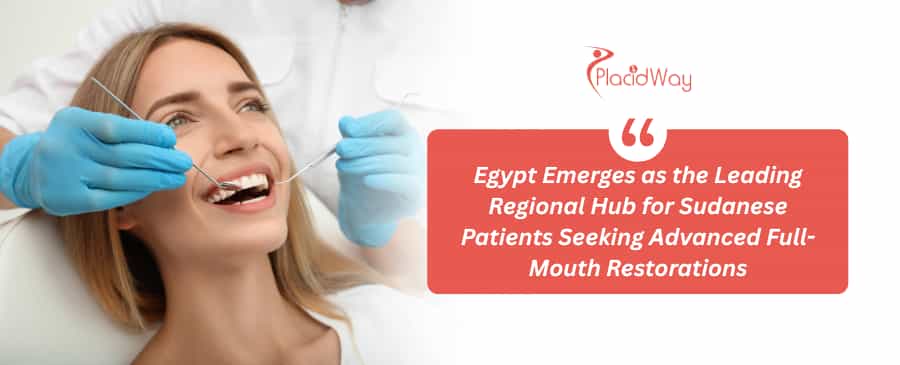
Medical travel between neighboring nations has grown exponentially in recent years as individuals seek accessible healthcare solutions. For many individuals, crossing the border provides access to highly specialized treatments that are either unavailable or cost-prohibitive locally. This specific healthcare mobility is especially noticeable among individuals seeking comprehensive, multi-disciplinary dental care. Consequently, specialized dental facilities are rapidly adapting to welcome international guests with culturally tailored and highly professional services.
Finding reliable restorative treatments requires careful research and strategic planning to ensure safety and clinical success. Geographic proximity, combined with deeply rooted cultural and linguistic similarities, significantly reduces the traditional stress associated with seeking healthcare abroad. Patients can communicate their complex medical needs directly without relying heavily on medical translators, ensuring precise clinical understanding. As a result, dental tourism in Egypt has rapidly become the preferred corridor for Sudanese patients seeking high-quality dental rehabilitation.
Shared language and cultural affinity play a massive role in medical tourism decisions. For Sudanese patients, communicating symptoms and concerns in Arabic with Egyptian medical staff eliminates translation errors, fostering a deeply reassuring and transparent doctor-patient relationship.
- Proximity allows for shorter, more affordable travel arrangements.
- Shared language ensures clear communication of complex dental procedures.
- Access to advanced diagnostic technology that may be locally scarce.
- Availability of highly trained, internationally certified dental specialists.
- Familiar cultural environments help reduce anxiety during medical travel.
Understanding the Comprehensive Full-Mouth Restoration Procedure in Egypt
A full-mouth restoration in Egypt is not a single, isolated procedure, but rather a highly customized series of restorative treatments. This complex clinical approach is generally designed to rebuild, replace, or repair nearly all of the teeth in a patient's upper and lower jaws. Healthcare providers typically begin with a rigorous diagnostic phase involving 3D imaging to assess bone density, nerve pathways, and overall oral health. From there, a multi-phased treatment plan is strategically mapped out to address both functional bite issues and aesthetic concerns simultaneously.
The success of these extensive rehabilitations relies heavily on the integration of various dental disciplines, including prosthodontics, periodontics, and oral surgery. Patients might undergo extractions, bone grafting, implant placement, and the fitting of custom crowns or bridges over a period of several months. Results generally depend on a patient's strict compliance with healing protocols and their baseline anatomical health. While the process is demanding, the ultimate goal is to restore the structural integrity of the mouth and improve the patient's overall quality of life.
- Extensive diagnostic imaging using Cone Beam Computed Tomography (CBCT).
- Surgical extraction of severely decayed or structurally compromised teeth.
- Placement of biocompatible titanium dental implants into the jawbone.
- Application of temporary prosthetics to maintain function during the healing phase.
- Final placement of highly durable, customized porcelain crowns or full-arch bridges.
Key Benefits of Dental Tourism in Egypt for International Patients
Choosing to pursue advanced full-mouth restorations in Egypt offers a multitude of strategic advantages for international medical travelers. Foremost among these is the immediate access to cutting-edge dental technology and globally recognized materials that ensure longevity and aesthetic excellence. Leading facilities in this region invest heavily in digital dentistry, allowing for highly precise surgical guides and rapid prosthetic milling. This technological superiority helps to streamline complex procedures and generally minimizes the time patients must spend in the surgical chair.
Beyond the impressive clinical infrastructure, international patients benefit from highly organized and efficient healthcare delivery models. Medical wait times, which can be a significant barrier in many countries, are often drastically reduced for traveling patients who require prompt attention. Furthermore, the concentrated expertise of multidisciplinary dental teams working under one roof ensures that comprehensive cases are managed seamlessly. This collaborative environment fosters higher standards of care and typically leads to more predictable, satisfying clinical outcomes for the patient.
Before departing from Sudan, always secure comprehensive digital copies of your recent dental X-rays, panoramic scans, and comprehensive medical history. Sharing these files with your chosen facility ahead of time allows the specialists to perform a remote evaluation and outline a tentative treatment plan.
- Significant reduction in pre-surgical waiting times for international arrivals.
- Access to multidisciplinary specialists collaborating in single, modern facilities.
- Utilization of internationally recognized, premium-grade dental implant brands.
- Availability of advanced pain management and conscious sedation techniques.
- Dedicated international patient departments to streamline the clinical experience.
Analyzing the Affordable Full-Mouth Restoration Cost in Egypt
The financial aspect of extensive dental rehabilitation is frequently the primary catalyst driving patients to seek cross-border healthcare solutions. The full-mouth restoration cost in Egypt is structurally highly competitive when compared to the expenses incurred in Western nations or locally where materials must be heavily imported. This affordability is generally achieved through favorable exchange rates and lower operational overheads, rather than any compromise on the quality of medical consumables. Consequently, patients can access premium healthcare services without experiencing catastrophic financial strain.
When analyzing costs, it is vital to understand that full-mouth rehabilitation is a bespoke service, meaning exact pricing varies based on individual anatomical needs. The necessity for supplementary procedures, such as sinus lifts or extensive bone grafting, will naturally increase the overall financial investment required. However, transparent billing practices in leading facilities usually provide patients with a comprehensive breakdown during their initial remote consultations. This allows medical travelers to budget effectively and avoid unexpected expenses during their restorative journey.
| Procedure Category | Average Cost in Egypt (USD) | Estimated Cost in Sudan / Region (When Available) |
|---|---|---|
| Single Titanium Dental Implant (with Crown) | $500 - $900 | $1,200 - $2,500 |
| All-on-4 Implant System (Per Arch) | $3,500 - $5,500 | $7,000 - $12,000 |
| Bone Grafting / Sinus Lift (Per Site) | $200 - $500 | $600 - $1,200 |
| Full-Mouth Zirconia Crowns (24-28 teeth) | $4,000 - $7,000 | $9,000 - $15,000 |
Common Dental Techniques Used for Full-Mouth Rehabilitation in Egypt
Restoring a completely compromised dentition requires a sophisticated blend of surgical precision and artistic prosthodontics. Dentists frequently employ the highly effective All-on-4 or All-on-6 techniques to securely anchor a full arch of prosthetic teeth using minimal titanium posts. This specific methodology often avoids the need for extensive bone grafting by utilizing the densest areas of the patient's natural jawbone. By strategically angling the implants, specialists can typically provide immediate provisional loading, meaning patients leave with functional, temporary teeth.
For patients who still retain healthy tooth roots, comprehensive rehabilitation might focus primarily on advanced crown and bridge work rather than extractions. High-strength materials, such as monolithic zirconia or lithium disilicate (E-max), are frequently utilized to create restorations that mimic the translucency of natural enamel. The specific combination of surgical and restorative techniques chosen is rigorously tailored to the patient’s unique structural limits. The primary objective is always to establish a stable, functional occlusion while achieving a highly natural aesthetic appearance.
Not every patient is an immediate candidate for extensive dental implant surgery. Individuals with uncontrolled diabetes, active periodontal infections, or those undergoing specific cancer treatments typically face a significantly higher risk of surgical complications and implant failure. A comprehensive medical clearance from a primary care physician is generally mandatory before proceeding.
- All-on-4 or All-on-6 implant-supported fixed bridges for total arch replacement.
- Guided tissue regeneration and bone grafting to rebuild lost foundational jaw structures.
- Precision placement of Zirconia crowns for superior durability and lifelike aesthetics.
- Endodontic therapy (root canals) to salvage and stabilize heavily decayed natural teeth.
- Soft tissue grafting to repair receding gums and create a healthy mucosal barrier.
Evaluating the Safety and Quality of Dental Care in Egypt
Safety remains the paramount concern for any individual embarking on an international medical journey. Reputable facilities providing dental procedures in Egypt adhere strictly to rigorous international sterilization and infection control protocols to safeguard patient health. Many top-tier centers pursue voluntary accreditations from global healthcare organizations, ensuring their operational standards mirror those found in leading Western hospitals. This commitment to clinical excellence provides profound peace of mind to visiting patients.
Furthermore, the quality of care is heavily bolstered by the continuous education and global exposure of the attending medical professionals. Many specialists managing complex restorations have completed advanced fellowships or specialized training programs in Europe or North America. By combining this high-level academic expertise with state-of-the-art diagnostic equipment, these teams are well-equipped to manage both routine rehabilitations and complex surgical anomalies safely. Consequently, patients generally experience structured, secure, and highly professional medical environments.
According to numerous global dental studies, titanium dental implants—the cornerstone of modern full-mouth restorations—typically boast a long-term clinical success rate of 95% to 98% when placed by experienced specialists in healthy, non-smoking candidates.
- Strict adherence to multi-step autoclave sterilization for all non-disposable instruments.
- Implementation of digital tracking systems to monitor the authenticity of implant materials.
- Employment of specialized anesthesiologists to monitor patients during conscious sedation.
- Regular facility audits conducted by independent international healthcare boards.
- Use of high-grade, biocompatible materials approved by global regulatory agencies.
Preparing for Your Dental Journey from Sudan to Egypt
A successful cross-border medical experience requires meticulous preliminary planning and open communication with your chosen healthcare provider. Sudanese dental patients in Egypt usually begin their journey by engaging in detailed virtual consultations from the comfort of their homes. During these initial assessments, patients must be entirely transparent regarding their past medical history, current medications, and any lifestyle habits, such as smoking. This crucial exchange of information allows the surgical team to anticipate potential complications and tailor the surgical approach accordingly.
Once clinical candidacy is tentatively confirmed, patients must begin coordinating the logistical aspects of their medical travel. This preparation involves arranging secure transportation, ensuring travel documents are up to date, and scheduling the appropriate time away from work or family duties. Understanding the phased nature of full-mouth restorations is vital, as patients typically need to plan for at least two separate visits spaced several months apart. Proper preparation ultimately minimizes travel-related stress and allows the patient to focus entirely on their clinical recovery.
Patient Case Summary: Ahmed's Restoration Journey
Ahmed, a 55-year-old teacher from Khartoum, struggled with severe tooth loss that affected his speech and digestion. After an initial virtual consultation, he traveled north for an All-on-4 procedure. "The preliminary planning was highly detailed," he reported. Following his healing phase, he successfully received his final prosthetics, noting a significant improvement in his daily comfort and confidence.
Patient Case Summary: Fatima's Aesthetic Rehabilitation
Fatima required extensive restorative work, including multiple crowns and localized bone grafting. She coordinated her specialized care across two distinct visits. "I was nervous about the logistics, but having a clear, phased clinical plan provided immense peace of mind," she explained. Her final results successfully restored both the function of her bite and the aesthetics of her smile.
The Expected Recovery Process After Dental Implants in Egypt
The post-operative recovery phase is a critical component that ultimately dictates the long-term success of any comprehensive dental surgery. Immediately following the placement of affordable dental implants in Egypt, patients typically experience localized swelling, mild bruising, and manageable discomfort. Dental specialists generally prescribe specific regimens of antibiotics and anti-inflammatory medications to mitigate infection risks and control pain. Adhering strictly to these pharmacological guidelines is essential for promoting uncomplicated initial soft-tissue healing.
The most crucial phase of recovery, known as osseointegration, occurs beneath the gum line over the subsequent three to six months. During this period, the patient's natural jawbone must biologically fuse with the titanium implant posts to create a rock-solid foundation for the final crowns. Patients are universally advised to maintain a strict soft-food diet during the early weeks to prevent microscopic movement of the healing implants. Patience and rigorous compliance with dietary and hygiene restrictions are generally the most reliable pathways to a successful outcome.
Post-operative swelling is a normal physiological response to oral surgery. Pack specialized medical ice packs for your initial recovery days, and plan to sleep with your head slightly elevated using extra pillows to help reduce fluid accumulation and minimize facial bruising.
- Strict adherence to a soft or liquid diet for the first several weeks post-surgery.
- Avoidance of rigorous physical exertion and heavy lifting immediately after the procedure.
- Commitment to a temporary cessation of smoking, as nicotine severely impedes vascular healing.
- Gentle, specialized oral hygiene practices using prescribed antimicrobial mouthwashes.
- Attending scheduled post-operative evaluations before returning to your home country.
Navigating Visa and Travel Requirements for Medical Tourism in Egypt
Efficiently managing the bureaucratic aspects of cross-border travel is an unavoidable step for international patients. Sudanese citizens seeking access to advanced healthcare facilities must ensure they comply with current immigration and entry regulations. Fortunately, well-established diplomatic and travel corridors typically make obtaining necessary travel clearances straightforward for those seeking medical care. Patients must possess a valid passport and should clearly state their medical intentions if required at border crossings to facilitate smoother entry.
Travel logistics are generally quite favorable, with multiple reliable transportation options linking major Sudanese cities directly to primary medical hubs. Whether utilizing short, direct commercial flights or established overland routes, patients can usually reach their clinical destinations with minimal physical strain. It is highly advisable to book flexible return tickets, as complex surgical procedures sometimes require an extra day or two of unexpected clinical monitoring. Thorough logistical preparation ensures that the patient’s primary focus remains firmly on their health and recovery.
Because Cairo is one of the most accessible major cities in North Africa, the travel time by air from Khartoum is incredibly short. This proximity makes the crucial secondary follow-up visits for final prosthetic fittings much more manageable and significantly less exhausting for the patient.
- Verify passport validity; it generally must be valid for at least six months beyond your travel dates.
- Keep hard copies of all official medical invitations and clinical appointment confirmations.
- Consider securing specialized medical travel insurance to cover unforeseen logistical delays.
- Book accommodations that offer easy access to the chosen healthcare facility to minimize daily transit.
- Prepare a folder containing all emergency medical contacts and detailed digital dental records.
Exploring Success Rates of Dental Restorations in Egypt
Patients investing significant time and financial resources into comprehensive oral rehabilitation naturally expect durable, high-quality results. The success rates for extensive procedures, such as complete arch replacements and single implants, are generally exceptionally high when performed by skilled specialists. These favorable outcomes are largely attributed to the meticulous preliminary digital planning and the utilization of globally recognized implant systems. The integration of 3D surgical guides further enhances precision, significantly lowering the risk of clinical errors during the physical placement of the titanium roots.
However, it is vital to acknowledge that clinical success is a shared responsibility between the surgical team and the patient. While the initial surgical intervention may be flawless, the long-term viability of the restoration depends heavily on the patient's lifestyle choices. Uncontrolled systemic diseases, poor daily brushing habits, and chronic smoking are the primary culprits behind late-stage implant failure. Therefore, realistic expectations and a firm commitment to lifelong dental maintenance are essential for maximizing the lifespan of the extensive restorative work.
The integration of CAD/CAM (Computer-Aided Design and Computer-Aided Manufacturing) technology in modern dental clinics has drastically reduced the margin of error in creating dental crowns. This ensures that the final prosthetics fit seamlessly over the implants, distributing bite forces evenly and reducing mechanical stress.
- High success rates rely heavily on accurate initial bone density assessments using 3D imaging.
- Premium materials like medical-grade titanium and high-density zirconia enhance physical longevity.
- Strict adherence to post-operative dietary restrictions is critical during early osseointegration.
- Routine professional cleanings are necessary to prevent peri-implantitis (gum disease around implants).
- Patient transparency regarding systemic health conditions drastically reduces unexpected surgical failures.
Assessing Candidacy for Extensive Dental Work in Egypt
Determining whether a patient is a suitable candidate for a complete oral rehabilitation is a rigorous and highly individualized clinical process. Not every individual experiencing widespread tooth loss can immediately proceed to the surgical phase of implant placement. The foundational prerequisite is adequate bone volume in the jaw, as the titanium posts require sufficient dense bone to anchor securely. If severe bone resorption has occurred due to prolonged tooth loss, preliminary surgical interventions, such as complex bone grafting or sinus lifting, will be mandatory to rebuild the necessary anatomical structure.
Beyond local anatomical considerations, a patient's overarching systemic health plays an undeniably critical role in surgical candidacy. Chronic conditions that impede the body's natural healing mechanisms, such as severe osteoporosis or uncontrolled diabetes, present significant clinical hurdles. Similarly, active periodontal disease must be aggressively treated and completely eradicated before any implants can be safely introduced into the oral cavity. A thorough, honest medical evaluation is the only way to establish realistic expectations and formulate a safe, effective treatment timeline.
Patient Case Summary: Omar's Preparatory Treatment
Omar sought a full arch restoration but was diagnosed with severe jawbone deterioration. His clinical team mapped out a preliminary bone grafting procedure. "It added several months to my overall timeline," Omar stated, "but the specialists emphasized that building a solid foundation was non-negotiable for safety." Following successful graft integration, his subsequent implant surgery proceeded without complications.
Patient Case Summary: Zainab's Periodontal Care
Zainab traveled for advanced cosmetic restorations but was initially flagged for active gum disease during her assessment. Her treatment was paused to administer extensive periodontal therapy. "The medical team prioritized my health over rushing the aesthetic work," she noted. Once her gums healed and stabilized, the restorative phase was safely completed.
Managing Long-Term Dental Health After Returning from Egypt
The conclusion of your cross-border medical journey marks the beginning of a lifelong commitment to maintaining your newly restored oral health. Returning home with a fully functional, aesthetic smile requires patients to adopt rigorous and uncompromising daily hygiene protocols. Prosthetic teeth and titanium implants, while immune to traditional cavities, remain highly susceptible to destructive gum infections if bacterial plaque is allowed to accumulate. Patients must utilize specialized tools, such as water flossers and interdental brushes, to thoroughly clean the challenging spaces beneath fixed dental bridges.
Furthermore, establishing a relationship with a trusted local dental professional upon returning home is highly recommended. Routine professional examinations and specialized cleanings are vital for monitoring the long-term stability of the implants and the health of the surrounding mucosal tissue. If any minor issues arise, such as a slight loosening of a prosthetic screw or localized gum inflammation, early intervention is crucial. Proactive, consistent maintenance is the definitive key to ensuring that the substantial investment in your full-mouth restoration in Egypt lasts a lifetime.
Patients who aggressively grind their teeth at night (bruxism) pose a significant risk to the physical integrity of their new ceramic or zirconia crowns. Specialists frequently mandate the nightly use of a custom-fitted acrylic night guard to protect the extensive restorative work from excessive mechanical forces.
- Commit to brushing at least twice daily using non-abrasive toothpaste.
- Incorporate daily use of an oral irrigator (water flosser) to flush debris from under bridges.
- Schedule professional dental check-ups and specialized implant cleanings every six months.
- Avoid utilizing your new prosthetic teeth as tools to open packaging or bite extremely hard objects.
- Immediately report any signs of persistent gum bleeding or implant mobility to a dental professional.
How PlacidWay Assists Your Full-Mouth Restoration Medical Tourism Journey in Egypt
Navigating the complexities of international medical travel can feel overwhelming, especially when planning highly intricate restorative dental procedures. Finding reputable providers, interpreting medical credentials, and initiating initial contact requires significant time and specialized knowledge. Expert facilitation ensures that patients connect with accredited facilities that adhere to the highest international standards of safety and clinical excellence.
Through dedicated medical tourism facilitation, patients receive structured guidance designed to streamline their healthcare journey from initial inquiry to final recovery. By simplifying the provider selection process and fostering clear communication, patients can approach their cross-border dental rehabilitation with confidence and peace of mind.
- Providing access to a curated network of highly accredited, internationally certified dental specialists.
- Assisting with the secure transfer of digital dental records and X-rays for remote clinical evaluations.
- Facilitating direct communication channels between the patient and the foreign medical team.
- Helping patients obtain transparent, itemized estimates for comprehensive restorative treatment plans.
- Offering unbiased information regarding the clinical expertise and technological capabilities of various healthcare providers.
Frequently Asked Questions About Dental Treatments in Egypt
Making an informed decision about international dental surgery requires accessing clear, factual, and straightforward information. Medical travelers naturally have numerous questions regarding timelines, safety protocols, potential risks, and post-operative expectations. Addressing these common concerns helps to demystify the process and allows individuals to prepare mentally and logistically for their healthcare journey.
Below is a compilation of frequently asked questions designed to provide concise, relevant insights into the realities of seeking extensive oral rehabilitation abroad. These answers serve as a general educational guide to help prospective patients understand the clinical and practical aspects of cross-border dental care.
How long does a full-mouth restoration in Egypt typically take?
The timeline for a full-mouth restoration in Egypt generally varies from a few weeks to several months. Patients requiring bone grafts or dental implants typically need to wait for proper healing and osseointegration before permanent crowns are placed. Your dental provider will outline a personalized schedule based on your specific clinical needs.
Are dental implants in Egypt safe for international patients?
Yes, receiving dental implants in Egypt is generally considered safe when utilizing accredited facilities that adhere to international hygiene protocols. Most leading centers utilize modern sterilization techniques and global implant brands. However, safety also depends on the patient providing an accurate medical history to mitigate potential risks.
What factors influence the full-mouth restoration cost in Egypt?
The overall cost is typically influenced by the complexity of your dental case, the specific materials chosen for crowns or prosthetics, and the need for preliminary procedures like extractions or bone grafting. Utilizing premium international implant brands may also increase the total expense. Patients generally receive a detailed breakdown during their initial consultation.
Can Sudanese patients travel to Egypt easily for dental tourism?
Traveling from Sudan to Egypt for dental care is highly popular due to geographic proximity and well-established transport routes. Many patients utilize direct flights or safe overland border crossings to reach major medical hubs. It is recommended to verify current visa and entry requirements before planning your medical journey.
Will I experience pain during my extensive dental procedure?
Dentists typically use local anesthesia, and sometimes conscious sedation, to ensure patients remain comfortable and pain-free during the actual surgical procedures. Mild to moderate discomfort and swelling are common during the initial days of the recovery process. Your dental team will generally prescribe appropriate pain management medication for post-operative care.
What happens if a dental implant fails after returning to Sudan?
While implant failure is uncommon, it can occur due to infection, poor bone integration, or inadequate oral hygiene. If complications arise, patients should immediately contact their treating provider in Egypt for remote guidance. Many reputable facilities offer warranties on the implant materials and can assist with coordinating necessary follow-up care.
Do I need to stay in Egypt for the entire healing period?
Most patients do not need to remain in the country for the entire multi-month healing phase required for implants. Patients typically make an initial trip for the surgical placement, return home to heal, and then travel back for the final prosthetic fitting. Your provider will design a treatment timeline that accommodates international travel schedules.
Are there specific health conditions that prevent me from getting dental implants?
Certain medical conditions, such as uncontrolled diabetes, active periodontal disease, or severe autoimmune disorders, can significantly compromise implant success. Heavy smoking also greatly reduces the body's ability to heal and integrate bone. A thorough medical evaluation is generally required to confirm your candidacy before any surgical steps are taken.
How do I maintain my new dental restorations long-term?
Long-term success relies heavily on maintaining meticulous daily oral hygiene, including thorough brushing and specialized flossing techniques. Patients are generally advised to schedule regular professional cleanings and routine dental check-ups in their home country. Avoiding overly hard or sticky foods can also help protect your new dental prosthetics.
Can I request a remote consultation before traveling to Egypt?
Yes, many facilities specializing in international patients offer comprehensive remote consultations prior to travel. You will typically need to provide recent dental X-rays or 3D CBCT scans securely through digital platforms. This allows the dental team to formulate a preliminary treatment plan and provide realistic cost estimates before you commit to the journey.
Ready to start your journey towards a complete, confident smile? Discover customized dental solutions and expert medical travel facilitation today.
Medical Disclaimer: This article is for informational purposes only and is not medical advice. Always consult a qualified healthcare provider before any medical decisions. Results may vary. Read Full Disclaimer here.
References
- National Center for Biotechnology Information (NCBI). Dental Implants. https://www.ncbi.nlm.nih.gov/books/NBK470448/
- World Health Organization (WHO). Patient Safety and Infection Control in Dentistry. https://www.who.int/news-room/fact-sheets/detail/oral-health
- Mayo Clinic. Dental Implant Surgery: Risks and Preparation. https://www.mayoclinic.org/tests-procedures/dental-implant-surgery/about/pac-20384622
- Cleveland Clinic. All-on-4 Dental Implants: Procedure & Recovery. https://my.clevelandclinic.org/health/treatments/10903-dental-implants

.png)
.png)

.png)
.jpg)
.png)
.png)





.png)








Share this listing