



A recent executive order signed by President Trump has directed the U.S. administration to dramatically accelerate reviews of certain psychedelic drugs, including the controversial plant medicine ibogaine. This landmark decision, heavily backed by combat veterans, highlights the growing recognition of these therapies for severe PTSD and opioid dependency. However, while the FDA is now issuing national priority vouchers to fast-track domestic clinical trials, widespread legal access within the U.S. remains years away. This ongoing delay has prompted many patients to look internationally for immediate, medically supervised care within this booming "psychedelic renaissance."
As a result of these restrictive domestic policies, international healthcare hubs have emerged as vital resources for patients seeking profound alternative healing. Seeking affordable Ibogaine treatment in Mexico has become a primary avenue for individuals who have exhausted traditional pharmaceutical options and standard talk therapies. These international facilities generally offer structured environments where patients can undergo therapy under professional supervision. By bridging the gap between emerging scientific trends and patient access, these cross-border medical options provide a crucial lifeline for those ready for deep transformation.
The recent executive order includes a call for the Department of Health and Human Services to direct at least $50 million to a federal-state partnership, advancing psychedelic drug research for serious mental illnesses.
Ibogaine is naturally derived from the root bark of the Tabernanthe iboga shrub, traditionally utilized for centuries in West African ceremonial and spiritual practices before becoming a major focus of the modern psychedelic wellness trend.
Understanding How Psychedelic Therapy Works for Patients
The mechanism of action for this unique plant medicine is complex and entirely different from traditional psychiatric medications. It is believed to interact with multiple neurotransmitter systems in the brain simultaneously, which typically helps to temporarily reset deeply ingrained neural pathways. Many researchers suggest this complex interaction creates a powerful window of neuroplasticity, allowing patients to break free from repetitive thought loops associated with trauma. The psychological experience is often described as a waking dream state where past experiences can be processed with emotional detachment.
Clinically, this therapy is generally utilized to target hard-to-treat conditions that have not responded to conventional therapies. It is particularly noted for its potential application in mitigating severe substance withdrawal symptoms and reducing cravings, making it a focal point of alternative recovery movements. For combat veterans and trauma survivors, it typically allows individuals to review traumatic memories without the overwhelming physiological anxiety response that usually accompanies them. While results vary widely, the overarching goal is to interrupt chronic psychological distress and pave the way for ongoing behavioral therapy.
Recent independent clinical observations conducted by U.S. researchers evaluating international patients noted that a significant percentage of veterans treated abroad showed measurable short-term improvements in severe trauma and anxiety symptoms.
Why Choose Medical Tourism in Mexico for Alternative Treatments
Navigating the global landscape of alternative medicine requires finding a destination that balances legal accessibility with established clinical infrastructure. Medical tourism in Mexico provides exactly this balance, allowing international patients to access trending holistic therapies that are currently restricted in their home countries. Because the substance operates in a legally permissible space south of the border, specialized clinics have had the time and freedom to develop robust protocols. This environment fosters dedicated wellness centers focused entirely on specialized alternative mental health interventions.
Beyond the legal framework, proximity plays a massive role in why North American patients choose this destination. Flights are relatively short, which typically minimizes travel-related stress for individuals already managing severe psychological burdens. Furthermore, many facilities are situated in tranquil, private settings away from busy tourist areas to prioritize patient confidentiality and peace. This combination of geographic convenience and specialized clinical environments makes it a highly sought-after destination for transformative healing.
When planning your journey, always verify the exact location of the facility relative to major international airports, and inquire if the clinic provides private ground transportation to minimize logistical anxiety upon arrival.
Comprehensive Ibogaine Cost in Mexico versus the United States
Financial planning is a critical component of preparing for international medical travel, especially since these holistic treatments are generally paid completely out-of-pocket. Understanding the Ibogaine cost in Mexico is essential because alternative therapies are not recognized by traditional health insurance providers in North America. The pricing structures typically reflect not just the medication, but the extensive medical supervision, room and board, and specialized therapeutic support required. Patients should be wary of prices that seem abnormally low, as this often indicates a lack of necessary emergency medical infrastructure.
In the United States, because the treatment remains unapproved and classified as an illegal substance, safe clinical comparisons do not exist. Attempting to source underground treatments domestically carries extreme legal and medical risks. Therefore, evaluating international options requires looking at the comprehensive value of legal, medically supervised packages. The following table provides a general market comparison of what patients typically expect to invest in these alternative wellness programs.
| Treatment/Procedure Name | Average Cost in Mexico | Cost Comparison (U.S. / Canada) |
|---|---|---|
| Medical Detoxification Package | $8,000 - $12,000 | Not Legally Available / Unapproved |
| Comprehensive Wellness Retreat (7-14 Days) | $15,000 - $20,000 | Not Legally Available / Unapproved |
| Post-Care Psychological Integration Services | $1,500 - $3,000 | $5,000 - $10,000+ (Standard Therapy Rates) |
Identifying the Right Candidate for Psychedelic Therapy Abroad
Alternative plant medicines are absolutely not a universal solution and require rigorous pre-qualification to ensure patient safety. Identifying the right candidate begins with extensive psychological and physiological screening to rule out severe contraindications. Individuals with a history of certain psychiatric disorders, such as schizophrenia or severe bipolar disorder, are generally advised against this specific type of intervention. The ideal candidate is typically someone who has tried conventional treatments without success and possesses a strong, dedicated commitment to their long-term recovery.
Physical health is just as critical as psychological readiness when evaluating international patients. The cardiovascular strain caused by the procedure means that patients must have a strong, healthy heart to be considered viable candidates. Liver function is also closely evaluated, as the body must be able to properly metabolize the plant alkaloids. A responsible clinic will generally request comprehensive lab work and specialized cardiac testing weeks before approving a patient for travel.
Patients with pre-existing heart conditions, prolonged QTc intervals, or significant liver damage face extreme, potentially fatal risks. Full disclosure of your medical history to evaluating clinicians is a mandatory life-saving measure.
Due to cardiovascular safety concerns, the National Institutes of Health (NIH) briefly funded research into this alkaloid in the 1990s but discontinued the trials, highlighting why modern clinical supervision is non-negotiable.
Potential Risks and Important Safety Measures for Ibogaine
Transparency regarding the medical dangers associated with this intervention is an ethical requirement for any reputable international healthcare provider. The most significant and well-documented risk is cardiotoxicity, specifically the potential to cause dangerous irregular heart rhythms. Medical literature has linked the unmonitored use of this substance to serious adverse events, emphasizing that this is a major medical procedure, not a casual wellness experience. Dehydration, severe nausea, and electrolyte imbalances are also commonly experienced during the acute phase of the therapy.
To mitigate these substantial risks, top-tier Ibogaine clinics in Mexico implement stringent safety measures that mirror traditional hospital protocols. This generally includes continuous electrocardiogram (EKG) monitoring throughout the entire active duration of the medicine. Facilities typically keep emergency resuscitation equipment, crash carts, and intravenous medications on standby at all times. Furthermore, the presence of trained medical doctors rather than just holistic guides is what separates safe medical tourism from dangerous underground alternatives.
Some advanced clinics are now safely administering intravenous magnesium alongside the primary treatment. Recent observational studies indicate this combination may significantly reduce the cardiovascular risks associated with the procedure.
Preparing for Your Healing Journey and Medical Travel
Thorough preparation is vital to maximizing the potential benefits of the experience while minimizing physiological and psychological risks. Patients are typically required to undergo a strict tapering process for various prescription medications, especially SSRIs and certain pain medications, to prevent dangerous drug interactions. This tapering must always be managed under the strict guidance of a prescribing physician back home. Abruptly stopping medications without professional oversight can lead to severe withdrawal and disqualify a patient from treatment.
Beyond pharmacological preparation, mental and emotional readiness plays a massive role in the overall outcome. Patients are usually encouraged to engage in mindfulness practices, set clear intentions, and work with a therapist prior to their departure. Managing travel logistics well in advance—such as ensuring passport validity, arranging comfortable flights, and understanding the clinic's specific intake rules—helps reduce pre-treatment anxiety. Arriving at the clinic in a calm, focused state typically results in a smoother transition into the clinical environment.
Pack incredibly comfortable, loose-fitting clothing and items that bring you psychological comfort, such as a favorite blanket, a journal, or photographs, to help ground yourself during the demanding recovery phase.
What to Expect During Ibogaine Clinics in Mexico Visits
The clinical timeline is highly structured to prioritize patient safety and psychological stabilization. Upon arrival, patients generally undergo a final, exhaustive round of medical tests, including blood panels and an EKG, to confirm their fitness for the procedure. The first 24 to 48 hours are usually spent stabilizing the patient, introducing them to the clinical team, and allowing them to acclimate to the environment. The actual administration of the medicine typically occurs in a quiet, darkened room designed to minimize external sensory input.
The acute phase of the therapy is physically and emotionally demanding, often lasting anywhere from 12 to 24 hours. During this period, patients frequently experience deep introspection, vivid memory recall, and significant physical lethargy. Medical staff generally remain in the room or monitor via closed-circuit systems, checking vital signs at regular intervals without interrupting the psychological process. The subsequent days are devoted entirely to physical rest, nutritional replenishment, and beginning the initial stages of processing the experience.
The experience is commonly categorized into distinct phases: the acute visionary phase where patients often review past traumas, followed by a prolonged cognitive evaluation phase where insights are integrated.
- Day 1-2: Arrival, medical stabilization, and final physiological clearance.
- Day 3: Administration of treatment under continuous EKG and medical supervision.
- Day 4-5: The "grey day" focused entirely on deep rest, sleep, and physical recovery.
- Day 6+: Active psychological integration therapy, holistic treatments, and discharge planning.
Post-Treatment Care and Long-Term Recovery Strategies
It is crucial to understand that the clinical procedure itself is not a magical cure, but rather a powerful catalyst for change. The most important phase of the entire process begins the moment the patient leaves the facility and returns to their normal life. Without a structured aftercare plan, the temporary neuroplasticity and emotional insights gained during the retreat can quickly fade. Facilities generally emphasize that the ultimate success of the therapy relies heavily on the patient's commitment to ongoing lifestyle changes.
Long-term recovery strategies typically involve immediate engagement with integration counselors or therapists who specialize in alternative healing. Patients are encouraged to establish healthy routines, including proper nutrition, regular exercise, and supportive community networks. Avoiding old environments and social circles that triggered previous negative behaviors is often a mandatory boundary for maintaining progress. Ongoing, consistent psychological support is what ultimately transforms a profound temporary experience into lasting behavioral change.
Clinical observations suggest that patients who actively participate in structured integration therapy for at least six months post-treatment show significantly higher rates of sustained behavioral improvement compared to those who do not.
Pre-book appointments with your integration therapist and primary care physician before you even leave for your trip, ensuring you have immediate support scheduled the week you return home.
Real Patient Experiences with Affordable Ibogaine Treatment in Mexico
Exploring the narratives of those who have traveled for this specialized care provides invaluable context for prospective patients. These stories frequently highlight the stark contrast between traditional clinical settings and the holistic retreat environments found internationally. While many individuals report profound breakthroughs regarding their trauma, they also frequently note the intense physical discomfort of the process. Reading a diverse range of patient experiences helps set realistic expectations about the arduous nature of the therapy.
It is important to remember that results vary widely from person to person depending on their medical history and personal commitment. While some describe the intervention as a life-saving pivot point, others note that it simply provided a temporary window of clarity that required immense hard work to maintain. The following summaries represent typical experiences shared by international medical tourists who have undergone the procedure under professional supervision.
Testimonial Title: A Combat Veteran's New Perspective
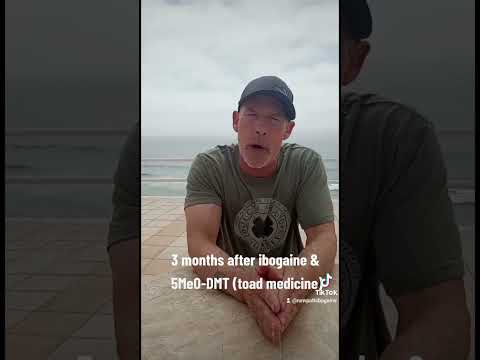
"After years of struggling with severe PTSD and finding no relief through standard medications, I traveled internationally for this treatment. The medical team monitored my heart the entire time, which eased my anxiety. The process was exhausting and difficult, but for the first time in a decade, the constant background noise of my trauma felt quieted. It wasn't a magic fix, but it gave me the mental space I needed to actually benefit from talk therapy." - Patient profile summary based on typical veteran experiences.
Testimonial Title: Breaking the Cycle of Dependency
"I was terrified of the physical risks, but the clinic in Mexico required extensive EKG testing before they even accepted me. The acute phase was the hardest night of my life, physically and emotionally. However, waking up without the immediate, crushing physical cravings I had battled for years was inexplicable. It provided a completely clean slate, though I still have to work hard every single day in my recovery meetings." - Patient profile summary based on dependency recovery reports.
Integrating Alternative Medicine into Traditional Treatment Plans
The modern approach to treating severe mental health conditions increasingly relies on bridging the gap between alternative interventions and traditional medicine. Rather than viewing plant-based therapies as a replacement for standard psychiatric care, forward-thinking professionals view them as complementary tools. Patients typically achieve the best outcomes when they maintain an open, honest dialogue with their primary care physicians about their medical tourism plans. This collaborative approach ensures that all physiological bases are covered before and after travel.
A comprehensive wellness strategy requires the integration of biological, psychological, and social support systems. When patients return from their international treatment, they often need their local doctors to help monitor their physical recovery and adjust any previously prescribed medications carefully. By rejecting the dangerous mindset of the "magic pill" and embracing a holistic, multi-disciplinary approach, patients can maximize the safety and efficacy of their journey.
Testimonial Title: Collaborative Care with My Doctor
"I was honest with my domestic psychiatrist about my plans to go to an international clinic. While they couldn't recommend it officially, they helped me safely taper off my SSRIs so I wouldn't risk serotonin syndrome. Having my regular doctor handle my aftercare bloodwork made the transition back home feel much safer and more professional." - Patient profile summary based on collaborative care experiences.
Testimonial Title: Finding the Right Support Network
"The retreat provided the physical reset, but I knew I needed long-term help. The clinic connected me with an integration coach who I speak to weekly via Zoom. Combining the deep psychological insights from the medicine with traditional cognitive behavioral therapy has been the cornerstone of keeping my anxiety managed." - Patient profile summary based on continuous care strategies.
How to Select Trustworthy Psychedelic Therapy Providers Abroad
The lack of standardized international regulation means the burden of vetting a facility falls heavily on the patient and their advocates. Choosing the right provider is the single most important decision a medical tourist will make, dictating both their physical safety and overall clinical outcome. Patients should actively demand transparency regarding the clinic's medical licensing, the credentials of the attending physicians, and the exact ratios of medical staff to patients. A trustworthy provider will gladly share this information and encourage prospective patients to ask difficult questions.
When evaluating options, prioritize facilities that operate like boutique medical hospitals rather than purely spiritual retreats. The presence of emergency medical protocols, advanced cardiac equipment, and a clear transfer plan to a local emergency room in case of complications is non-negotiable. Red flags typically include clinics that guarantee specific results, downplay the cardiovascular risks, or rush patients through the vital pre-screening medical process.
Always ask specifically if the attending physician possesses current Advanced Cardiac Life Support (ACLS) certification and request details on their specific protocols for managing bradycardia or dangerous arrhythmias.
Industry analyses of medical tourism safety indicate that facilities strictly adhering to pre-treatment EKG screening and blood liver panel protocols experience drastically lower rates of severe adverse medical events.
Maximizing the Benefits of Your Wellness Retreat in Mexico
To fully capitalize on the investment of medical travel, patients should engage fully with the supplementary therapies generally offered by premium facilities. These international wellness centers frequently incorporate a variety of holistic modalities designed to support the central medical intervention. Practices such as guided breathwork, medically supervised sauna detox, yoga, and specialized nutritional counseling are not merely luxurious add-ons. They serve a vital purpose in helping the central nervous system recover from the immense strain of the acute treatment phase.
Furthermore, the physical environment of the destination plays an undeniable role in psychological safety and recovery. Taking the time to slowly decompress in a peaceful, natural setting before rushing back to the chaotic stressors of daily life is highly recommended. Many successful patients build an extra few days into their travel itinerary purely for rest, allowing the initial profound insights to settle before facing the demands of work and family life.
The psychological concept of "Set and Setting"—the mindset of the patient and the physical environment of the clinic—is considered by researchers to be just as influential on the treatment's outcome as the physiological dosage itself.
Proper nutritional replenishment is critical post-treatment. Clinics often utilize specialized menus high in specific amino acids and vitamins to help rebuild depleted neurotransmitter levels naturally.
Navigating Medical Tourism with PlacidWay for Your Treatment
Coordinating complex healthcare across international borders can be an overwhelming task, particularly for individuals already managing severe health burdens. This is where partnering with a dedicated medical tourism facilitation platform provides immense value and peace of mind. Navigating language barriers, verifying clinic credentials, and understanding international patient rights are massive undertakings that require specialized expertise. Utilizing a trusted intermediary streamlines this process, allowing the patient to focus entirely on their preparation and healing.
PlacidWay serves as a comprehensive resource for patients seeking safe, highly vetted medical options abroad. By utilizing a platform that understands the nuances of global healthcare standards, patients mitigate the risks associated with booking unverified facilities online. The focus remains entirely on providing value-based assistance, connecting individuals with renowned healthcare networks that prioritize patient safety and transparent medical practices above all else.
When utilizing a medical tourism platform, request detailed profiles of multiple clinics to compare their specific medical protocols, staffing ratios, and emergency preparedness before making a final decision.
Platforms specializing in global healthcare coordination regularly evaluate international facilities against rigorous standards of care to ensure they meet the expectations of discerning international patients.
- Verified Clinic Networks: Access to a curated selection of international facilities that maintain high standards of clinical transparency and medical care.
- Streamlined Communication: Facilitation of direct, clear dialogue between the patient and the chosen international medical team to address all pre-treatment concerns.
- Comprehensive Resource Access: Provision of detailed provider profiles, procedural information, and international patient guides to empower informed healthcare decisions.
- Dedicated Patient Support: Ongoing, value-based assistance throughout the entire discovery and planning phase of the medical journey.
Frequently Asked Questions
Yes, unlike in the United States where it remains heavily restricted, the substance operates in an unregulated but legally permissible space in Mexico. This allows specialized facilities to offer the treatment under clinical supervision.
Patients generally seek this therapy for severe, treatment-resistant mental health conditions. These frequently include severe PTSD, chronic anxiety, depression, and long-standing substance use disorders.
A comprehensive retreat usually lasts between 7 to 14 days, depending on the individual's needs. This timeframe allows for proper medical screening, the acute treatment phase, and essential initial recovery.
Yes, there are significant cardiovascular risks associated with the substance, including potentially fatal heart arrhythmias. Strict medical screening and continuous EKG monitoring during the procedure are absolutely critical.
Most international patients from the U.S. and Canada do not need a specialized medical visa for short-term wellness retreats in Mexico. A standard tourist permit is typically sufficient for the duration of the stay.
Because it is an unapproved therapy in the U.S., direct comparisons are difficult, but comprehensive packages in Mexico generally range from $8,000 to $20,000. This encompasses medical staffing, the procedure, and post-care integration.
Typically, domestic health insurance policies in the U.S. do not cover international alternative treatments. Patients generally must fund these specialized procedures entirely out-of-pocket.
A reputable facility should have licensed medical doctors, trained emergency personnel, and psychological support staff on site. Advanced Cardiac Life Support (ACLS) certification is highly recommended for all attending staff.
Integration is generally considered the most vital component of long-term success. The procedure serves as a catalyst, but ongoing therapy helps patients implement new behavioral patterns into their daily lives.
Patients should thoroughly review facility credentials, verify the presence of emergency medical equipment, and look for transparent safety protocols. Utilizing established medical tourism platforms can also assist in identifying vetted providers.
References
- PubMed. (2026). Clinical Observations of Alternative Alkaloid Therapies in International Settings. https://pubmed.ncbi.nlm.nih.gov/
- Mayo Clinic. (2026). Understanding the Cardiac Risks of Experimental Alternative Medicines. https://www.mayoclinic.org/
- U.S. Food and Drug Administration (FDA). (2026). Fast-Track Review Status for Emerging Psychiatric Interventions. https://www.fda.gov/
- WebMD. (2026). What to Know About Traveling Abroad for Alternative Mental Health Retreats. https://www.webmd.com/
.png)



.png)
.png)
.png)








Share this listing