
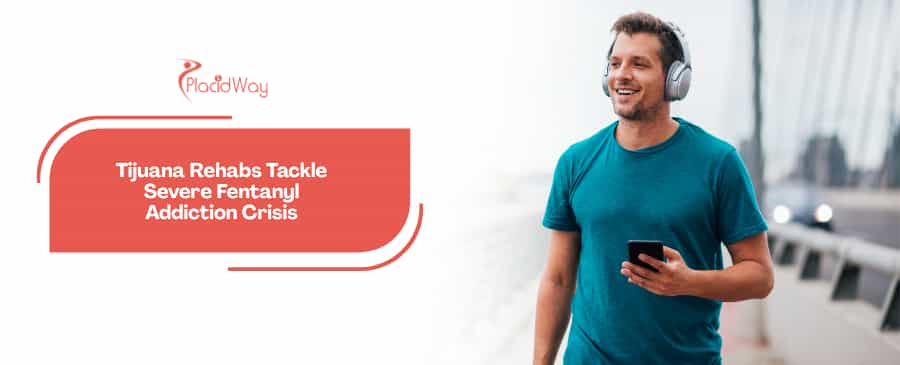
Fentanyl addiction is a complex, high-acuity crisis that requires immediate, specialized medical intervention. As synthetic opioids continue to devastate communities across North America, many patients are seeking alternative, high-quality care options abroad. Fentanyl addiction treatment in Mexico has emerged as a beacon of hope for individuals needing urgent, intensive rehabilitation.
Tijuana, located just across the border from San Diego, hosts several world-class facilities equipped to handle severe withdrawal and psychological dependencies. These rehabilitation centers typically employ multidisciplinary teams of addiction specialists, psychiatrists, and nurses. Most patients experience a highly structured environment designed to address both the physical and emotional facets of substance use disorder.
Fentanyl is estimated to be 50 to 100 times more potent than morphine, making medically supervised detoxification absolutely critical for patient safety and comfort.
- 24/7 medical monitoring to manage complex withdrawal symptoms.
- Individualized, evidence-based psychiatric evaluations upon admission.
- Multidisciplinary care teams integrating medical, clinical, and holistic support.
- Highly structured daily schedules to build routine and accountability.
The Rise of High-Acuity Synthetic Drug Rehabs in Tijuana
The sheer potency of synthetic opioids has forced rehabilitation centers to adapt their clinical protocols rapidly. High-acuity care means that a clinic must be fully prepared to manage intense physical withdrawals, psychiatric emergencies, and complex medical histories simultaneously. This elevated level of care is generally necessary to safely stabilize patients who have developed massive substance tolerances.
Tijuana has responded to this need by developing heavily resourced, highly specialized medical facilities that cater specifically to international patients. Medical tourism in Mexico has expanded beyond elective surgeries, offering life-saving interventions for those battling severe substance use disorders. Patients typically benefit from smaller patient-to-staff ratios, allowing for intense, individualized monitoring.
Mexico has seen a significant increase in international medical tourists seeking specialized behavioral health and addiction medicine over the last decade.
- Implementation of rapid response medical protocols for high-acuity patients.
- Integration of advanced psychiatric care to manage severe mood instability.
- Upgraded medical infrastructure to rival standard hospital intensive care units.
- Staff specialized specifically in synthetic opioid pharmacology.
Comprehensive Detox Protocols for Fentanyl Withdrawal in Tijuana
Detoxification from synthetic opioids is notoriously difficult, often requiring medically assisted treatment (MAT) to manage severe withdrawal symptoms safely. Attempting to detox without professional supervision is generally dangerous and highly susceptible to relapse. Tijuana rehabs typically utilize advanced pharmacological protocols to ease discomfort and reduce cravings during the critical first phase of recovery.
Board-certified medical staff closely monitor patients around the clock, administering medications that help stabilize the brain's chemistry. Most patients experience a significant reduction in acute distress when supported by these tailored, evidence-based interventions. The ultimate goal is to safely transition the individual from acute withdrawal into the therapeutic phases of rehabilitation.
Attempting to detox from high-acuity synthetic opioids without professional medical supervision can lead to severe, life-threatening complications. Always consult a qualified healthcare provider.
- Comprehensive pre-detox medical and blood evaluations.
- Administration of comfort medications to ease physical symptoms.
- Continuous vital sign monitoring and hydration therapy.
- Gradual tapering protocols tailored to the individual's specific tolerance.
Fentanyl Addiction Treatment Cost in Mexico vs US and Canada
One of the primary driving factors for seeking rehabilitation abroad is the immense financial burden associated with long-term inpatient care in North America. High-acuity treatment often requires extended stays, round-the-clock medical supervision, and intensive psychiatric care, which can drain a family's resources. Seeking affordable fentanyl addiction treatment in Mexico provides a financially viable alternative without compromising on the clinical standards of medical care.
Patients and their families can typically save a substantial amount by crossing the border, allowing for longer, more comprehensive stays that are crucial for synthetic opioid recovery. The fentanyl treatment cost in Mexico is generally a fraction of what one would pay in the United States or Canada, primarily due to lower administrative and operational costs. Below is a detailed comparison of expected expenses.
| Treatment Phase / Service | Average Cost in Mexico | Cost Comparison (US/Canada) |
|---|---|---|
| Medical Detoxification (7-14 Days) | $3,500 - $6,000 | $10,000 - $25,000 |
| 30-Day Inpatient Rehab Program | $8,000 - $15,000 | $30,000 - $60,000+ |
| 90-Day Extended Care Program | $20,000 - $35,000 | $80,000 - $150,000+ |
| Dual Diagnosis Psychiatric Care | Included or $1,000/mo | Additional $5,000 - $10,000/mo |
Medical Tourism in Mexico for Addiction Recovery
The landscape of global healthcare is continually evolving, with addiction medicine becoming a prominent sector within cross-border medical travel. Medical tourism in Mexico is highly sought after by those who require immediate admission to top-tier rehabilitation programs without enduring the long waiting lists often found in their home countries. Tijuana’s proximity to major US transit hubs makes it a particularly convenient destination.
Traveling for treatment also offers the psychological benefit of a complete change of environment, which is generally considered beneficial for breaking ingrained behavioral patterns. By removing themselves from the geographic locations associated with their substance use, individuals can focus entirely on healing. The anonymity and privacy afforded by seeking treatment internationally are also significant draws for many professionals and public figures.
Patient Experience: A Life-Saving Journey
"The level of medical attention my son received in Mexico was unprecedented. The dedicated staff helped stabilize him during the hardest days of his life, providing a level of compassion we desperately needed."
- Immediate admission procedures bypassing standard domestic waiting lists.
- Heightened levels of anonymity and discretion for recovering individuals.
- Physical distance from toxic environments and drug access points.
- Integration of luxury amenities at a fraction of standard international costs.
Advanced Therapies Offered by Fentanyl Rehab Clinics in Mexico
Overcoming a high-acuity synthetic opioid addiction generally requires more than just traditional talk therapy and group counseling. Reputable fentanyl rehab clinics in Mexico incorporate a wide array of advanced, evidence-based therapeutic modalities into their core programming. These therapies are designed to rewire neural pathways, address deep-seated trauma, and teach robust coping mechanisms.
Programs typically include Cognitive Behavioral Therapy (CBT), Dialectical Behavior Therapy (DBT), and Eye Movement Desensitization and Reprocessing (EMDR). These intensive interventions are generally administered by highly credentialed psychologists who specialize in severe substance use disorders. Most patients experience profound breakthroughs when these therapies are combined with a safe, distraction-free environment.
Many advanced rehabs now utilize pharmacogenomic testing to help determine which psychiatric medications are most likely to be effective based on a patient's unique DNA profile.
- Cognitive Behavioral Therapy (CBT) to restructure negative thought patterns.
- Trauma-informed care protocols including EMDR for PTSD management.
- Family counseling sessions facilitated through secure telehealth platforms.
- Relapse prevention mapping to identify and manage emotional triggers.
Holistic and Alternative Addiction Treatments in Tijuana
In addition to clinical and pharmacological interventions, many facilities in Tijuana integrate holistic approaches to heal the mind, body, and spirit. High-acuity addiction takes a massive toll on a person's physical health, often leading to severe nutritional deficiencies and chronic stress. Incorporating holistic care helps restore physiological balance and promotes overall well-being during the arduous recovery process.
These alternative treatments generally include specialized nutritional counseling, restorative yoga, mindfulness meditation, and art therapy. By engaging in these activities, patients typically learn how to naturally regulate their nervous systems and find joy in sober activities. This comprehensive approach ensures that every facet of the individual's health is nurtured back to vitality.
When evaluating rehabs abroad, inquire specifically about their staff-to-patient ratio to ensure your loved one receives the individualized monitoring necessary for severe addiction recovery.
- Intravenous (IV) vitamin therapy to restore depleted micronutrients.
- Mindfulness meditation programs to enhance emotional regulation.
- Acupuncture and massage therapy for pain management and stress relief.
- Equine or art therapy to facilitate non-verbal emotional processing.
Dual Diagnosis Treatment for Fentanyl Users in Mexico
A significant percentage of individuals battling synthetic opioid dependency also suffer from co-occurring mental health disorders, such as severe anxiety, clinical depression, or post-traumatic stress disorder. High-acuity rehabilitation requires a robust dual diagnosis program to treat both the addiction and the underlying psychiatric condition simultaneously. Failure to address co-occurring disorders is generally a leading cause of long-term relapse.
In Tijuana's specialized facilities, psychiatric evaluations are a standard part of the intake protocol, ensuring that all mental health variables are identified early. Treatment plans are typically tailored to include necessary psychiatric medications alongside behavioral therapies. Most patients experience a much more sustainable recovery when their mental health is stabilized alongside their substance use disorder.
Dual diagnosis treatment significantly lowers relapse rates by treating the root psychological causes of addiction simultaneously with the physical substance dependence.
- Comprehensive psychological testing during the first week of admission.
- Dedicated psychiatric team members integrated into the patient's daily care.
- Medication management customized to support sobriety and mental stability.
- Specialized therapy groups focusing on specific co-occurring disorders.
Inpatient vs Outpatient Rehab Facilities in Tijuana
When dealing with the formidable challenges of synthetic opioid dependence, choosing the right level of care is a critical medical decision. While outpatient programs exist, high-acuity cases generally require the highly immersive environment provided by inpatient rehab facilities in Tijuana. Inpatient care completely removes the individual from daily triggers and provides mandatory 24/7 medical supervision.
Outpatient programs are typically better suited for individuals who have already completed an intensive inpatient stay and are steadily transitioning back into everyday life. However, for initial detoxification and primary treatment of severe addiction, inpatient care is overwhelmingly recommended by medical professionals. This structured environment ensures that patients receive the constant support they need to navigate the toughest days of withdrawal and therapy.
Patient Experience: The Value of Inpatient Care
"Choosing an inpatient facility in Tijuana allowed me to completely disconnect from my triggers and focus 100% on healing my mind and body in a safe space."
- Inpatient Care: 24-hour supervision, isolated from drug access, intensive daily therapy.
- Outpatient Care: Flexible scheduling, requires strong self-discipline, ideal for step-down transition.
- Medical Detox: Generally only safely performed within an inpatient clinical setting.
- Community Building: Inpatient programs foster deep peer support networks critical for recovery.
Safety and Discretion at Luxury Rehab Centers in Mexico
Safety and privacy are paramount concerns for individuals and families considering international medical travel for addiction treatment. Reputable facilities in Tijuana place a high priority on creating secure, gated environments where patients can recover in absolute peace. These centers generally feature 24-hour security personnel and strict visitor policies to ensure the integrity of the therapeutic space.
Discretion is also a key feature of luxury rehabs, catering to executives, professionals, and public figures who demand strict confidentiality. Staff members are typically bound by rigorous privacy protocols akin to international medical compliance standards. Patients can focus on their recovery knowing that their personal medical information and physical presence at the facility are fiercely protected.
According to the CDC, synthetic opioids are currently the primary driver of overdose-related emergencies in North America, necessitating secure, high-acuity interventions.
- Highly restricted, gated campuses with round-the-clock monitoring.
- Confidential admissions processes that protect patient identity.
- Strict no-contraband policies ensuring a 100% substance-free zone.
- Private accommodations available to maintain executive discretion.
Aftercare and Relapse Prevention Planning in Tijuana Rehabs
The successful completion of an inpatient rehabilitation program is only the beginning of a lifelong journey toward sustained sobriety. High-quality Tijuana rehabs place an immense emphasis on developing comprehensive aftercare and relapse prevention plans before a patient is discharged. These plans are generally crucial for helping individuals navigate the challenges of returning home and facing real-world triggers.
Aftercare strategies typically include coordinating with local therapists, setting up sober living arrangements, and scheduling regular telehealth follow-ups. Relapse prevention education teaches patients how to identify internal warning signs and deploy coping strategies effectively. Most patients experience greater long-term success when they have a highly structured blueprint to follow post-treatment.
Patient Experience: Prepared for the Real World
"The aftercare planning was incredibly thorough. I left the facility with a step-by-step blueprint for my continued sobriety back home, and the continued telehealth support kept me accountable."
- Coordination of step-down care to local outpatient or sober living facilities.
- Ongoing telehealth counseling sessions with the primary clinical team.
- Detailed relapse prevention workbooks identifying individual triggers.
- Integration into local or online alumni support networks.
How to Choose the Right Fentanyl Addiction Clinic in Mexico
Selecting the appropriate facility is a monumental decision that requires careful research and consideration of a patient's specific medical and psychological needs. It is essential to verify that a facility possesses the necessary medical licensing, accreditations, and specialized experience in handling high-acuity synthetic opioid cases. Look for centers that transparently outline their clinical protocols and staff credentials.
Families should generally inquire about the specific detox methods used, the ratio of patients to clinical staff, and the availability of psychiatric support. For comprehensive guidance, explore our resources to find that aligns with international medical standards. Doing thorough due diligence typically ensures a safer and more effective treatment experience.
Always ask potential facilities to provide proof of their medical accreditation and operational licensing to ensure they meet internationally recognized standards of healthcare.
- Verify clinical credentials of lead medical directors and psychiatrists.
- Review independent patient testimonials and third-party facility audits.
- Ensure the facility has an explicit protocol for high-acuity synthetic detox.
- Confirm the availability of comprehensive aftercare support post-discharge.
Preparing for Your Medical Travel to Tijuana for Recovery
Preparing to travel internationally for inpatient addiction treatment requires careful logistical and emotional planning. Patients generally need to ensure their passports are up-to-date and gather all relevant medical records for the receiving clinical team. Coordinating closely with the facility's admissions department helps streamline the border crossing and admission process.
Most reputable rehabs provide dedicated intake coordinators who assist families with the complexities of international medical travel, often arranging for secure transportation directly from the San Diego airport. Emotionally preparing the patient involves clear communication about expectations and the rigorous nature of the road ahead. Having all logistical details settled typically alleviates unnecessary anxiety on the day of travel.
Patient Experience: Seamless Admissions
"The admissions team coordinated everything from our arrival in San Diego. It lifted a massive weight off our shoulders during a very chaotic family crisis."
- Compile full medical histories, including psychiatric records and current medications.
- Coordinate direct transport services through the facility's admissions team.
- Pack comfortable, appropriate clothing adhering to the center's guidelines.
- Prepare emotionally by discussing treatment goals and maintaining open communication.
How PlacidWay Assists Your Fentanyl Addiction Treatment Journey in Mexico
Navigating the complexities of international medical care during a family crisis can be overwhelming, but you do not have to do it alone. PlacidWay is dedicated to connecting patients with highly vetted, internationally accredited healthcare providers worldwide. We streamline the process of finding specialized care so that families can focus entirely on their loved one's recovery.
Our platform offers comprehensive resources to help you evaluate top-tier facilities that specialize in high-acuity synthetic opioid addiction. By utilizing our extensive network, you gain access to vital information needed to make an informed, confident healthcare decision. Here is how we facilitate your journey to finding the right care:
PlacidWay has been connecting patients worldwide with accredited, top-tier medical facilities for over a decade, prioritizing safety, quality, and transparency.
- Connecting you with globally recognized and fully accredited addiction treatment centers.
- Providing detailed profiles of facility credentials, medical teams, and clinical protocols.
- Facilitating direct communication with medical directors to ensure specific clinical needs are met.
- Offering access to verified patient reviews and objective facility comparisons.
- Assisting families in understanding international healthcare standards and treatment methodologies.
Frequently Asked Questions
Why is fentanyl addiction considered high-acuity?
Fentanyl is exceptionally potent, leading to rapid physical dependence and severe, potentially dangerous withdrawal symptoms. This requires immediate, specialized medical intervention and continuous monitoring during detox.
Is it safe to travel to Mexico for addiction treatment?
Yes, reputable medical tourism facilities prioritize patient safety by offering secure, gated campuses with round-the-clock security. Furthermore, admissions teams typically arrange secure transport directly from major US transit hubs like San Diego.
Do Tijuana rehabs offer medically assisted treatment (MAT)?
Most high-quality facilities in Tijuana offer MAT to help safely manage severe withdrawal symptoms. These medications are generally administered under the strict supervision of board-certified medical professionals.
Do I need a visa to receive medical care in Mexico?
Citizens of the United States and Canada typically do not need a visa for stays under 180 days. A valid passport is generally sufficient for crossing the border to receive medical care.
How long does inpatient fentanyl rehab typically last?
High-acuity inpatient programs usually recommend a minimum stay of 30 to 90 days. Extended stays are generally advised to ensure thorough detoxification, psychological stabilization, and robust relapse prevention planning.
What is dual diagnosis treatment?
Dual diagnosis treatment addresses both the substance use disorder and any co-occurring mental health issues, such as severe anxiety or depression, simultaneously. This comprehensive approach typically reduces the risk of relapse.
Are the medical staff at Tijuana rehabs certified?
Top-tier clinics in Tijuana typically employ highly credentialed multidisciplinary teams, including board-certified doctors, psychiatrists, and specialized nurses. Many staff members hold international certifications and are bilingual.
Can I use my health insurance for treatment in Mexico?
While some specialized international or PPO insurance plans may offer partial reimbursement for out-of-network care abroad, it is essential to verify coverage directly with your provider. Many patients pay out-of-pocket due to the highly affordable rates.
What happens after I complete my inpatient program?
Reputable rehabs prioritize detailed aftercare planning before discharge. This generally involves setting up local therapy, ongoing telehealth check-ins, and connecting the patient with a robust sober support network back home.
How do I choose the best rehab facility for my needs?
Focus on facilities that boast specialized experience in synthetic opioids, robust clinical credentials, and transparent medical protocols. Utilizing medical tourism platforms can help you vet and compare internationally accredited clinics.
Take the first step towards recovery and healing today. Contact PlacidWay to explore your medical tourism options.
Medical Disclaimer: This article is for informational purposes only and is not medical advice. Always consult a qualified healthcare provider before any medical decisions. Results may vary. Read Full Disclaimer here.
References
- Centers for Disease Control and Prevention (CDC). Fentanyl Facts. https://www.cdc.gov/stop-overdose/caring/fentanyl-facts.html
- National Institute on Drug Abuse (NIDA). Fentanyl DrugFacts. https://nida.nih.gov/publications/drugfacts/fentanyl
- Mayo Clinic. Drug addiction (substance use disorder) - Diagnosis and treatment. https://www.mayoclinic.org/diseases-conditions/drug-addiction/diagnosis-treatment/drc-20365113
- World Health Organization (WHO). Opioid overdose. https://www.who.int/news-room/fact-sheets/detail/opioid-overdose







.png)
.png)
.png)


.jpg)
.jpg)
.jpg)
.jpg)








Share this listing