



The global influence of South Korean aesthetic standards has fundamentally transformed the landscape of cosmetic surgery across Asia. International patients are increasingly seeking surgical techniques that prioritize facial harmony, subtle structural enhancement, and natural integration. In response to this surging demand, advanced rhinoplasty in Ho Chi Minh City has rapidly evolved into a highly sought-after medical specialty.
Surgeons in Vietnam have meticulously integrated these sophisticated K-beauty protocols with their robust foundational surgical training. This dynamic combination offers medical tourists an exceptional level of precision without the premium price tags typically associated with major East Asian or Western medical hubs. Consequently, medical tourism in Ho Chi Minh City is experiencing unprecedented growth as patients worldwide discover this unique blend of artistry and medical expertise.
- Harmonious Proportions: Techniques focus on balancing the nasal bridge with the chin and forehead rather than isolating the nose.
- Sophisticated Grafting: Widespread adoption of advanced tissue grafting reduces reliance on artificial implants.
- Global Training: Many Vietnamese specialists undergo intensive fellowship training in globally recognized aesthetic centers.
- Tailored Aesthetics: Procedures are highly customized to respect and enhance diverse ethnic facial structures.
The "K-Beauty" influence in rhinoplasty specifically popularized the "S-curve" and "I-curve" profiles, which gracefully transition from the forehead to the nasal tip, avoiding the harsh angles of older surgical methods.
Understanding Advanced Rhinoplasty Techniques in Vietnam
Modern nose reshaping has moved far beyond simple silicone augmentation, entering an era of complex structural engineering. Advanced rhinoplasty techniques in Vietnam typically involve open surgical approaches that grant the surgeon unparalleled visibility of the delicate internal nasal framework. By fundamentally altering the underlying cartilage and bone, surgeons can achieve results that are both aesthetically pleasing and structurally sound over the long term.
The core of this advanced methodology relies heavily on the use of autologous materials, meaning tissues harvested directly from the patient’s own body. This approach generally minimizes the risk of implant rejection, extrusion, and long-term tissue thinning. Patients exploring nose surgery options abroad often find that Vietnamese specialists possess remarkable dexterity in these intricate reconstructive methods.
- Septal Cartilage Extension: Utilizing the patient’s septum to safely project and support the nasal tip.
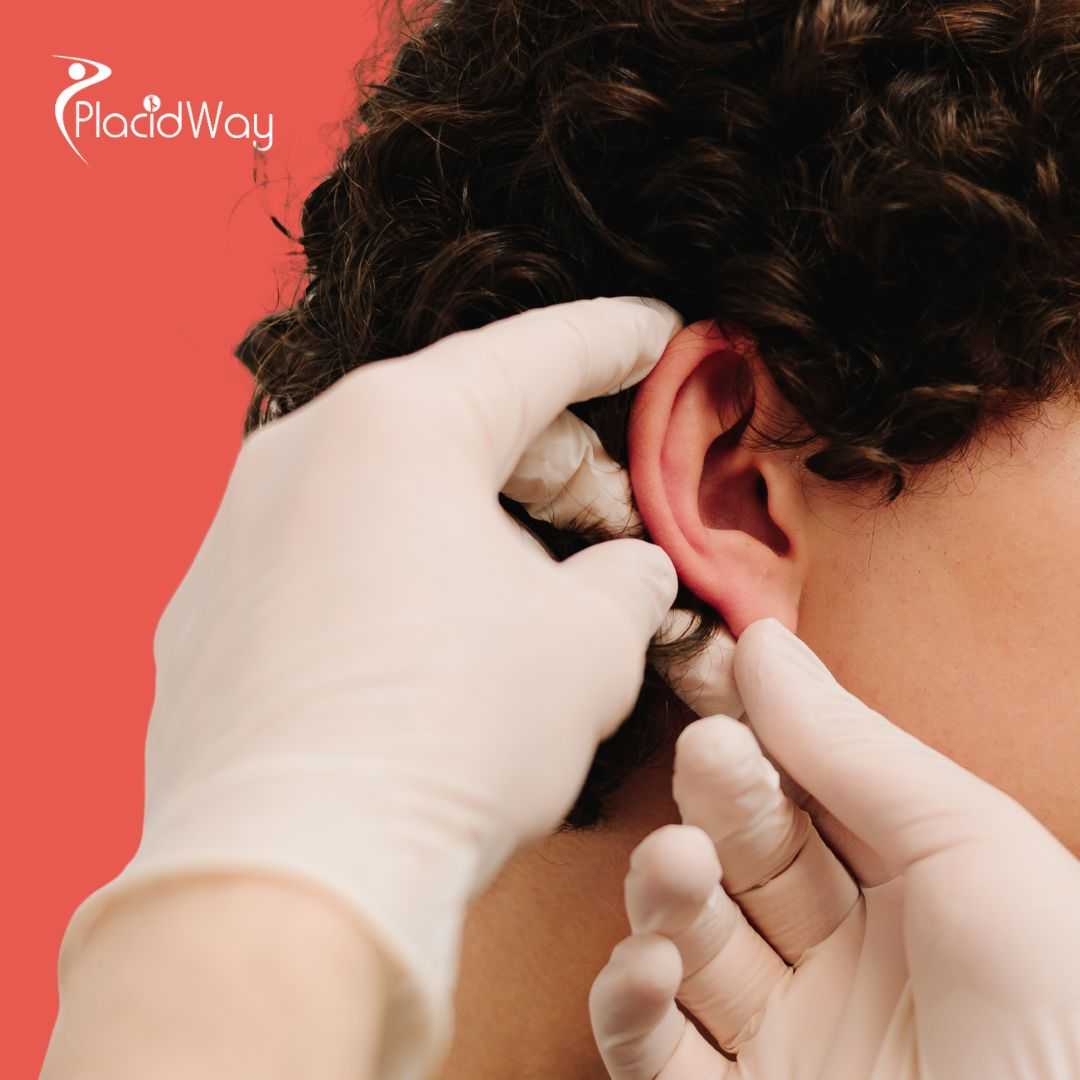
- Ear Cartilage Grafting: Harvesting soft, pliable cartilage from the ear to refine the contours of the nasal tip smoothly.
- Autologous Rib Cartilage: Employing robust rib cartilage for major structural support, especially common in complex revision cases.
- Ultrasonic (Piezo) Rhinoplasty: Utilizing high-frequency sound waves to precisely sculpt nasal bones with minimal surrounding tissue trauma.
When evaluating different surgical techniques, ask your provider about their experience with autologous cartilage versus synthetic implants, as your unique anatomy will dictate which approach offers the most sustainable outcome.
Why Medical Tourists Choose Ho Chi Minh City for Nose Reshaping
The decision to travel internationally for cosmetic enhancement requires immense trust, and Vietnam has steadily built a reputation that commands global respect. Choosing Ho Chi Minh City for rhinoplasty provides patients access to state-of-the-art medical facilities equipped with the latest diagnostic and surgical technologies. The city's top-tier international hospitals strictly adhere to rigorous global sterilization and patient care protocols.
Beyond the operating room, the city presents an incredibly hospitable environment for international visitors navigating their recovery journey. The fusion of premium medical care, warm cultural hospitality, and comprehensive logistical support creates an ideal ecosystem for healing. For those seeking high-quality cosmetic surgery in Vietnam, the destination offers an experience that seamlessly blends professional healthcare with patient comfort.
- Internationally Accredited Facilities: Many clinics operate under strict quality management systems recognized globally.
- Multilingual Medical Staff: Top facilities employ dedicated translators and English-speaking surgical teams to ensure clear communication.
- Comprehensive Care Packages: Treatment plans frequently encompass thorough pre-operative diagnostics and extensive post-operative monitoring.
- Vibrant Healing Environment: The city offers a dynamic yet comforting backdrop for patients during their initial recovery weeks.
According to recent industry observations, the influx of international medical tourists seeking cosmetic procedures in Vietnam has grown by an estimated 20% annually over the past five years.
Affordable Advanced Rhinoplasty Cost in Ho Chi Minh City vs. Global Prices
Financial accessibility remains a primary catalyst driving the medical tourism industry, but cost should never eclipse clinical quality. The affordable advanced rhinoplasty cost in Ho Chi Minh City represents a highly attractive value proposition precisely because it maintains exceptional clinical standards. The cost reduction is primarily a reflection of the lower cost of living and operational overhead in Southeast Asia, rather than a compromise in surgical excellence.
When analyzing the cost of nose reshaping in Vietnam, patients must consider the specific complexity of their required procedure. Primary surgeries utilizing simple implants naturally cost less than complex, multi-hour structural revisions utilizing rib cartilage. Even at the highest tier of surgical complexity, the financial savings compared to Western countries remain substantial.
| Procedure Name | Average Cost in Ho Chi Minh City (USD) | Cost Comparison (USA/Australia) |
|---|---|---|
| Primary Silicone Augmentation | $1,200 - $2,500 | $6,000 - $9,000 |
| Autologous Cartilage Rhinoplasty | $2,500 - $4,500 | $9,000 - $14,000 |
| Complex Rib Cartilage Rhinoplasty | $4,000 - $6,500 | $15,000 - $22,000 |
| Revision Rhinoplasty | $3,500 - $7,000 | $12,000 - $25,000+ |
The listed procedures in Vietnam frequently include pre-operative blood panels, localized or general anesthesia, and essential post-operative medications within their baseline package pricing.
The Intersection of Korean Beauty Standards and Vietnamese Surgical Expertise
The profound impact of Korean entertainment and culture has successfully redefined what patients consider an ideal nasal aesthetic. This K-Beauty influence in cosmetic surgery champions delicate refinement, prioritizing a defined, slightly projected tip and a smooth, elegant dorsal aesthetic. Surgeons in Vietnam have passionately embraced these principles, recognizing that they often yield results far superior to aggressive, overly stylized Western approaches.
To master these nuances, many leading Vietnamese plastic surgeons dedicate significant time to continuous education and hands-on fellowships in Seoul. This cross-cultural transfer of medical knowledge ensures that advanced rhinoplasty experts in Ho Chi Minh City remain at the absolute forefront of modern aesthetic innovations. They blend this acquired Korean precision with a deep understanding of diverse anatomical structures.
- Focus on the Nasal Tip: K-beauty aesthetics prioritize intricate tip plasty to create a soft, non-bulbous appearance.
- Avoidance of the 'Overdone' Look: The ultimate goal is an enhancement that is undetectable as surgical intervention to the untrained eye.
- Dorsal Refinement: Techniques focus on smoothing humps and creating a gentle slope rather than excessive scooping.
- Biocompatibility: A shared emphasis on using natural, autologous tissues to ensure the nose ages gracefully with the patient.
Patient Case Summary: Sarah's Journey
Sarah traveled from Australia seeking a delicate refinement of her nasal tip. Her surgeon in Ho Chi Minh City utilized ear cartilage to achieve a subtle, natural projection inspired by K-beauty principles. She reported immense satisfaction with her personalized care and the undetectable, harmonious surgical outcome.
Types of Rhinoplasty Procedures Available in Ho Chi Minh City
Because every patient possesses unique anatomical challenges and aesthetic goals, a one-size-fits-all approach is universally rejected by top-tier professionals. The types of rhinoplasty procedures in Vietnam span a comprehensive spectrum, allowing surgeons to tailor their surgical plans with exacting precision. Whether a patient requires a minor bridge augmentation or a total structural reconstruction, the necessary expertise is readily available.
Understanding the distinction between primary and secondary (revision) interventions is crucial for prospective medical tourists. While primary procedures address a previously untouched nasal structure, revision rhinoplasty in Ho Chi Minh City demands significantly higher technical mastery to navigate scar tissue and compromised cartilage from prior surgeries.
- Primary Rhinoplasty: The initial surgical intervention aimed at correcting congenital shape or breathing difficulties.
- Structural Rhinoplasty: An advanced technique that entirely rebuilds the nasal foundation for maximum long-term stability.
- Alarplasty: A targeted procedure designed specifically to narrow the nostrils or reduce the width of the nasal base.
- Functional Septorhinoplasty: Combining aesthetic enhancements with crucial internal corrections to alleviate breathing obstructions.
The term "Tip Plasty" refers specifically to the reshaping of the nasal tip without altering the bony structure of the upper nasal bridge, resulting in a generally faster recovery period.
What to Expect During Your Nose Surgery Consultation and Planning
The foundation of any successful cosmetic outcome is established long before the patient ever enters the operating theater. A thorough rhinoplasty consultation in Ho Chi Minh City typically begins virtually, allowing international patients to share photographs and medical histories securely. This preliminary dialogue is essential for establishing realistic expectations and identifying the most appropriate surgical techniques.
Upon arriving in Vietnam, the in-person consultation involves an exhaustive physical examination of the external and internal nasal structures. Many elite clinics utilize advanced 3D imaging software to simulate potential outcomes, ensuring the patient and surgeon share a unified aesthetic vision. Planning medical tourism in Vietnam requires active participation during this critical alignment phase.
- Detailed Medical History: Full disclosure of past surgeries, allergies, and current medications is mandatory.
- Anatomical Assessment: The surgeon will evaluate skin thickness, cartilage strength, and internal airway patency.
- 3D Outcome Simulation: Digital modeling helps visualize how subtle changes will impact overall facial harmony.
- Customized Surgical Plan: A step-by-step review of the chosen techniques, anesthesia type, and precise structural goals.
Prepare a curated folder of reference photos highlighting both the nasal aesthetics you admire and those you actively wish to avoid. This provides your surgeon with concrete visual data regarding your preferences.
The Surgical Process for Advanced Rhinoplasty in Ho Chi Minh City
Understanding the rigorous clinical environment can significantly alleviate the anxiety commonly associated with international surgery. The advanced rhinoplasty surgical process is meticulously orchestrated, beginning with comprehensive pre-operative health screenings, including blood panels and electrocardiograms. Depending on the complexity of the chosen procedure, the surgery typically utilizes either deep intravenous sedation or general anesthesia administered by board-certified anesthesiologists.
The duration of nose reshaping surgery in Vietnam generally ranges from two to five hours. Open rhinoplasty, the preferred method for advanced structural work, involves a tiny, inconspicuous incision across the columella, allowing the surgeon to lift the skin and carefully sculpt the underlying architecture. Following the immediate completion of the internal work, the nose is meticulously sutured, taped, and secured with an external protective splint.
- Pre-Surgical Prep: Final consultations with both the primary surgeon and the lead anesthesiologist.
- Harvesting Grafts: If autologous cartilage is required, it is carefully harvested from the designated donor site first.
- Structural Reshaping: The core framework is meticulously altered, reinforced, and refined using precise K-beauty methodologies.
- Immediate Post-Op Care: Patients are transferred to a dedicated recovery suite for continuous monitoring as anesthesia gently wears off.
Surgical intervention is strictly contraindicated for individuals with severe uncontrolled hypertension, bleeding disorders, or active systemic infections. Patients must cease all nicotine consumption and blood-thinning supplements weeks prior to their procedure to mitigate severe complications.
Recovery and Aftercare for Nose Surgery in Vietnam
The immediate days following your procedure are pivotal for ensuring the longevity and safety of your surgical outcome. Recovery from rhinoplasty in Ho Chi Minh City requires strict adherence to all prescribed clinical guidelines, including medication schedules and rest protocols. Most patients experience moderate swelling, localized bruising around the eyes, and a feeling of nasal congestion during the first week.
Dedicated medical professionals will closely monitor your initial healing phase, typically scheduling several follow-up appointments to clean incisions and safely remove splints. When considering post-operative care for medical tourists, you must plan to remain in Vietnam until your surgeon officially clears you for high-altitude air travel, which is generally one to two weeks post-surgery.
- First 48 Hours: Peak swelling typically occurs; patients must keep their heads elevated continuously and apply cold compresses.
- Days 5 to 7: External splints and non-dissolvable sutures are safely removed at the clinic.
- Weeks 2 to 4: Visible bruising generally fades significantly, allowing a return to light, non-strenuous social activities.
- Long-Term Healing: While the nose looks vastly improved early on, the micro-swelling typically takes a full 12 to 18 months to resolve entirely.
Patient Case Summary: Michael's Recovery
Michael underwent a functional and aesthetic septorhinoplasty. He reported that while the first three days involved uncomfortable congestion, the comprehensive aftercare support provided by the nursing staff in Ho Chi Minh City made his two-week recovery phase highly manageable and reassuring.
Risks and Considerations for Cosmetic Surgery in Ho Chi Minh City
Transparency regarding potential complications is a cornerstone of ethical medical practice worldwide. While advanced cosmetic surgery in Vietnam boasts a strong safety record when performed by credentialed experts, invasive procedures inherently carry unavoidable clinical risks. Most patients experience smooth recoveries, but it is vital to acknowledge potential challenges such as localized infections, adverse reactions to anesthesia, or delayed wound healing.
Aesthetic risks are also a critical consideration; issues such as minor asymmetry or contour irregularities can occasionally occur even under the most skilled hands. To aggressively mitigate these risks of medical tourism in Ho Chi Minh City, patients must conduct exhaustive research, verifying their chosen surgeon's specific certifications, international affiliations, and verifiable track record in complex nasal surgeries.
- General Surgical Risks: Possibility of excessive bleeding, hematoma formation, or post-operative infection.
- Aesthetic Complications: Unpredictable healing can rarely result in slight asymmetries requiring minor future revisions.
- Graft Complications: In rare instances, cartilage grafts may warp, shift slightly, or undergo partial resorption over time.
- Sensory Changes: Temporary or, rarely, prolonged numbness in the nasal tip or surrounding skin tissue.
Patient Case Summary: Elena's Perspective
Elena initially worried about the risks of traveling for her structural rhinoplasty. By rigorously vetting her surgeon's international board certifications and adhering strictly to all pre-operative restrictions, she navigated the process safely, experiencing a complication-free surgery and recovery.
Success Rates and Patient Outcomes for Rhinoplasty in Vietnam
The ultimate metric of any medical hub's viability is the consistency and quality of its clinical outcomes. Rhinoplasty success rates in Ho Chi Minh City are remarkably competitive on a global scale, largely driven by the high volume of procedures performed and the specialized focus of elite local surgeons. Patient satisfaction typically hinges on the harmonious integration of the new nasal shape with their inherent facial architecture.
Particularly notable is the comparatively low rate of major complications reported by top-tier facilities specializing in advanced K-beauty nose reshaping. Because these specialists prioritize robust foundational support using autologous materials, the resulting nasal structures are generally highly resilient, leading to long-lasting aesthetic improvements that withstand the test of time.
- High Patient Satisfaction: A vast majority of international patients report profound satisfaction with their enhanced facial symmetry.
- Stable Long-Term Results: Structural techniques significantly reduce the likelihood of late-stage nasal collapse or tip drooping.
- Minimized Revision Needs: Thorough virtual planning and 3D simulation contribute directly to lower secondary surgery rates.
- Functional Improvements: Many patients simultaneously experience substantial improvements in their daily nasal airflow and breathing capacity.
Global clinical literature consistently demonstrates that structural rhinoplasty utilizing autologous cartilage grafts yields significantly lower long-term complication rates compared to older techniques relying solely on synthetic silicone L-struts.
Preparing for Your Medical Tourism Trip to Ho Chi Minh City
A seamless international medical journey requires meticulous logistical and mental preparation well before departure. Preparing for medical travel to Vietnam involves navigating visa requirements, arranging adequate time off work, and ensuring your passport remains valid for at least six months. The tropical climate of Ho Chi Minh City also necessitates specific packing strategies, prioritizing loose, comfortable, button-down clothing that won't disrupt your facial dressings.
Mental preparation is equally vital; understanding that the initial post-operative reflection will feature significant swelling helps prevent unnecessary anxiety. Thoroughly planning your nose surgery abroad includes setting up local communication tools, downloading necessary translation apps, and bringing all required medical documentation to present to your surgical team upon arrival.
- Visa Procurement: Ensure you obtain the correct medical or tourist e-visa well ahead of your travel dates.
- Appropriate Wardrobe: Pack only shirts that zip or button up the front to avoid pulling tight fabrics over your delicate nasal splint.
- Financial Preparedness: Notify your banks of your international travel and understand the payment protocols of your chosen medical facility.
- Support System: While traveling alone is possible, having a trusted companion significantly eases the initial days of recovery.
Patient Case Summary: David's Preparation
David focused heavily on pre-trip preparation for his revision rhinoplasty in Vietnam. By securing his e-visa early, packing exclusively button-down shirts, and organizing his medical records in a digital folder, he eliminated pre-surgery logistical stress and focused entirely on his health.
How PlacidWay Assists Your Advanced Rhinoplasty Medical Tourism Journey in Ho Chi Minh City
Navigating the complex global healthcare landscape requires reliable guidance and verified information. PlacidWay serves as an essential bridge, empowering international patients to make highly informed, confident decisions regarding their medical care. By centralizing crucial data, patients can objectively evaluate their surgical options without feeling overwhelmed by fragmented online information.
Our platform is dedicated to transparency, safety, and patient education. When researching affordable medical tourism in Vietnam, having access to an organized, trustworthy network of medical professionals ensures that your focus remains strictly on your health and aesthetic goals.
- Connecting you directly with internationally accredited and rigorously vetted medical centers globally.
- Providing transparent access to surgeon credentials, international board certifications, and professional backgrounds.
- Facilitating secure, initial virtual consultations between you and top-tier specialized healthcare providers.
- Supplying comprehensive informational resources to help you thoroughly understand complex surgical procedures and realistic outcomes.
- Offering a centralized platform to request detailed, customized medical quotes directly from verified clinical facilities.
Medical tourism platforms play a crucial role in patient safety by exclusively showcasing medical centers that maintain documented, verifiable compliance with stringent international healthcare standards.
Frequently Asked Questions About Advanced Rhinoplasty in Ho Chi Minh City
Prospective patients naturally have numerous inquiries when considering complex cosmetic procedures in a foreign country. Addressing these concerns proactively is crucial for establishing realistic expectations and ensuring absolute peace of mind. The following section compiles the most pressing questions regarding advanced rhinoplasty in Ho Chi Minh City.
From understanding fundamental safety protocols to exploring the nuances of international recovery, gaining clarity on these topics empowers you to navigate your medical journey confidently. Here are detailed insights into getting a nose job in Vietnam.
What makes Ho Chi Minh City a popular destination for nose surgery?
Ho Chi Minh City has emerged as a premier hub for cosmetic surgery due to its combination of highly skilled surgeons and affordable pricing. Medical tourists are drawn to the advanced K-beauty techniques offered in modern, internationally accredited facilities.
Is advanced rhinoplasty in Vietnam safe for international patients?
Yes, undergoing advanced rhinoplasty in Vietnam is generally safe when patients select properly certified specialists and accredited hospitals. Most top-tier facilities strictly adhere to international surgical protocols and rigorous sterilization standards.
How long should I stay in Ho Chi Minh City after my nose reshaping?
Patients typically need to stay in the city for at least 7 to 10 days following their surgical procedure. This timeframe allows surgeons to monitor the initial healing phase, safely remove stitches, and clear you for air travel.
Do surgeons in Vietnam use autologous cartilage for rhinoplasty?
Absolutely, many highly trained surgeons in Vietnam specialize in autologous cartilage techniques, utilizing tissue from the patient's ear, septum, or rib. This approach generally reduces the risk of rejection and creates a more stable, natural-looking nasal structure.
Will my nose job results look natural with K-beauty techniques?
K-beauty rhinoplasty strongly emphasizes facial harmony and delicate refinements rather than dramatic, artificial changes. Surgeons typically customize the nasal slope and tip projection to complement your unique ethnic features and facial proportions naturally.
What is the typical recovery time for structural rhinoplasty?
Most patients experience significant reduction in visible bruising and swelling within the first two weeks post-operation. However, the internal nasal structures typically take up to a full year to completely settle into their final refined shape.
Can I combine rhinoplasty with other cosmetic procedures in Vietnam?
Yes, many international patients choose to combine their nose reshaping with complementary procedures such as chin augmentation or eyelid surgery. This combined approach is generally safe when cleared by your surgeon and can optimize your overall recovery time.
Do clinics in Ho Chi Minh City provide virtual consultations?
Most premium cosmetic surgery centers catering to international patients offer comprehensive virtual consultations prior to travel. This allows you to discuss surgical goals, evaluate medical history, and receive a preliminary surgical plan from the comfort of your home.
Are there financing options available for international medical tourists?
While international patients generally cannot use local Vietnamese financing plans, many medical travel platforms facilitate direct, transparent payment options. You typically cover the costs out-of-pocket, benefiting significantly from the favorable exchange rates and lower overhead.
What happens if I need revision rhinoplasty after returning home?
Reputable surgeons typically provide thorough follow-up protocols, often coordinating with medical professionals in your home country if minor issues arise. Should a complex surgical revision be necessary, patients generally return to their original surgeon in Vietnam once fully healed.
Medical tourists often report that the immersive cultural experience of visiting a dynamic destination like Ho Chi Minh City positively distracts them during the challenging initial days of post-operative recovery.
Take the next step in your aesthetic journey. Connect with top-tier medical specialists for your advanced rhinoplasty through PlacidWay today.
References
- • International Society of Aesthetic Plastic Surgery (ISAPS). Global Statistics on Cosmetic Procedures. https://www.isaps.org/discover/about-isaps/global-statistics/
- • American Society of Plastic Surgeons (ASPS). Rhinoplasty Safety, Risks, and Recovery. https://www.plasticsurgery.org/cosmetic-procedures/rhinoplasty
- • Centers for Disease Control and Prevention (CDC). Medical Tourism: Travel for Medical Care. https://wwwnc.cdc.gov/travel/page/medical-tourism








.jpg)









Share this listing