

Evaluating Medical Tourism in Serbia for Your Procedure
A teacher in Manchester stares at a treatment plan for dental implants that equals a year of mortgage payments. She opens a new tab to research clinics in Belgrade, hoping a short flight can bridge the widening financial gap.
A couple from Chicago reads about private fertility clinics in Novi Sad. Exhausted by waiting lists and prohibitive costs at home, they are looking for an IVF system with fewer bureaucratic hurdles.
A young professional in Berlin weighs the timeline for a complex rhinoplasty. She compares the higher local surgical fees against a Serbian clinic promising immediate availability and English-speaking board-certified surgeons.
All three people are dealing with the reality of medical tourism in Serbia, but their actual journeys, decisions, and experiences differ significantly.
How do you accurately evaluate if a clinic in Serbia offers the necessary medical standards, logistical support, and follow-up care for your specific procedure?
Examining Your True Motivations for Seeking Care Abroad
Medical journeys rarely start with a desire to travel. They usually begin with a local barrier.
Maybe you have been given a timeline for orthopedic surgery that means living with daily joint pain for another eighteen months. The local public health system is stretched thin. You are looking for a way to reclaim your mobility sooner.
Perhaps your local dentist has handed you an estimate for dental crowns that drains your savings. You are searching for a highly trained prosthodontist whose overhead costs allow for more manageable patient pricing.
Maybe you have undergone multiple failed IVF cycles. You are seeking a regulatory environment that offers different protocols, or simply a clinic that will treat you like a priority rather than a number.
Perhaps you desire breast augmentation but cannot justify the premium aesthetic fees in your city. You want safe, recognized expertise without the excessive markup of local metropolitan clinics.
Maybe your motivation is purely about privacy. Traveling out of your home country provides a quiet space to undergo rhinoplasty and complete the initial recovery away from colleagues and acquaintances.
Which sounds most like you?
"I cannot afford this procedure at home, but I refuse to compromise on surgical skill."
This reader is prioritizing cost vs long-term value. They must carefully verify that a lower price in Serbia reflects economic differences, not a reduction in medical material quality or surgeon experience.
"I am tired of being on a waiting list while my condition affects my daily life."
This reader is prioritizing speed vs verification. They must ensure that rapid availability for orthopedic surgery does not bypass necessary preoperative health checks or careful surgical planning.
"We have limited funds left for fertility treatments and need our budget to stretch for more cycles."
This reader is prioritizing multiple attempts over geographic convenience. They must calculate the physical toll of international travel against the hope of accessing comprehensive IVF care.
"I want top-tier aesthetic results but need to heal away from the demands of my daily routine."
This reader is prioritizing aesthetic goals vs functional support. They need to understand the realities of flying with post-surgical swelling and securing local follow-up care once they return home.
This is why choosing medical tourism in Serbia should begin with your situation, not a generic ranking, slogan, or price comparison.
One Medical Destination. Several Different Real-World Paths.
Healthcare in Serbia involves genuinely different pathways, environments, and experience models. The private medical sector operates completely differently from the public hospital system.
Current health market research suggests that private clinics in Belgrade and Novi Sad invest heavily in modern technology and international training. However, regulatory oversight for international patients can vary significantly between individual facilities.
Official guidance notes that while many Serbian specialists hold European board certifications, accountability mechanisms for medical tourists remain complex. Capability, quality, timing, and post-operative support can differ substantially between a boutique cosmetic clinic and a high-volume dental center.
In practice, this means your outcome depends on the specific physician and facility you select, not just the country's general reputation. This is a planning consideration, not a guarantee of success.
Here is what those differences can feel like in real life.
Major Dental Restoration: When Lower Upfront Costs Meet Multiple Travel Cycles
Consider a patient replacing multiple teeth who views the initial quote from a Belgrade dental center. The financial relief feels immediate and life-changing.
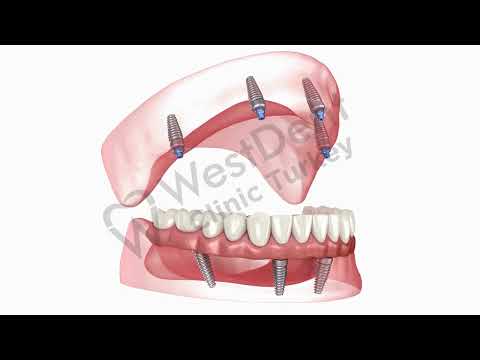
This option attracts individuals who need extensive work, like full-mouth dental implants or multiple dental crowns. It solves the barrier of prohibitive local dental pricing while offering access to highly trained prosthodontists.
However, biological healing cannot be rushed by a travel itinerary. Dental implants often require an initial surgical visit, months of healing at home, and a return trip to Serbia to place the permanent crowns.
Before you decide, ask:
- Will my local dentist agree to manage minor complications or adjustments between my trips to Serbia?
- How many total flights and hotel nights are realistically required for the complete implant process?
- Who pays for the travel and revisions if an implant fails to integrate properly?
- What specific brand of dental implants does the clinic use, and are parts available in my home country?
- How does the clinic handle language barriers during complex discussions about my bite alignment?
Convenience can change the calculation. It should not end the research.
In Vitro Fertilization (IVF): When Regulatory Flexibility Outpaces Emotional Comfort
Picture a couple navigating the strict legal limits of fertility treatments in their home country. Serbia’s progressive private IVF clinics offer protocols that might otherwise be legally or financially inaccessible to them.
This route appeals to patients facing age cutoffs or long waits for donor materials at home. It provides a renewed sense of hope backed by modern reproductive endocrinology.
Yet, undergoing hormonal stimulation and egg retrieval while living in a foreign hotel is inherently isolating. The clinical environment may be pristine, but the lack of a familiar support network adds heavy emotional weight to an already stressful process.
What matters here isn’t simply the clinic’s reported success rate.
- How will my home gynecologist coordinate with the Serbian clinic for necessary ultrasound monitoring?
- What is the exact legal framework in Serbia regarding the transportation and storage of remaining embryos?
- Are all legal documents and medical consent forms provided in certified English translations before I arrive?
- What emotional and psychological support services does the clinic offer to international patients?
- How quickly can the clinic adjust protocols if my body responds unpredictably to the medications?
Advanced clinical capability can make the experience possible. It cannot replace the need for comprehensive emotional and logistical support.
Cosmetic Surgery: When Aesthetic Goals Conflict With Remote Recovery
A prospective patient reviews impressive before-and-after photos of rhinoplasty procedures performed in Belgrade. The combination of board-certified plastic surgeons and luxury recovery packages feels like an obvious choice.
This option attracts individuals seeking high-quality breast augmentation or facial contouring without the extreme metropolitan price tags of London or Los Angeles. It creates the expectation of a transformative, vacation-like medical experience.
However, post-operative realities are rarely glamorous. Flying after general anesthesia increases the risk of deep vein thrombosis, and addressing delayed complications like infection requires navigating international medical systems from afar.
Before you decide, ask:
- What are the strict airline regulations regarding flying with surgical drains or facial splints?
- Who assumes medical responsibility if I develop a post-operative infection two weeks after returning home?
- Is there a formalized telemedicine system for my surgeon to assess my healing remotely?
- What is the exact escalation procedure if an emergency occurs at my hotel in the middle of the night?
- Does my domestic health insurance cover emergency admissions resulting from elective surgery performed abroad?
The appeal of a lower surgical fee can make the initial decision easier. It cannot replace the necessity of safe, long-term postoperative care.
The Person Beside You Has a Critical Role Too
There is often another person missing from guides like this. It is the spouse, sibling, or friend who sits in the waiting room while you are in the operating theater.
Their role is rarely a vacation. They are responsible for remembering medication schedules, interpreting confusing medical instructions, and managing meals when you cannot leave the bed.
They are the ones who must notice if your swelling seems abnormal or if your breathing changes. They carry the logistical burden of adjusting flights if the surgeon advises you to delay your return home.
A responsible decision process must equip this person properly. They need to know exactly who to call after clinic hours, where the nearest emergency room is, and what financial resources are available if plans change.
Better medical decisions consider everyone affected, not only the person receiving the treatment. Shared journeys require shared preparation.
Moving Beyond "Is Healthcare in Serbia Good?"
It is completely natural to ask if the doctors in Serbia are "good" or if the clinics are "safe." You are trying to gauge risk.
However, a simple yes or no answer is highly misleading. A state-of-the-art clinic with brilliant surgeons might still be the wrong choice if they lack a framework for managing international patient aftercare.
Instead of asking if the country is good, ask these specific evaluation questions:
- How frequently does this specific surgeon perform my exact procedure on international patients?
- What is the clinical protocol if my orthopedic implant is rejected or my dental crown fractures?
- Can the clinic provide verified credentials from the Serbian Medical Chamber?
- Do I have a local physician willing to take over my care once I return from Belgrade?
- How are patient data and medical privacy protected under Serbian law compared to my home country?
A local patient evaluating a clinic needs to know about parking and bedside manner. An international patient needs to know about flight clearances, medical records translation, and cross-border legal accountability.
Translating Marketing Claims Into Verifiable Credentials
Trust in medical tourism is often built on glossy websites and reassuring social media posts. Attractive claims must be separated from actual clinical accountability.
"Our award-winning Belgrade clinic provides European-standard care with guaranteed results and five-star luxury recovery."
Who is legally responsible for that guarantee, and where can it be independently checked?
You must look past the promotional language and verify the entities that hold authority. Check if the physician is actively registered with the Serbian Medical Chamber (Lekarska komora Srbije).
Verify if the facility is recognized by the Ministry of Health (Ministarstvo zdravlja) for treating international patients. Trust comes from identifiable responsibility, evidence, and clear legal accountability, not just positive reviews.
Before Committing: Try the Belgrade Post-Departure Test
Marketing materials highlight the moment you wake up with a new smile or a successful surgery. They rarely highlight the day you fly home.
Before you book your flight, apply this three-step test to reveal hidden risks and unrealistic expectations:
- The 48-Hour Communication Check: If you experience severe pain two days after returning to London or New York, exactly who answers the clinic's phone, and are they medically qualified to advise you in English?
- The Local Handoff Check: Have you secured a domestic doctor who has explicitly agreed to remove your sutures, monitor your IVF pregnancy, or review your orthopedic X-rays?
- The Revision Reality Check: If your breast implants require a revision surgery six months later, do you have the funds, time, and physical stamina to travel back to Serbia?
That is the medical tourism in Serbia test.
Show the Topic Through Different Reader Eyes
"I am healthy but on a strict budget for dental implants."
Focus: Finding a high-volume dental center in Belgrade with specialized prosthodontists.
Investigate: The exact brand of implants used to ensure global compatibility.
Caution: Do not choose a clinic solely because they promise to finish complex bone grafting and implants in a single short trip.
"I am navigating secondary infertility and need advanced IVF protocols."
Focus: Researching private fertility clinics in Serbia with transparent lab standards.
Investigate: The logistical process for transferring medical records and coordinating cycle monitoring with your local doctor.
Caution: Do not assume that legal flexibility in donor age automatically equates to guaranteed clinical success.
"I am seeking orthopedic surgery to regain my mobility."
Focus: Locating specialized surgical hospitals with integrated inpatient physical therapy.
Investigate: Airline clearance requirements for flying after major joint surgery.
Caution: Do not underestimate the severe physical difficulty of navigating international airports on crutches or a walker.
"I am looking for a discreet location for my rhinoplasty."
Focus: Boutique cosmetic clinics offering comprehensive recovery packages.
Investigate: How the surgeon manages post-operative care once you leave the country.
Caution: Do not believe that a luxury hotel room makes up for a lack of proper clinical monitoring during the first week of healing.
Same medical tourism destination. Four completely different research journeys.
Looking Beyond the Initial Quote: Assessing Total Journey Costs
Eventually, almost everybody asks. "How much will I really save by going to Serbia?"
It is a reasonable question, but focusing only on the surgical fee or the cost of the dental crown is a critical mistake. You must shift your focus to the financial impact of the entire experience.
What will the whole journey cost?
- Initial Procedure Price: The clinic's quoted fee.
- Pre-Travel Testing: Blood work, X-rays, and physicals required locally before you depart.
- Logistics: Flights, transfers, specialized medical insurance, and hotel stays for you and your companion.
- Extended Recovery: Extra nights of accommodation if you are not medically cleared to fly home on schedule.
- Lost Income: Time away from work for both travel and the unexpected delays.
- Follow-Up Care: Out-of-pocket costs to pay a local specialist who will review the work done abroad.
- Revision Risks: The cost of returning to Serbia if an implant fails or a complication arises.
The cheapest procedure quote may not create the cheapest total journey.
The Daily Reality of Recovering Away From Home
Medical tourism is rarely the vacation depicted in brochures. It is a deeply vulnerable physical experience.
It is waking up in an unfamiliar hotel room, trying to adjust pillows to manage post-surgical swelling. It is communicating through translation apps when you are tired and in pain.
It involves anxious phone calls to your insurance provider regarding coverage limits. It is the slow, careful walk down a foreign hallway, relying heavily on your companion to carry your documents.
There are also moments of profound relief when a skilled, empathetic Serbian doctor takes the time to explain your recovery process clearly. Small milestones—like eating your first meal after dental surgery—feel like massive victories.
That is still medical care. Just a very different kind.
The Questions Patients Wish They Had Asked Earlier
Experience often reveals the gaps in our planning. Many international patients look back on their journeys and realize their initial research was too narrow.
- "I wish I'd asked if my local doctor would actually agree to remove the stitches from my Serbian surgery."
- "I wish I'd known that returning for the second phase of my dental implants would require two weeks off work."
- "I wish we'd planned for the emotional toll of an unsuccessful IVF cycle away from family."
- "I wish I'd checked the specific qualifications of the anesthesiologist, not just the plastic surgeon."
- "I wish I'd asked for the complication policy in writing before I wired the deposit."
- "I wish I'd known how painful turbulence is on a flight shortly after orthopedic surgery."
"Choosing a clinic is easy when you only look at the five-star reviews and the low prices."
Real-life questions provide vastly better guidance than promotional messages. They force you to plan for the worst while hoping for the best.
Evaluating if Serbian Medical Care Fits Your Reality
Medical tourism in Serbia may be worth investigating when:
- You have a clear, documented medical diagnosis and a realistic understanding of the necessary treatment.
- You have successfully verified the clinic's standing and the surgeon's specialized credentials.
- You have a reliable travel companion who is prepared to manage logistics and advocate for you.
- You have secured local medical support for your aftercare upon returning home.
- You possess a financial buffer to handle unexpected delays, extended hotel stays, or flight changes.
Who Should Think Especially Carefully?
Medical tourism in Serbia—or any comparable option—may make less sense when:
- You have complex, unstable underlying health conditions like severe heart disease or uncontrolled diabetes.
- You are attempting to completely bypass necessary medical evaluations required in your home country.
- You lack the budget to handle complications and are relying entirely on the procedure going perfectly.
- You do not have a trusted person to travel with you.
- You feel rushed by limited-time promotional pricing or aggressive clinic sales tactics.
- You are unwilling or unable to travel back to the destination if surgical revisions are needed.
"I'm not comfortable proceeding."
A responsible decision process should make it easier to recognize when stopping is the right choice. Walking away from a seemingly great deal is a valid, safe outcome.
What brings you here?
You need extensive dental work but are overwhelmed by the costs at home.
Research certified prosthodontists in Belgrade, specifically requesting timelines for multiple trips to allow for proper bone healing.
You are exploring IVF and seeking a clinic with advanced technology and flexible protocols.
Verify the legal framework for donor materials in Serbia and establish communication protocols between the clinic and your home gynecologist.
You are considering plastic surgery and want board-certified expertise without the metropolitan markup.
Investigate the surgeon's credentials through the Serbian Medical Chamber and demand a detailed, written complication policy.
You are looking for orthopedic surgery to bypass long public health wait times.
Focus entirely on facilities that offer integrated inpatient rehabilitation and secure airline clearance protocols for your return flight.
You are trying to help a family member weigh their international healthcare options.
Direct your focus toward emergency escalation pathways, medical insurance limitations, and logistical responsibilities on the ground.
That is not simply a directory. It is a decision environment.
Making a Grounded Decision About Your Healthcare
Maybe you are sitting at your kitchen table, comparing a local dental quote against a detailed itinerary from a clinic in Serbia. You are weighing the financial savings against the time required for travel.
Maybe you and your partner are having a difficult conversation about how many more IVF cycles you can endure. You are deciding if the promise of a private Serbian clinic outweighs the stress of navigating a foreign medical system.
Perhaps you have closed all your research tabs, realizing that you are not comfortable flying internationally after surgery. You decide it is safer for your situation to wait and save for a local provider.
Healthcare choices should not be reduced to simple promises of saving money, getting instant results, or finding "the best" option. Your reality involves practical limitations, the strength of your support system, and long-term consequences.
The best medical option is not the one with the most attractive marketing brochure.
It is the one where:
- the right medical capability,
- the right accountable provider,
- the right logistical support system,
- and a realistic path to long-term follow-up
can come together for your particular situation.
"Where is medical care in Serbia the cheapest and fastest?"
Replace with:
"What is the next informed step that realistically fits my situation?"
Finding Clarity on Your Healthcare Journey
At PlacidWay, we know that seeking medical care across borders is an intensely personal decision. It is driven by a need for solutions, but clouded by uncertainty and overwhelming choices.
Maybe medical tourism in Serbia is the right path for your specific needs. Maybe it isn't.
Our goal is not only to show you international options, but to help you examine the deeper considerations. We believe in family involvement, rigorous preparation, and informed choices.
Your way to hope begins with realistic expectations and trustworthy guidance. Are you ready to see what your specific options actually look like?
Take Your Next Informed StepDisclaimer: This guide is for informational purposes only and does not constitute medical, legal, or financial advice. Medical tourism carries inherent risks, including complications from travel, variations in regulatory standards, and challenges with follow-up care. Always consult with your local primary care physician or specialist before committing to elective surgery or medical treatments abroad. Verify all clinic credentials and surgeon qualifications independently.
References
- Serbian Medical Chamber (Lekarska komora Srbije) – Official Register of Physicians
- Ministry of Health of the Republic of Serbia – Healthcare Regulations and Facility Standards
- Medical Tourism Guidelines – Centers for Disease Control and Prevention (CDC)
- European Society of Human Reproduction and Embryology (ESHRE) – Clinical Guidelines for IVF
- Patient Safety Recommendations for Medical Tourists – International Society of Aesthetic Plastic Surgery (ISAPS)






















Share this listing